_1745226507162.webp)

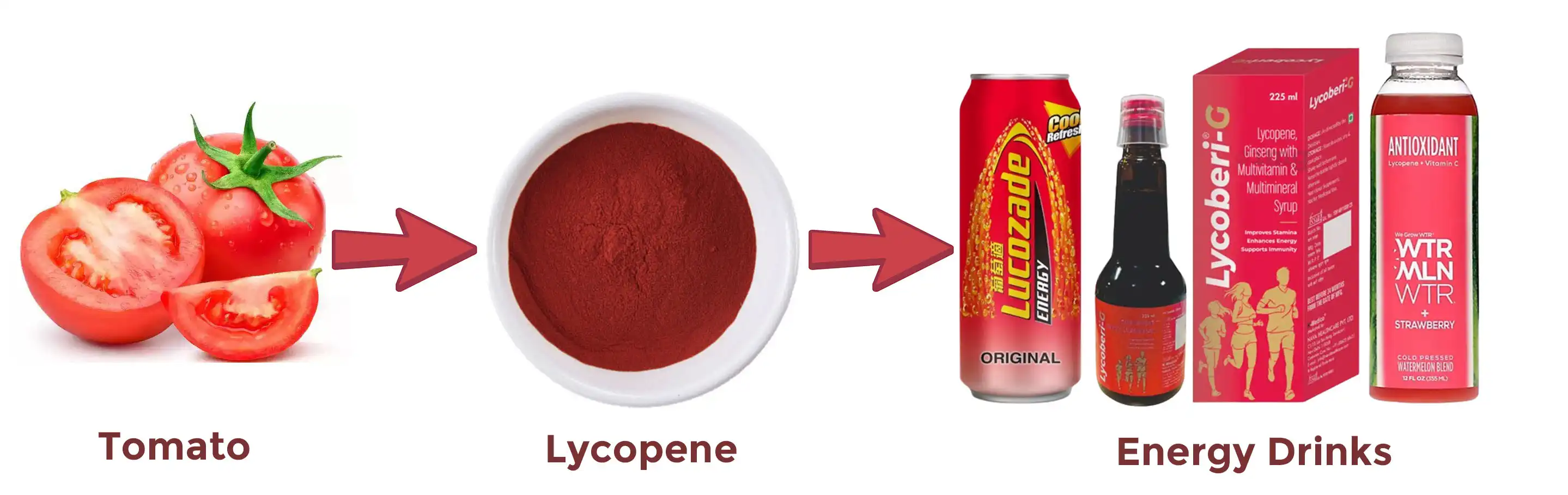
Why Do Energy Drinks Use Lycopene Powder?
High caffeine and metabolic activity increase oxidative damage, hence energy drinks commonly contain lycopene powder. Additionally, this carotenoid molecule provides excellent antioxidant defense that protects cells from free radical damage and enhances the beverage. Beyond its biological benefits, lycopene powder helps with formulation issues thanks to its superior stability and water dispersibility, allowing companies to make health-focused energy drinks that meet consumer demands for natural, science-backed ingredients without affecting taste or shelf life.
Understanding Lycopene Powder and Its Significance in Energy Drinks
In the functional beverage industry, natural bioactive compounds like lycopene are in high demand. The carotenoid is typically found in tomatoes and other red foods. It has evolved from a colorant to a versatile substance.
What Makes Lycopene Powder Different?
Industrial-grade lycopene powder is a concentrated carotenoid phytonutrient. The chemical is found naturally in Solanum lycopersicum (tomato), but professional-grade powder must overcome three issues: oxidation instability, bioavailability, and water dissolution. Microencapsulation and spray-drying make raw lycopene safe and physiologically active throughout production and storage.
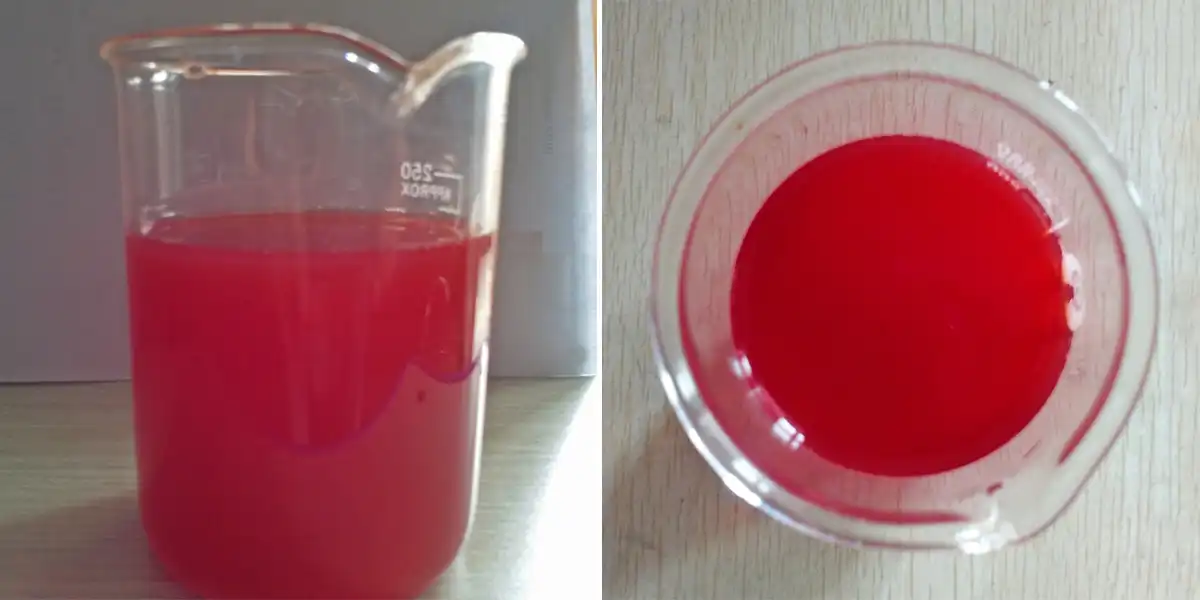
Scientific details explain why this design is most popular for beverages. HPLC (High-Performance Liquid Chromatography) tests the powder as a dark red to reddish-brown fluid that flows easily and has standardized assay results between 5% and 20%. High-purity crystalline options can have concentrations of 96%, giving formulators precision dosage control.
Natural vs Synthetic Forms: Critical Distinctions for Procurement
Energy drink makers must choose between lab-made and natural lycopene. Solvent extraction of tomato oleoresin yields natural lycopene. Its organic certification appeals to clean-label shoppers. This variety retains natural isomer ratios, generally with greater all-trans lycopene.
Fermenting Blakeslea trispora with other mushrooms produces synthetic lycopene. Its quality and availability are year-round, regardless of agricultural fluctuations. Both varieties have the same antioxidants when produced properly. But buying teams must consider certification requirements, regulatory approval in target regions, and brand fit.
Physicochemical Properties Critical for Beverage Formulation
New Cold Water Dispersible (CWD) and Cold Water Soluble (CWS) grades improve liquid usage. Regular oil-soluble carotenoids cause "neck rings" in emulsions, however these particular mixes mix well with water and don't. The best varieties prevent the conjugated double-bond structure from oxidative breakdown with beadlet technology. When stored properly, this keeps the goods fresh for 24–36 months.
Knowing these traits helps formulation specialists pick energy drink blend ingredients. A specific gravity of 0.4 to 0.6 g/mL makes dosing easier during manufacture, and better isomerization ratios promote medication absorption in the intestines.
Why Energy Drinks Use Lycopene Powder — Key Functional Advantages?
Adding lycopene to energy drinks indicates that corporations are going beyond making them healthier. This option is based on scientific evidence and formulation benefits that satisfy consumer health and industrial demands.
Powerful Antioxidant Protection During Energy Metabolism
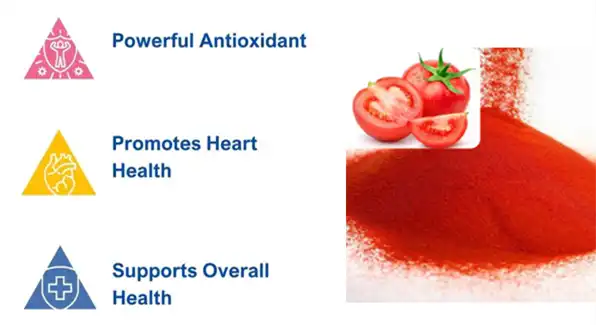
Caffeine and B vitamins boost metabolism and energy production, but they also produce more free radicals. Lycopene extract, the greatest antioxidant of all carotenoids, fights singlet oxygen better than Vitamin E. This defensive action is especially important for those who work hard, are stressed, and use energy drinks.
Lycopene powder helps remove reactive oxygen species (ROS) from coffee breakdown, according to research. The molecule's electron-rich structure with eleven conjugated double bonds stabilizes free electrons without producing damaging intermediates. Cellular defense promotes long-term health and provides fast energy.
Synergistic Enhancement with Conventional Energy Ingredients
Lycopene has many advantages alone, but it also complements other energy drink ingredients. With caffeine and B-complex vitamins, this carotenoid boosts energy in several ways. Antioxidants preserve other vitamins that are readily destroyed in combination. This prevents product degradation and extends shelf life.
Manufacturers enjoy that lycopene's natural red color may enhance their products without dyes. This biological and aesthetic goal streamlines ingredient lists and promotes the "clean label" trend that health-conscious consumers want.
Market Differentiation Through Science-Backed Wellness Claims
Competitive energy drinks require more than caffeine and flavor to stand out. Lycopene provides formulators a scientifically validated ingredient with credible health claims. People are reading ingredient lists more because they want clinically proven ingredients instead of manufactured additions.
Lycopene's antioxidant, heart health, and cell protection benefits appeal to wellness-focused customers who are driving category growth. This category transforms boosters into functional beverages that improve performance and wellness.
Comparative Insights: Lycopene Powder vs Other Lycopene Forms in Energy Drinks
The appropriate ingredient structure is crucial to formulation success. Lycopene comes in many forms, but lycopene powder is preferable for energy drinks since it improves manufacturing speed and quality.
Solubility and Bioavailability Considerations
Traditional lycopene extracts in oil solution make water-based beverages difficult. Slippery native lycopene requires emulsifiers, is difficult to separate, and can be unstable during distribution. Advanced processing makes encapsulated powder grades water-soluble while maintaining biological activity.
Bioavailability experiments reveal that correctly mixed lycopene powder may be absorbed as well as oil-based solutions when consumed. The microencapsulation matrix protects the active ingredient from stomach acid. It gently releases the chemical in the intestines for optimum absorption.
Production Integration and Dosing Accuracy
Making a lot of beverages requires automatic production line-friendly equipment. Lycopene powder flows freely, allowing gravimetric or volumetric dosage. This consistency ensures label claims are accurate across thousands of manufacturing units.
Liquid extracts and capsules require extra stages or instruments to process, making production harder and increasing contamination risk. Powder forms dissolve completely when blended, leaving no residue and spreading uniformly in every batch.
Cost-Efficiency Analysis for Bulk Procurement
Procurement managers consider the overall cost of ownership for tomato lycopene rather than the price per kilogram. While high-purity lycopene powder may cost more than simple extracts, it saves on shipping, storage, and effort. Compressed powder reduces waste due to its prolonged shelf life.
Organically confirmed lycopene costs more than synthetic. This is due to licensing fees and agricultural supply chain complexity. Strategic purchasers assess these factors against target market tastes and brand placement to attain the highest recipe performance and profit margins.
Sourcing and Procurement Considerations for Lycopene Powder in the Energy Drink Industry
Making a great energy drink starts with reputable partners who understand beverage applications. Many things must be considered before buying, not simply price.
Essential Quality Control Parameters
HPLC is more critical than UV-Vis spectroscopy for lycopene powder quality testing. UV-Vis techniques can misrepresent other carotenoids in natural extracts, causing dosage issues. HPLC analyzes chemical amounts to verify label claims and product consistency.
For Class 3 solvents like hexane and ethyl acetate, residual solvent research is crucial during inspections. Responsible providers strictly limit these values below 5000 ppm. Certified organic products must fulfill stricter criteria. Oxidation parameters like peroxide and acid values indicate microencapsulated form stability and lipid carrier breakdown.
Microbiological testing of drinking components is necessary. Specifications should confirm the absence of Salmonella and E. coli, with a total plate count below 1000 cfu/g. Energy drinks seldom undergo heat processing, thus these microbiological criteria preserve customer safety and brand image.
Supplier Certification and Compliance Verification
Foreign energy drink manufacturers must discover items that fit several criteria. Suppliers must update their ISO 9001, GMP, and HACCP documents. The USDA Organic or a similar entity certifies organic items for sale.
PAHs are a key concern for extracted compounds. These compounds can be introduced during extraction, thus PAH 4 levels must be below the EU limit of 10 parts per billion. Every shipment from reliable vendors includes detailed Certificates of Analysis (CoA) listing all key elements.
Building Strategic Supplier Relationships
Strong procurement teams form long-term partnerships with suppliers who demonstrate professional expertise and speed after certification. The ideal partner provides formulation assistance, assists with legal paperwork for new markets, and maintains a backup stock to ensure supply.
Supplier abilities for lycopene extract should be assessed through site audits, quality control system inspections, and raw material evaluations. When suppliers invest in R&D, they may collaborate on product-specific formulations and concentrations.
Practical Guidelines for Energy Drink Manufacturers Using Lycopene Powder
Technical elements that impact product quality and production should be considered while selecting ingredients. Formulators and production managers feel confident utilizing lycopene powder with these guidelines.
Optimal Dosage Ranges and Regulatory Compliance
Lycopene in energy drinks is commonly 2–10 milligrams per dosage. This is done by aligning drink performance to cost and regulatory regulations. Lycopene is GRAS in the US, however manufacturers must assess safe usage levels in all target locations. European regulations may establish maximum levels and require particular statements on labels.
Formulation experts should consider how effects interact when choosing a dosage. When coupled with vitamin C, vitamin E, or other polyphenols, lower levels of lycopene may offer adequate antioxidant protection.
Stability Testing and Shelf Life Optimization
In most energy drinks, properly encapsulated lycopene powder lasts. To ensure their goods function with their recipe and packaging, manufacturers should test their stability fast and at extreme temperatures.
Lycopene breaks down mostly by light contact. Clear-cased products need special protection. Giving them extra to account for deterioration or modifying the packaging with light-blocking coverings or opaque materials can achieve this.
Quality Assurance and Contamination Prevention
Carotenoid products should be handled separately in plants to avoid contamination. Lycopene does not cause allergies, although its intense color might make cleaning difficult if not done properly.
Checking arriving ingredients' color stability, moisture content, and package seals is important. Before ingredients are utilized in manufacturing, these simple tests prevent costly batch failures and recalls.
Conclusion
Lycopene powder is utilized in energy drinks because it is protective, versatile, and health-friendly. The chemical decreases coffee-related reactive stress and permits clear labeling, which health-conscious clients want. Execution requires quality shopping, knowing the difference between natural and synthetic forms, and working with suppliers that supply approved products and competent assistance. Lycopene powder gives companies a strategic opportunity to differentiate goods with solid clinical evidence of health benefits as the functional beverage sector moves toward science-backed wellness formulae.
FAQ
How does lycopene powder benefit energy drink formulations?
Coffee metabolism and intense exercise increase oxidative stress, but lycopene powder protects against it. Along with B vitamins and other energy-boosting elements, the chemical boosts drink functionality and cell health. Lycopene gives foods their natural red color and helps them have clear labeling, which health-conscious consumers demand.
What distinguishes organic from synthetic lycopene for beverage applications?
Organic lycopene originates from naturally extracted tomatoes and has organic certification. Fungi-fermented synthetic lycopene maintains a stable quality regardless of farming. Both types are equally protective when manufactured properly. The decision depends on the target market, certifications, brand positioning, and budget. Buying teams should evaluate these elements to their design aims and regulators' regulations.
What quality criteria matter most when sourcing lycopene powder?
Assay evidence employing HPLC to verify potency, source licensing (ISO, GMP, HACCP, organic), residual solvent controls, microbiological purity, and PAH testing are crucial. Reliable suppliers provide thorough Certificates of Analysis with all parameters, dependable supply lines, and skilled formulation advice. Having approved suppliers in overseas markets is the best approach to ensure product quality and legal compliance.
Partner with Bolin Biotechnology for Premium Lycopene Powder
Bolin Biotechnology makes pharmaceutical-grade lycopene powder for energy drink makers to remain ahead of the competition. Since our establishment in 2012, we began manufacturing plant extracts using traditional plant knowledge and modern processing technologies. Our lycopene powder mixes well with water, has regular test levels that can be confirmed by HPLC, and is ISO, GMP, and organic certified. As an experienced lycopene powder supplier, we provide flexible minimum order amounts, a consistent bulk supply, and bespoke recipe R&D support. Contact our professional team at sales1@bovlin.com to discuss your needs and see how our solutions may help you develop superior energy drinks with scientifically proven ingredients.
References
Story, E. N., Kopec, R. E., Schwartz, S. J., & Harris, G. K. (2010). An update on the health effects of tomato lycopene. Annual Review of Food Science and Technology, 1, 189-210.
Rao, A. V., & Rao, L. G. (2007). Carotenoids and human health. Pharmacological Research, 55(3), 207-216.
Erdman, J. W., Ford, N. A., & Lindshield, B. L. (2009). Are the health attributes of lycopene related to its antioxidant function? Archives of Biochemistry and Biophysics, 483(2), 229-235.
Teodoro, A. J., Oliveira, F. L., Martins, N. B., Maia, G. D. A., Martucci, R. B., & Borojevic, R. (2012). Effect of lycopene on cell viability and cell cycle progression in human cancer cell lines. Cancer Cell International, 12(1), 36.
Perveen, R., Suleria, H. A., Anjum, F. M., Butt, M. S., Pasha, I., & Ahmad, S. (2015). Tomato (Solanum lycopersicum) carotenoids and lycopenes chemistry; metabolism, absorption, nutrition, and allied health claims. Journal of Food Science, 80(8), C1723-C1738.
Agarwal, S., & Rao, A. V. (2000). Tomato lycopene and its role in human health and chronic diseases. Canadian Medical Association Journal, 163(6), 739-744.