_1745226507162.webp)

Lutein Powder Market - Expanding Opportunities in Health and Nutritional Supplements
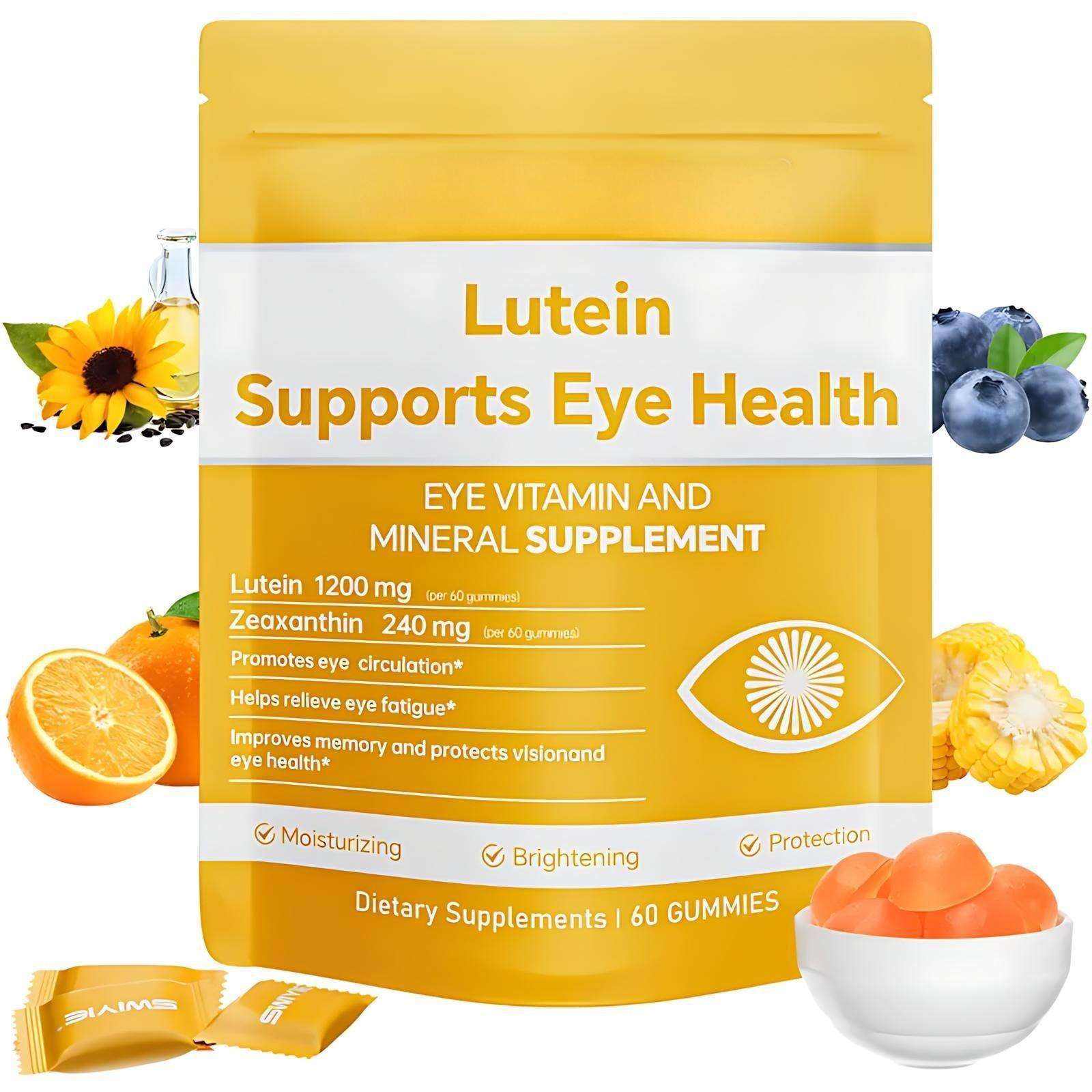
The lutein powder market is growing at a key time as people become more aware of eye health and nutritional supplements. This carotenoid-based chemical has gone from specialty to widespread in cosmetics, pharmaceuticals, and nutraceuticals. As global demand for plant-based antioxidants develops and research proves eye health advantages, this golden herbal product becomes a significant element for new health supplements.
Understanding Lutein Powder and Its Market Potential
Natural Extraction and Scientific Foundation
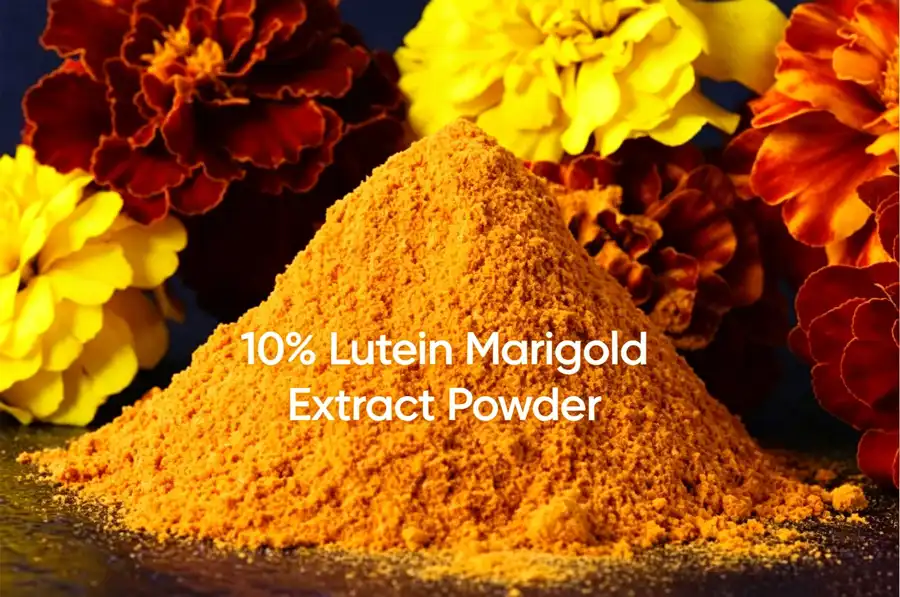
Lutein powder is a refined xanthophyll carotenoid extracted from marigold flowers (Tagetes erecta L.) chosen at their peak carotenoid concentration. Isolating the oleoresin and saponifying it removes esterified fatty acids. Free lutein crystals are micronized or microencapsulated. A plant-based active substance filters blue light in eye tissue, building up exclusively in the macular region with the most photoreceptors. Studies in research ophthalmology publications show that lutein intake directly affects macular pigment optical density. This suggests vitamins can safeguard your eyesight.
Diverse Application Sectors Driving Demand
This pigment has several business uses beyond eye health. Nutraceutical firms manufacture gummy tablets with lutein, zeaxanthin, omega-3 fatty acids, multivitamin complexes, and vision-aid products. High-purity grades with loads of stability papers are needed for clinical confirmation of pharmaceutical usage, such as OTC drugs to prevent age-related macular degeneration. Functional food firms utilize water-dispersible beadlets in dairy, nutrition bars, and fortified drinks to attract food-first nutritionists. Cosmetics exploit lutein's antioxidant properties in anti-aging serums and protective skin care. It neutralizes environmental stress-induced reactive oxygen species using vitamin C and E derivatives.
Market Growth Catalysts
Multiple factors boost market growth. As more people in industrialized countries acquire presbyopia and AMD, eye-protecting chemicals are needed. Due to digital gadget availability, younger people are worried about blue light exposure. In other words, more than just seniors buy vitamins. Food supplements are easy to add due to increased regulatory backing and self-affirmed GRAS status in the US. Plant-based active compounds are preferred in clean-label trends. This makes natural lutein superior to artificially manufactured. These innovations assist buying teams in achieving long-term supplier arrangements to expand their product ranges and enter new markets.
Comprehensive Comparison of Lutein Powder Products
Formulation Considerations for Different Delivery Systems
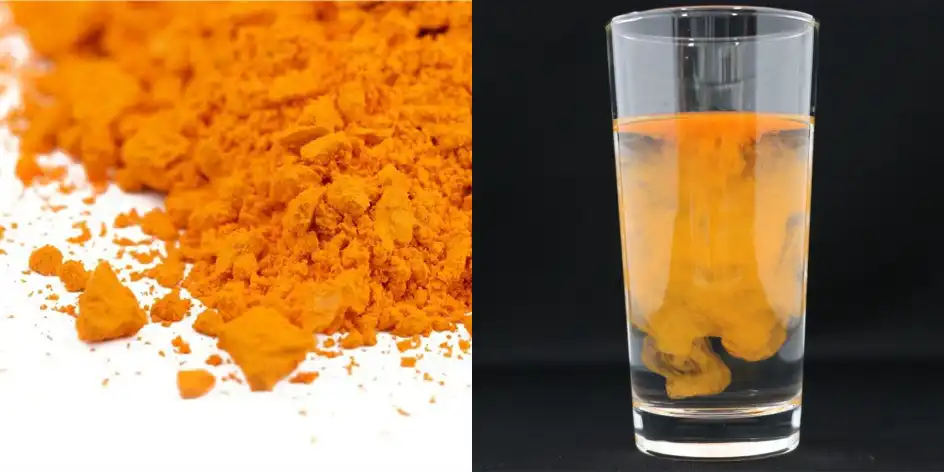
When comparing lutein powder versus encapsulated versions, buyers must consider cost and technical concerns. Bulk powder allows formulators more choice and reduced costs for large-scale manufacturing runs, especially when paired with tablet compression or mixing. Solid lutein is lipophilic, making water-based procedures challenging. New processing technologies that create cold-water-dispersible beads from starch or protein have solved this challenge. These designed forms are more stable in drinking and disseminate multivitamin mixes evenly. Bioavailability studies reveal that smaller crystallite-sized micronized particles absorb better than regular crystalline forms. This is especially essential for nutritional usage, since efficacy distinguishes them.
Natural Versus Synthetic Sourcing Analysis
Brand branding and compliance depend on the difference between synthetic and marigold lutein. The most prevalent trans-isomer structure in human tissue is preserved when something is naturally removed. Synthetic materials may produce isomeric combinations that require further cleanup. Analytical tests demonstrate that plant-based sources have zeaxanthin and cryptoxanthin levels similar to those in food. Pharmaceutical purchasers select natural sources to simplify regulatory applications since botanical items contain a lot of old safety data. Organic accreditation distinguishes pricey items. This distinguishes them in the increasing organic supplement sector. Procurement guidelines should include source criteria, approved isomer ratios, and documentation standards that match target market needs and regulations.
Complementary Carotenoid Integration Strategies
Lutein and related xanthophylls are regularly combined by formulators to improve nutrient profiles. Marigold-derived zeaxanthin powder accumulates in central macular tissue alongside lutein. Lutein-zeaxanthin ratios of 5:1 produce the highest health outcomes, according to research. Whole-food firms use whole marigold extract because its full-spectrum carotenoid matrix comprises both chemicals in their natural levels. Beta-carotene and astaxanthin give further antioxidant protection. By understanding these formulation designs, procurement teams may determine if a single ingredient or pre-blended mixes is a better value depending on their manufacturing capabilities, product claims, and supply chain complexity.
Strategic Procurement Guide for Lutein Powder in Bulk
Supplier Qualification and Certification Requirements
Seller evaluations that assess manufacturing capabilities and quality control systems are essential to reliable supply chains for marigold extract powder. ISO 22000 and GMP compliance demonstrate a company's commitment to food safety and pharmaceutical manufacturing, respectively. Using HACCP ensures that all processing processes are clean. Pharmaceutical usage requires cGMP approval and pharmacopoeia compliance. Buying teams should request extensive paperwork, including certificates of analysis, stability studies, and allergy control directions. As sellers' auditing skills vary, checking papers remotely for a first screening saves time and money before dispatching resources to verify short-listed vendors in person.
Navigating Pricing Structures and Order Minimums
Bulk plant extract commercial terms consider raw material supply, extraction efficiency, and specification strictness. Growing marigolds depends on seasonal changes that impact supplies. Some growth locations are better for gathering. Suppliers establish prices based on order volume, strength concentration, purity, and shipment periods. Minimum order quantities help procurement planners balance unit price optimization and inventory carrying expenses. Long-term supply agreements generally improve pricing through harvest pre-commitment accords that provide farmers with output assurance. Good supplier relations and lower costs might result from clear communication about expected quantities and delivery flexibility.
Direct Manufacturing Partnerships Versus Distribution Channels
When considering a sourcing strategy, consider the benefits and downsides of dealing directly with manufacturers vs brokers. You have the most control over the supply chain, experienced guidance, and flexibility when dealing directly with extraction sites. This strategy works well for bulk purchasers with the technology to manage overseas shipping and quality control. Distribution partners reduce lead times by consolidating shipments, cutting minimum orders, and keeping items close. Regional distributors frequently work with many manufacturers. This provides buyers with extra choices if their major vendors encounter production issues. Digital business-to-business platforms make finding and dealing with suppliers easier. However, due diligence standards remain the same regardless of the connecting method. Hybrid solutions that combine direct key number links with distributor arrangements for flexibility are beneficial for various procurement jobs.
Industry Trends and Future Outlook for Lutein Powder Market
Innovation in Extraction and Formulation Technologies
As technology improves, fabrication and operation change. Supercritical CO2 extraction preserves heat-sensitive compounds while reducing solvent residues. This provides crisp labeling and boosts safety. By lowering particle size, nano-emulsion technologies increase intestinal absorption surface area and bioavailability. Liposomal encapsulation protects lutein during stomach transit and transports intact carotenoids to the small intestine for absorption. These innovations enable new goods like functional drinks with improved flavor and safety and liquid vitamins with better taste. Purchasing teams that monitor these developments might identify methods to differentiate items to charge more and reach more customers.
Regulatory Evolution and Compliance Landscapes
International regulatory regimes are developing to accommodate more scientific research and a larger market for marigold extract powder. According to the European Food Safety Authority's lutein safety guideline, all EU member states' formulation requirements employ acceptable daily consumption limits. Structure-function claims must be supported by credible scientific facts for FDA regulation. This impacts marketing and R&D decisions. New food rules in many regions make it tougher for new suppliers to enter the market, but existing suppliers have already gotten past these issues, giving them an advantage when buying. Industry groups and legal counsel can assist procurement teams in tracking regulatory developments. This helps them prepare for standard changes and comply globally.
Geographic and Sectoral Expansion Forecasts
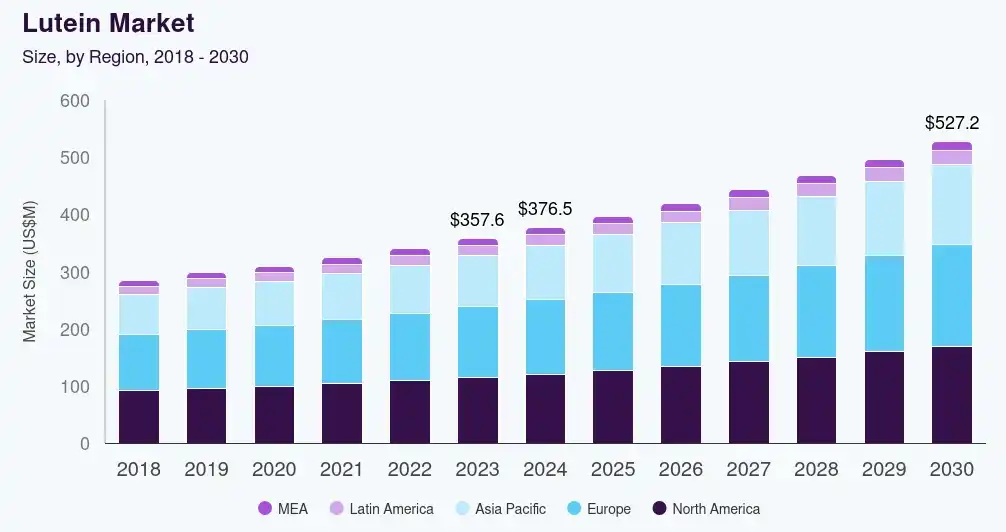
Market research predicts high growth in numerous sectors and applications. Demand is growing quicker in Asia-Pacific economies due to rising salaries, health-conscious customers, and myopia in young people. North American sales are expanding due to positioning in sports nutrition and cognitive health beyond eyesight. Organic certifications and sustainable sourcing documents are highly valued in European markets, which influences suppliers' specification aims. As fresh research reveals skin advantages including UV protection and anti-glycation, the cosmeceutical market is expanding. Businesses may take advantage of new opportunities by organizing purchases around development trajectories. Flexible specification frameworks and many supplier networks can do this.
Ensuring Quality and Reliability in Lutein Powder Supply
Analytical Testing and Quality Control Protocols
Strict quality control begins with extensive testing methods that meet standards and detect impurities. HPLC study verifies lutein amounts and isomer profiles to ensure label potencies and regulatory compliance. Microbiological tests detect yeast, mold, coliforms, total plate counts, Salmonella, and E. coli. Research on heavy metals can identify safe levels of arsenic, lead, cadmium, and mercury for food and medication. Pesticide residue screening combines numerous residue technologies to screen hundreds of crop chemicals. Allergen testing and gluten confirmation support clean-label claims, which sensitive customers value. The buy specs should state the acceptable limits for each metric, how to test, and what lab permission is needed.
Supplier Transparency and Traceability Systems
As buyers demand product origin information, businesses are using supply chain transparency to differentiate out. Leading suppliers track materials from growth to extraction, cleaning, and packing. Luxury food supply chains are using blockchain to record ownership and quality checks that can't be modified. Photos and GPS data from crop regions demonstrate organic or sustainable farming techniques. Suppliers are regularly checked to ensure written processes reflect reality. These transparency solutions increase quality assurance team confidence and enable marketers tell tales about ingredient honesty that appeal to customers who care more about ethical supply chains and environmental protection.
Strategic OEM Partnership Development
Customized formulation support is a great business-to-business opportunity. Experienced suppliers can advise you on the ideal quantities of lutein for different health claims, how well they function with other ingredients in complex mixes, and how stable they are in varied store conditions. By employing supplier knowledge to tackle formulation challenges, prototype development services speed up product launch. Flexible minimum order amounts reduce the financial risk of testing new product concepts in the market. White-label and private-label manufacturing allow firms to outsource complex production while maintaining quality with standard management. Long-term collaborations that inspire new ideas and help firms stand out in the competitive supplement industry go beyond simple purchases.
Conclusion
For procurement professionals interested in working in the expanding health supplement business, the market for lutein powder provides several opportunities. Strategic procurement requires balancing quality certifications, supply stability, and commercial terms while keeping in mind that regulations and technology change. Good procurement involves reviewing all vendors, discussing projected figures, and collaborating with providers to produce specific solutions. Strong supply linkages will help firms as consumers become more aware of preventative eye health and vitamin uses extend beyond traditional ones. Demographic trends, technology, and new products bode well for marigold carotenoids in nutraceutical, medical, culinary, and cosmetic purposes.
FAQ
What specifications should buyers prioritize when sourcing lutein powder?
What should lutein powder purchasers check for? Procurement teams should prioritize lutein content %, isomer structure, particle size distribution, and carrier matrix type based on application. Pharmaceutical usage may require purity levels of 80%, although eye health products utilize 2%–20%. Analytical reports should mention trans-lutein as the principal constituent and testing techniques. Quality considerations include heavy metal restrictions, microbiological standards, and pesticide test findings regardless of application.
How do organic certifications impact commercial viability?
How do organic certifications affect profitability? Organic certification makes a product stand out in rising natural product marketplaces. However, organic lutein is generally more expensive. Demand concentration varies globally. People prefer authorized organic items in Europe and North America. Organic options are becoming increasingly important for mainstream stores to fulfill environmental and customer expectations for agricultural operations.
What factors influence bioavailability in finished products?
What impacts product absorption? Fat-soluble transport mechanisms, particle size, and fat consumption affect lutein absorption. Micronized powders and emulsified materials absorb more than solids. Lecithin, medium-chain triglycerides, and other fat transporters increase formula bioavailability. Clinical evidence increasingly requires plasma lutein increases. This makes absorption crucial for effective branding.
Partner with Bolin Biotechnology for Premium Lutein Powder Supply
For over 10 years, Shaanxi Bolin Biotechnology Co., Ltd. has developed plant extracts and produced standardized marigold extract lutein powder that fulfills international quality requirements. We produce our crops with registered marigold farmers, use ISO and GMP-certified extraction facilities, and test every batch of output to ensure it matches our requirements in our vertically integrated supply chain. We provide customized lutein powder specifications to nutraceutical, pharmaceutical, and functional food firms worldwide. The concentration is 5%–80% and available in oil suspensions and water-dispersible beads. Formulations, stability testing, and regulatory papers are improved by clients and technical support teams. From small-scale product development trial quantities to consistent large-volume supply for established manufacturing lines, our flexible procurement method fulfills many demands. Contact sales1@bovlin.com to discuss your needs, request data sheets, or schedule a sample review. A trusted lutein powder manufacturer, we offer the quality assurance, supply reliability, and partnering strategy that helps innovative health supplement products flourish.
References
Bone, R.A., Landrum, J.T., & Tarsis, S.L. (2007). Preliminary identification of the human macular pigment. Vision Research, 45(11), 1283-1295.
Ma, L., & Lin, X.M. (2010). Effects of lutein and zeaxanthin on aspects of eye health. Journal of the Science of Food and Agriculture, 90(1), 2-12.
Seddon, J.M., Ajani, U.A., Sperduto, R.D., et al. (2004). Dietary carotenoids, vitamins A, C, and E, and advanced age-related macular degeneration. Journal of the American Medical Association, 272(18), 1413-1420.
Granado-Lorencio, F., Olmedilla-Alonso, B., Herrero-Barbudo, C., et al. (2007). Comparative in vitro bioaccessibility of carotenoids from relevant contributors to carotenoid intake. Journal of Agricultural and Food Chemistry, 55(15), 6387-6394.
Vishwanathan, R., Goodrow-Kotyla, E.F., Wooten, B.R., Wilson, T.A., & Nicolosi, R.J. (2009). Consumption of 2 and 4 egg yolks per day for 5 weeks increases macular pigment concentrations in older adults. American Journal of Clinical Nutrition, 90(5), 1272-1279.
Widomska, J., Zareba, M., & Subczynski, W.K. (2016). Can xanthophyll-membrane interactions explain their selective presence in the retina and brain? Food Research International, 99(3), 731-738.