_1745226507162.webp)

Creatine Monohydrate Powder: A Reliable Ingredient for Nutrition and Healthcare
Creatine monohydrate powder helps muscles use energy and brain function, making it vital in nutrition and health care worldwide. Procurement experts must grasp the science, quality standards, and sourcing strategies of functional food brands, pharmaceutical firms, and nutraceutical companies as demand develops. They must source dependable bulk ingredients that match industry requirements and satisfy clients.
Understanding Creatine Monohydrate Powder What Makes This Compound Unique
Scientists state that creatine monohydrate powder is composed of N-(aminoiminomethyl)-N-methylglycine monohydrate (C4H9N3O2·H2O). A stable solid structure is formed by one water molecule per creatine molecule in this nitrogenous organic acid. Sarcosine and cyanamide form a vegan, animal-free ingredient. It may be used to manufacture dietary supplements, functional drinks, and pharmaceuticals because it is nontoxic and tastes and looks like white crystals.
Biological Mechanisms and Health Benefits
The chemical aids ATP resynthesis after powerful muscular contractions, helping cells generate energy. When phosphorylated in muscle tissue, it becomes phosphocreatine, which stores energy fast and keeps you going. Research shows that boosting neuronal energy metabolism may improve brain function, especially while doing intellectually demanding tasks, in addition to athletic performance. Clinical evidence suggests supplements may improve muscular strength, lean body mass, and post-workout recovery. In many populations, they are safe when used properly.
Absorption Dynamics and Consumption Considerations
How bioavailable this chemical is based on particle size and consumption. 200-mesh micronized forms dissolve more easily in liquids, making them less gritty and more stomach-friendly. Some research suggests that consuming water with carbohydrate-rich beverages may boost muscle uptake through insulin-mediated transport pathways. Since solubility affects consumer satisfaction and product performance, ready-to-drink drink and instantized vitamin mix manufacturers must address these formulation challenges.
Optimal Use and Dosage Guidelines for Creatine Monohydrate Powder
Standardized Loading and Maintenance Protocols
Industry standards for creatine monohydrate powder supplementation include a five- to seven-day loading period of 20 grams per day in four 5-gram doses. A daily maintenance dose of 3–5 grams follows. Performance benefits are visible after a week since this strategy swiftly depletes muscular creatine reserves. Other techniques don't do loading. Instead, they utilize 3–5 grams daily to attain saturation in 3–4 weeks. Athletes demand immediate results, while health-conscious people want to take supplements slowly.
Timing Strategies for Maximum Efficacy
Research suggests that eating after exercise may have some advantages. After exercising, muscle blood flow and insulin sensitivity may improve. In post-workout recovery solutions, several formulation experts recommend mixing the substance with protein or carbohydrate to maximize hormonal windows. The compound's effects develop gradually. Maintaining muscular creatine levels for performance and recovery requires continual daily consumption over precise time.
Addressing Common Dosage Concerns
Manufacturers are regularly asked how to adjust doses by weight. Some experts recommend 0.1 grams per kilogram for maintenance. High single dosages might cause GI discomfort, however splitting daily consumption or using micronized forms with improved solubility typically helps. Formulators use these practical aspects to develop single-serving sachets, flavored beverages, and multi-ingredient performance blends for specific client groups with fewer side effects and increased compliance.
Comparative Analysis of Creatine Monohydrate Powder versus Other Forms
Evaluating Alternative Creatine Derivatives
Creatine comes in ethyl ester, hydrochloride, and citrate forms. Each promises to improve creatine absorption or prevent bloating. However, more clinical research than any other choice suggest that conventional monohydrate is still the most effective. Ethyl ester forms readily break down into creatine in stomach acid before absorption. Hydrochloride types dissolve easier, but no studies have compared their efficacy to micronized monohydrate at the same amounts.
Knowing these variances helps buying teams make product positioning decisions. For high-end vitamins with clear labeling and strong scientific backing, monohydrate is still the finest ingredient. Its cost-effectiveness and clinical backing make it an excellent alternative for brands that prioritize evidence-based formulations above marketing-driven ingredient differentiation. The material's stability throughout processing and storage makes production easier than with less-studied choices.
Micronized Formulations and Solubility Advantages
Particle size engineering affects performance greatly. Standard solid shapes (80 mesh) perform well for breakable pills and tablets. In liquid usage, 200-mesh sieved micronized forms stop settling. This resolves textural issues with ready-to-drink beverages and protein shake mixtures. This physical alteration doesn't impact the chemical identity or performance, but it improves the user experience, which is essential for brands in hectic supplement marketplaces where flavor and mixability affect sales.
Integration with Multi-Ingredient Formulations
This molecule is typically found in pre-workout mixtures with beta-alanine, branched-chain amino acids, or stimulants in performance nutrition. These combinations are beneficial, but procurement personnel should verify that synergy promises are scientific or marketing. The item can be used alone or in a recipe because it works without tension. For firms targeting serious athletes, monohydrate products that emphasize purity and dose clarity may be optimal. For mass-market items, all-in-one formulas work better.

Strategic Procurement: Buying Creatine Monohydrate Powder in Bulk
Supplier Evaluation and Quality Benchmarks
Checking technical aspects is necessary to locate high-quality creatine monohydrate powder beyond pure promises. HPLC test values of at least 99.9% and LOD closely regulated between 10.0% and 12.0% indicate the correct monohydrate stoichiometry for the best grades. Impurity profiles matter. Analysis reports from reliable sources demonstrate no toxic synthesis byproducts like dicyandiamide and dihydrotriazine. These contaminants might appear in low-quality materials due to poor manufacturing controls.
Compliance documentation matters as much as analytical standards. ISO, GMP, and HACCP certifications demonstrate planned quality management, while USP or European Pharmacopoeia standards provide pharmaceutical-grade accuracy. To ensure that genuine shipments meet stated standards, procurement managers should request batch-specific documents instead of generic certifications. This prevents quality changes that might affect product performance or compliance with target market laws.
Logistics and Minimum Order Considerations
Industrial packaging employs 25 kilogram fiber drums or 500 kg super sacks, and minimizing container load is important for landing costs. Minimum order amounts vary by source. Specialized ingredient wholesalers may accept smaller orders for product development before full manufacturing. Due to manufacturing techniques and material sources, lead times vary, therefore having rapid suppliers is crucial for maintaining production when demand or formulas change.
Transport conditions matter more than purchasers realize. The molecule is stable under normal settings, but it must be kept dry to avoid converting into creatinine, an inactive metabolic product. Good suppliers employ moisture-barrier packaging and storage instructions to keep goods fresh throughout multiple temperature zones. These practical aspects distinguish product transactions from strategic ties that help a product flourish.
Building Trust with Reliable Brands and Suppliers
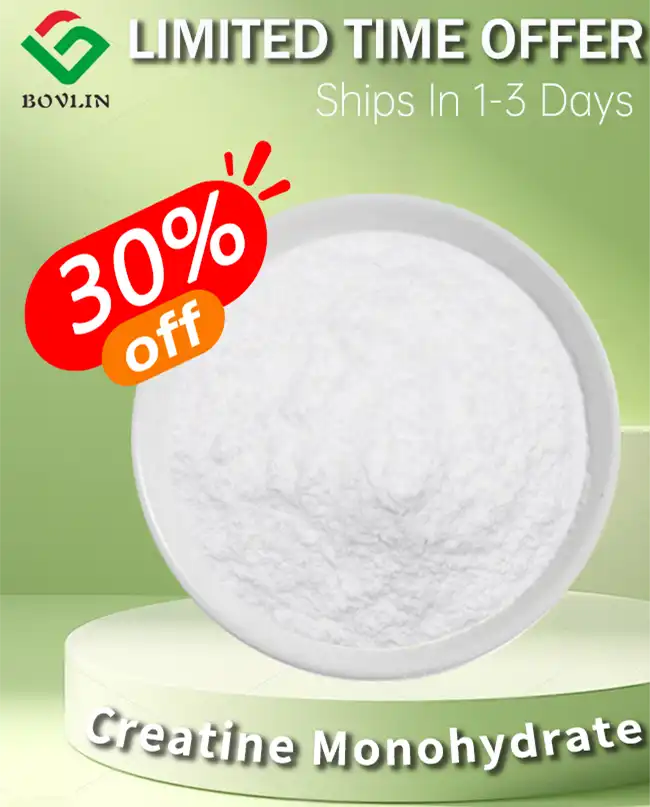
Verifying Supplier Credentials and Capabilities
Trustworthy ingredient partners provide detailed quality documentation and aid with due diligence. Procurement staff should request production site audits, regulatory inspection records, and independent lab test reports in addition to certificates of analysis. Suppliers that are confident in their quality systems welcome this scrutiny because technical openness builds relationships rather than one-time deals. This documentation helps with government filings and store qualifying in established markets.
Beyond basic production, manufacturing talents include modifying particle size, developing mixes, and offering a variety of package options to complement product concepts. Leading suppliers have professional teams for formulation, stability testing, and regulatory preparation. This consulting strategy helps firms develop innovative product offerings or enter new markets if ingredient functioning is distinct from traditional applications. The quality of expert support is often as crucial as the ingredients.
OEM and Private Label Partnership Opportunities
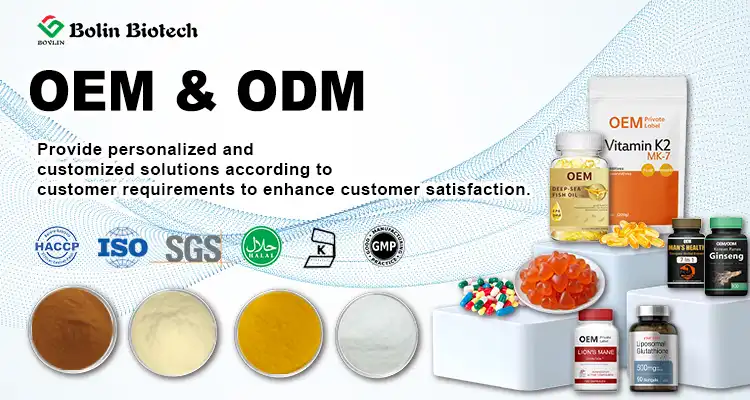
Contract manufacturers and private label producers require flexible minimum order amounts and fast samples. Partnering with ingredient providers who understand the whole nutraceutical development process, from sample to mass production, increases time-to-market and reduces formulation risks. These connections aid when handling several SKUs or seasonal demand, which is common in health and sports nutrition. Suppliers with product control and rapid interaction can help developing businesses adapt.
Key partners stand out from suppliers due to quality consistency and supply reliability, even if the substance is a commodity. Sellers must ensure batch consistency when brands utilize clear labeling and quality promises to gain customer confidence. This constancy offers marketers confidence that their goods function and regulatory teams confidence that compliance will continue. Even if cheaper choices haven't been examined, keeping with one supplier is best when operations are thus stable.
Conclusion
Scientifically proved to increase brain function, muscular performance, and health, pure creatine monohydrate powder continues to establish its usefulness. Companies that create nutraceuticals, medications, and functional foods for health-conscious consumers use it due to its huge clinical data base, favorable safety profile, and low production cost. Strategic sourcing focused on seller quality processes, technical expertise, and regulatory compliance maintains ingredient purity, which boosts the brand's image and delivers end users consistent outcomes across a wide range of formulation applications.
FAQ
Is long-term supplementation with this ingredient safe?
Long-term usage in healthy people is safe, according to years of research. Long-term studies of renal function, liver enzymes, and cardiovascular indicators demonstrate that 3-5 grams per day is safe. Patients with renal issues should see their doctors before taking supplements, but those with healthy kidneys should too.
How quickly can users expect observable results?
Timelines depend on medication dosing and outcomes measurement. When muscle reserves are full, loading stages (20 grams daily for 5–7 days) generally boost strength and activity ability within one to two weeks. Maintenance-only (3-5 grams daily) has the similar benefits after 3–4 weeks. Long-term muscle mass improvements require the correct diet and exercise stimulus. Changes usually occur after 4–8 weeks of consistent usage.
Does this ingredient interact with other supplements or medications?
The material works well with most vitamins, amino acids, and protein powders. Major medication interactions between prominent drugs remain unknown. Clinical data doesn't support theoretical concerns regarding combination with nephrotoxic pharmaceuticals or diuretics, but those who take several medications should discuss it with their doctor. The element can be utilized with caffeine, beta-alanine, and other sports nutrition performance ingredients due to its safety buffer.
Partner with Bolin Biotechnology for Premium Creatine Monohydrate Powder Supply
For over 10 years, Shaanxi Bolin Biotechnology Co., Ltd. has supplied pharmaceutical-grade creatine monohydrate powder to supplement and nutrition firms worldwide. Our material consistently achieves ≥99.9% purity via HPLC analysis, with micronized particle distributions optimized for superior solubility in diverse formulation applications. Our ISO, GMP, and HACCP credentials enable you comply in all overseas markets. As a trusted creatine monohydrate powder manufacturer, we provide flexible minimum order quantities, fast product development samples, and dedicated technical assistance for formulation issues. Contact sales1@bovlin.com to discuss your bulk buying needs and learn how our quality, openness, and customer-focused service can enhance your supply chain and product performance.
References
Kreider, R.B., Kalman, D.S., Antonio, J., et al. (2017). International Society of Sports Nutrition position stand: safety and efficacy of creatine supplementation in exercise, sport, and medicine. Journal of the International Society of Sports Nutrition, 14(1), 18-35.
Cooper, R., Naclerio, F., Allgrove, J., & Jimenez, A. (2012). Creatine supplementation with specific view to exercise/sports performance: an update. Journal of the International Society of Sports Nutrition, 9(1), 33-47.
Buford, T.W., Kreider, R.B., Stout, J.R., et al. (2007). International Society of Sports Nutrition position stand: creatine supplementation and exercise. Journal of the International Society of Sports Nutrition, 4(1), 6-21.
Rawson, E.S., & Volek, J.S. (2003). Effects of creatine supplementation and resistance training on muscle strength and weightlifting performance. Journal of Strength and Conditioning Research, 17(4), 822-831.
Avgerinos, K.I., Spyrou, N., Bougioukas, K.I., & Kapogiannis, D. (2018). Effects of creatine supplementation on cognitive function of healthy individuals: A systematic review of randomized controlled trials. Experimental Gerontology, 108, 166-173.
Antonio, J., Candow, D.G., Forbes, S.C., et al. (2021). Common questions and misconceptions about creatine supplementation: what does the scientific evidence really show? Journal of the International Society of Sports Nutrition, 18(1), 13-29.