_1745226507162.webp)

Difference Between Natural and Synthetic Beta Carotene Powder
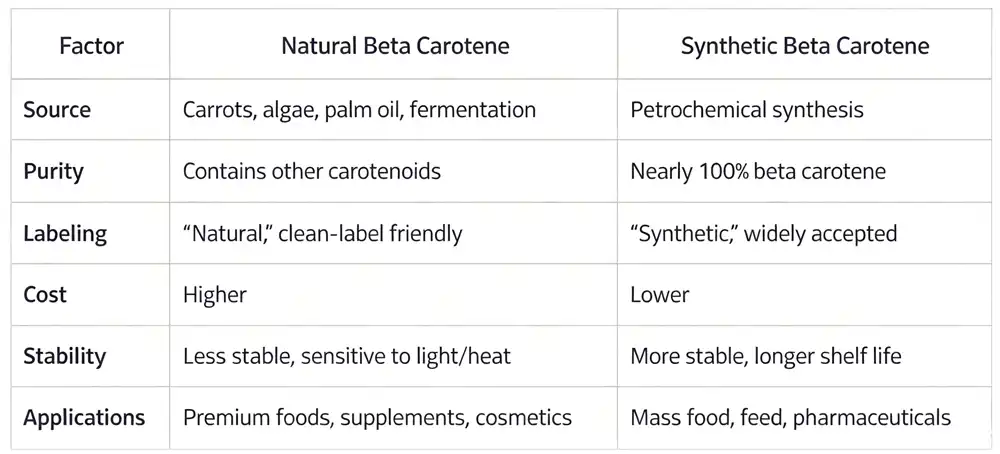
If you want to use beta carotene powder in nutraceuticals, medicines, or functional foods, you need to know the difference between natural and man-made beta carotene powder. Carrots, Dunaliella salina algae, and Blakeslea trispora mushrooms are some of the plants that make that natural beta carotene powder. Alpha-carotene, lutein, and zeaxanthin are some of the carotenoids that it stores. These carotenoids work together. On the other hand, synthetic beta carotene is made chemically from things that come from oil. This process makes all-trans-beta-carotene, which is a steady, single isomeric form that has been used for large-scale production.
Understanding Beta Carotene Powder: Natural vs Synthetic
Depending on how it is made, how complicated the chemicals are, and what it will be used for, beta carotene powder can either be natural or manmade. You can help procurement teams pick raw materials that meet legal needs, client preferences, and technical performance standards if they know about these differences.
Extraction Methods and Source Materials
Natural beta carotene powder comes from natural sources that have been carefully developed. When Dunaliella salina green growth is developed in controlled salty conditions, it stores colors to secure itself from oxidative push. Some time recently the green growth is microencapsulated utilizing spray-drying or beadlet innovation with materials like altered starch or gum arabic, it is collected, its cells are broken up, and it is cleaned. This epitome fixes the molecule's common flimsiness when uncovered to warm, light, and discuss, and it too lets it break up in cold water, which is vital for making drinks and supplements. Blakeslea trispora maturation is an elective way to get beta carotene. It employments controlled microbial development to make the chemical, and the conclusion item has a cleaner flavor than choices made from green growth.
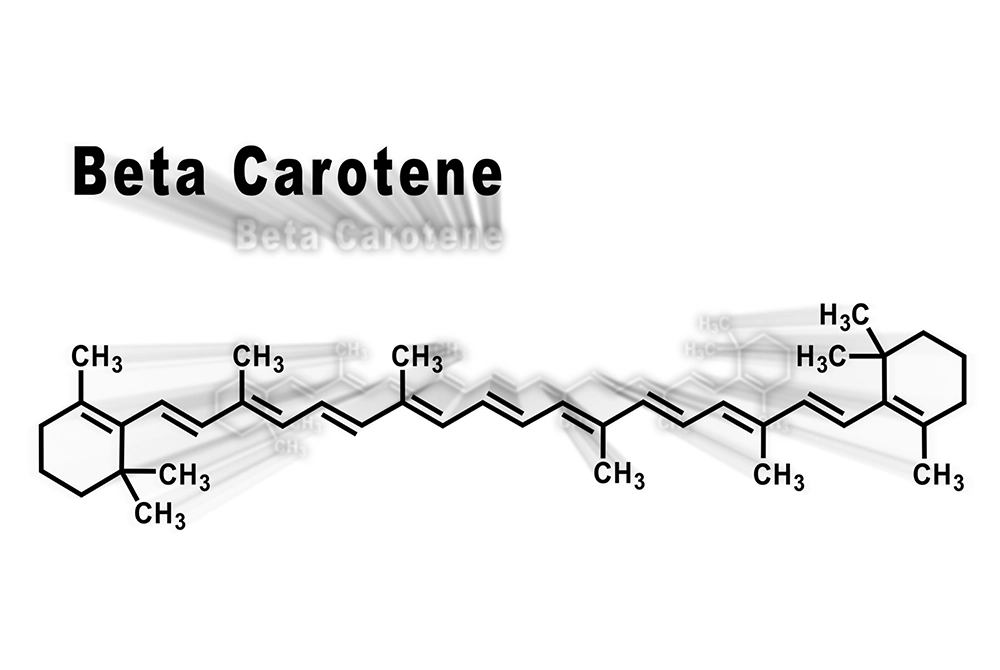
Chemical synthesis, which starts with acetone and other petrochemicals, is used to make synthetic beta carotene. Manufacturers build the C40H56 molecule with precise stereochemistry using a Grignard reaction or Wittig coupling process that takes more than one step. The finished product goes through crystallization, purification, and standardization to make sure it has the same level of potency. In commercial powder forms, the beta carotene amount is usually between 10% and 30%. This controlled method gets rid of the batch-to-batch differences that are common in natural extracts and makes it possible to scale up quickly and cheaply to meet the needs of large businesses.
Chemical Composition and Isomeric Profiles
The chemical design makes a big difference between these two groups. Natural beta carotene powder has many different kinds of carotenoids, with alpha-carotene making up 5–10% of it and small amounts of cryptoxanthin, lutein, and zeaxanthin. Beta carotene makes up about 80% to 90% of the powder. This group of carotenoids works together to provide antioxidant benefits and boost the activity of vitamin A through a number of different conversion routes.
Synthetic beta carotene mostly shows up as the all-trans isomer, with only a small amount of cis-isomers or other carotenoids present. Because the active ingredient stays the same across production lots, this purity makes it easier to figure out dosages and file regulatory paperwork. The molecule structure is chemically the same as the natural one, but it doesn't have the carotenoid matrix to support it, which could change how bioavailable it is and how cells take it up in biological systems.
Sensory Characteristics and Formulation Compatibility
Sensory features affect how well a product is accepted, especially in consumer-facing settings. Natural beta-carotene powder from Dunaliella salina has a mild, earthy smell and taste that come from the algae it comes from. This flavor may need to be hidden in sensitive recipes like sweets or drinks. Sources that have been fermented tend to have better sensory profiles, but they still have some vegetal notes.
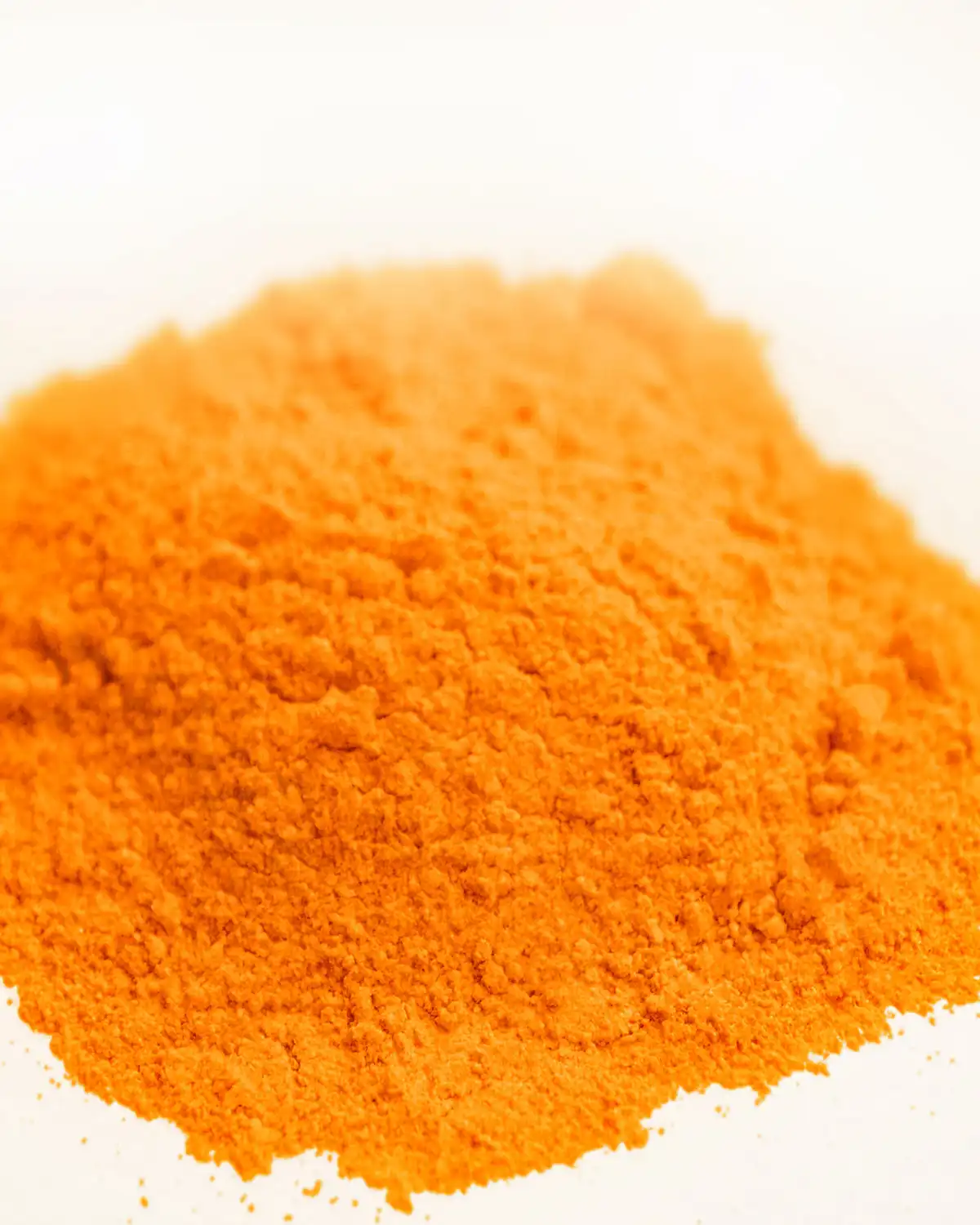
Synthetic beta carotene has neutral organoleptic qualities, which makes it useful for situations where flavor interference needs to be kept to a minimum. Its uniform particle size distribution and consistent color intensity (which ranges from orange to reddish-orange based on concentration) make coloring functional foods, medicines, and cosmetics easier to do over and over again. Both types need careful attention to the technology used for dispersion because unencapsulated carotenoids are hydrophobic, which means they don't like water and can separate or spread out unevenly in water-based mixtures.

Key Comparison Dimensions for B2B Procurement
Choosing the right type of beta carotene powder requires a thorough analysis of a number of purchasing factors. This framework compares things like quality standards, cost structures, following rules, and the operations of the supply chain that have a direct effect on how long it takes to make a product and where it stands in the market.
Quality Standards and Bioavailability Considerations
Natural beta carotene powder usually has better absorption because it is made up of a mix of carotenoids. There are clinical studies that show that cis-isomers and the phytonutrients that go with them may help the body absorb and change retinol in the gut. However, the strength of this effect depends on the formulation matrix and the person's body. This feature makes a big difference for high-end nutraceutical brands that focus on natural origins and balanced nutrition.
Synthetic beta carotene has an exact, measurable level of effectiveness that has been confirmed by HPLC (High-Performance Liquid Chromatography) analysis. For pharmaceutical-grade materials, the purity level always exceeds 95%. The standard composition makes it easier to test for stability, guess how long something will last, and send legal documents to the FDA and EMA. Quality control procedures check for heavy metals, microbes, and the amount of leftover solvent. These are all very important for pharmaceutical API (Active Pharmaceutical Ingredient) uses that need to follow USP or EP monographs.
Advanced microencapsulation techniques are good for both groups. Cold water dispersible (CWD) versions solve the main problem of carotenoid hydrophobicity, which lets them be evenly mixed into capsules, tablets, and liquid supplements without separating the oil or making them ring. When looking at suppliers, making sure they give you detailed Certificates of Analysis (CoAs) that show assay values, moisture content (usually less than 5%), particle size distribution, and oxidative stability parameters is the best way to make sure you get materials that meet strict production requirements.
Cost Analysis and Economic Viability
When making B2B sourcing choices, budget is still the most important thing to think about, especially for manufacturers with small profit margins or who serve price-sensitive market segments. The high price of natural beta carotene powder is due to the high costs of growing it, extracting it, and getting it certified as organic. When consumers' willingness to pay for "clean label" goods is taken into account, the economic equation changes. This is because health-conscious consumers are driving market share growth.
Synthetic alternatives offer economies of scale that can be reached through chemical production processes that run all the time. These cost savings are used to their fullest when buying in bulk for large-scale tasks like adding vitamins to animal feed, making multivitamins for the mass market, or coloring food for industrial use. The total cost of ownership includes more than just the price of the raw materials. It also includes the costs of keeping an inventory, reducing waste through stable supply, and lowering the risk of supply disruptions that come with using agricultural ingredients that are sensitive to changes in climate and failed crops.
Strategic procurement teams look at these trade-offs using lifecycle cost modeling, which takes into account formulation stability, the amount of extra that is needed to make up for degradation, and the cost of reformulating the product if suppliers or specs change. This way of looking at things keeps short-term cost saves from hurting long-term product consistency and following the rules.
Regulatory Compliance and Certification Frameworks
The governing environment has a big impact on the choice of pure beta carotene powder. Natural varieties that come from non-GMO sources and are grown using organic farming methods can get USDA Organic, EU Organic, and other similar certifications that let them reach higher-end market groups. These certifications need detailed supply chain paperwork, the ability to track products from the source to the finished product, and third-party verification. This makes things more complicated, but it gives brands that focus on transparency and sustainability stories a competitive edge.
There are different rules for synthetic beta carotene. In the US, it is usually regulated by FDA 21 CFR 73.90 for food additives or pharmaceutical ingredient papers. Although they don't make any "natural" promises, synthetic materials are easy for regulators to understand because they have been used commercially for decades and have a lot of well-established safety data. The lack of farming variability makes testing batches easier and speeds up the time it takes to get new products on the market.
Buyers need to make sure that the certification standards are in line with the needs of the target markets. The Japanese Food Sanitation Law, California's Proposition 65, and Canada's Natural Health Product laws all have specific rules about paperwork and how pure food must be. Working with suppliers who have ISO 9001, ISO 22000, GMP, and HACCP certifications lowers the risk of not following the rules and makes sure that the company is ready for audits, which is very important for companies that make medicines and supplements that are inspected by regulators on a regular basis.
Packaging and International Logistics Management
Supply chain resilience depends a lot on how well the packaging is done and how well the operations are coordinated. Beta carotene powder needs to be kept away from light, water, and air so that it stays effective for as long as it's stored. Natural types are especially sensitive, and to keep them from going bad during trans-oceanic shipping, they often need multi-layer bags lined with aluminum, nitrogen flushing, and desiccant added.
When stored in the same settings, synthetic beta carotene powder usually stays stable longer, which means there are more ways to package it and it doesn't need to be kept in a cold chain as long. Less sensitivity means lower insurance costs, less product loss during transit, and longer usable shelf life after delivery. These are all real benefits for manufacturers who use just-in-time inventory systems.
Harmonized tariff classifications, accurate customs paperwork, and temperature-controlled logistics for sensitive shipments are all things that need to be thought about when doing international trade. Getting to know suppliers that offer combined shipping, flexible minimum order quantities (MOQ), and ideally placed warehouses in key markets like the US, EU, and Asia-Pacific cuts down on wait times and transportation costs. These organizational improvements are especially useful when there are problems in the supply chain or when you need to react quickly to changes in demand that you didn't expect.
Choosing Between Natural and Synthetic Beta Carotene Powder: A Buyer's Guide
Instead of strongly favoring one variant over another, sourcing decisions should be based on the unique needs of the application. For each type of market, you need a unique strategy that balances technical performance, cost constraints, and customer standards.
Application-Driven Selection Strategies
The marketing advantages of natural beta carotene are advantageous for high-end nutraceutical brands aimed at health-conscious customers. People who want supplements with little processing and are willing to pay more for what they think is better quality respond well to the "whole food" stance. Algae-derived carotenoids, organic certification, and non-GMO verification are used in formulas to address customer concerns about synthetic additives and support higher margin potential.
Synthetic beta carotene is preferred by pharmaceutical companies making therapeutic formulations or over-the-counter (OTC) goods because it is easy to regulate, comes in precise dosages, and has consistent pharmacokinetics. Getting rid of possible allergens or contaminants in biological source materials makes it easier to plan clinical trials and get regulatory approval. When making APIs for prescription drugs or trying to get orphan drug designations, the purity and consistency of synthetic versions are very important.
When making useful foods and drinks, it can be hard to find the right balance between wanting to use clean labels, staying within budget, and making sure the products work technically. Natural beta carotene powder meets the need for chemicals that people can recognize, but it needs advanced formulation skills to get around problems with solubility and keep the color from fading over time. Synthetic alternatives offer strong coloring and added vitamin A at reasonable prices that make them perfect for selling to a large group of people through retail channels.
When choosing carotenoid actives, people who make cosmetics and personal care products put skin bioavailability and antioxidant effectiveness at the top of their lists. Natural beta carotene powder can help your business stand out by using plant origin claims and synergistic carotenoid profiles that support anti-aging claims. For makeup applications, synthetic materials give uniform color payoff and stability, even when mixed with difficult formulation environments like emulsions, high pH levels, or botanical extracts.
Supplier Evaluation and Risk Mitigation
To find trustworthy beta carotene powder providers, you need to do more than just compare prices. The criteria for evaluation should include the ability to manufacture, the maturity of quality systems, the history of regulatory compliance, and the technical support infrastructure that will help the partnership succeed in the long run.
Some important things that are used to judge a product are facility certifications that show it meets cGMP (current Good Manufacturing Practices) standards, tested analytical methods for identity and purity, and recorded stability studies that back up expiration dates. By asking third-party certification groups to audit a building, you can get objective proof of operational excellence and a culture of quality. Suppliers who have worked with regulated industries before usually have strong change control systems, deviation investigation processes, and systems for continuous improvement that keep things running smoothly.
Having a supplier base that is spread out geographically lowers the risk of concentration that comes with regional disruptions caused by things like natural disasters, changes in regulations, or political issues. Having a list of qualified backup sources and approved materials on hand lets you respond quickly to sudden shortages without lowering the quality of the product. Framework agreements with volume commitments and flexibility clauses that are well-balanced protect against price changes while keeping operational flexibility.
Superior sellers are different from commodity vendors because they offer technical service capabilities. Access to formulation scientists who know about the chemistry of carotenoid stability, regulatory experts who know about the rules for global ingredient registration, and applications labs that can make prototypes adds a lot of value on top of providing raw materials. These partnerships shorten the time it takes to come up with new ideas and lower the cost of reformulating goods when going into new markets or responding to pressures from competitors.
Conclusion
When choosing between characteristic and synthetic beta carotene powder, it is vital to think approximately the specialized needs, advertise situating, administrative environment, and fetched limitations that are one of a kind to each application. Characteristic forms have benefits like clean names, complicated carotene profiles, and offer to health-conscious bunches. Engineered forms, on the other hand, are reliable, adaptable, and cost-effective for high-volume employments. Fabric choices that are in line with brand values and client guidelines are portion of effective obtainment techniques. Expanding provider connections too makes a difference keep the supply chain solid. As client inclinations move toward maintainability and openness, producers can remain ahead of the competition in worldwide markets that are continuously changing by working with providers who appear they can give high-quality items that take after all rules and are on the cutting edge of modern innovation.
FAQ
Can natural and synthetic beta carotene be used interchangeably in formulations?
While both serve as provitamin A sources and colorants, direct substitution requires reformulation validation. Natural beta carotene contains mixed carotenoids affecting color hue and stability profiles differently than pure synthetic isomers. Regulatory labeling also differs—natural sources allow "beta carotene (from algae)" declarations appealing to clean-label preferences, whereas synthetic materials require "beta carotene (color)" or similar designations. Testing for color matching, oxidative stability, and organoleptic compatibility must precede any formulation changes to ensure product consistency.
What documentation should buyers request to verify beta carotene powder authenticity?
Comprehensive documentation packages include Certificates of Analysis specifying assay values via HPLC, moisture content, particle size, microbial testing, and heavy metal screening. Certification copies (organic, non-GMO, ISO, GMP) verify supplier claims, while batch manufacturing records demonstrate process control. For natural variants, botanical source identification through microscopy or DNA barcoding confirms species authenticity. Synthetic materials benefit from spectroscopic fingerprinting comparing absorption spectra against reference standards. Requesting these documents upfront establishes quality expectations and supplier accountability.
How does microencapsulation technology impact beta carotene powder performance?
Microencapsulation fundamentally transforms carotenoid functionality by protecting the lipophilic molecule within hydrophilic matrices like modified starch or gelatin. This technology addresses oxidative instability, enables cold water dispersibility critical for beverage applications, and controls release rates in targeted delivery systems. Spray-drying and fluidized-bed coating represent common encapsulation methods, each offering distinct particle characteristics. Properly encapsulated beta carotene maintains potency throughout shelf life and withstands processing stresses (heat, pH extremes, shear forces) that would rapidly degrade unprotected carotenoids.
Partner With Bolin Biotechnology for Premium Beta Carotene Powder Solutions
Bolin Biotechnology specializes in high-quality beta carotene powder manufacturing, combining advanced extraction technologies with rigorous quality control systems certified to ISO, GMP, and HACCP standards. Our product portfolio spans both natural Dunaliella salina-derived and microencapsulated synthetic beta carotene powder variants, offering flexible solutions tailored to nutraceutical, pharmaceutical, and functional food applications. With stable assay levels, comprehensive documentation packages, and responsive technical support, we address the complex procurement challenges facing today's formulation teams.
Located in Shaanxi Province with established global distribution networks, we provide competitive bulk supply options and customizable private-label services. Our R&D team collaborates closely with clients to optimize formulations for stability, bioavailability, and regulatory compliance across diverse markets. Contact our procurement specialists at sales1@bovlin.com to request samples, technical specifications, and quotations. As a trusted beta carotene powder supplier, we deliver the consistency and reliability your production schedules demand while supporting your brand's quality commitments and market differentiation strategies.
References
Rodriguez-Amaya, D.B., & Kimura, M. (2019). HarvestPlus Handbook for Carotenoid Analysis: A Technical Manual for Color Measurement and Provitamin A Quantification. International Food Policy Research Institute.
Stahl, W., & Sies, H. (2018). β-Carotene and other carotenoids in protection from sunlight. American Journal of Clinical Nutrition, 96(5), 1179S-1184S.
Priyadarshani, A.M.B. (2017). A review on factors influencing bioaccessibility and bioefficacy of carotenoids. Critical Reviews in Food Science and Nutrition, 57(8), 1710-1717.
European Food Safety Authority (EFSA). (2020). Re-evaluation of β-carotene (E 160a(i), (ii), (iii)) as a food additive. EFSA Journal, 18(11), e06347.
Mares, J.A., & Larowe, T.L. (2016). Carotenoid interventions and age-related macular degeneration prevention. Current Nutrition Reports, 5(3), 215-225.
Craft, N.E., & Soares, J.H. (2020). Relative solubility, stability, and absorptivity of lutein and β-carotene in organic solvents. Journal of Agricultural and Food Chemistry, 68(5), 1381-1395.


_1780035065210.webp)