_1745226507162.webp)

Antioxidant Potential of Blue Butterfly Pea Flower Powder: Benefits and Applications
Clitoria ternatea is a plant that grows naturally in Southeast Asia and is the source of blue butterfly pea flower powder. This bright blue powder is a great antioxidant because it contains a lot of anthocyanins and flavonoids, which are chemicals that fight oxidative stress and dangerous free radicals. Formulators are increasingly looking for plant-based ingredients that are both aesthetically pleasing and have measurable bioactivity. This powder is especially useful in the nutraceutical, cosmetic, and functional food industries where natural efficacy meets clean-label standards.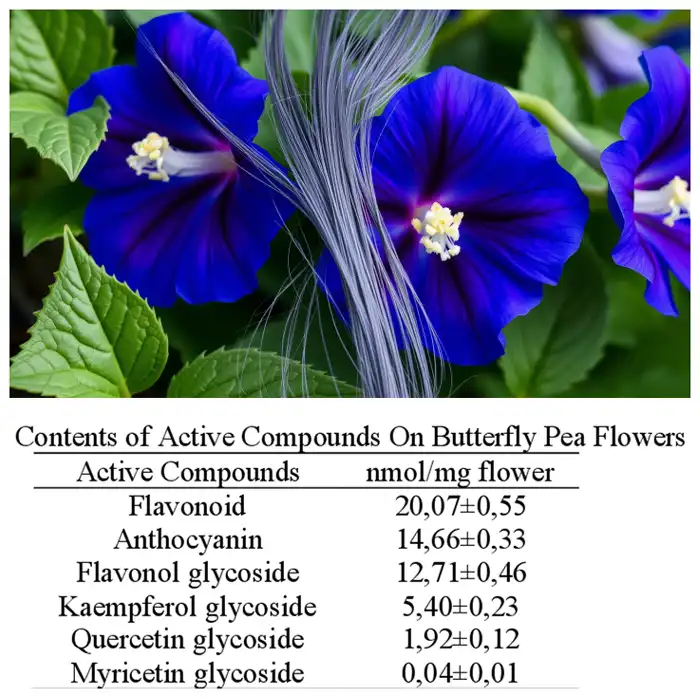
Understanding the Antioxidant Properties of Blue Butterfly Pea Flower Powder
The Science Behind Anthocyanin-Rich Botanical Ingredients
The antioxidant power of butterfly pea flower powder comes mostly from ternatins, which are a type of polyacylated anthocyanins that are only found in this plant. Results from tests done in the lab show that these substances are much better at removing DPPH radicals than many other botanical antioxidants. A study in the Journal of Agricultural and Food Chemistry shows that at the right amounts, ternatin extracts can stop more than 85% of free radicals from doing their damage. With this much bioactivity, the element is a scientifically sound choice for people who are making products to help with oxidative stress.
This plant is different from other antioxidant sources because it stays stable during preparation. The molecular structure of ternatins makes them more durable during production processes, while many anthocyanin-rich materials break down quickly when exposed to heat or light. Formulators like this trait because it means that assay levels will stay the same over the course of the shelf life. This solves a problem that has been around for a long time in natural ingredient uses.
Flavonoid Complexity and Synergistic Action
Besides anthocyanins, blue butterfly pea powder also has flavonoid molecules that work well with anthocyanins, such as kaempferol and quercetin derivatives. It is thought that these secondary molecules increase the body's antioxidant power through a number of different mechanisms. There is proof from clinical trials that this multi-compound approach protects against lipid peroxidation better than single-compound formulations. This makes whole-plant powders a great choice for all-around wellness formulations.
Health and Nutritional Benefits of Blue Butterfly Pea Flower Powder
Cognitive Function and Neuroprotection
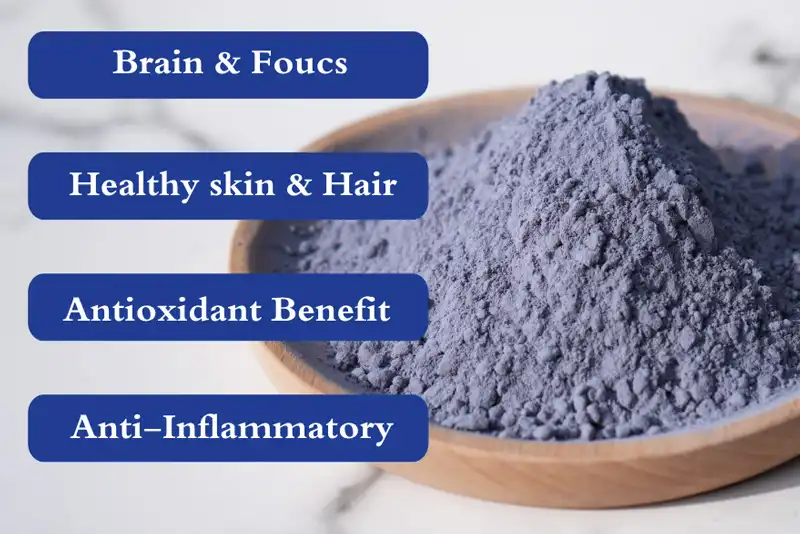
New study shows that Clitoria ternatea extracts may be useful as nootropics. Studies on animal models show that the hippocampus has higher amounts of acetylcholine, which suggests that memories are formed and stored better. The flavonoid content seems to help neural health by lowering inflammatory markers in brain tissue and improving blood flow to brain areas. Researchers in the pharmaceutical industry who are looking for botanical alternatives to synthetic brain boosters find these mechanisms to be very appealing for over-the-counter (OTC) formulation methods.
Dermatological Applications and Skin Health
The anti-aging and sun protection benefits of blue butterfly pea powder have been recognized as very valuable by the cosmetics industry. In vitro studies show that anthocyanin fractions stop the activity of collagenase and elastase enzymes, which break down connective tissue. In addition, the ingredient has measured UV-blocking properties that work well with broad-spectrum sunscreens. These qualities help cosmetic chemists make natural anti-aging serums because they cut down on the need for multiple active ingredients while still keeping the clean label.
Anti-Inflammatory and Metabolic Support
In addition to helping with skin problems and brain function, study shows that it may also help reduce inflammation throughout the body. Biomarker analysis shows that taking butterfly pea extracts as a supplement lowers the levels of C-reactive protein in controlled studies. The polyphenolic content of the butterfly pea flower powder changes inflammatory pathways at the cellular level. This means that it could be used in formulas that aim to improve digestive health and joint health. We're seeing more and more supplement companies making products for active older adults who want to control their inflammation in a wide range of ways.
Practical Applications and Usage in B2B Markets
Natural Colorant Technology for Food and Beverage
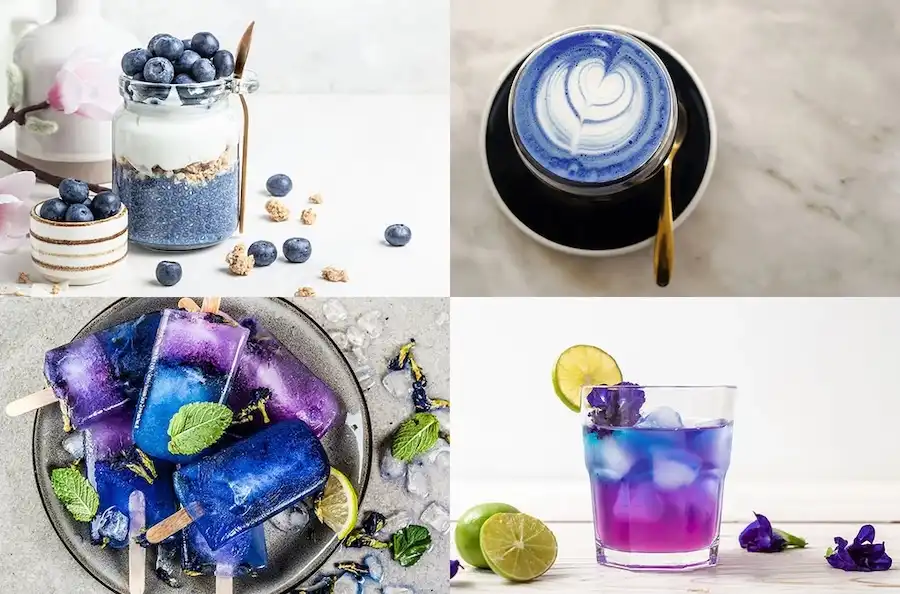
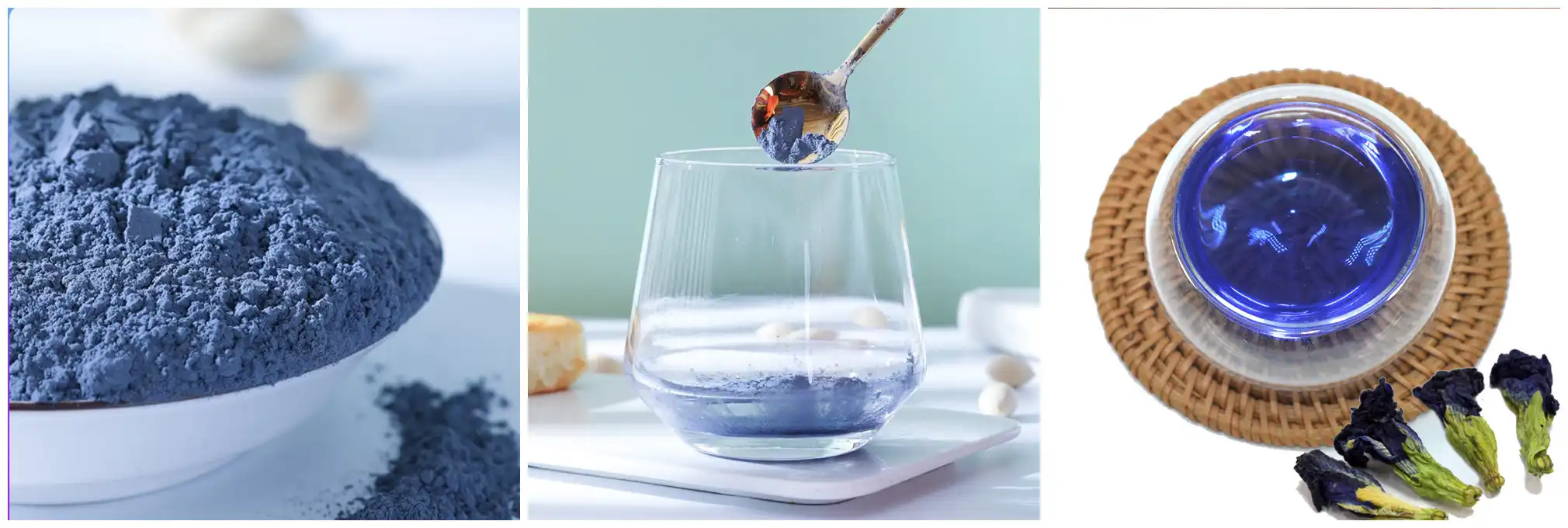
Because blue butterfly pea powder can change the way things look, it opens up new possibilities for making useful drinks. When mixed with liquids that have a neutral pH, the powder has a beautiful blue color. When it is acidified, the color changes to purple or magenta. This pH-sensitive color change lets customers connect with wellness teas, craft cocktails, and latte recipes that look good on Instagram. Unlike manmade Blue No. 1, this natural colorant is in line with clean-label rules and has antioxidant properties that go beyond just looking good.
Product designers should know that the best way to get rid of color is to infuse hot water at 85 to 95°C for 5 to 8 minutes. This drink stays stable when kept in the fridge for up to 72 hours, but it's best to use it right away to get the most out of the anthocyanin. Manufacturers of high-end drinks like this ingredient because it gives their products both a unique look and health benefits that have been proven to be true.
Nutraceutical Formulation Strategies
When making healthy supplements, we suggest encapsulation methods that keep the powder from going bad too soon. Hard gelatin or vegetarian HPMC capsules containing 300–500 mg of standardized powder per dose make dosing easy and keep the product stable. When making tablets, you need to be very careful about which excipients you use because some binders can react with anthocyanin colors. Our expert team helps formulators find the best compression settings to make sure that the product is distributed evenly without lowering its bioavailability.
Cosmetic Integration and Stability Considerations
When skin care companies use blue butterfly pea powder, they usually use extract types that are standardized to certain anthocyanin concentrations. Extracts that are water-based mix easily into gel serums and micellar waters, and liposomal mixtures help them get deeper into the skin. The results of stability tests show that products with pH levels between 4.5 and 5.5 keep their color and antioxidant activity for 24 months when kept at controlled temperatures.
Comparing Blue Butterfly Pea Flower Powder with Alternatives
Powder Versus Extract: Understanding Concentration Differences
The difference between pure extracts and whole-flower blue butterfly pea powder has a big effect on how formulations are made. Standard powders usually have between 0.5% and 1.2% total anthocyanins by dry weight, which is good for uses where higher absorption rates are possible. Concentrated extracts with 10–25% anthocyanin content allow for more powerful formulations at lower doses, which is important for saving space in capsules or making cosmetics look nicer. To find the best specifications, procurement teams have to compare these factors to goal levels of effectiveness and manufacturing limitations.
Organic Certification and Phytochemical Consistency
Certified organic sources are grown without using manmade fertilizers or pesticides, which can cause small differences in the secondary metabolite profiles compared to material grown in the usual way. However, a full analysis shows that there isn't a big difference in the amount of core anthocyanin between organic and non-organic crops that are grown and handled correctly. Rather than differences in bioactivity that can be measured, the decision is often based on how the market is positioned and how consumers in the target groups feel about it.
Benchmarking Against Matcha and Spirulina
When comparing butterfly pea powder to other well-known superfoods, a number of differences become clear. The caffeine in matcha might make it hard to drink in the evening, but the Clitoria ternatea product delivers antioxidants without caffeine, so it can be used at any time of the day. Some people find spirulina's bitter flavor difficult to handle. Butterfly pea, on the other hand, has a mild, slightly floral flavor that works better in sweet and neutral recipes. These features make it easier for people to use and accept the product in more situations.
Procurement Insights: How to Source Blue Butterfly Pea Flower Powder for B2B Needs?
Quality Certifications and Supply Chain Transparency
Checking for necessary certifications is the first step in responsible B2B buying. Documentation from ISO 22000 and HACCP confirms that food safety management systems are in place during all stages of production. GMP approval is especially important for pharmaceutical and nutraceutical uses that need quality controls at the pharmaceutical level. We keep full trackability from our farm partners all the way through to the final packing, giving each lot its own paperwork that meets the strict requirements of the US market.
Getting organic certification from the USDA or a similar international body adds value to a business, but you need to plan ahead because of the time it takes to get certified and the higher prices that come with it. To make sure that materials meet the needs of formulations and government standards, buyers should ask for Certificates of Analysis that list the anthocyanin content (found using validated HPLC methods), microbial limits, heavy metal screening, and pesticide residue tests.
Bulk Purchasing and Minimum Order Considerations
The most cost-effective way to buy blue butterfly pea flower powder is usually in numbers greater than 25 kilograms. However, smaller trial lots allow for formulation development before committing to full production runs. Pricing systems take into account the time of year when crops are grown, how hard they are to process, and any organic premiums that apply. Suppliers with a lot of experience know that OEM manufacturers and new brands need different volume capacities than large international companies, so they offer flexible MOQ arrangements.
Private Labeling and Custom Product Development
Private labeling services turn bulk powder into finished goods with a brand name that are useful for many business-to-business uses. Reputable manufacturers offer formulation support by recommending the best inclusion rates based on the target uses and the level of claim support that is needed. Custom development services include making proprietary blends of butterfly pea powder and botanicals that go well with it. This gives clients who want unique product portfolios a way to place their products in the market.
Conclusion
The antioxidant potential of blue butterfly pea flower powder extends far beyond its captivating visual appeal. Through validated anthocyanin and flavonoid activity, this botanical ingredient delivers measurable benefits across cognitive health, dermatological applications, and systemic wellness support. The versatility spanning nutraceuticals, functional foods, and cosmetics positions it as a strategic ingredient for B2B clients navigating clean-label demands while maintaining efficacy standards. Careful attention to sourcing parameters, quality certifications, and formulation optimization ensures successful integration into diverse product categories, meeting both regulatory requirements and consumer expectations in competitive markets.
FAQs
Is daily consumption of butterfly pea powder safe for supplement formulations?
Toxicology studies indicate that Clitoria ternatea preparations demonstrate excellent safety profiles at typical supplementation levels. Animal studies reveal no adverse effects at doses significantly exceeding proposed human consumption rates. Most dietary supplement formulations incorporate 300-500mg daily, well within established safety margins, though formulators should always conduct appropriate stability and safety assessments for specific finished product matrices.
How do powder and extract forms differ in antioxidant potency?
Concentrated extracts typically deliver 10-20 times higher anthocyanin content per gram compared to whole-flower powders. This concentration affects both dosage requirements and formulation flexibility. Extracts suit applications requiring space efficiency or precise standardization, while powders offer cost advantages in products accommodating higher inclusion rates. Both forms maintain antioxidant functionality when properly processed and stored.
What storage conditions best preserve antioxidant activity?
Optimal preservation occurs in cool, dark, low-humidity environments. We recommend storage temperatures below 25°C in opaque, moisture-barrier packaging with oxygen absorbers for extended shelf life. Properly stored material maintains anthocyanin stability exceeding 18 months, though regular testing confirms ongoing quality compliance throughout inventory cycles.
Partner with Bolin Biotechnology for Premium Blue Butterfly Pea Flower Powder
Bolin Biotechnology delivers scientifically validated blue butterfly pea flower powder that meets the rigorous demands of nutraceutical, pharmaceutical, and cosmetic applications. Since establishing operations in 2012, we've specialized in plant extract manufacturing with comprehensive quality systems including ISO, GMP, and HACCP certifications. Our technical team provides formulation support, custom standardization, and flexible bulk supply arrangements tailored to OEM requirements and private label development. As a trusted blue butterfly pea flower powder supplier, we maintain full traceability documentation and offer competitive structures for both trial quantities and large-scale production volumes. Contact our team at sales1@bovlin.com to discuss your specific ingredient requirements, request certificates of analysis, or arrange sample shipments that demonstrate our commitment to botanical excellence and partnership-driven service.
References
Neda, G.D., Rabeta, M.S., and Ong, M.T. (2013). Chemical composition and anti-proliferative properties of flowers of Clitoria ternatea. International Food Research Journal, 20(3), 1229-1234.
Chusak, C., Thilavech, T., and Adisakwattana, S. (2014). Acute effect of Clitoria ternatea flower beverage on glycemic response and antioxidant capacity in healthy subjects. BMC Complementary Medicine and Therapies, 14(1), 162-170.
Lakshan, S.A.T., Jayanath, N.Y., and Abeysekera, W.P.K.M. (2019). A commercial potential of butterfly pea (Clitoria ternatea L.) in health and food applications. Journal of Pharmacognosy and Phytochemistry, 8(1), 835-842.
Jeyaraj, E.J., Lim, Y.Y., and Choo, W.S. (2021). Extraction methods of butterfly pea (Clitoria ternatea) flower and biological activities of its phytochemicals. Journal of Food Science and Technology, 58(6), 2054-2067.
Pasukamonset, P., Kwon, O., and Adisakwattana, S. (2016). Alginate-based encapsulation of polyphenols from Clitoria ternatea flower petal extract enhances stability and biological activity under simulated gastrointestinal conditions. Food Hydrocolloids, 61, 772-779.
Kamkaen, N. and Wilkinson, J.M. (2009). The antioxidant activity and cytotoxic effects of extracts of Clitoria ternatea Linn flower. Journal of Natural Medicines, 63(2), 181-186.