_1745226507162.webp)

Lutein Powder Or Zeaxanthin Powder, Which Is Better?
When making eye health pills or useful foods, people often want to know which is better: lutein powder or zeaxanthin powder? How to answer this question relies on the goals and uses of your product. Lutein powder usually has the most market share because it has more of the macular pigment and is easier to get from extracting marigold flowers. But zeaxanthin protects the center macula from damage caused by blue light in a way that no other substance does. For most B2B products, the best results come from using both carotenoids together in a way that works like they do naturally in human eye tissue and boosts antioxidant defense.
Understanding Lutein Powder and Zeaxanthin Powder Chemical Nature and Natural Sources
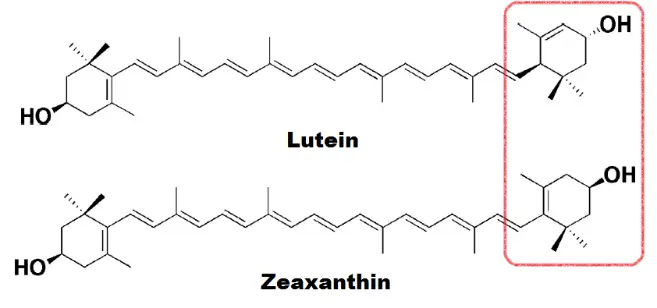
Both of these carotenoids are xanthophylls, but their chemical structures are slightly different in where their hydroxyl groups are located. Lutein and zeaxanthin are naturally found in some foods and dark leafy greens like kale, spinach, corn, and collard greens. The most important market source is marigold flowers (Tagetes erecta), which have very high amounts of these bioactive chemicals. The flowers give off oleoresin that is high in lutein esters. This is then saponified and cleaned to make standard powders.
Antioxidant Capabilities and Visual Protection
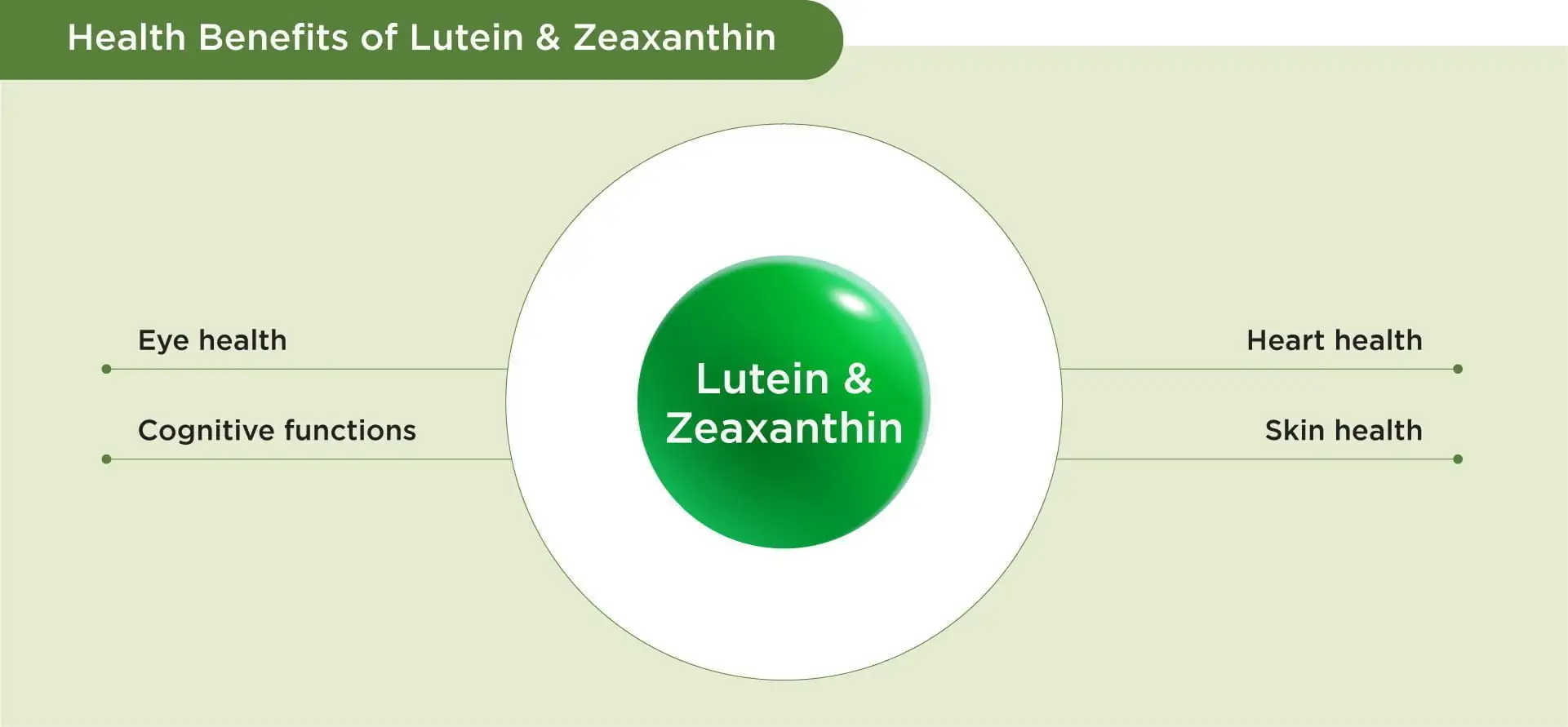
These carotenoids build up in the macula lutea of the human eye, where they make macular pigment, which blocks dangerous high-energy visible (HEV) blue light. This screening system lowers reactive stress on photoreceptor cells, which might make age-related macular degeneration (AMD) and cataracts less likely. A study in the Archives of Ophthalmology shows that eating more of these compounds is linked to a lower risk of AMD. This means that these compounds can be used in eye health products with confidence.
Extraction and Manufacturing Process
To get crude oleoresin from dried marigold leaves today, supercritical CO2 or solvent-based methods are used for extraction. After that, saponification gets rid of the fatty acid esters, leaving free lutein and zeaxanthin. To keep these light-sensitive and oxygen-reactive chemicals stable, advanced makers use microencapsulation technologies to make beadlets or cold-water-dispersible (CWD) powders. This processing has an immediate effect on the shelf life, absorption, and packaging flexibility of the product. The ratios of lutein to zeaxanthin in natural extracts are usually about 5:1, which is similar to what you would find in food. However, manmade production lets you change the ratios.
The difference between natural and manufactured forms has big effects on how things are regulated. In markets that need clean labels, natural extracts are usually easier to get approved by regulators. On the other hand, synthetic versions offer better regulation and lower costs for medicinal uses that need to meet specific pharmacopeia standards.
Lutein Powder vs Zeaxanthin Powder – Key Comparisons for Procurement Decisions
Molecular and Nutritional Differences
Even though they have similar structures, lutein has one hydroxyl group on its ionone ring system that is not in the same place as zeaxanthin's. This small difference affects where they are found in the retina: zeaxanthin is mostly found in the central fovea, while lutein is mostly found in the periphery macular areas. Their solubility is a little different, with zeaxanthin slightly better at being absorbed in some delivery methods. But the way they work together is more important than any of their individual qualities. They boost macular pigment optical density (MPOD).
Clinical Evidence Supporting Health Benefits
Multiple peer-reviewed studies confirm that they guard against eye fatigue, which is especially important since people are spending more and more time in front of screens. The Age-Related Eye Disease Study 2 (AREDS2) specifically looked at the benefits of supplements and confirmed that taking 10 mg of lutein and 2 mg of zeaxanthin every day lowered the chance of AMD getting worse. These doses are now used as standards for making supplements in the business. More than just being good for your eyes, new study suggests that both carotenoids may also help your brain. This is because they build up in brain tissue and may protect nerve lipids from oxidative damage.
Product Format Considerations
Powder types give supplement makers the most options because they can be precisely dosed in pills, tablets, or sachets. Because raw carotenoids are naturally sensitive to oxidation, marigold extract powders with protective materials keep them stable during processing and storage.
Softgels can hold oil mixtures of lutein and zeaxanthin, which makes them easier for the body to absorb. This style works well for high-potency mixtures meant for therapeutic uses, but it needs special tools for encapsulation.
Cold-water-dispersible technology is used to make dispersions that work with drinks. This makes it easier to add lipophilic actives to water-based systems. This new idea opens up more uses, like in functional drinks, protein shakes, and enriched waters.
Which style to use relies on the interests of the target market, the ability to manufacture, and the bioavailability profiles that are wanted. Powder types are usually the most cost-effective way to get a lot of something while still letting you be flexible with the recipe.
Quality Control and Certification Requirements
When making purchases, companies must give more weight to suppliers with complete quality systems. Nutraceutical uses must meet basic standards like ISO 22000, GMP approval, and HACCP compliance. Organic certification (USDA Organic, EU Organic) gives you more chances to stand out, but you need to keep full records of the whole supply chain, from growing the crops to extracting the oils. Third-party testing that confirms identity, strength, and the lack of contaminants (like pesticides, heavy metals, and microbial limits) protects against supply chain risks that could hurt a brand's image or legal standing.
Procurement Guide: How to Choose the Best Lutein or Zeaxanthin Powder Supplier
Essential Supplier Evaluation Criteria
Clear insight into the supply chain is the first step to reliable buying. Look into whether possible sellers work directly with marigold growers or rely on traders to act as middlemen. Direct buying usually means better batch stability and being able to track down the source. Ask for certificates of analysis (COA) for the most recent production batches to make sure that the level of standardization stays the same across multiple lots. For accurate measurement of carotenoids, analytical methods should use HPLC (High-Performance Liquid Chromatography), since spectrophotometric methods aren't detailed enough.
Find out how the provider extracts the material and keeps the quality. Advanced makers use nitrogen blanketing during processes, packaging that blocks light, and cold storing to keep things from going bad. There is a direct link between these practices and how stable and long-lasting final formulations are.
Bulk Purchasing and MOQ Flexibility
Different suppliers have very different minimum order amounts. For specialty suppliers, it can be as little as 25 kg, while for commodity-focused businesses, it can be several metric tons. OEM makers and smaller brands benefit when sellers offer flexible MOQ terms. This lets them test new products on the market without having to commit to too much inventory. Volume pricing models usually give price breaks at 100 kg, 500 kg, and 1000 kg or more. However, buying managers should weigh the saves in unit costs against the costs of keeping inventory and the risk of it going bad.
Value-Added Services for Product Differentiation
Progressive providers do more than just provide basic materials; they also offer manufacturing support that includes improving bioavailability, making sure the product is stable, and helping with legal paperwork. Custom mixing services let you make your own lutein:zeaxanthin ratios that are perfect for your health claims or target audience. With private labeling, OEMs and wholesalers can create branded ingredient names that set their businesses apart in the market. To shorten the time it takes to make a new product, technical teams should check with providers to see if they offer formulation compatibility testing, faster stability studies, and help with regulatory dossiers.
Optimizing Use and Safety of Lutein and Zeaxanthin Powders
Evidence-Based Dosage Recommendations
Based on the results of AREDS2, standard dosage guidelines say that people should take 10–20 mg of lutein and 2–4 mg of zeaxanthin every day from marigold extract powder to keep their eyes healthy. In functional food uses, smaller concentrations (2–5 mg per serving) are usually used to balance cost with effectiveness. Pharmaceutical products meant to help with therapy may use bigger doses when supervised by a doctor. Dosage goals should be in line with how the product is supposed to be positioned in the procurement specs. For example, preventative wellness supplements and therapeutic interventions have different concentration requirements and supporting clinical paperwork needs.
Safety Profile and Contraindications
Both carotenoids have good safety profiles, and there are no known higher intake values that are too high. A lot of toxicology studies have shown that there are no negative effects, even at supplement amounts that are many times higher than what is suggested. Minor carotenodermia, or yellowing of the skin, can happen at very high doses, but it goes away when the dose is lowered and doesn't hurt the body. There have been no reports of any major drug problems, but people who take medicines that lower lipids should talk to their doctors because these drugs may affect how well the body absorbs carotenoids.
Storage and Handling Best Practices
Environmental factors need to be taken into account in order to keep the purity of the product throughout the supply chain. Powders should be kept in cases that are tightly sealed and out of the light. It is best to keep them in a cool, dry place below 25°C. Oxygen speeds up the breakdown process, so for long-term keeping, nitrogen-flushed packing or vacuum-sealed cases are better. Keeping the humidity level low keeps marigold extract powders from sticking. Set up first-in, first-out (FIFO) inventory rotation rules and test stored materials' potency on a regular basis to make sure they live up to what they say on the label for the whole time they're kept, which is usually 24 to 36 months in ideal circumstances.
Future Trends and Market Insights in Lutein and Zeaxanthin Powders
Enhanced Bioavailability Technologies
New developments in extraction and composition are aimed at getting around the problems that carotenoids have with absorption. Nano-emulsion technologies make particles smaller to improve uptake in the intestines, which could mean lower effective amounts that still work. Liposomal packaging keeps carotenoids safe while they're being digested, which makes them more bioavailable throughout the body. These improvements make it possible for new ways to give drugs, like sublingual strips, transdermal patches, and fast-dissolving tablets that skip the first pass of digestion. Procurement managers who keep an eye on these changes can expect formulation models to change, which could mean that suppliers need to develop new skills or form new partnerships.
Market Growth Drivers and Regional Demand
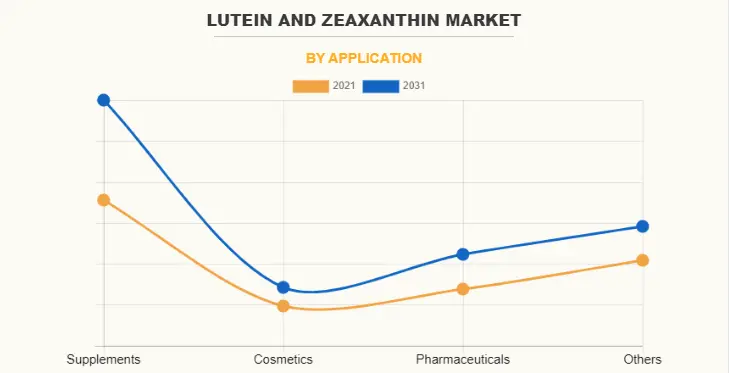
The global market for carotenoids keeps growing because people are living longer in developed markets and more people are becoming health conscious in developing economies. In North America, people want convenient forms and products with clean labels, while in Asia, people are becoming more interested in formulas that treat more than one health problem at the same time. Digital eye strain from spending more time in front of a computer has created new buyer groups besides the usual seniors. These groups include people who work from home and kids who need vitamins. Regulatory unification efforts, especially when it comes to new food approvals in the EU and health claim proof in the US, affect how products are developed and how suppliers are chosen.
Conclusion
It doesn't have to be either-or when choosing between lutein powder and zeaxanthin powder. For most formulation goals, using both carotenoids in the ratio they naturally appear in is the most effective way to get the job done. This also makes regulatory routes easier and appeals to consumers' desire for ingredients that come from whole foods. To make purchases go smoothly, you need to find sellers who can consistently provide good quality, follow all the rules, and work with you in technical ways that go beyond just doing business. As formulation technologies improve and market needs change, keeping source relationships based on openness and new ideas puts your company in a good position to take advantage of new possibilities in this dynamic ingredient category.
FAQs
Can lutein and zeaxanthin be used interchangeably in formulations?
Both of these carotenoids are good for your eyes, but they can't be used in place of each other because they are absorbed and distributed in the retina in different ways. Lutein is mostly found in the macular regions on the edges, while zeaxanthin is mostly found in the center fovea. As defined ratios (usually 5:1 lutein to zeaxanthin) are used in clinical studies to back certain health claims, substitution may affect the validity of the claim. To stay in line with regulations and keep customers trusting your product, your marketing materials and regulatory reports should both show the exact carotene profile that was used in the recipe.
How can I verify a supplier's quality and reliability?
Ask for a lot of paperwork, like up-to-date GMP certificates, audit reports from a third party, and certificates of analysis from recent production runs. Make sure that the scientific testing uses HPLC methods instead of less accurate spectrophotometric methods. Do source checks that focus on how to track down raw materials, how they are extracted, and how they are stored to keep the stability. Ask current clients with similar application types for contact information. Before signing a contract for a large amount of material, you might want to order small amounts to see how well it works in your unique recipe.
What factors most significantly impact carotenoid stability in finished products?
The main things that cause degradation are light exposure, oxygen supply, temperature, and pH. Choosing microencapsulated forms with safe layers makes them much more stable. Choices of wrapping are very important—opaque or amber packages work better than clear ones. Adding antioxidant synergists like vitamin E to products can make them last longer. ICH-recommended accelerated stable testing during product development finds possible degradation paths before the product goes on the market. This lets recipe changes be made ahead of time.
Partner with Bolin Biotechnology for Premium Carotenoid Solutions
Since 2012, Shaanxi Bolin Biotechnology Co., Ltd. has been making plant extracts, so they have more than ten years of experience making carotenoids. Our lutein powder comes from marigolds and has standardization levels that range from 5% to 80%. It can be fully tracked from planting to final packing. We are certified in ISO9001, ISO22000, HACCP, and Kosher, which means that our products meet the highest quality standards around the world. Our advanced microencapsulation technology makes powders that are steady and easy to work with. These powders can be used in a wide range of nutraceutical, functional food, and cosmetic products.
As a reliable lutein powder provider, we know how hard it is for producers, original equipment makers (OEMs), and distributors to get what they need in today's market. We have various MOQ choices starting at 25 kg, so we can meet the needs of both product development projects and large-scale production needs. Our expert team can help you speed up the time it takes to make your product by providing full formulation support, stability testing, and regulation paperwork help. Email our team at sales1@bovlin.com to get samples, talk about unique specs, or look into private labeling options that will help your products stand out while giving you a reliable supply chain partner.
References
Age-Related Eye Disease Study 2 Research Group. "Lutein + Zeaxanthin and Omega-3 Fatty Acids for Age-Related Macular Degeneration: The Age-Related Eye Disease Study 2 Randomized Clinical Trial." JAMA, vol. 309, no. 19, 2013, pp. 2005-2015.
Bone, Richard A., et al. "Macular Pigment Response to a Supplement Containing Meso-Zeaxanthin, Lutein and Zeaxanthin." Nutrition & Metabolism, vol. 4, no. 12, 2007.
Hammond, Billy R., and Lisa M. Renzi. "Carotenoids." Advances in Nutrition, vol. 4, no. 4, 2013, pp. 474-476.
Krinsky, Norman I., et al. "Biologic Mechanisms of the Protective Role of Lutein and Zeaxanthin in the Eye." Annual Review of Nutrition, vol. 23, 2003, pp. 171-201.
Ma, Lin, and Xiao-Ming Lin. "Effects of Lutein and Zeaxanthin on Aspects of Eye Health." Journal of the Science of Food and Agriculture, vol. 90, no. 1, 2010, pp. 2-12.
Stringham, James M., et al. "Macular Pigment and Visual Performance Under Glare Conditions." Optometry and Vision Science, vol. 85, no. 2, 2008, pp. 82-88.