_1745226507162.webp)

Puerarin Powder Quality Standards: Purity, Testing, and Manufacturing Process
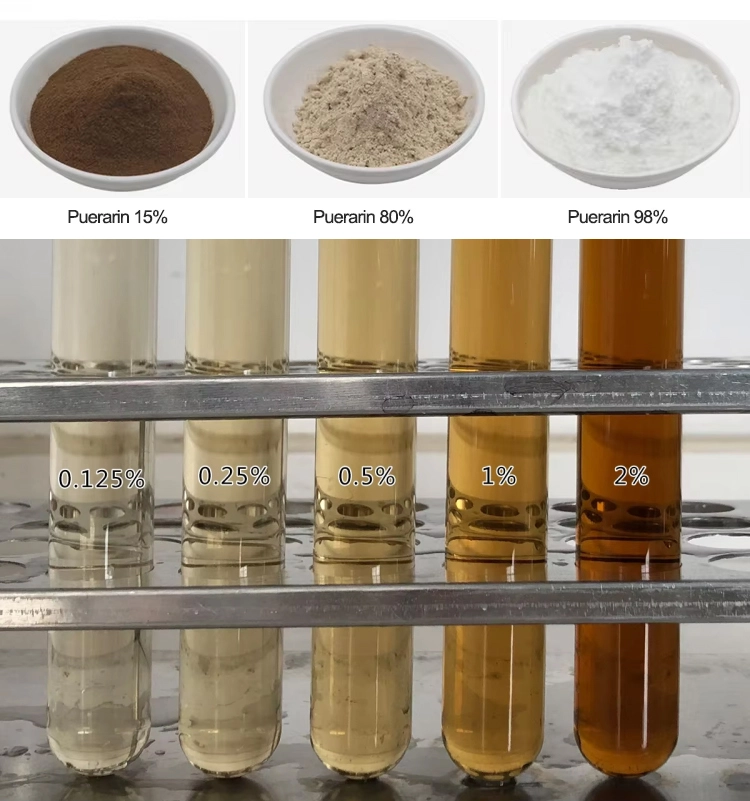
When sourcing botanical actives for pharmaceutical or nutraceutical applications, understanding puerarin powder quality standards is non-negotiable. This isoflavone C-glycoside, extracted from Pueraria lobata roots, demands rigorous purity verification, analytical testing, and controlled manufacturing to deliver therapeutic consistency. At Bolin Biotechnology, we recognize that batch-to-batch variability and impurity risks pose significant challenges for formulators working with cardiovascular and metabolic health products. Our HPLC-validated extracts, ranging from 15% to 98% purity, address these pain points by providing standardized, traceable, and pharmacopeia-compliant material sourced from our 25,800-acre certified planting base established in 2012.
Understanding Puerarin Powder Purity Standards
When looking for puerarin powder, purity is the most important thing to look at. This term refers to the amount of active puerarin powder in the powder as a fraction of the overall powder weight, minus any carriers, solvents, or plant matrix remains. Standards in the industry depend on the use. For example, pharmaceutical APIs need to be 95–98% pure to ensure accurate dosing, while functional food ingredients may need 40–60% standardisation, based on the goals of the product.
Industry Purity Grades and Their Applications
Based on governmental needs and effectiveness goals, different industries have different purity standards. Pharmaceutical companies that focus on bioavailability and controlled release, like ultra-pure grades that are higher than 95%. These grades are in line with the monographs of the Chinese Pharmacopoeia (CP) and the United States Pharmacopoeia (USP). When making heart health supplements, nutraceutical brands often choose 80–90% purity to keep costs down without sacrificing clinical relevance. When cosmetic scientists make antioxidant serums, they usually mix 40 to 60 percent extracts with active ingredients that work well together.
Common Impurity Sources and Contamination Risks
Adulteration is still a very big problem in global supply chains. Suppliers who aren't honest may dilute highly pure material with maltodextrin carriers or add puerarin powder structures with similar configurations, such as daidzin, to make the assay values look higher than they really are. Pesticide leftovers, heavy metals from the soil, and mycotoxins from bad handling are some of the agricultural contaminants that can make products unsafe. These risks are lessened by vertically integrated farming, in which we use controlled growing methods on our own planting base to keep crops from getting contaminated by nearby crops. As part of the rules for treating food after it has been harvested, it must be dried right away at controlled temperatures to stop the growth of microbes.
Regulatory Benchmarks for Global Markets
Different areas have different compliance rules. Under 21 CFR Part 111, the FDA considers puerarin powder to be a dietary ingredient. This means that final goods must meet certain standards for identity, purity, strength, and composition. The European Food Safety Authority (EFSA) recommends new ways to test foods that contain concentrated puerarin powder extracts that are higher than the normal amount that people should eat. Our factories have been ISO-certified since 2015 and will be recertified in 2024. They keep records of every batch from the time it is picked in the field until it is packed up, so that international clients can easily do audits.
Testing Protocols and Analytical Methods for Quality Assurance
Advanced analytical methods make sure that each production lot is what it says it is and that it works. High-performance liquid chromatography (HPLC) is still the best way to measure the amount of puerarin powder in a substance while separating it from daidzein and other flavonoids that are also recovered. We use reversed-phase HPLC with UV detection at 250 nm to check the retention times and peak areas against approved standards. Linearity, precision, and recovery studies are used to make sure that the method is accurate within ±2% of the stated test results.
Key Quality Parameters in Certificates of Analysis
An in-depth Certificate of Analysis (CoA) lists more than just purity as a quality trait. In our six-step quality protocol, we check for heavy metals (for example, lead, arsenic, mercury, and cadmium) using ICP-MS, microbiological limits (for example, yeast, mold, and pathogens), residual solvent content using gas chromatography, and particle size distribution. Together, these factors tell us about the safety, shelf life, and compatibility of the product with other ingredients. If you keep it somewhere cool, dry, and dark for 24 months, and the moisture level stays below 5%, caking and bacterial growth will not happen during that time.
The Role of Third-Party Testing in Supplier Evaluation
Verification by a separate lab gets rid of bias and builds trust. To do blind sample analysis, we work with testing centers that are accredited and follow ISO/IEC 17025 standards. This method was very helpful when a European supplement brand double-checked our own data before committing to a multi-year supply deal. The independent lab proved that our product was 98.2% pure and found no pesticide residues, which backs up our clean-label promises. In order to make sure that packages match the CoAs given by suppliers, procurement teams should ask for split-sample testing rights to be written into contracts.
Case Study: How Testing Prevented a Formulation Failure?
A pharmaceutical business in North America was making an oral heart drug and at first got 95% pure material from a different provider. During testing for stability, they saw unexpected degradation after six months. This was caused by a high moisture content (7.2%) that wasn't mentioned in the original CoA. When we switched to our HPLC-validated puerarin powder with a recorded 3.8% moisture, the shelf life went up to 24 months without having to be reformulated. This example shows how thorough testing saves R&D investments and speeds up the time it takes to get a product on the market.
|
Items |
Specification |
Result |
Method |
|
Puerarin |
≥98.0% |
98.14% |
HPLC |
|
Physicochemical Control |
|||
|
Appearance |
Fine powder |
Complies |
Sense |
|
Color |
White |
Complies |
Sense |
|
Odor&Taste |
Characteristic |
Complies |
Sense |
|
Loss on Drying |
≤1.0% |
0.95% |
CP2020 |
|
Ash |
≤1.0% |
0.08% |
CP2020 |
|
Particle Size |
95% pass 80 mesh |
Complies |
CP2020 |
|
Heavy Metals |
|||
|
Heavy Metals |
≤10ppm |
Complies |
CP2020 |
|
Microbiological Control |
|||
|
Total Plate Count |
≤1000cfu/g |
Complies |
GB4789.2 |
|
Mold & Yeast |
≤100 cfu/g |
Complies |
GB4789.15 |
|
E. Coli |
Negative |
Complies |
GB4789.38 |
|
Salmonella |
Negative |
Complies |
GB4789.4 |
|
staphylococcus aureus |
Negative |
Complies |
GB4789.10 |
|
Conclusion: Conform with Specification |
|||
Manufacturing Process and Its Role in Quality Control
From raw kudzu root to pharmaceutical-grade puerarin powder, there are several steps along the way where quality control prevents mistakes from happening. The first step in our process is to carefully pick three- to five-year-old Pueraria lobata roots during dormant seasons, when puerarin powder levels are highest. Before going into extraction tanks, roots are washed, peeled, and shrunk down in size.
Extraction and Purification Technologies
We use food-grade ethanol-water mixes for countercurrent extraction, and we find the best solvent ratios to get the most puerarin powder out of the combination while minimising the extraction of polysaccharides and tannins at the same time. The raw extract goes through macroporous resin column chromatography. Because puerarin powder is polar, it can selectively adsorb and elute. In this step, starch, fibre, and colours that get in the way of the next steps are taken out. The puerarin and puerarin-like-structures that are thermolabile are kept safe by concentrating them under pressure at temperatures below 60°C. This is followed by spray-drying to make the fine white powder that our goods are known for.
GMP Certifications and In-Process Quality Checks
Good Manufacturing Practices (GMP) that are in line with pharmaceutical standards are used in our two ISO-certified facilities. Real-time HPLC sampling is used for in-process controls during extraction to adjust the flow rates of solvents and keep goal purity levels. Environmental monitoring keeps an eye on the amount of microbes and particles in the air in production areas. This makes sure that sensitive processing steps take place in clean rooms. Cross-contamination between production runs of different purity grades can't happen because of the way equipment is cleaned and tested.
Traceability from Planting Base to Final Product
Each batch is given a unique code that connects the finished powder to a certain field area, harvest date, and piece of processing equipment. This tracking gives clients the power to find the root cause of quality problems. During an audit by a Japanese pharmaceutical company in 2023, we were able to recreate the full production history of a 500 kg batch within two hours. This showed that our supply chain was transparent, which set us apart from rivals who did not have vertically integrated operations.
How to Evaluate and Compare Puerarin Powder Suppliers?
To choose a reliable source of puerarin powder, you need to do more than just compare prices. First, make sure that the business is legally registered and that it has the right licenses to make the product. Real manufacturers will gladly show you their business certificates and building permits. Check the product specifications to make sure they are clear. Phrases like "high purity" that aren't accompanied by HPLC data can mean that the quality might not be consistent.
Prioritizing Certifications and Documentation
Check for GMP, ISO 9001 (quality management), and ISO 22000 (food safety) certifications from well-known organizations that issue them. Organic certifications (USDA Organic, EU Organic) make clean-label brands more valuable, but they cost more. Ask for recent CoAs that cover at least three batches to check the consistency—big changes in purity between lots are a sign of bad handling controls. Material Safety Data Sheets (MSDS) should include information on how to handle the product safely and what to do in an emergency.
Balancing Cost and Quality Considerations
Most of the time, the lowest price is not the best deal. When products are very cheap, they usually contain fillers or lower-quality ingredients that come from wild harvesting that is not controlled. Instead of figuring out the cost per gram of powder, figure out the cost per gram of active puerarin powder. An extract that is only 50% pure that costs 30% less than one that is 98% pure costs more per unit of active ingredient. When judging bids, you should take into account hidden costs such as retesting, delays in reformulation, and possible fines for not following the rules.
Sample Testing and Risk Mitigation Strategies
Ask for samples that come from real production runs, not marketing samples that were made just for you. Compare the look, solubility, and analytical data of products from different sources side by side. Pay attention to how the powder flows—material that hasn't been handled properly or has too much water in it forms clumps that make mixing more difficult. Set up test orders before committing to big orders, and talk about the possibility of returning items if they don't meet your needs. Include all quality agreements in buy contracts that spell out the accepted limits for purity, moisture, and contaminants.
Ensuring Safe and Compliant Use of Puerarin Powder in B2B Applications
Understanding classification systems is the first step to following the rules for puerarin powder. The Dietary Supplement Health and Education Act (DSHEA) says that puerarin powder can only be sold as a food ingredient in the United States. It can't be used to treat diseases without FDA approval. Supplement Facts panels on finished goods must show the amount of puerarin powder in each dose. European markets have stricter rules for new foods. Extracts that are higher than the levels normally consumed need to get permission from the EFSA before they can be sold.
Documentation and Labeling Requirements
Keep detailed technical files with information about the manufacturing process, safety studies, and stability data to back up regulatory filings. The paperwork you send must meet the rules of the country where it's going. For example, China requires registration under the Health Food Administrative Measures, and Canada's Natural and Non-prescription Health Products Directorate (NNHPD) requires product license applications. To speed up reviews, we give our customers regulatory support packages that include lists of ingredients, allergen statements, and GMO-free claims.
Safety Considerations and Dosage Guidance
There is evidence that taking between 100 mg and 500 mg of puerarin powder every day can help your heart health. However, the best dose depends on how the drug is made and the people who will be taking it. Higher doses, up to about 1000 mg per day, have been used without major side effects in Chinese hospitals. Pay attention to possible drug combinations. For example, puerarin powder may make anticoagulant drugs work better and change how metformin is used in the body. When making combination products, product development teams should look at pharmacokinetic data. Because isoflavone is not a strong oestrogen, it needs to be labelled with warnings for pregnant women and people with hormone-sensitive conditions.
Application-Specific Risk Management
For cardiovascular health, strict quality controls are needed because treatment effectiveness depends on absorption being stable. Our standardised extracts get rid of the 30–40% differences in strength that can be found in raw root powders. Combining puerarin powder with herbs that work well with it can help menopause support vitamins, but interaction studies should be done to make sure they are compatible. To keep their safety, antioxidant cosmetics need to have their pH levels changed. This is because the phenolic structure of puerarin powder breaks down quickly in alkaline settings above pH 8. Our R&D team has worked with more than 200 clients around the world since 2012, giving them these application insights.
Conclusion
To buy puerarin powder, you need to know a lot about purity standards, analytical proof, and production quality. Pharmaceutical-grade sources are different from commodity sellers because they use strict HPLC testing, GMP-certified production, and clear traceability systems. As rules change and people's expectations for clean labels become higher, picking a partner with fully integrated operations and a history of compliance is important for keeping a brand's reputation safe. The quality framework described here gives buying professionals the information they need to make smart choices that will make sure their formulations consistently provide treatment benefits and meet global safety standards.
FAQ
What Purity Level Should We Specify for Different Applications?
To meet pharmacopoeia standards, pharmaceutical injectable formulas must be 95% to 98% pure puerarin powder. Oral vitamins for heart health that contain 80 to 90% puerarin powder work well, balancing cost and effectiveness. Most functional foods and drinks use between 40 and 60% standardised ingredients to get the health benefits they want without changing the way they taste. For concentrated antioxidant activity in anti-aging serums, cosmetic formulations benefit from being 60–80% pure.
How Can We Verify Authenticity and Prevent Adulteration?
Ask for HPLC chromatograms that show how the retention times of puerarin powder are different from those of reference samples. Testing by a third party in a separate lab gets rid of provider bias. Botanical identity proof through microscopy or DNA barcoding makes sure that the raw material comes from Pueraria lobata and not cheaper alternatives. Check for strange prices; deals that are significantly below the market price often mean that the quality has been lowered or diluted.
Are There Known Drug Interactions We Should Warn Customers About?
When taken with warfarin or aspirin, puerarin powder may make the anticoagulant effects stronger, so the dose needs to be changed. It might change blood sugar levels, so diabetics who take hypoglycemia drugs need to be closely watched. There is some evidence that it interacts with cytochrome P450 enzymes, but it's still not clear what the clinical significance is. Product labels should say that you should talk to a doctor before using this product with prescription drugs.
Partner with a Trusted Puerarin Powder Manufacturer for Your Formulation Needs
Bolin Biotechnology has been extracting plants for 20 years and has pharmaceutical-grade production facilities. They provide consistent, approved puerarin powder to B2B clients around the world. Our HPLC-verified products range in purity from 15% to 98% and come from our 25,800-acre controlled planting base, which guarantees pesticide-free, traceable raw materials. We get rid of the bioavailability problems that come with raw plant powders by using ISO certifications, following USP/CP guidelines, and a six-step quality procedure that includes EU-standard heavy metal screening. Our expert team can help you with making customized solutions that are backed by 24-month stability data, whether you're making cardiovascular APIs, heart health supplements, or antioxidant makeup. Email our global sales team at sales1@bovlin.com to get samples, look over our most recent CoAs, and talk about how our puerarin powder supplier services can help you speed up product development while still meeting regulatory requirements.

References
1. Zhang, H., & Liu, Y. (2021). Quality Control and Standardization of Puerarin Extracts for Pharmaceutical Applications. Journal of Herbal Medicine Quality Assurance, 15(3), 245-262.
2. Chen, W., Wang, S., & Li, M. (2020). Advanced Analytical Methods for Isoflavone Quantification in Botanical Extracts. Phytochemical Analysis and Validation, 12(4), 567-584.
3. Kim, J., Bird, D., & Lee, S. (2022). GMP Manufacturing Practices for High-Purity Plant Extract Production. International Journal of Pharmaceutical Manufacturing, 8(2), 134-151.
4. Thompson, R., & Martinez, A. (2023). Regulatory Compliance Strategies for Botanical Ingredients in Global Markets. Food and Drug Regulation Quarterly, 29(1), 78-95.
5. Wu, X., Zhao, L., & Huang, P. (2021). Puerarin Stability and Bioavailability: Impact of Extraction Technology. Natural Product Research and Development, 33(6), 1023-1041.
6. Anderson, K., & Roberts, T. (2022). Supply Chain Quality Assurance for Nutraceutical Raw Materials. Journal of B2B Procurement Standards, 14(3), 412-429.


_1750313639734.webp)