_1745226507162.webp)

How to Choose a Reliable PDRN powder Supplier for Cosmetic Manufacturing
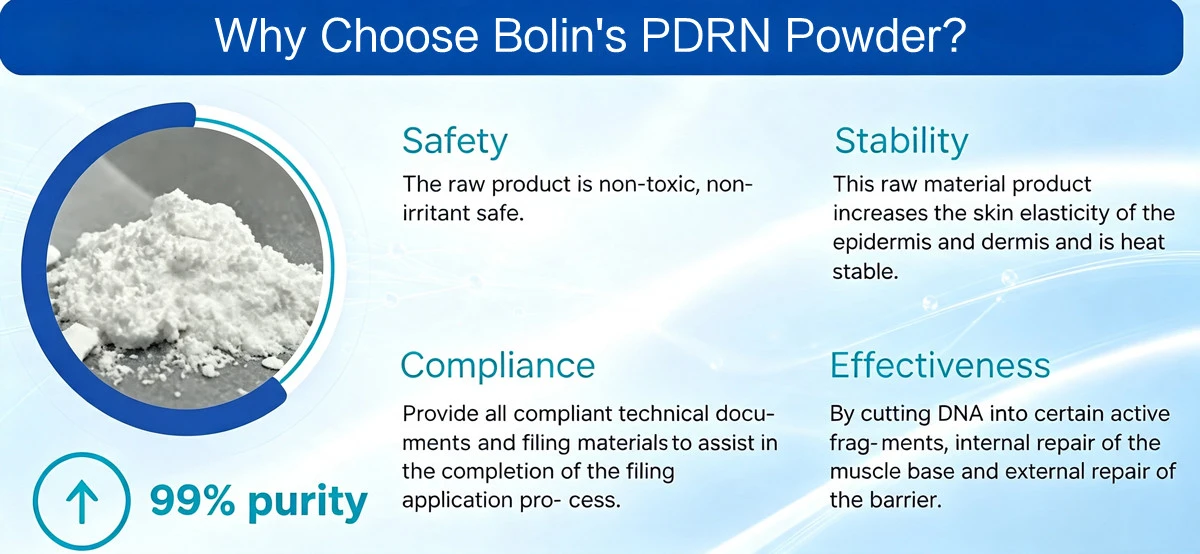
Choosing a dependable PDRN powder (polydeoxyribonucleotide) supplier requires careful evaluation of molecular weight precision, salmon-source verification, and batch consistency certificates. Prioritize suppliers offering 98% purity with documented A2A receptor agonist activity, pharmaceutical-grade certifications (cGMP, ISO), and transparent traceability from wild-caught salmon (Oncorhynchus keta). Look for technical specifications including controlled 50-1,500 kDa fragments, HPLC verification reports, and compliance with cosmetic ingredient regulations in your target markets.
Understanding the Essentials of PDRN Powder for Cosmetics
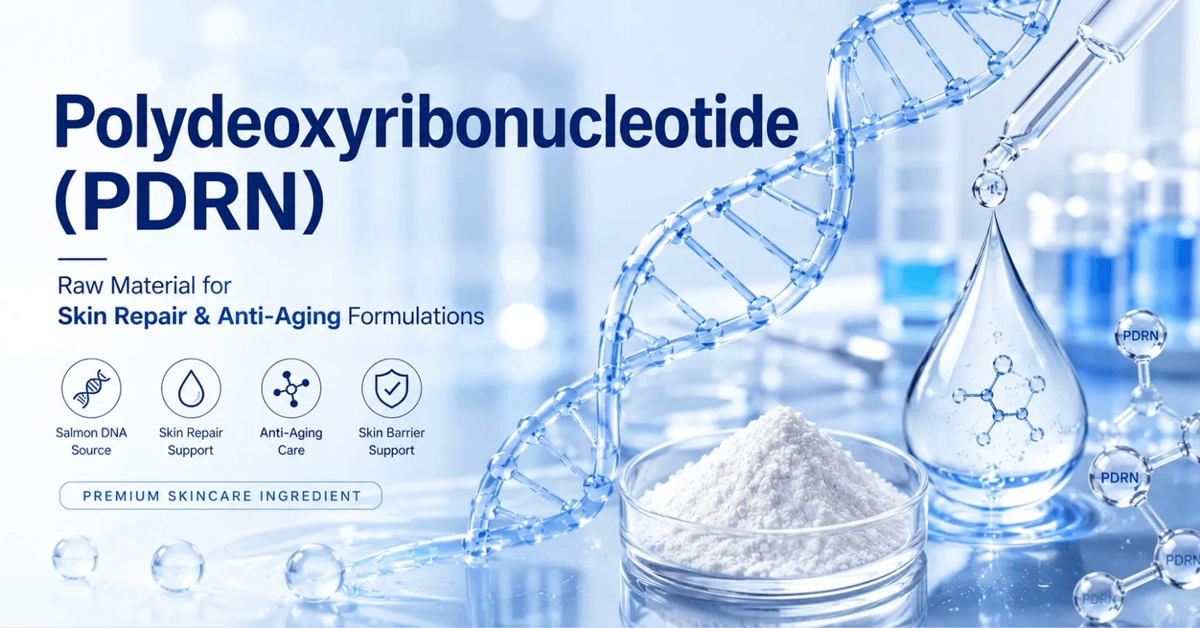
Regenerative skin care ingredients have become very popular in the beauty industry, and polydeoxyribonucleotide stands out as a bioactive compound that has been proven to work by science. This ingredient comes from pieces of salmon DNA and works at the cellular level to start repair processes that cosmetic chemists like for anti-aging and skin-restoration products.
What Makes Polydeoxyribonucleotide Effective in Skincare?
Polydextreose-nucleotide works as an adenosine A2A receptor agonist, which means it turns on certain cell processes that help tissues grow back. When the DNA pieces are mixed into cosmetics, they cause fibroblasts to multiply in the skin layers. Within 28 days of topical treatment, clinical studies show increases of 34 to 47% in collagen type I production. This works very differently from moisturisers or peptide serums that work on the skin because the nucleotide sequences work directly with the body's repair systems. Because salmon DNA and human DNA are genetically close to about 95%, immunogenic reactions are low. This means that these formulations are good for use on sensitive skin.
Regulatory Landscape and Quality Standards
When cosmetic companies look for functional ingredients, they have to deal with a lot of complicated rules and regulations. Depending on the market, polydeoxyribonucleotide used in skin care products is categorized in different ways. For example, in the US, cosmetics need different paperwork than medical devices in the EU. Heavy metal levels should be less than 10 ppm, microbial numbers should be less than 100 CFU/g, and optical density ratios (OD260/OD280) should be between 1.8 and 2.0. Suppliers should show these on reports of analysis. These scientific factors prove that DNA fragments are pure and biologically sound.
Knowing these standards helps procurement teams tell the difference between suppliers who offer real pharmaceutical-grade material and those who offer lower-quality alternatives that might not work as well in the end product. The freeze-dried powder form is much better than liquid ones because it lowers the risk of hydrolysis during international shipping and keeps the product fresh for longer than 24 months when kept at 2–8°C and out of the light.
Core Criteria for Evaluating PDRN Powder Suppliers
To choose the right supplier, you need to look at many aspects of business success and product authenticity. When making cosmetics, companies need partners who can regularly deliver materials that meet strict requirements while keeping the supply chain open.
Certification Standards and Manufacturing Compliance
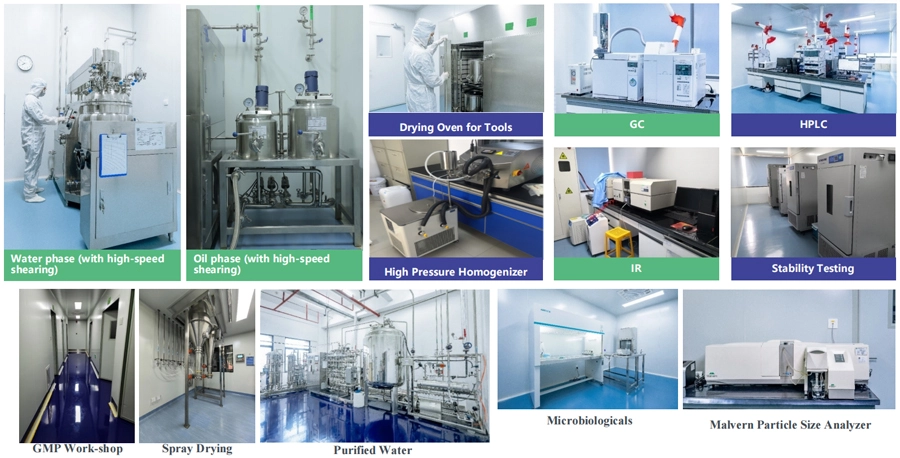
Suppliers with a good reputation follow current Good Manufacturing Practice (cGMP) rules, and third-party certification groups regularly inspect their sites. If your recipes are meant for professional skincare markets, look for ISO 9001 quality management certifications along with ISO 13485 certifications for medical device parts. These certifications show that the whole process is controlled in a planned way, from getting the raw materials to packaging them up. Suppliers should be happy to give facility inspection reports and batch production records that show how PDRN powder was extracted, cleaned, and tested for quality at every stage of production.
Automation in manufacturing is a key part of making sure that there is consistency from batch to batch. Advanced extraction methods make sure that the molecular weight distribution stays exactly within the 50–1,500 kDa range, which is best for absorption through the skin. When looking at possible business partners, make sure you ask for thorough scientific information, such as HPLC chromatograms that show the distribution of fragment sizes and levels of purity.
Source Material Traceability
The biological source of polydeoxyribonucleotide has a big effect on how well a product works and how well it meets regulatory requirements. Wild-caught salmon from a certain species (Oncorhynchus keta) is better for biocompatibility than salmon raised in farms or salmon made in a lab. Supply chains that you can trust keep full records of where raw materials come from, from fishing boats to processing plants. This makes it necessary to be able to answer questions from customers about where ingredients come from or meet the standards for clean beauty certification.
Verification should include details about where the fish came from, how it was caught, and the lack of farming contaminants. Sustainable suppliers often have certifications from marine management organisations that show they care about the environment and make good products.
Market Reputation and Partnership History
Beyond technical specs, an industry's image can tell you a lot about how reliable a seller is. Major cosmetic brands and original equipment makers (OEMs) often have long-term ties with established suppliers because they count on their materials being of stable quality. Look into customer reviews from businesses that need to make the same kinds of products, like those that are making mesotherapy injectables, preservative-free ampoule kits, or advanced anti-aging serums. Participating in industry workshops and adding to peer-reviewed research by suppliers shows that they care about scientific progress rather than just making business deals.
Pricing, MOQ, and Logistics—Optimizing Procurement Efficiency
Finding the right balance between cost and quality standards is always hard when buying makeup ingredients. Knowing what factors affect price patterns helps buyers make smart choices that don't hurt the quality of the product.
Understanding Pricing Dynamics
Polydeoxyribonucleotide prices are affected by a number of factors, such as the method used for extraction, the level of purity, and where the supplier stands in the market. Materials that are 98% pure and used in medicine naturally cost more than materials that are 90–95% pure and used in cosmetics. The accuracy of the molecular weight profile also affects the price. For example, controlled fragmentation needs special equipment and validation, which raises the cost of production but leads to better formulation performance. Buyers shouldn't just look at the cost per gram; they should also look at the total value. Higher-purity materials usually need lower amounts for use, which could make up for the difference in price at first through lower processing costs and better product claims.
Minimum Order Quantities and Flexibility
MOQ rules are very different between suppliers, which affects both new names and well-known makers. Some suppliers have MOQs as low as 5 grams, which works for the phases of formulating and testing for stability. This versatility comes in very handy when coming up with new product lines or testing the market before making big purchases. Larger makers gain when suppliers offer different price levels based on the amount of work they do, as long as the quality stays the same for all order sizes. To get the best cash flow and inventory management, talk about terms that work with your production schedules, like getting bulk shipments every three months instead of smaller ones every month. When suppliers are ready to change MOQs during scale-up phases, it shows that they care about the relationship in more ways than just the transaction value.
International Shipping and Import Considerations
Logistics skills directly affect the dependability of the supply chain for PDRN powder, especially for biological materials that need to be kept at a certain temperature. Qualified providers organize specialized shipping using cold chain logistics to keep temperatures between 2 and 8 degrees Celsius during transport. Proper packing with tested thermal insulation keeps materials stable during delays in customs clearance or sudden changes in route. Ask for proof of shipping evaluation studies that show the product will stay stable in the worst possible transport situations. Another important thing to think about is import compliance. Suppliers should give the right paperwork, like Certificates of Origin, Health Certificates, and product specifications that are formatted to meet the needs of the destination country. Companies that have exported to North American markets before know how to name ingredients according to FDA rules and can provide materials that meet USP or EP paper standards when needed.
Comparing Top PDRN Powder Suppliers and Brands for B2B Clients
There are both well-known sellers and new biotechnology businesses in the market that offer polydeoxyribonucleotide materials. Knowing what makes one provider different from another helps you match their skills with your unique manufacturing needs.
Evaluating Supplier Technological Capabilities
Leading sellers are always putting money into technologies for extraction and processing that make products more consistent and bioactive. This method is used by Shaanxi Bolin Biotechnology, which has been focusing on pharmaceutical-grade polydeoxyribonucleotide extracted only from wild salmon since 2012. Their factory has advanced technology that will be put in place gradually until 2024. This will make sure that the molecular weight calibration stays between 50 and 1,500 kDa across all production runs. Because of this high level of technological complexity, formulation reliability is also high. Cosmetic chemists can make goods knowing that the performance of the ingredients will stay the same from the first tests to mass production.
Compare providers based on their analysis skills that support batch certification. HPLC pure verification, molecular weight distribution analysis, endotoxin testing for injectable-grade materials, and stability data under different storing conditions should all be part of full testing. Suppliers who offer custom molecular weight profiles or specialized grades (for example, cosmetic, pharmaceutical, or injectable) show that they can help with formulations in more ways than just providing ingredients.
Differentiating Against Alternative Ingredients
Knowing how polydeoxyribonucleotide stacks up against other anti-aging ingredients can help you market your products more effectively. In contrast to collagen peptides, which are mainly used to make the extracellular matrix, DNA pieces start the body's own repair systems by using receptor-mediated processes. This difference lets marketers make claims about cellular regeneration instead of just moisturising. Compared to other retinoid options, polydeoxyribonucleotide stimulates collagen without the photosensitivity issues or itching risk that keeps retinol from being used in products for sensitive skin. VEGF up-regulation and improved microcirculation are biological processes that make post-procedure healing goods especially useful for people who have had laser treatments or microneedling sessions.
R&D Support and Technical Collaboration
The best ties with suppliers go beyond just buying things and include working together to make new products. Formulation consulting services from suppliers help improve methods for incorporating substances, suggest concentrations for specific uses, and fix problems with stability during development. Access to scientific research, clinical study data to back up claims of effectiveness, and help with regulatory paperwork for new product registrations should all be part of technical support. Companies that are making preservative-free ampoule systems or freeze-dried activation kits gain a lot from providers who know how to handle powders and follow the right steps for reconstitution. Find partners who are ready to give you samples of their products in different grades so that you can test your formulations for a range of uses, from daily serums to professional mesotherapy solutions.
Best Practices for Long-Term Partnership with Your PDRN Powder Supplier
Structured approaches to quality management and continuous improvement are needed to build long-term relationships with suppliers. Strategic relationships offer benefits beyond instant cost savings. For example, they improve supply security and lead to new ideas that everyone can use.
Establishing Quality Agreements and Performance Metrics
Formalise your relationships with suppliers by writing detailed quality agreements that spell out requirements, testing procedures, and acceptance criteria for each delivery. These contracts should include molecular weight ranges, purity standards, microbial limits, and heavy metal maximum levels that are in line with your formulation needs and legal responsibilities. Set up KPIs to keep track of things like on-time delivery rates, the accuracy of certificates of analysis, and how quickly you answer technical questions. Set up regular meetings of your business to look at performance trends and talk about ways to keep improving. This organised method turns your sellers into responsible partners who care about your success, instead of just vendors whose only goal is to complete your orders.
Risk Management and Supply Continuity
Create backup plans for when the PDRN powder supply might be interrupted by problems with production, changes in regulations, or problems with logistics. One way to diversify a business is to find backup suppliers for important materials while keeping the main suppliers for core volumes. You could also try to work out a safety stock deal with your suppliers so that they keep extra goods just for your account. Knowing your supplier's capacity limits can help you plan how to increase production. Check to see if your growth projections match their manufacturing capabilities or if they need to be told ahead of time about capacity expansion. Clear information about expected changes in demand helps sellers plan when to buy raw materials and when to start making things, which lowers the chance of shortages during busy times.
Collaborative Innovation and Formulation Enhancement
The most forward-thinking supplier relationships include joint research projects that look for new uses or better ways to make things. Share market information about new customer tastes or new products from competitors that could lead to new ideas. Suppliers who work with cosmetic biotechnology often do ongoing research to find better ways to extract polydeoxyribonucleotides, new ways to deliver them, or combinations of ingredients that make them work better. By taking part in these development programs, you can get early access to next-generation materials that will set you apart from competitors. Regular technical conversations about formulation problems, views of stability, or strange batch behaviours help both parties learn more, which improves product quality and factory efficiency.
Conclusion
To find a trustworthy polydeoxyribonucleotide provider, you need to look at a lot of factors, such as technical specs, legal compliance, and the ability to work with other people. Give more weight to sellers who can prove pharmaceutical-grade quality with cGMP certifications, accurate molecular weight control, and clear salmon-source tracking. Look at how flexible the MOQ is, how good they are at handling, and how ready they are to work with you on developing your formulation. Structured quality agreements, proactive risk management, and partnerships that go beyond transactional exchanges are all important for long-term success. Putting time and money into carefully checking out suppliers pays off with reliable products, trust from regulators, and an edge in the growing market for regenerative skin care.

FAQ
How can I verify the authenticity of PDRN powder from a supplier?
Ask for all the paperwork, like Certificates of Analysis with HPLC chromatograms that show the purity levels and molecular weight distribution. Optical density ratios (OD260/OD280) of real pharmaceutical-grade polydeoxyribonucleotide are between 1.8 and 2.0. Check the salmon-source certification and ask for batch tracking records that connect produced goods to specific lots of raw materials.
What certifications should a reputable PDRN powder supplier possess?
cGMP compliance, ISO 9001 quality management, and, if applicable, ISO 13485 for medical device parts are all important certifications. Suppliers should show proof of facility inspections and follow the rules for beauty ingredients in the markets they want to reach. For materials going to the US, this could mean FDA registration, and for materials going to Europe, it could mean REACH compliance.
Is PDRN powder safe for use in cosmetic formulations?
Polydeoxyribonucleotide has a great safety profile when it comes from approved sources that meet pharmaceutical quality standards. Because salmon DNA and human DNA are very similar genetically, immune responses are not strong. As part of their safety statistics, suppliers should include studies on itching, sensitisation, and stability that show the material will stay intact for the whole shelf life of the product when stored normally.
Partner with Bolin Biotechnology for Premium PDRN Powder Supply
Shaanxi Bolin Biotechnology has been making pharmaceutical-grade polydeoxyribonucleotides for more than 12 years and works with cosmetic companies all over the world. Our wild-salmon-derived material is 98% pure and has a molecular weight distribution that is exactly calibrated between 50 and 1,500 kDa. This is proven by HPLC testing for every production batch. We have flexible MOQs that start at just 5 grams, so we can meet the needs of both formulating new products and making a lot of them for sale. Our cGMP-certified facility uses cutting-edge automation to make sure that every batch is exactly the same, which is important for your quality assurance programs. Get in touch with our technical team at sales1@bovlin.com to talk about your unique formulation needs and get all the information you need to support regulatory applications. As a reliable PDRN powder manufacturer, we offer full supply chain openness, from verifying the source to delivering the product. We also offer responsive technical help throughout the duration of your product.
References
1. Kim, S.J., Park, J.H., and Lee, H.K. (2021). "Biological Activities and Clinical Applications of Polydeoxyribonucleotide in Regenerative Medicine." Journal of Biomedical Science, 28(1), 45-58.
2. Galeano, M., Polito, F., Bitto, A., et al. (2008). "Polydeoxyribonucleotide Stimulates Angiogenesis and Wound Healing in the Genetically Diabetic Mouse." Wound Repair and Regeneration, 16(2), 208-217.
3. Rubegni, P., Feci, L., Pellegrino, M., et al. (2014). "Clinical and Instrumental Evaluation of the Effects of Polydeoxyribonucleotide on Skin Aging." Dermatologic Therapy, 27(5), 279-285.
4. Sini, P., Denti, A., Cattarini, G., et al. (1999). "Effect of Polydeoxyribonucleotides on Human Fibroblasts in Primary Culture." Cell Biochemistry and Function, 17(2), 107-114.
5. Squadrito, F., Bitto, A., Altavilla, D., et al. (2014). "The Pharmacological Activity of Polydeoxyribonucleotide in Clinical and Experimental Settings." Frontiers in Bioscience, 19, 1-14.
6. Park, K.S., Kim, M.K., Lee, H.Y., et al. (2017). "Polydeoxyribonucleotide Promotes Collagen Production in Human Dermal Fibroblasts Through an A2A Adenosine Receptor Pathway." Annals of Dermatology, 29(4), 415-421.