Red Clover Extract Powder in Dietary Supplements: Uses and Formulation Tips
Red clover extract powder, a derivative of the flowering tops of Trifolium pratense, has become one of the most popular botanical ingredients in the nutritional supplement business. It has a rich isoflavone profile including biochanin A, formononetin, daidzein, and genistein, making it a well-researched, plant-based choice for women’s health formulations. This article covers its key advantages, practical formulation recommendations, procurement concerns, and best production methods, offering B2B buyers and product developers a clear picture of what to look for when acquiring this ingredient.
Understanding Red Clover Extract Powder: Benefits and Safety
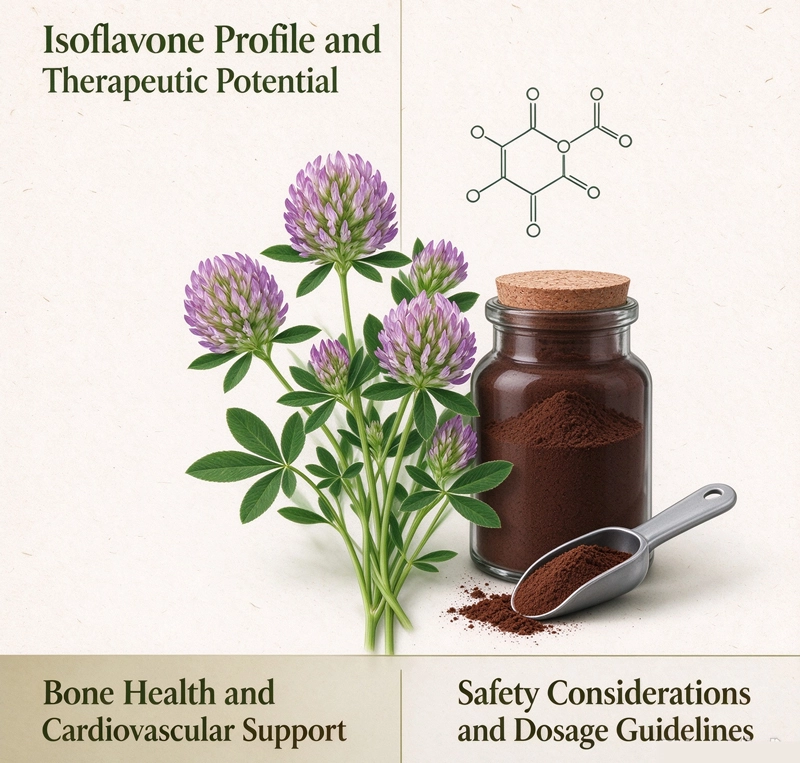
Isoflavone Profile and Therapeutic Potential
It has four major isoflavones that work like phytoestrogens in the body. Two of them are biochanin A and formononetin. When consumed, they are broken down into daidzein and genistein. In a 2007 analysis published in the journal Maturitas, researchers verified that women who had gone through menopause had their hot flashes reduced by as much as 44% when they were given standardized red clover isoflavone supplements. There’s a good scientific rationale for formulators to incorporate this chemical into products to benefit women going through menopause.
Bone Health and Cardiovascular Support
Not only do red clover phytoestrogens help with vasomotor complaints, but they have also been shown to improve bone mineral density. Circadian found in 2004 that women close to menopause who took 40 mg/day of red clover isoflavones had less bone loss in their lower back. Two different studies also show that HDL cholesterol levels and vessel compliance change in small ways. Because of this, it is a good ingredient for women's health lines that focus on heart health.
Safety Considerations and Dosage Guidelines
The best amount of red clover isoflavones for your health is between 40 mg and 160 mg per day, according to most studies. This is a good amount for most people to handle. Women who are allergic to hormones should check with their doctor first. As a general rule, all sensible labels should have this statement. When you make red clover tea or dried herb, the strength changes a lot from batch to batch and preparation method to preparation method. The dose of the extract stays more the same.
Formulation Insights: How to Use Red Clover Isoflavones in Dietary Supplements
Choosing the Right Delivery Format
The best way to get red clover isoflavones in the US market is still through red clover extract powders and pills. High-speed packaging tools can easily move a fine powder that is controlled to have particles that are 80 to 120 mesh in size and contain 20% to 40% isoflavones. The change in weight stays at or below 3%. If someone wants to make functional drinks, they should pick grades that dissolve in water or micronized versions so that the ingredients don't settle and the drinks don't taste bitter, which can happen when higher amounts of concentrated polyphenols are added.
Synergistic Ingredient Combinations
Isoflavones from red clover are compatible with various plants because their processes are compatible. Black cohosh has a distinct mechanism of action on vasomotor symptoms, and that is why it is logical to include it in products for the complete menopausal period. Chasteberry (Vitex agnus-castus) helps maintain progesterone levels in balance. Vitamin D3 and calcium are also good for bones. In order to comply with EU Novel Food laws or FDA structure/function claim criteria, it’s necessary to make sure the legal status of each ingredient is right for the individuals you wish to market your product to. It’s good to note that isoflavones are sensitive to light, heat, and water. The product works well for as long as it lasts, using nitrogen-flush packaging and a manufacturing temperature below 60°C. Before you begin creating anything, ask your ingredient provider for batch-specific HPLC data. Between-batch stability must support label claims. This is particularly essential in places where regulatory assessments scrutinize the gap between what was tested and what was put on the label.
Quality Control During Formulation
Isoflavones are sensitive to heat, light, and humidity. During manufacturing, maintaining processing temperatures below 60°C and using nitrogen-flush packaging protects potency throughout the product's shelf life. Request batch-specific HPLC data from your ingredient supplier before production begins. Consistency between lots is non-negotiable when substantiating label claims, especially in markets where regulatory audits scrutinize declared versus tested potency.
Market Comparison: Selecting the Right Ingredient for Your Product Line
Branded Consumer Products vs. Bulk Ingredient Supply
Red clover extract powder pills are sold by stores like Nature's Way and NOW Foods. But these are not the same as pharmaceutical-grade bulk powders that are made for business-to-business production. The way you look at things changes totally when you buy a lot of them. You don't look at how the package is designed or where it should go on the shelf. Instead, you look at regulatory documents, third-party test reports, certificates of analysis, and supplier audit histories.
Red Clover Isoflavones vs. Soy Isoflavones
Both ingredients have phytoestrogens, but they appear in different ways. Soy has mostly genistein and daidzein as isoflavones. Red clover, on the other hand, has all four major isoflavones, such as formononetin and biochanin A. For brands that want to stand out, this wider range is a clear design plus. People who want to avoid soy can also eat red clover, as long as the seller of the item can show, with a formal allergen statement, that there was no cross-contamination.
Key Supplier Evaluation Criteria
Any buying team should make sure of the following things before making a short list of suppliers:
- Isoflavone standardization: HPLC-verified content with batch-specific reports, not just a single representative COA.
- Contaminant testing: Heavy metals ≤10 ppm, pesticides non-detectable (ND), microbial counts within pharmacopeial limits.
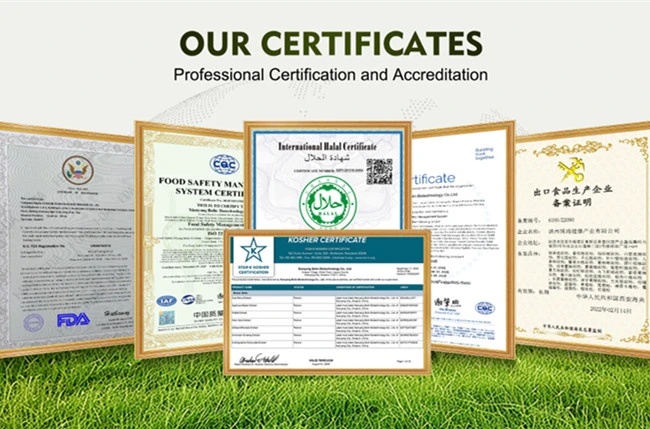
- Certifications: ISO 22000, cGMP, and optionally HALAL or KOSHER depending on target market demographics.
- Regulatory support: Supplier capacity to provide FDA DMF filings, EU Novel Food documentation, and SGS third-party verification.
There are sellers who can really help your compliance process and sellers who can only give you a general report. These things help you tell the difference.
Procurement Guide: How to Source Red Clover Extract Powder Effectively
Bulk Purchasing Structure and MOQ Considerations
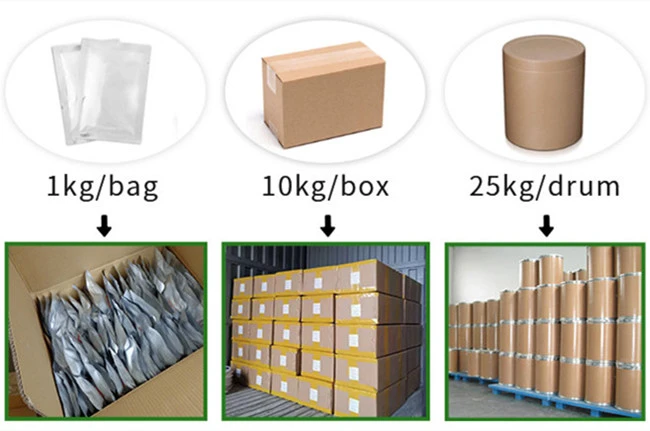
1 kg per bag is the standard business size for samples and small-batch tests when it comes to plant extracts in bulk. This amount goes up to 25 kg per drum for production runs. A lot of well-known brands have a minimum order size of 25 kg, which is a good amount to use to judge the quality. When you're discussing yearly supply deals with suppliers, make sure you get data on lot-to-lot consistency for at least six batches in a row. This is the best way to check how well they're running things.
OEM and Private Label Capabilities
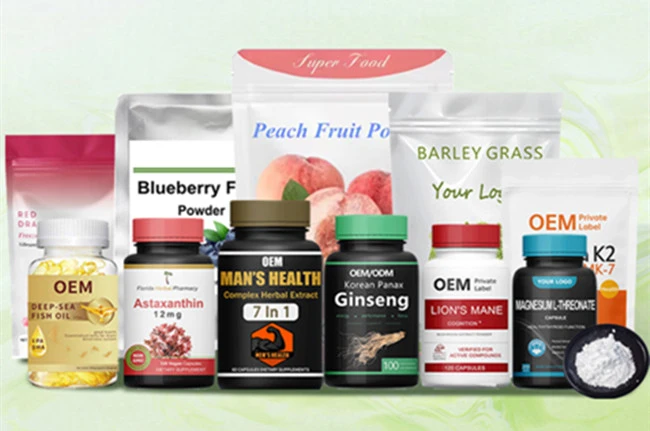
People who make products need more than just raw materials when they work on private label launches. A provider gives you a lot of value by giving you co-branded certificates of analysis, customized SDS sheets, help with labeling in more than one language, and different kinds of packaging, like stand-up pouches and drums lined with desiccant. Make sure that the company you work with can change the amount of isoflavone without changing how the batch is mixed. The concentration can be anywhere from 10% for health mixes in general to 50% for certain medical uses.
Regulatory Documentation Support
To sell a new food item in the EU, you need to get the necessary papers and make sure the product meets the requirements of the EU Pharmacopeia. The US market is less likely to be sued because of FDA GRAS status and structure/function claim proof files. The time it takes for regulatory review will be cut down by a lot if your supplier sends these documents ahead of time instead of after a lot of back and forth.
Formulation Tips and Best Practices for High-Quality Supplement Manufacturing
Protecting Isoflavone Stability During Processing
Heat, UV light, and high humidity are the three things that break down isoflavones more quickly. Using moisture-barrier films or secondary packaging that is lined with desiccant reliably makes the food last longer. Things that are meant to last 24 months should have rapid stability data sent to you by the seller to make sure that the isoflavone level stays within the label claim at the time of expiration, not just when the product was made.
Labeling Compliance and Health Claims
These isoflavones from red clover can say things like "supports hormonal balance" about their structure and function without getting FDA approval first, as long as the claim is true and not specific to a disease. You can only make health claims that are on the EU Register of approved health claims in the EU. Work with a regulatory affairs expert before you finish writing the label copy. This way, you can avoid having to make pricey changes to the recipe or issue refunds after the product has been sold.
Practical Manufacturing Considerations
Normal machines that fill capsules and press pills can handle fine powder with particles that are 80 to 120 mesh size. The mass density and compressibility index of the powder should match the needs of your direct-compression tools for tablets. Normal extracts don't mix well with water, but water-soluble grades made through certain carrier methods do. These grades can be used in drinks without any problems.
Conclusion
People should use red clover extract powder since it has been shown to work in studies, is allowed by regulators, and can be made in a number of different ways. This ingredient can be used instead of synthetic estrogens by companies that make supplements for women's health, as long as batch consistency and good documentation are more important than unit price alone when choosing where to get it. If procurement teams take the time to vet suppliers right away, they will avoid the risks of not following the rules and having to recall goods that come with rushing things.
FAQ
1. What is the standard isoflavone concentration for supplement manufacturing?
Most commercial formulations use extracts standardized to 20%–40% total isoflavones by HPLC. Higher concentrations (up to 50%) are available for targeted applications where capsule volume is limited.
2. Is red clover extract soy-free?
Yes. Red clover (Trifolium pratense) is botanically unrelated to soy. However, buyers should request allergen statements confirming no cross-contamination during processing.
3. What is the shelf life of bulk extract powder?
Under cool, dry storage conditions in sealed original containers, the shelf life is 24 months. Avoid direct light and humidity exposure.
4. How does the extract compare to red clover tea in terms of potency?
Standardized extract delivers a defined, consistent isoflavone dose per serving. Red clover tea potency varies widely depending on plant material quality and steeping conditions, making it unsuitable for products requiring label-claim substantiation.
5. What regulatory documents should I request from a supplier?
Request batch-specific COA, HPLC test report, heavy metal and pesticide test results, ISO 22000 and cGMP certificates, and where applicable, EU Novel Food or FDA GRAS documentation.
Partner with Bolin Biotechnology for Your Next Formulation
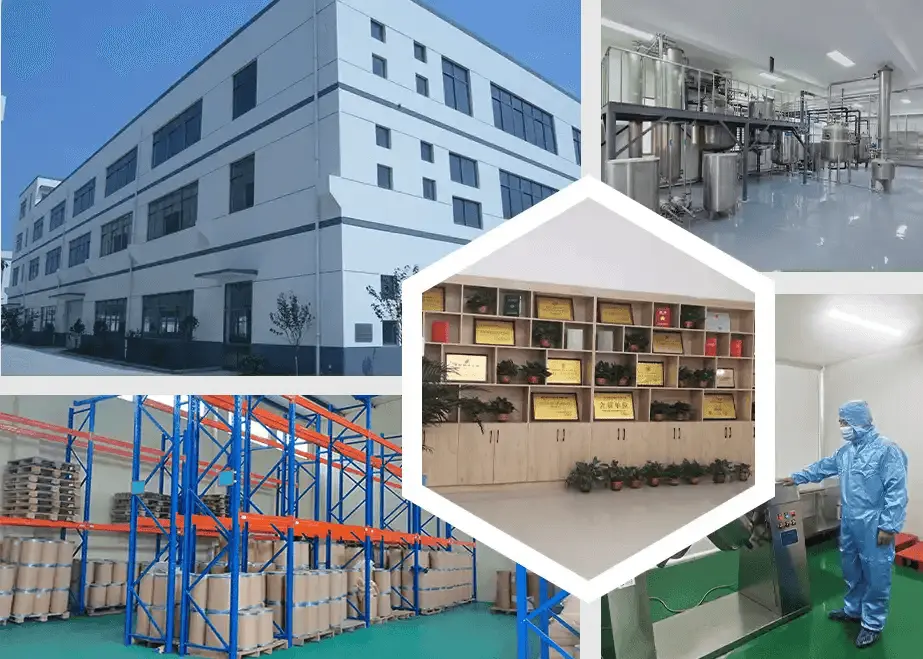
Bolin Biotechnology has been around since 2012 and is ISO 22000/cGMP certified. Its major job is to make standard plant goods for the nutraceutical markets around the world. We offer full OEM/private label support for our red clover extract powder because we are a dependable source of it. It has an isoflavone content of 20% to 40%, which has been proven by HPLC, and no pesticides are added. From the very first request, you can get unique isoflavone concentrations, mixes that work well together, and legal papers. Send us an email at sales1@bovlin.com to get samples and forms.
References
1. Atkinson, C., et al. "The Effects of Phytoestrogen Isoflavones on Bone Density in Women." American Journal of Clinical Nutrition, 2004.
2. Tice, J. A., et al. "Phytoestrogen Supplements for the Treatment of Hot Flashes." JAMA, 2003.
3. Coon, J. T., et al. "Trifolium pratense Isoflavones in the Treatment of Menopausal Hot Flushes." Maturitas, 2007.
4. Clifton-Bligh, P. B., et al. "The Effect of Isoflavones Extracted from Red Clover on Bone Mineral Density." Climacteric, 2001.
5. European Food Safety Authority (EFSA). "Risk Assessment for Peri- and Post-Menopausal Women Taking Food Supplements Containing Isolated Isoflavones." EFSA Journal, 2015.
6. Barnes, S. "Phyto-oestrogens and Osteoporosis: What is a Safe Dose?" British Journal of Nutrition, 2003.