How Liposomal Apigenin Is Used in Dietary Supplements
Liposomal apigenin is quickly becoming one of the most sought-after compounds in the premium supplement business. Brands and formulators use it in capsules, powders, gummies, and functional food forms to target cognitive health, sleep support, antioxidant protection, and anti-aging nutrition. The liposomal delivery technique contains the flavonoid apigenin in phospholipid vesicles, safeguarding it during digestion and greatly increasing absorption compared to normal apigenin isolates. This encapsulation provides a compelling ingredient narrative and verifiable effectiveness benefits for B2B buyers to establish distinct product lines.
What Is Liposomal Apigenin and Why Does It Matter?
The Bioavailability Problem with Standard Apigenin
Apigenin is a flavonoid present in chamomile plants, lettuce, and celery. It is able to decrease inflammation, protect cells from harm, and aid with GABAergic activities, as established in several peer-reviewed studies. But raw apigenin is a BCS Class II molecule which has poor aqueous solubility (~1.35 µg/mL) as well as poor oral bioavailability. A majority of what a person consumes merely travels right through the digestive system without being absorbed.
How Liposomal Encapsulation Solves This
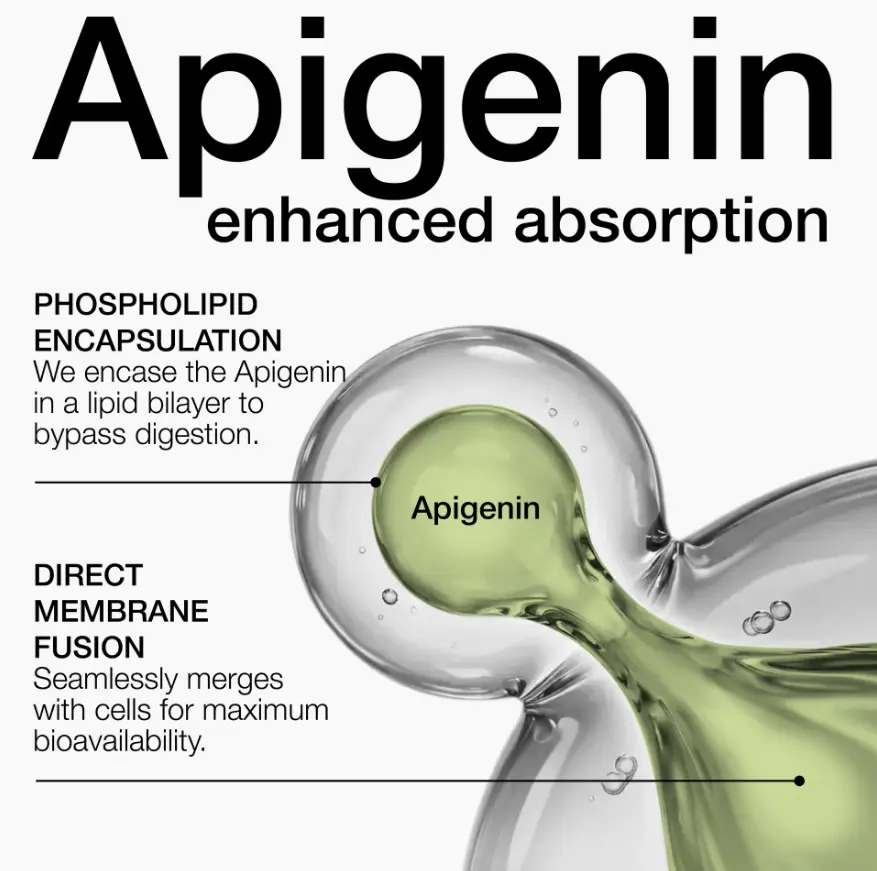
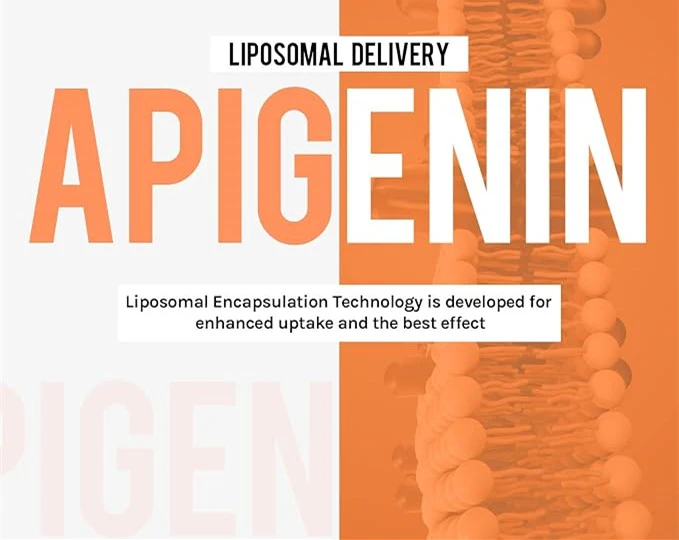
The liposomal form solves this issue immediately. A phospholipid bilayer, like that of natural cell membranes, contains the apigenin molecules. This structure prevents the active substance from interacting with the stomach acid and digestive enzymes and then allows for direct absorption via the membrane. The pharmacokinetic investigations on liposomal flavonoids often indicate a 3- to 10-fold increase in AUC (Area Under the Curve) and Cmax in plasma in comparison with the same medicines in free form (not encapsulated).
Market Relevance for B2B Buyers
The demand for apigenin products has skyrocketed as more consumers are looking for natural sleep aids, NAD+ longevity stacks, and stress relief options. A recognized botanical that wasn’t functioning well becomes an ingredient with liposomal delivery that can truly back up claims of performance. And that’s incredibly essential for marketers trying to explain high pricing to customers in the US and EU.
How Liposomal Apigenin Works in Dietary Supplements
The Delivery Mechanism Explained
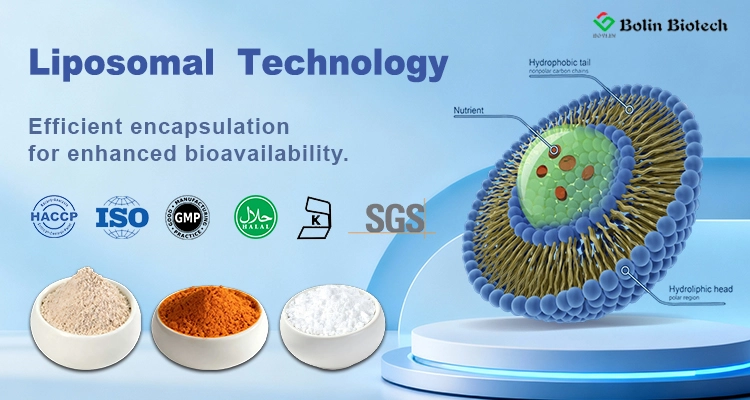
When mixed with water, good liposomal apigenin powder creates a stable liquid solution instead of solidifying as raw apigenin does. The lipid vesicles, which are usually 100nm to 300nm across and have a Polydispersity Index (PDI) below 0.3, make it through the digestive tract whole and then release their cargo at the cellular level. Encapsulation efficiency (EE%) should be at least 85% to make sure that most of the apigenin is inside the liposome and not just moving around outside of it.
Dosage Forms Used in Supplements
The light yellow powder form can be used in a lot of different types of finished goods. These are the main dose forms that supplement brands use today:
- Capsules and softgels: The most common finished format; the powder fills easily into vegetarian or gelatin capsules with minimal processing loss.
- Gummies: Suitable when heat exposure stays below 60°C to avoid degrading the phospholipid bilayer; best added after the high-temperature cooking step.
- Powdered drink blends and sachets: The water-dispersible nature of the liposomal form makes it practical for beverage applications, where standard apigenin would simply clump or separate.
- Tablets and pressed formats: Compatible with standard tablet compression equipment when particle size and mesh are specified correctly at the sourcing stage.
Each of these forms is aimed at a different group of customers. This is why brands that want to expand across multiple SKUs need formulation freedom at the raw material stage so much.
Safety and Tolerability
Liposomal apigenin is usually well tolerated at typical supplement doses. The phospholipid carriers are normally produced from non-GMO sunflower or soy phosphatidylcholine and are proven to be safe and have been used for a long time in medical and nutraceutical products. Formulators must check that the phospholipid source has a low peroxide value (PV) to make sure the lipid carrier has not oxidized during drying. This is significant because oxidized lipids may trigger inflammation.
Comparing Liposomal Apigenin with Other Supplement Options
Liposomal vs. Non-Liposomal Apigenin
The two kinds are quite different in terms of their effectiveness in the real world. Non-liposomal apigenin powders may seem identical on paper, but they really deliver much less of the active ingredient into the circulation. This discrepancy is a big deal for firms who are making claims regarding things like sleep quality, mental clarity, or cellular antioxidant activity. It also shows companies whether people would purchase their items again.
How It Compares to Other Liposomal Nootropics
The most comparable compounds in this category are liposomal quercetin and liposomal curcumin. There’s more research on curcumin’s capacity to decrease inflammation, while quercetin is associated with immune system support. Apigenin is unusual in that it naturally interacts with GABA-A receptors, which is why it is effective in drugs for sleep and relaxation. It also stacks well with NMN and resveratrol for life extension via the NAD+ pathway. Its efficacy is situation-dependent, and it fills a niche that the other two flavonoids don’t completely fill,” he explains.
Natural vs. Synthetic Sources
For other purposes, apigenin from plants such as chamomile or parsley remains the standard. There are synthetic copies of these ingredients, but firms that wish to be viewed as clean-label seldom go that route. Buyers should demand documentation of plant origin and pesticide test results that satisfy EU residue regulations. This is because the origin of the product affects both the quality of the product and the claims stated on the label.
Procurement Considerations for B2B Markets
Certifications That Signal Supplier Credibility
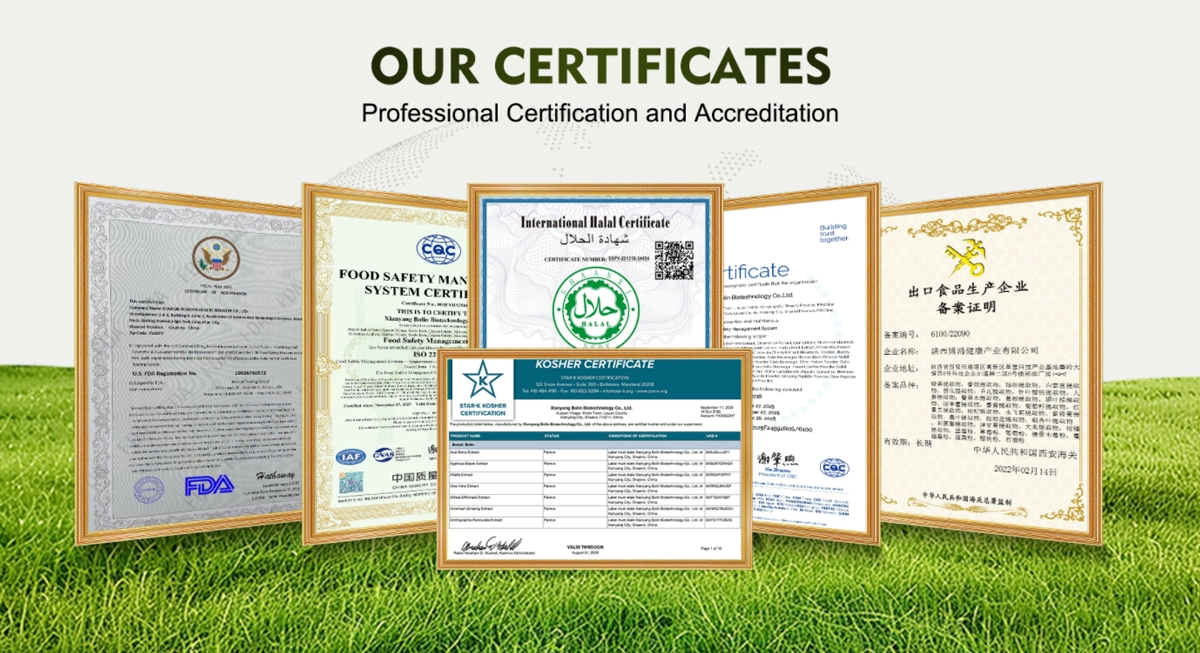
If you’re selling liposomal apigenin in the US and EU, you need to make sure the vendor has certain third-party certificates. Some of them include ISO, cGMP, HALAL, HACCP, SGS, and ISO22000. If a supplier has all of these, then they have been audited and proven compliant with manufacturing cleanliness, ingredient traceability, and quality control. This reduces the regulatory risk to be borne by procurement teams.
Quality Testing Points You Should Request
Before placing your first purchase, be sure you collect the necessary documents from any possible manufacturer:
- TEM imaging to prove real liposome vesicle structures exist (not just a basic lecithin-apigenin combination)
- EE % >85% encapsulation efficiency data verifiable by ultracentrifugation and HPLC
- Heavy metals values reveal Lead <0.5ppm and Arsenic <1ppm
- Residual Solvent Testing as per USP Guidelines
- Zeta potential value less than -30mV, indicating stability of the particles in suspension.
These statistics illustrate the distinction between actual liposomal technology and those products that just combine apigenin with phospholipids without encapsulation.
Formulation Flexibility and Private Label Options
For OEM and ODM buyers, being able to define particle size, active content percentage, and dosage form during the raw material stage saves a lot of time later on when they need to redo the formula. You don't need as many partners in your supply chain if you can find a company that can provide VesilipoTM Liposomal apigenin at a 70% apigenin standard, with mesh sizes that can be changed, packaging in 1 kg bags or 25 kg drums, and private label support.
Future Trends and Opportunities
Emerging Application Categories
Encapsulated apigenin is increasingly employed in the US supplement market in blends for sleep and relaxation (particularly those targeting GABA-receptor processes), neuroprotection stacks (designed to reduce oxidative stress in brain tissue), and lifespan and NAD+ support formulae. These are all product categories where consumers are actively seeking methods to distinguish themselves that are science-backed.
What This Means for Brands and Distributors
It’s tougher for rivals to immediately mimic the product narrative when businesses can get a constant supply of certified liposomal apigenin early on. The recorded bioavailability data, a variety of dose format possibilities, and clean certification credentials, all together, provide a sourcing advantage that further increases as the constituent gets more recognized.
Conclusion
Liposomal apigenin has gone from being a rare botanical ingredient to a reliable functional raw material that is backed by science in the delivery of medicine. It can be used for beauty-from-within recipes, supporting sleep, brain health, and vitamin nutrition.
FAQ
1. Does liposomal encapsulation actually improve absorption?
Yes. Pharmacokinetic studies on liposomal flavonoids consistently report substantially higher plasma concentrations compared to non-encapsulated forms. The lipid vesicles bypass first-pass hepatic metabolism and facilitate lymphatic uptake, which is why encapsulation efficiency above 85% is a key quality benchmark to verify before purchasing.
2. Is liposomal apigenin powder heat-stable for gummy production?
Liposomal phospholipid bilayers begin to degrade at sustained temperatures above 60°C. For gummy manufacturing, the best practice is to add the liposomal powder after the high-heat cooking phase. Tablet and capsule formats carry no such thermal risk.
3. What certifications should I require from a supplier?
For US and EU market entry, look for ISO, cGMP, HALAL, HACCP, and SGS certifications at minimum. These confirm audited production standards and reduce compliance risk during importation and product registration.
4. What is the minimum order quantity?
Vesilipo™ Liposomal Apigenin is available in 1kg bags for sampling and small-batch trials, and 25kg drums for production runs. Custom packaging and private label options are available upon request.
5. Can the formulation be customized?
Yes. Dosage form, active content percentage, mesh size, packaging format, and label design can all be specified. This applies to powder, capsule, tablet, and gummy formats.
Partner with Bolin Biotechnology for Your Liposomal Apigenin Supply
Since 2012, Bolin Biotechnology has been making plant extracts. They have a registered growing base of 25,800 acres and ISO-certified, cGMP-compliant production sites. As a direct manufacturer of liposomal apigenin, we offer VesilipoTM at a 70% apigenin specification. We offer samples, flexible order sizes, and full OEM support, which includes private label design. To get technical documents or a sample, email our team at sales1@bovlin.com.
References
1. Salehi, B. et al. "The Therapeutic Potential of Apigenin." International Journal of Molecular Sciences, 2019.
2. Telange, D. R. et al. "Formulation and Characterization of Apigenin-Phospholipid Phytosome Complex." European Journal of Pharmaceutical Sciences, 2017.
3. Allen, T. M. & Cullis, P. R. "Liposomal Drug Delivery Systems: From Concept to Clinical Applications." Advanced Drug Delivery Reviews, 2013.
4. Bhattacharya, S. "Phytosomes: The New Technology for Enhancement of Bioavailability of Botanicals and Nutraceuticals." International Journal of Health Sciences, 2009.
5. Shukla, S. & Gupta, S. "Apigenin: A Promising Molecule for Cancer Prevention." Pharmaceutical Research, 2010.
6. Roopchand, D. E. et al. "Dietary Polyphenols as Modulators of Brain Functions: Biological Actions and Molecular Mechanisms Underpinning Their Beneficial Effects." Oxidative Medicine and Cellular Longevity, 2013.