_1745226507162.webp)

The Science of Coenzyme Q10 Powder: Cardiovascular Mechanisms and Bioavailability Innovations
Coenzyme Q10 Powder functions as both an indispensable electron carrier within mitochondrial energy production and a potent antioxidant safeguarding cardiovascular tissues from oxidative damage. Scientifically known as Ubiquinone-10, this yellow-to-orange crystalline substance synthesized via microbial fermentation demonstrates remarkable clinical efficacy in supporting heart health through enhanced ATP generation and cellular protection. Understanding these mechanisms empowers product formulators and procurement teams to select bioavailable, high-purity CoQ10 ingredients that deliver measurable therapeutic outcomes in cardiovascular supplement development.
Understanding Coenzyme Q10 Powder and Its Cardiovascular Benefits
The Chemical Nature and Biological Role of CoQ10
Ubiquinone is a benzoquinone chemical that dissolves in fat and is found in all of our mitochondrial membranes. Premium-grade powder is commercially made by fermenting Agrobacterium tumefaciens or Rhodobacter sphaeroides strains. It guarantees 100% all-trans isomer configuration, which means it is bio-identical with human endogenous CoQ10. This level of molecular accuracy is very important because synthetic alternatives that use cis-isomers have lower biological activity and may cause unwanted changes in how well formulations work.
The compound naturally occurs in the highest amounts in organs with high metabolic rates, especially heart muscle tissue, which always needs a lot of energy. As people get older than 40, endogenous biosynthesis slows down a lot. This leaves them with physiological problems that their diet alone can't fix. The need for supplements in cardiovascular health plans is based on this metabolic fact.
Mitochondrial Function and Cellular Energy Production
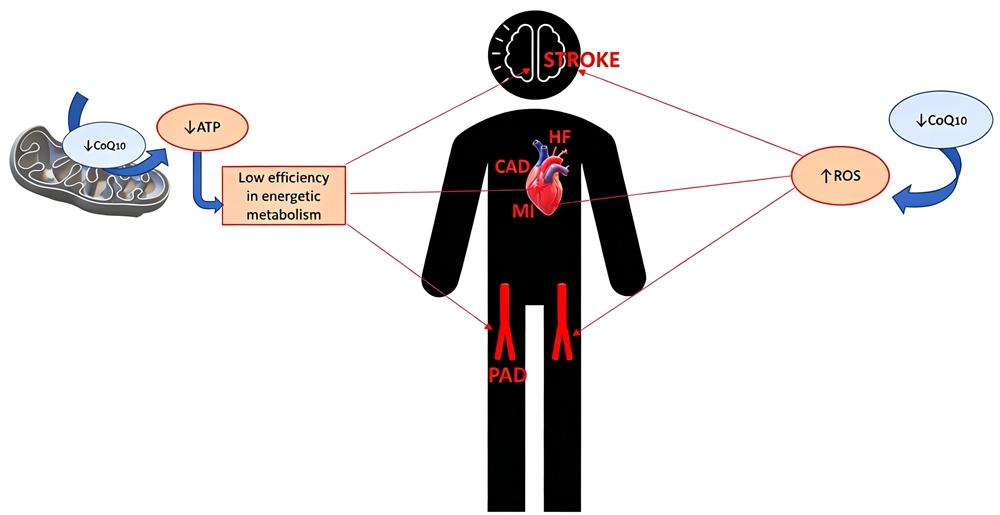
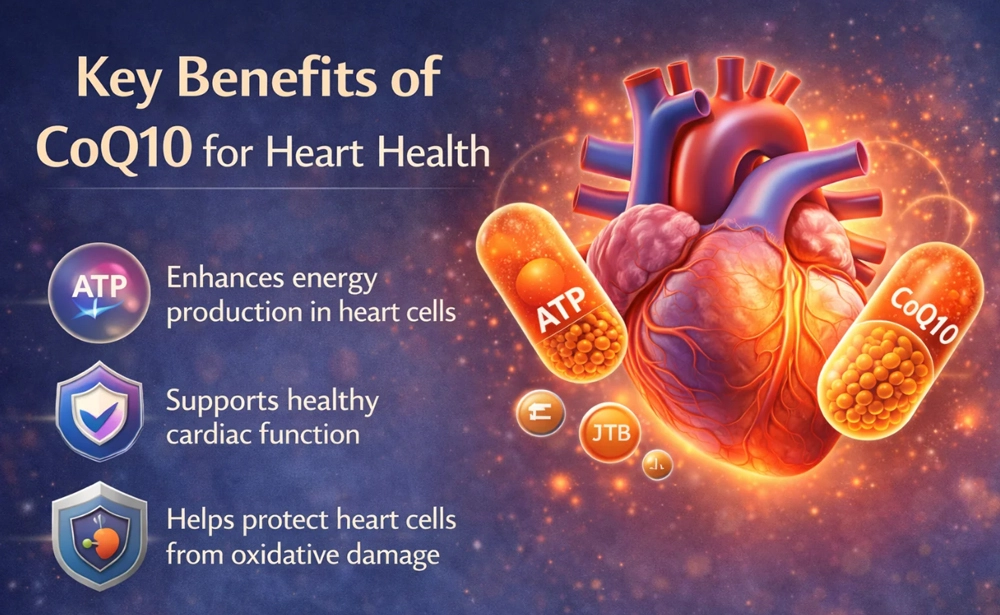
As part of the electron transport chain, ubiquinone takes electrons from Complex I and Complex II and moves them to Complex III. At the same time, it moves protons across the inner mitochondrial membrane. This difference in protons drives ATP synthase, which makes adenosine triphosphate, which is the energy currency of all cells. Heart muscle cells need a lot of ATP to keep contracting all the time. This means that the amount of Coenzyme Q10 Powder in the body is directly related to how well and how long heart muscles can work.
Studies in humans have shown that people with congestive heart failure always have much lower levels of CoQ10 in their myocardium compared to healthy controls. Supplementation studies show that ejection fraction and exercise ability improve when ubiquinone levels get back to normal through focused intervention.
Antioxidant Protection Against Oxidative Stress
CoQ10 is an important lipid-phase antioxidant that protects cellular membranes from peroxidative damage. It also plays a role in energy production. The substance directly gets rid of fatty peroxyl radicals and superoxide radicals, and it also makes antioxidants like vitamin E and vitamin C work again. This ability to regenerate forms a network of antioxidants that work together to protect heart tissues that are exposed to a lot of oxygen and reactive species.
Oxidative stress plays a big role in endothelial failure, artery stiffness, and the formation of atherosclerotic plaques. By stopping these harmful chains of events, ubiquinone supplements protect the heart in a way that has been proven in many clinical trials. When purchasing ingredients that work, people in charge should look for sources that can prove their antioxidant safety through the use of the right microencapsulation technologies that stop breakdown during storage and processing.
Bioavailability Challenges and Innovations in Coenzyme Q10 Powder
Traditional Formulation Limitations
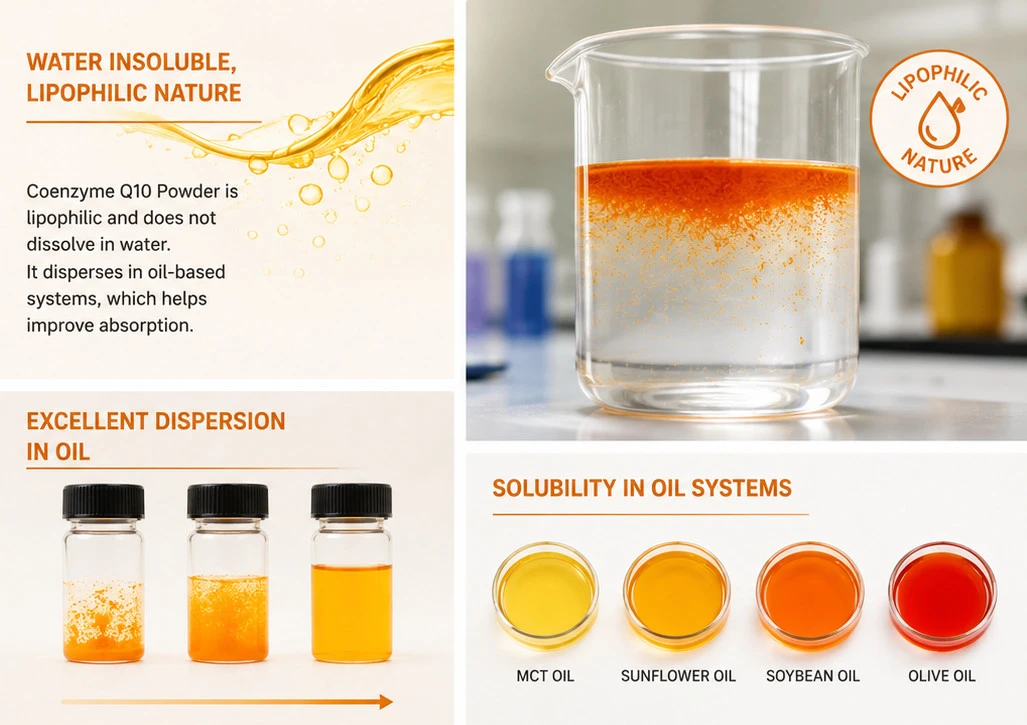
Because it is lipophilic and has a high molecular weight, conventional ubiquinone powder has a hard time being absorbed. The compound doesn't dissolve in water at all, which makes it hard for the body to absorb in the intestines and causes bioavailability rates to be below 10% in most formulations. Because it is not well absorbed, most of the CoQ10 that is eaten goes through the digestive system without getting into the bloodstream. This makes it much less useful for treatment.
Another important factor that affects dissolving rates is particle size. Standard solid powder with a 40-80 mesh size has slow breakdown rates in the watery environment of the intestines. The low melting point of about 48–52°C makes manufacturing even more difficult because precise temperature control is needed during milling and tableting to avoid caking and agglomeration, which lowers bioavailability even more.
Advanced Delivery System Innovations
These problems are fixed in modern formulation science in a number of complex ways. Micronization technology cuts the size of particles down to D90 values below 10 micrometers. This makes a huge amount more surface area available for dissolving and absorbing substances. Bioavailability is said to be 200–300% higher in products made with this method than in standard powder formulations.
Another big step forward is liposome encapsulation, which traps ubiquinone molecules inside phospholipid bilayer vesicles that look like cell membranes. These shapes make it easier for molecules to directly fuse with enterocytes in the intestine, getting around normal barriers to absorption. The results of clinical pharmacokinetic studies show that liposomal preparations reach peak plasma concentrations a lot faster and keep them there for a lot longer than regular capsules.
Nanoparticle-enhanced formulas that use nanosuspension technology or solid lipid nanoparticles improve absorption even more. Particles made by these systems are between 50 and 200 nanometers, which allows them to be taken up more easily by lymphatics and skip the first round of processing in the liver. When global B2B buyers are looking at a supplier's skills, they should give more weight to companies that can show verified particle size distribution data and viability testing that compares their products to industry standards.
Quality Assessment Parameters for Procurement
There are a few technical details that need to be carefully thought through when looking for ubiquinone powder for circulatory uses. Isomer purity is still very important, and premium grades promise that trans-configuration can only happen through fermentation-based production and not synthetic chemistry. Residual solvent analysis makes sure that there are no Class 2 solvents present, which could compromise safety profiles and regulatory compliance.
When manufacturers use protective technologies, stability testing under accelerated conditions shows what those technologies are. Assay values above 98% are kept during 24-month shelf life studies by superior providers using antioxidant stabilizers and light-protective packing for Coenzyme Q10 Powder. The best bulk density is between 0.4 and 0.6 grams per milliliter. This makes sure that the material flows evenly through high-speed encapsulation equipment, which stops production delays and fill-weight changes in commercial manufacturing settings.
Optimizing Dosage and Usage for Maximum Cardiovascular Support
Evidence-Based Dosage Guidelines
There is evidence that people who are healthy can take 100 to 200 milligrams of ubiquinone every day to keep their cardiovascular health in good shape. People who already have heart problems or who take statin drugs often do better with higher amounts of 200 to 400 milligrams per day, spread out over several meals to help the body absorb them better. Seniors over 60 usually need at least 100 milligrams every day to make up for the loss of biosynthesis that comes with getting older and keep tissue concentrations at a healthy level.
Heart failure patients are often given 300 milligrams every day as part of their treatment plans. This dose has been backed by several randomized controlled studies that show it improves functional capacity and lowers the number of hospitalizations. These clinical insights help B2B clients who are making cardiovascular supplement lines come up with evidence-based usage instructions that boost consumer trust and product credibility in tough markets.
Absorption Enhancement Strategies
Eating ubiquinone with fats greatly improves its absorption because the fats cause the production of bile acid and make emulsification easier in the intestines. Product makers can make formulations work better by adding medium-chain triglycerides or suggesting that the drug be taken with foods that have at least 15 grams of fat. When compared to fasting administration, this simple method can double or triple bioavailability.
The results of therapy are also affected by timing issues. Dosing spread out over the course of the day keeps plasma concentrations more stable than giving one large dose at once, which may be too much for the intestines to absorb, causing waste to be flushed out of the body. Formulation scientists can use these pharmacokinetic principles to come up with twice-daily dosing plans that get the most into the tissues and waste the least amount of drug.
Safety Profile and Interaction Considerations
Taking ubiquinone supplements has been shown to be very safe in a lot of clinical studies. Adverse effects are still very rare and usually mild. Less than 1% of users experience occasional stomach problems like sickness or diarrhea. These problems usually go away when the dose is changed or the medicine is taken with food. There are no major side effects linked to ubiquinone supplements in the research that has been released, which supports their use in a wide range of populations.
There isn't much chance of a drug interaction happening, but people who take warfarin should keep an eye on their INR levels because ubiquinone's structure is similar to vitamin K, which could affect anticoagulation. On the other hand, statin drugs greatly lower natural CoQ10 through blocking HMG-CoA reductase. This is why supplementation is especially helpful for people who are deficient because of their drugs. These insights into safety help procurement teams make full product documentation and customer advice materials that answer common questions and build trust.
Making Informed Procurement Decisions for Coenzyme Q10 Powder
Quality Certification and Compliance Standards
For sourcing to work, suppliers must first be carefully screened based on manufacturing certifications and regulatory compliance. GMP certification shows that a company follows good manufacturing practices, which makes sure that quality control is maintained throughout the whole production process. ISO 9001 certification verifies quality management systems, and HACCP certification verifies food safety rules in factories that make ingredients for functional foods and dietary supplements.
Pharmacopeial compliance with USP, EP, and JP standards makes sure that raw materials meet strict purity standards and analytical testing requirements that are recognized by regulatory authorities around the world. Suppliers who give full Certificates of Analysis that include identity testing via HPLC, purity tests above 98%, heavy metal screening, and microbial testing show that they are committed to quality, which protects the safety of consumers and the reputation of the brand.
In clean-label products, organic approval can help with marketing, but fermentation-derived ubiquinone production naturally uses few synthetic inputs. Instead of depending on what the seller says, buyers should check third-party certification from reputable groups. Traceability documentation that connects finished powder to specific fermentation batches lets people act quickly if quality problems arise, which keeps the supply chain running smoothly.
Supplier Evaluation and Partnership Development
When comparing possible makers, you need to look at more than just price. Providing technical support, such as help with formulation, advice for stable testing, and help with regulation paperwork, is very helpful during the entire product development cycle. Suppliers that have been around for a while and have their own research and development teams can suggest the best formulas to meet specific bioavailability goals or processing problems that are unique to different delivery forms.
How well providers can handle growth as product lines get bigger is based on their production capacity and scalability. Minimum order amounts must match the number of items that are sold at start, and choices for bulk purchases let costs be optimized as sales rise. Supply chain reliability, which includes backup inventory policies and alternative sourcing arrangements, protects against problems that could stop products from being available and hurt relationships with customers.
Logistics complexity and lead times are affected by where things are located. Manufacturers who have shipped goods internationally before are better at dealing with customs paperwork, transporting Coenzyme Q10 Powder at the right temperature, and following import regulations than exporters who haven't done it before. Established cold-chain logistics partnerships keep products stable while they're being shipped, stopping thermal degradation that would otherwise destroy their effectiveness.
Innovations and Future Trends in Coenzyme Q10 Powder Development
Emerging Production Technologies
Green chemistry ideas are driving fermentation optimization more and more. Next-generation bioprocessing cuts down on solvent use and trash production while increasing return efficiency. Metabolic engineering of production strains raises the rates of ubiquinone biosynthesis, which lowers the cost of production and the damage it does to the environment. These steps forward in sustainability are in line with what consumers care about and help clean labels stand out in competitive markets.
Using supercritical fluid technology for advanced extraction and filtering methods gets rid of all organic solvents, leaving behind a very pure powder that meets pharmaceutical-grade standards. Pharmaceutical businesses making botanical drugs need API-quality ingredients with full impurity profiles and batch-to-batch stability that goes above and beyond what is expected in dietary supplements. This technology helps them a lot.
Novel Formulation Applications
Ubiquinone is used in more than just heart-healthy pills. It is also found in functional drinks, nutrition bars, and beauty products that work from the inside out. Powders that are better dissolved in water make it possible to make clear drinks without the cloudiness or precipitation problems that come with regular forms.
Combination products that contain ubiquinone and nutrients that work well together, such as omega-3 fatty acids, magnesium, and D-ribose, provide full circulatory support by working on multiple inflammatory targets at the same time. More and more people want easy-to-use, science-backed wellness products that make daily health routines easier. These high-tech, multi-ingredient products meet that need.
Topical anti-aging skin care uses ubiquinone's ability to reach deeper into the skin to protect fibroblasts from UV-induced oxidative damage and help collagen production. It is possible to make cosmetic-grade powders with specific particle sizes and esterified derivatives that improve skin penetration and stability in emulsion systems. This opens up new market possibilities beyond oral supplementation.
Market Dynamics and Growth Opportunities
Cardiovascular supplements are in high demand because people in developed markets are living longer and want to avoid getting age-related heart disease. Ubiquinone is a key ingredient in longevity-focused product lines aimed at wealthy seniors willing to spend a lot of money on high-quality wellness solutions. There is clinical evidence that it plays a role in healthy aging.
Pharmaceutical companies are interested in ubiquinone as an extra treatment for heart failure and statin myopathy. This opens up possibilities for high-purity, clinically validated ingredients that meet the standards for drug development. To take advantage of this chance, you need to be able to make supplements that go above and beyond what is normally required. For example, you need to be able to provide detailed stability data, toxicology studies, and regulatory support documentation.
As more and more bioactive ingredients are added to everyday goods, the functional food industry has a lot of unused potential. Ubiquinone-fortified nutrition bars, breakfast cereals, and ready-to-drink drinks turn passive food consumption into active health maintenance, which makes them appealing to professionals who are short on time and want easy ways to stay healthy. Procurement teams that are forward-thinking and want to be early adopters of these new applications gain a competitive edge through established supplier relationships and formulation expertise.
Conclusion
Understanding how ubiquinone works in the heart and making improvements to its bioavailability allow for smart purchasing choices that have a direct effect on how well the product works and how well it does in the market. The compound works as both an antioxidant and an electron carrier in the mitochondria, which explains how it helps heart health in a way that has been proven by rigorous clinical study. Micronization, liposomal encapsulation, and nanoformulations are some examples of advanced delivery systems that get around traditional absorption barriers. This lets better products be made to meet changing market needs. To successfully source goods, you need to carefully check each supplier's quality certifications, expert help skills, and the dependability of the supply chain. High-quality Coenzyme Q10 Powder is becoming more useful in the cosmetics, functional foods, and pharmaceutical industries. It is a key ingredient for companies that want to use science to come up with new heart health solutions.
FAQ
1. What is the optimal storage condition for ubiquinone powder to maintain potency?
To keep from oxidatively breaking down, ubiquinone powder needs to be kept away from light, heat, and water. Keep in airtight, opaque containers below 25°C and with a relative humidity below 60%. Refrigeration makes food last longer than it would in normal settings, but you need to be careful not to let ice form when the temperature changes. The right way to store things keeps the assay values above 98% for 24 months when combined with the stabilizing technologies used by good manufacturers.
2. How does fermentation-derived CoQ10 differ from synthetic production?
Using Agrobacterium tumefaciens or Rhodobacter sphaeroides for fermentation only creates the all-trans isomer configuration, which is bio-identical to human ubiquinone that is found naturally in the body. When synthetic chemicals are made, they are often mixed with cis-isomers that have less biological action and possibly less safety. Synthetic chemistry uses harsh organic solvents and heavy metal catalysts, but fermentation methods don't. This means that the raw materials are cleaner and safer, which is why formulators who care about natural sourcing and following the rules prefer them.
3. Can ubiquinone supplementation interact with cardiovascular medications?
With most heart medications, ubiquinone doesn't interact with other drugs very much. Due to possible vitamin K-like effects, patients taking warfarin should keep an eye on anticoagulant factors, though the clinical relevance of this is still up for debate. Statins lower the body's natural supply of CoQ10 by blocking HMG-CoA reductase, so supplementation is especially helpful for this group. There are no known interactions between beta-blockers and antihypertensives. New research suggests that ubiquinone may improve treatment outcomes when used along with standard heart failure treatments.
Partner with Bolin Biotechnology for Premium Coenzyme Q10 Powder
If you need help making a cardiovascular product, Shaanxi Bolin Biotechnology has pharmaceutical-grade ubiquinone powder that meets the strictest quality standards. Our material comes from fermentation and is guaranteed to be 100% all-trans. Its assay values are always higher than 98%, and it comes with full analytical data and foreign certifications like GMP, ISO, and HACCP compliance. We have been a supplier of Coenzyme Q10 Powder to nutraceutical, pharmaceutical, and functional food companies around the world since 2012. We offer technical formulation support, flexible minimum order quantities, and reliable cold-chain logistics to make sure the integrity of the product goes from our facility to yours. Get in touch with our purchasing agents at sales1@bovlin.com to talk about your unique needs and find out how our plant-based solutions mix ancient plant knowledge with modern biotechnology to create better ingredients for heart health. You can look at our full line of scientifically proven natural chemicals that can help you reach your creativity goals at bolinbiotech.com.
References
1. Mortensen, S.A., et al. (2014). "The Effect of Coenzyme Q10 on Morbidity and Mortality in Chronic Heart Failure: Results from Q-SYMBIO: A Randomized Double-blind Trial." JACC: Heart Failure, 2(6), 641-649.
2. Langsjoen, P.H., & Langsjoen, A.M. (2008). "Supplemental Ubiquinol in Patients with Advanced Congestive Heart Failure." BioFactors, 32(1-4), 119-128.
3. Bhagavan, H.N., & Chopra, R.K. (2006). "Coenzyme Q10: Absorption, Tissue Uptake, Metabolism, and Pharmacokinetics." Free Radical Research, 40(5), 445-453.
4. Garrido-Maraver, J., et al. (2014). "Clinical Applications of Coenzyme Q10." Frontiers in Bioscience, 19, 619-633.
5. Littarru, G.P., & Tiano, L. (2010). "Clinical Aspects of Coenzyme Q10: An Update." Nutrition, 26(3), 250-254.
6. Pravst, I., et al. (2010). "Coenzyme Q10 Contents in Foods and Fortification Strategies." Critical Reviews in Food Science and Nutrition, 50(4), 269-280.