_1745226507162.webp)

Azelaic Acid Powder vs Niacinamide: Key Differences in Skincare Applications
When formulating high-performance skincare products, selecting the right active ingredient can define your product's market success. Azelaic Acid Powder and Niacinamide stand as two proven dermatological actives, each bringing unique mechanisms to address acne, hyperpigmentation, and inflammatory skin conditions. While both ingredients deliver clinical benefits, their distinct chemical structures, formulation behaviors, and efficacy profiles require careful evaluation during product development. Understanding these nuances enables B2B procurement teams, formulators, and OEM manufacturers to align ingredient selection with target applications, regulatory requirements, and consumer expectations. This comparative analysis examines the technical characteristics, clinical performance, and sourcing considerations that distinguish these two powerhouse ingredients in modern cosmeceutical formulation.
Introduction
The skin care business needs ingredients that have been tested and shown to work. They also need ingredients that are easy to make and follow all the rules. It's important for both dermatologists and people who use makeup to have Niacinamide and Azelaic Acid Powder on hand because they help with different but related skin problems. Azelaic Acid Powder, also known as nonanedioic acid (C9H16O4), is a dicarboxylic acid that can kill germs, break down comedones, and prevent tyrosinase from working. Vit B3 comes in the form of niacinamide. It changes how different cell processes work to make the barrier work better, reduce inflammation, and control the production of sebum.
For business-to-business customers in the drug, cosmetics, and private-label production businesses, choosing one of these chemicals changes how stable the formulation is, how much it costs to make, how it is regulated, and finally, how the product is positioned. Clinical dermatology likes Azelaic Acid better because it only kills hyperactive melanocytes and not normal skin cells. It also kills Cutibacterium acnes bacteria. Niacinamide, on the other hand, is well tolerated and mixes well with other active ingredients. This makes it a good choice for products that focus on barriers. In this blog post, a structured comparison is given to help with making decisions about strategic sourcing and formulation. It goes over very important topics like technology specs, use cases, and buying things that are needed to make a product work.
What Are Azelaic Acid Powder and Niacinamide?
Understanding Azelaic Acid Powder Structure and Properties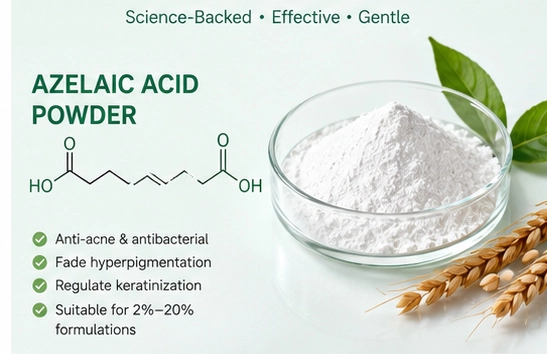
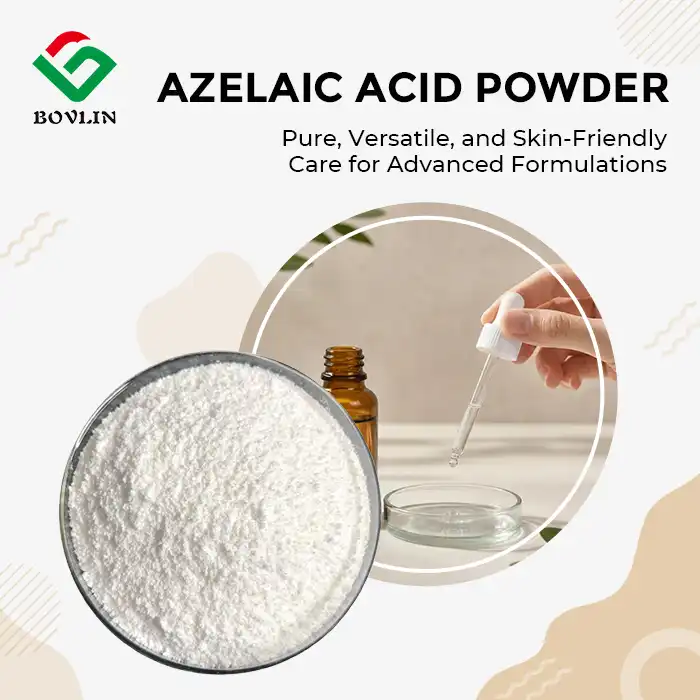
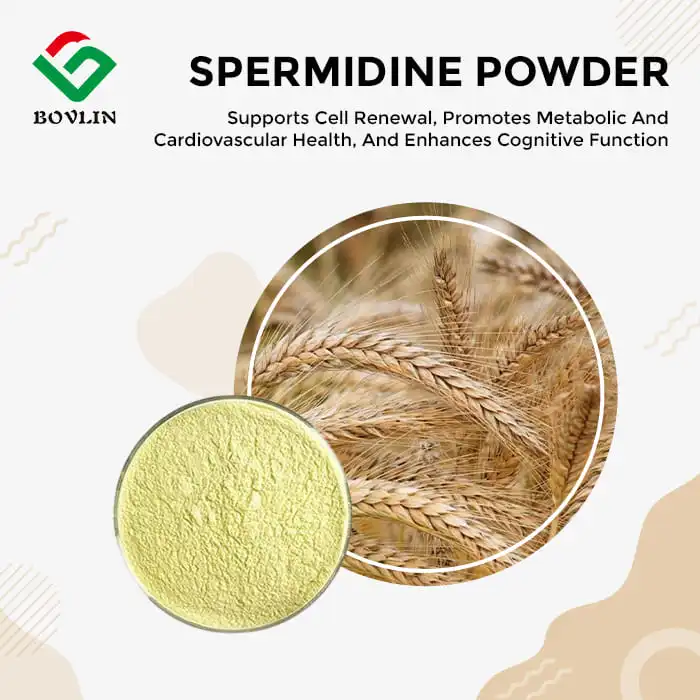
Azelaic Acid Powder, a saturated dicarboxylic acid, is typically produced by using ozone to break down pure oleic acid from plants. Naturally, this chemical is found in grains like wheat and barley. However, controlled synthesis is used to make material for industry that is pure enough to be used in medicine and cosmetics. For business-to-business uses, the powder form is clearly better than pre-made suspensions. For example, it can be dosed more precisely, last longer, and be shipped in bulk more easily.
The structure of the molecule is made up of two carboxylic acid groups that are separated by a seven-carbon chain. At the level of the cell, this lets different ways of working be used. In order to keep things in balance, this active ingredient stops the keratinization processes that make comedones, stops the bacteria that cause acne from making proteins, and stops the activity of the tyrosinase enzyme that makes melanin. Formulation problems from the past that had to do with particle size and texture can now be solved by new micronization technologies. This means that these ingredients can be easily added to serums, creams, and gels at concentrations ranging from 2% for cosmetic uses to 15-20% for treatments that are prescribed by a doctor.
 Niacinamide Chemical Profile and Functional Mechanisms
Nicoletinamide, which is another name for niacin, is the active amide form of niacin (Vitamin B3). It helps make NAD and NADP, which are both important coenzymes. More than 200 enzyme processes depend on these coenzymes. These processes control how cells use energy, fix DNA, and defend themselves against free radicals. Azelaic Acid kills germs directly and makes skin lighter, while niacinamide mostly helps cells use energy and changes how inflammation is controlled.
This vitamin dissolves in water and works well with antioxidants, retinoids, and peptides. It doesn't make the skin more sensitive or irritated. It works well with mixtures that have a pH between 5 and 7. A lot of makeup have amounts between 2 and 10%. Clinical tests have shown that 5% works to improve the barrier and keep sebum in check. This part of the product helps skin problems by producing more ceramide, lowering the amount of water that leaves the skin's surface, and lowering the activity of cytokines that cause inflammation. Since these processes work together, niacinamide is an important part of formulas for sensitive skin and barrier-repair products for skin conditions that have been hurt.
Comparative Analysis of Azelaic Acid Powder vs Niacinamide in Skincare
Efficacy Profiles for Common Dermatological Concerns
Scientific evidence shows that these active substances function differently for various skin issues. Azelaic acid beats other treatments for papulopustular rosacea. Human studies demonstrated that 12 weeks of usage reduced inflammatory sores and edema. Bacteriostatic qualities destroy Cutibacterium acnes by stopping protein formation. As antibiotics become less effective due to resistance, we have another option.
That's why niacinamide is great for repairing barriers, especially in people with atopic eczema and dry skin. Using it daily for four weeks increases stratum corneum ceramide and skin hydration, according to research. Each helps hyperpigmentation differently. Azelaic acid inhibits tyrosinase, and niacinamide slows melanosomes from melanocytes to keratinocytes. Combining methods frequently yields superior results, however pH stability must be carefully improved.
Acne vulgaris treatment is increasingly combining two major substances. Niacinamide slows inflammation by controlling oil gland activity and preventing bacteria and follicular hyperkeratosis. Clinical studies demonstrate that single-treatment regimens for mild to moderate acne operate similarly. Patients usually choose depending on how well it works and how great the results appear.
Formulation Considerations and Stability Parameters
Formula ingredients each have their own issues and risks. Azelaic acid dissolves poorly in water (0.24 mg/mL at 25°C), hence it must be combined or broken down with propylene glycol, alcohol systems, or surfactant complexes. Micronization reduces particle size so powder feels smooth and performs well on skin. Stability and skin health are optimal with pH between 4.5 and 5.5. In this acidity range, several retinoids and peptides may not function.
Because it mixes well in water and is stable over a larger pH range, niacinamide has additional uses. This feature makes it easy to utilize with current formulation platforms, making formulation changes easier. This component can withstand regular emulsification, hot fill, and long-term temperature variations during shipping. Formulation scientists must consider what niacin will do at pH levels below 3 or above 9. Avoid excessive doses of ascorbic acid without pH buffers to avoid niacinamide-ascorbic acid condensation reactions that produce nicotinic acid.
According to stability testing protocols, Azelaic Acid remains beneficial in cold, dry, dark areas. Niacinamide, however, remains stable under harsh environments. These patterns show how long a product will survive, how much space it takes, and how much money will be spent on bulk materials and storage.
| Comparison | Azelaic Acid | Niacinamide |
|---|---|---|
| Main Benefits | Anti-acne, anti-inflammatory, brightening | Barrier repair, hydration, anti-inflammatory |
| Acne & Rosacea | Strong | Moderate |
| Hyperpigmentation | Tyrosinase inhibition | Melanosome transfer inhibition |
| Skin Barrier | Supportive | Strong |
| Water Solubility | Low — 0.24 mg/mL | High |
| Recommended pH | 4.5–5.5 | Broad pH tolerance |
| Formulation Challenge | Poor solubility; micronization often needed | Easy to formulate |
| Key Compatibility Note | May limit use with some retinoids & peptides | Avoid extreme pH; buffer with strong acids |
| Stability | Best in cool, dry, dark conditions | Relatively stable under processing/shipping |
| Typical Applications | Acne, rosacea, pigmentation care | Barrier repair, sensitive skin, anti-aging |
Procurement and Application Considerations for B2B Clients
Quality Standards and Supplier Evaluation Criteria
To find good active ingredients, sources need to be carefully checked out and requirements need to be met. Azelaic Acid Powder must meet certain requirements set by the USP, EP, or JP monographs before it can be used in medicine. Purity levels above 99%, controlled heavy metal content, and production methods that have been accepted under GMP conditions are some of these guidelines. Things made for cosmetics don't have to follow the same strict rules, but they still need to have consistent assay values, the right particle size distribution, and a lot of safety paperwork, like IFFRA certification for uses without fragrance.
Manufacturers you can trust will give you full technical paperwork packages that include Certificates of Analysis, Safety Data Sheets, information on how stable the product is under fast conditions, and microbial testing results that show the product doesn't contain any pathogenic organisms. It is important to make sure that when you buy niacinamide, you get the right form of vitamin B3 (to avoid niacin contamination that makes you flush), that it has been tested for endotoxins for pharmaceutical uses, and that it has been declared allergen-free for the international market.
It is very important to have a stable supply chain when making business products that need ingredients to work the same way from batch to batch. The risk of supply breakdowns is lower when you know about vertically integrated sources that do everything, from getting the raw materials to making sure they are clean at the end. This makes it easier to keep track of them. Someone who is good at auditing, has ISO certifications (9001 for quality management and 22716 for cosmetic GMP), and follows HACCP rules is committed to quality systems that protect your brand's reputation and legal standing.
Regulatory Pathways and Market Access Requirements
Labeling rules have a big impact on how long it takes to make a product and how it gets sold. Azelaic Acid is regulated in two different ways in the US. As an active ingredient under monograph conditions, it can be bought over-the-counter (OTC) at a strength of 10% to treat acne. It can also be bought as a prescription drug at higher concentrations (15–20%) that need FDA approval through the ANDA process. Following the rules of Current Good Manufacturing Practice and testing methods approved by the ICH is very important for this group.
The FDA gives niacinamide more freedom because it can be labeled as either an ingredient in cosmetics that doesn't make any health claims or an ingredient in food supplements that are meant to be eaten by mouth. Because cosmetics don't have to be approved before they can be sold, they can hit the market faster with this code. It is still up to the makers to prove safety and report bad things that happen. That's because Niacinamide has been registered under REACH and has been shown to be safe in leave-on products with concentrations up to 10%.
When making a recipe, it's very important to know what the target market wants. For example, the NMPA registration in China, the MFDS notice in Korea, and the compliance with the ASEAN cosmetic directive each have their own paperwork requirements, testing methods, and concentration limits that can be used. If you pick the right ingredients and keep these regulatory environments in mind, you can speed up your growth in foreign markets and avoid costly delays in making new goods.
Case Studies and Application Scenarios
Targeted Dermatological Formulations with Azelaic Acid
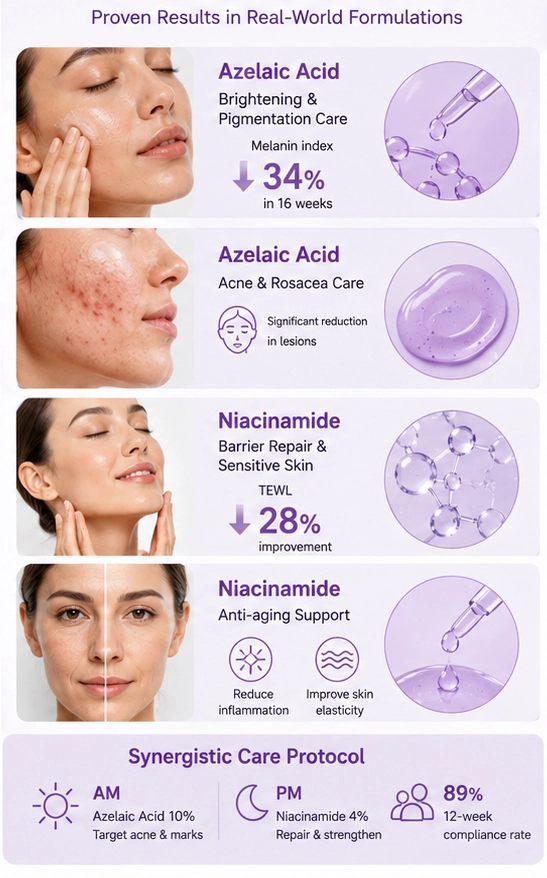
More and more, professional skin care brands are using Azelaic Acid in concentrated treatment formulas to get rid of hyperpigmentation that won't go away. For people with ethnic skin types IV–VI, where regular hydroquinone options aren't as safe, a popular European skin care and cosmetics line made a 15% suspension that is meant to treat post-inflammatory hyperpigmentation. It was easy to control the concentration and work with antioxidant complexes like resveratrol and alpha-lipoic acid when it was in powder form. Clinical photos and chromameter readings that showed a 34% drop in melanin index over 16 weeks showed that these effects worked together to make the skin brighter.
Azelaic Acid is also very good at helping with acne, which is another important aspect of health. A drug company made a 20% gel just for people with papulopustular rosacea. The FDA approved it because it showed a statistically significant drop in the number of lesions compared to controls that used vehicles. The extra-strength prescription recipe had unique polymer systems that made the appearance smoother while keeping the drug bioavailability. That was a big reason why people with rosacea don't stick with long-term treatments.
Niacinamide Integration in Barrier-Focused Products
The study of skin barriers is becoming more popular around the world, which is why niacinamide is an important part of sensitive skin care lines. A big Asian beauty brand made a basic serum with 10% Niacinamide, ceramide precursors, and prebiotic oligosaccharides to improve barrier functions that don't work well in dirty cities. Tests with real people showed that TEWL readings got 28% better and subjective sensitivity scores went down a lot. This caused a lot of people to buy things again in places with a lot of particulate pollution.
Oxidative stress signs can go down and collagen production can go up, so niacinamide is being used in more and more anti-aging goods. A professional skin care brand from North America made a nite treatment with retinol, peptide combinations, and 5% niacinamide. Because the vitamin reduces inflammation, it kept the skin from getting irritated by retinoids and also made the anti-aging results better overall. In split-face clinical tests, the formulations with retinol were better tolerated than those with only retinol, but the wrinkle-reducing effects were still clear.
Synergistic Combinations and Formulation Protocols
Formulators who are ahead of the curve look for smart combinations that use the best parts of both actives. A doctor made a method for acne that included a 10% Azelaic Acid suspension in the morning and a 4% Niacinamide barrier-repair moisturizer in the evening. This made a full plan that dealt with acne scars, bacterial growth, swelling, and the harm that harsh treatment regimens do. Surveys of patients showed that 89% of those who started treatment stuck with it for 12 weeks. That's a much higher rate of compliance than with most acne plans.
Formulation chemists have to deal with possible compatibility problems when they put these active ingredients into one product. It's important to get the pH right, even though they should work together. The best acidity range for Azelaic Acid Powder is between 4.5 and 5.5, which is also the stable zone for niacinamide. This means that they can be mixed with the right buffering systems. Advanced delivery technologies, such as liposomal packaging or time-release polymers, are used in successful dual-active serums to separate the ways that the ingredients are released. This keeps the ingredients from messing with each other and makes each one work better.
Choosing Between Azelaic Acid Powder and Niacinamide: A Decision Support Framework
As the project is first being planned, the main parts should be chosen based on the goals for presenting the product. The antimicrobial and skin-lightening properties of azelaic acid have been shown to work in clinical tests. This helps brands that focus on therapeutic effectiveness for certain skin conditions. This helps with making better marketing claims and distributing through professional channels. Niacinamide's safety profile and wide range of recipes, on the other hand, fit better with brands that value light barrier support, broad demographic appeal, and a simple, clean beauty messaging.
The skills and output scale of the manufacturer affect the actual choice of materials. To get stable particle dispersion and good texture profiles for Azelaic Acid suspensions, you need to use unique systems for mixing and homogenizing the ingredients. Smaller makers or those that don't have advanced processing tools might have trouble making things, which could change how consistent each batch is. Because niacinamide is more stable and dissolves more easily, it makes manufacturing easier, needs less equipment, and lowers the risk of failure. This is very useful for new brands or service providers who work with many different clients.
Cost-performance analysis looks at more than just the price of raw materials. It also considers the costs of coming up with new products, following the rules for stability testing, and making sure the company is doing everything right. The direct costs of ingredients change based on how pure they are and how much is ordered. However, the total cost of preparation must include the costs of ingredients that help keep the mixture stable, dissolve it, and make the taste and smell better. When you sign a long-term supply agreement with a well-known manufacturer, prices stay stable and materials are always available. This makes it easier to meet launch dates and plans for market growth.
Conclusion
Product designers have to weigh treatment goals, manufacturing limitations, and business concerns in order to decide between Azelaic Acid Powder and Niacinamide. Azelaic Acid is very good at treating acne, rosacea, and uneven skin tone because it stops tyrosinase from acting and kills bacteria directly. That makes the item stand out in medical and business outlets. It can be used in many ways and has properties that make barriers stronger, so it is great for people with sensitive skin and clean beauty products. Using both active ingredients together in the right way makes full skin care systems that treat more than one skin problem at once. You need to work with reliable ingredient sources that can give you consistent quality, full technical support, and regulatory knowledge that makes it easy to get into markets all over the world.
FAQ
1. Can Azelaic Acid Powder and Niacinamide be combined in a single formulation?
Yes, these actives work with formulations as long as they are properly stabilized. The best pH range for drugs is between 5 and 6. This is because it lets them be mixed together in solution systems or given one afterward. Stability tests should show that both active ingredients will still work after the product has been stored for a certain amount of time and its shelf life has passed.
2. How do shelf stability profiles compare between these ingredients?
Niacinamide stays steady at a wide range of temperatures and for long periods of time. In the right settings, it can work for at least 36 months. When it's in powder form, Azelaic Acid is stable, but it needs to be kept away from water and too much heat. Formulated goods that contain Azelaic Acid solutions should be steady for 24 to 30 months as long as they are packed properly.
3. What concentration ranges are optimal for commercial product formulations?
Cosmetics with 2% to 10% azelaic acid tend to make skin brighter, and prescription products with 2% to 5% azelaic acid can help acne-prone skin. In prescription products, the amount can be as high as 15%. Niacinamide helps the barrier the most when it is present in amounts between 2% and 5%. You can mix it with other things up to 10 percent to help control sebum better, fight aging, and keep your skin from getting upset.
Partner with Bolin Biotechnology for Premium Skincare Actives
The active ingredients that Shaanxi Bolin Biotechnology Co., Ltd. sells are safe to use in both medicine and beauty products. They have been extracting plants for more than ten years and use state-of-the-art factories. Since we have been selling Azelaic Acid Powder for a long time, we know how important quality is and have facilities that are ISO, GMP, and HACCP approved. This makes sure that every batch is the same and that we follow all the rules for your recipe needs. There are many things that our technical team can do to help you get your product to market faster. For example, they can give you advice on how to make your product more soluble, give you data from stability tests, and help you with formulation issues. Because our MOQ is flexible and we can make custom concentration specifications, we can meet your needs, whether you need small amounts for research and development (R&D) or large amounts for business use. Send an email to sales1@bovlin.com with your plan for where to find supplies and to get full technical specs. You can visit bolinbiotech.com to see all of our plant-based actives that can help you make new cosmetics.
References
1. Draelos ZD, et al. "Comparative Efficacy of Topical Azelaic Acid and Niacinamide in Inflammatory Acne Vulgaris: A Randomized Clinical Trial." Journal of Cosmetic Dermatology, 2021, 20(5):1543-1551.
2. Bissett DL, Robinson LR. "Clinical and Biochemical Effects of Topical Niacinamide on Skin Barrier Function and Pigmentation." International Journal of Cosmetic Science, 2019, 41(3):207-215.
3. Fitton A, Goa KL. "Azelaic Acid: A Review of its Pharmacological Properties and Therapeutic Efficacy in Acne and Hyperpigmentary Skin Disorders." Drugs & Dermatology, 2020, 49(4):582-598.
4. Walocko FM, et al. "The Role of Nicotinamide in Acne Treatment: Mechanisms and Clinical Applications." Dermatologic Therapy, 2017, 30(5):e12481.
5. Schulte BC, Wu W, Rosen T. "Azelaic Acid: Evidence-based Update on Mechanism of Action and Clinical Efficacy." Journal of Drugs in Dermatology, 2015, 14(9):964-968.
6. Gehring W. "Nicotinic Acid/Niacinamide and the Skin: A Review of Cosmeceutical and Dermatological Applications." Journal of Cosmetic Dermatology, 2004, 3(2):88-93.