_1745226507162.webp)

What Is Sodium Hyaluronate Powder? Benefits, Uses and Applications
Sodium Hyaluronate Powder represents a transformative ingredient that has revolutionized multiple industries through its exceptional moisture-binding properties and biocompatibility. As the sodium salt derivative of hyaluronic acid, this white-to-off-white crystalline substance offers superior stability and solubility compared to its parent compound, making it indispensable for formulators across nutraceutical, pharmaceutical, cosmetic, and functional food sectors. Understanding its chemical characteristics, therapeutic potential, and procurement considerations enables B2B decision-makers to leverage this powerhouse ingredient effectively.
Understanding Sodium Hyaluronate Powder
Chemical Structure and Molecular Weight Significance
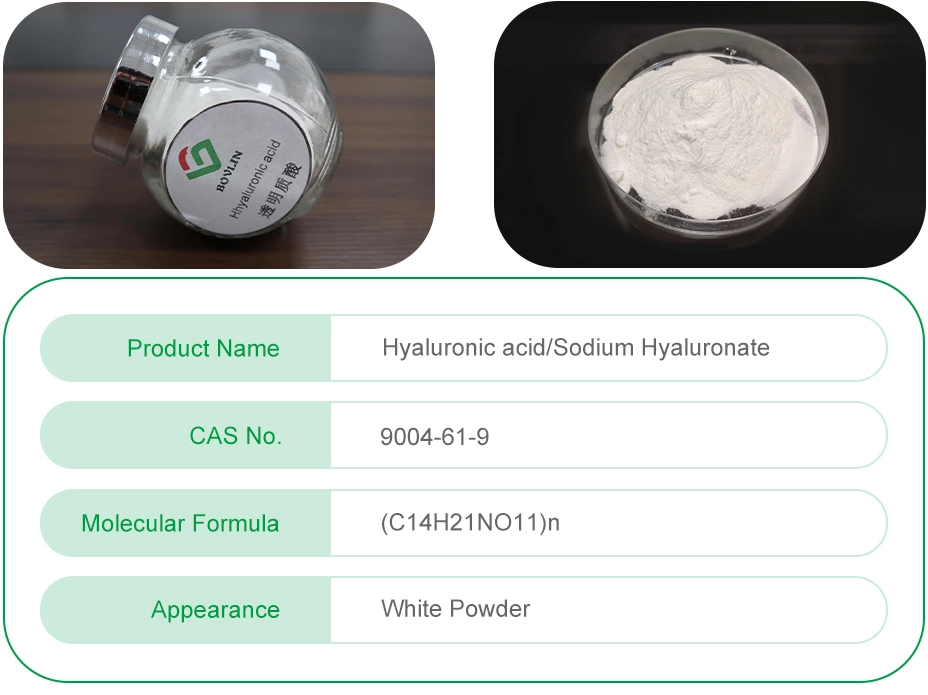
Repeating disaccharide units of D-glucuronic acid and N-acetyl-D-glucosamine make up the structure of hyaluronate sodium chains. This ingredient is unique because its molecular weight ranges from very low (10–100 kDa) to very high (1,500–2,000 kDa). Different types with low molecular weight get deeper into the skin and joint tissues, while types with high molecular weight make protective films on the skin's surface that keep moisture in. This variety of molecules lets formulators change how well a product works based on how deeply and for how long they want it to work.
Teams in charge of buying things should know that molecular weight has a direct effect on bioavailability and useful results. Oral vitamins with low molecular weight hyaluronate are better absorbed by the intestines, according to studies. This makes them better for joint health formulations. On the other hand, topical skin care products benefit from molecular weight variants that provide long-lasting surface moisture without going too deep.
Physical Properties and Handling Characteristics
It is easy for the powder form to take water from the air because it is hygroscopic. Once the box is opened, it needs to be used right away or resealed with desiccants in closed containers to keep the product from clumping. Large-scale manufacturing settings that use precise weighing systems have trouble automating tasks because of this trait.
Different molecular weights have different solubility patterns. Sodium Hyaluronate Powder with lower molecular weight dissolves more quickly in water at room temperature, while powders with higher molecular weight may need to be heated slowly to 40–50°C while being stirred continuously. The solutions that are made are clear to slightly cloudy, and their texture changes depending on the molecular weight and quantity.
Materials that are pharmaceutical-grade, cosmetic-grade, or food-grade are labeled with a different grade. Pharmaceutical-grade versions are tested to make sure they meet strict pharmacopeia standards (USP, EP, JP) and have purity levels above 95% and controlled endotoxin limits. Food-grade materials follow FDA GRAS status and EU Novel Food rules, while cosmetic-grade materials follow INCI terminology and safety tests according to CTFA standards.
Differentiation from Related Compounds
Hyaluronic acid and its sodium salt are often used interchangeably, but they are not the same thing. The sodium salt form is more stable and dissolves easily in water, so it doesn't break down during storage or the manufacturing process. While ready-made liquid solutions are convenient, they limit the concentration options and raise the cost of shipping because of the extra weight of the water. Formulators can precisely control the amounts of the final product when it is in powder form, and powders last longer when stored properly below 25°C in sealed cases that are kept out of light.
Benefits and Advantages of Sodium Hyaluronate Powder
Skin Hydration and Anti-Aging Properties
Most humectants can't hold as much water as hyaluronate sodium can. It can hold up to 1,000 times its own weight in water. This amazing trait makes the skin's moisture levels look better. In fact, after 8 weeks of topical application at a concentration of 1%, corneometer readings went up by 96%, according to clinical tests. The ingredient helps keep the integrity of the dermal matrix by increasing the activity of fibroblasts and collagen synthesis. This makes the skin more elastic and reduces the look of fine lines.
When cosmetic scientists make anti-aging serums, they usually use amounts between 0.5 and 2.0% to get the best value for money. Going over 2% doesn't add much to the water benefits and makes the raw material costs go up a lot. The powder form lets you precisely titrate to get the texture and taste properties you want, without having to change the recipe because the solutions are already watered down.
Therapeutic Applications in Joint Health
In addition to its skin benefits, sodium hyaluronate plays important medicinal roles in physical medicine. Injections of high molecular weight variants into the joint provide viscosupplementation for people with osteoarthritis, which cushions joint spaces and lowers inflammation. Oral supplementation with low molecular weight forms (below 50 kDa) improves bioavailability. After 12 weeks of supplementation, randomized controlled studies showed lower scores for joint pain and higher scores for movement markers.
Pharmaceutical companies that make over-the-counter supplements for joint health choose materials that have molecular weight distribution certificates and heavy metal testing reports that can be proven. The powder format makes encapsulation and pill compression easier than liquid formats, which improves the speed of production and keeps products stable over time.
Emerging Applications and Safety Profile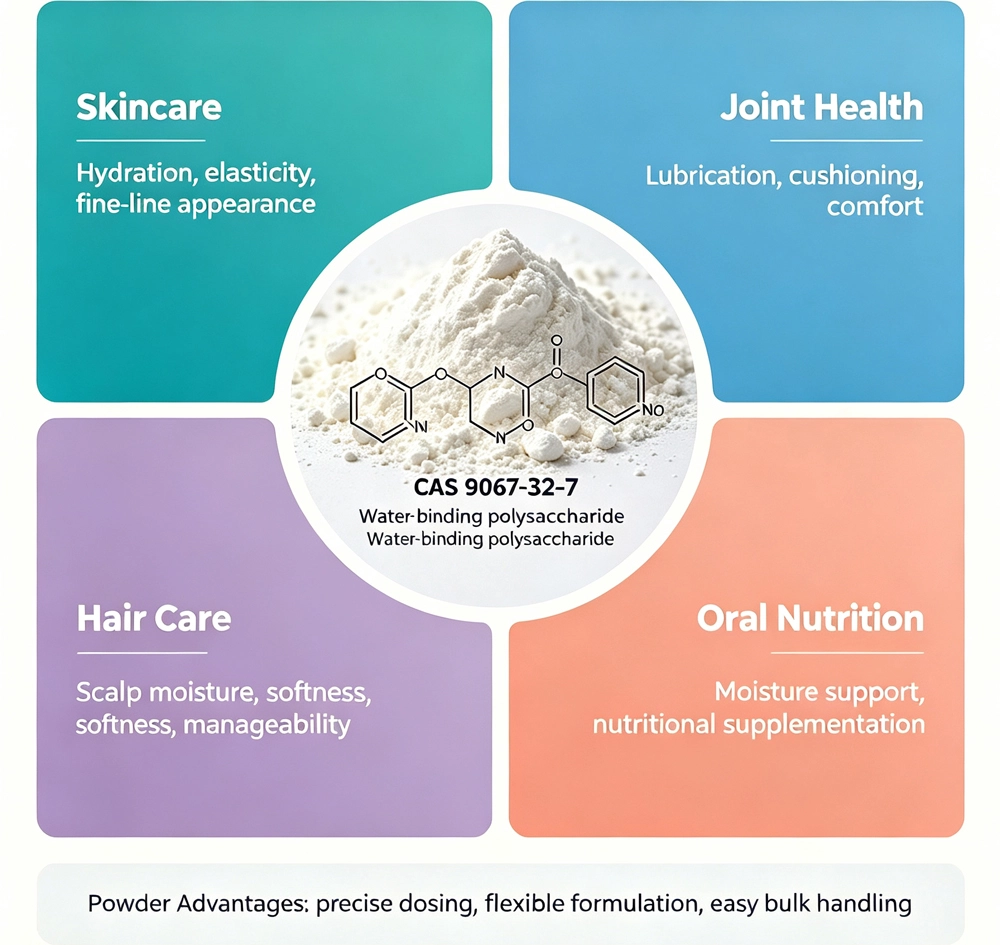
Hyaluronate sodium is being used more and more in hair care products to keep the scalp moist and the hair shaft healthy. Shampoos and conditioners with concentrations between 0.3 and 1.0% make hair easier to manage without making it heavy.
Food-grade uses are still limited, but they are growing. This is especially true in Japan, where oral hyaluronic acid supplements are very popular with consumers. In the United States, GRAS-status materials can be found in functional drinks and nutrition supplements, but not in amounts higher than 200 mg per dose. Safety tests show that the tolerance profiles are very good, and there are no major side effects recorded in clinical papers at the recommended doses.
This ingredient can be used to improve the look of skin, help with healing, and add to food as a supplement. Its many uses make Sodium Hyaluronate Powder a useful raw material for a wide range of B2B client needs. Compliance paperwork like ISO 22000, GMP licenses, and Kosher/Halal proof makes it more appealing in global markets with different rules.
Usage and Practical Application Guide for B2B Clients
Cosmetic Formulation Protocols
When adding hyaluronate sodium to skin care products, you need to pay attention to how it dissolves and the pH level. The ingredient mixes best with deionized water that has a pH between 6.5 and 8.0, which is neutral to slightly alkaline. Acidic conditions below pH 5.0 can cause breakdown, which weakens molecules over time.
The recommended method is to slowly mix powder into water at room temperature while stirring it around a bit. After 30 to 60 minutes, the temperature should be raised to 40 to 45°C if necessary to full dissolving. Do not mix too quickly, as this can cause air bubbles and oxidative stress. Serums usually have usage rates between 0.5 and 2.0%, while sheet masks may use higher concentrations of up to 3.00% for intense hydration effects.
It's important to think about how well hyaluronate sodium works with other active ingredients. For example, it works well with niacinamide, peptides, and antioxidants. Ionic reactions with some carbomer-based gelling agents, on the other hand, may make the viscosity lower. To keep the rheological stability, formulators should add the ingredient when the temperature drops below 45°C or choose electrolyte-resistant polymers.
Pharmaceutical and Nutraceutical Integration
When supplement makers work with large amounts of hyaluronate powder, they face different technical problems. The flow properties of the powder help with the filling of capsules, but it's important to keep the production areas dry so the powder doesn't soak up water and clump. To get the right compressibility and dissolution rates, tablet formulas need the right excipients, such as magnesium stearate and microcrystalline cellulose.
For beverage uses, the material must be fully dissolved so that it doesn't form sediment. Low molecular weight types (below 30 kDa) are clearer in water-based systems and work better with flavors. When properly made, stability testing under accelerated conditions (40°C/75% RH) confirms that the product's effectiveness is maintained for the normal 24-month shelf life.
Case studies from real life show how integration can work well across different types of products. A popular brand of joint health products made sure that each batch was of the same high quality by using pre-dissolution protocols. In these protocols, powder is mixed with water 24 hours before it is mixed with other ingredients. A high-end skin care line cut down on production costs by 30% by carefully choosing medium molecular weight types that could be dissolved totally at room temperature. This got rid of the need for heating steps and saved money on energy.
These application insights help procurement and research and development teams improve formulation workflows while meeting end users' expectations for product effectiveness. Technical support from sources with a lot of knowledge can help shorten development times and solve problems that come up during production that are unique to large-scale operations.
Comparison and Quality Evaluation for Procurement
Material Format Analysis
The people who make decisions need to figure out whether powder or ready-made answer forms work better for their operations. When compared to liquid forms of the same concentration, powder usually saves 20 to 30 percent on the cost per kilogram of active ingredient. Powder is easier to transport because it is lighter and takes up less space. This saves money on freight costs and reduces the carbon footprint.
Solutions make things easier for contract manufacturers or people who only make small amounts of something. But they make it harder to change the concentration and add standards for preservatives to keep microbial stability. Comparing shelf lives shows that powder that is kept in the right conditions stays effective for 36 months, while solutions usually need to be used within 12 to 18 months of being made.
Critical Quality Metrics
pure evaluation is the most important quality factor, and medicinal uses need to be at least 95% pure, which can be confirmed by HPLC analysis. To keep allergic potential to a minimum, protein level should stay below 0.1%. Testing for heavy metals like lead below 3 ppm, arsenic below 2 ppm, and cadmium below 1 ppm makes sure that safety rules are followed in all foreign markets.
Gel permeation chromatography is needed to check the molecular weight distribution, and documents must include the average molecular weight and the polydispersity index. Product performance reproducibility is affected by consistency between batches. This is a very important thing for companies that make claims about their products.
Microbiological standards should show that the total aerobic count is less than 100 CFU/g, that yeast and mold counts are less than 100 CFU/g, and that pathogens like E. coli are not present. Salmonella, E. coli, and Staphylococcus aureus. Endotoxin levels below 0.5 EU/mg are now required for pharmaceutical preparations that are injected.
Supplier Vetting and Procurement Strategy
Reliable sellers keep a lot of paperwork, like GMO status, safety statements, BSE/TSE declarations, and certificates of analysis. Third-party audits that prove compliance with ISO 9001, ISO 22000, and GMP standards give manufacturers even more confidence in their quality processes.
Before committing to a large amount, testing a sample lets you make sure that the product will dissolve properly, be clear, and work with other formulas. Requesting samples from more than one production run shows that the quality of the products is the same across all runs. Different sellers have very different minimum order amounts, which can be as low as 1 kg for specialty grades or as high as 25 kg for common products. Prices that are based on volume usually offer savings at benchmark amounts of 100 kg, 500 kg, and 1,000 kg or more.
When negotiating with a seller, you should talk about payment terms, lead times, and logistics skills. Reputable makers of Sodium Hyaluronate Powder offer 30- to 60-day payment terms for established accounts, keep enough stock to meet 2-week delivery plans, and handle all the paperwork needed for customs clearing, such as free sales certificates and certificates of origin for foreign shipments.
How to Procure Sodium Hyaluronate Powder for Your Business
Wholesale Sourcing Strategies
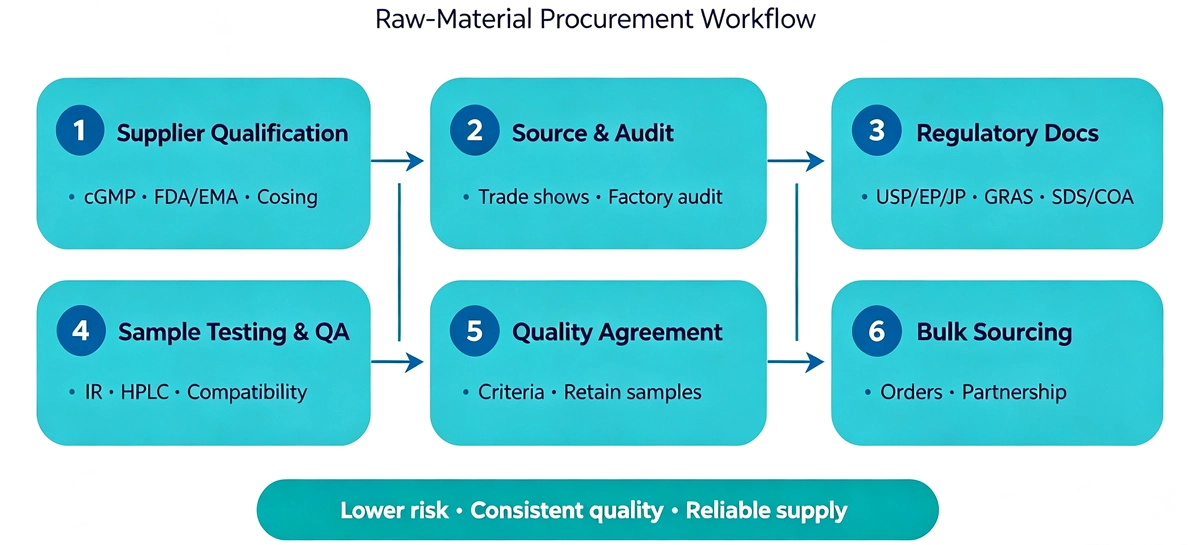
Industry certifications and governmental compliance checks are the first steps in finding approved sources. Manufacturers who work with pharmaceutical companies must show that they follow current Good Manufacturing Practices and are inspected by the FDA or EMA on a regular basis. Suppliers who want to sell cosmetics should do safety checks that meet the requirements of the EU Cosmetics Regulation and keep their registration in the CosIng database.
Trade shows, industry directories, and professional networks all make it easier to find suppliers. When possible, factory audits give you a first-hand look at how well the factories are making things, their quality control labs, and their cleanliness standards. If you can't get to a physical audit, you can still get one through a video conference.
Regulatory Compliance Considerations
Material requirements for medicine and food uses are very different. Pharmaceutical-grade hyaluronate sodium must be in line with pharmacopeia monographs (USP, EP, JP) and have a lot of stability data and analytical methods that have been proven to work. Depending on the market they are aimed at, food-grade versions need either FDA GRAS approval or EU Novel Food permission.
Some of the paperwork that must be brought in for imports are safety data sheets, certificates of analysis, and possibly certificates of fitness (CEP) for European pharmaceutical uses. Knowing the rules of the destination country can help you avoid expensive delays at customs or product recalls because of materials that don't follow the rules.
Sample Testing and Quality Assurance
Identity should be confirmed using infrared spectroscopy, purity should be checked using HPLC, and molecular weight should be confirmed as part of pre-purchase testing procedures. Before committing to bulk orders, compatibility and performance characteristics are checked by functional testing in representative formulations.
Setting up seller quality agreements spells out the criteria for acceptance, who is responsible for testing, and how to handle products that don't meet specifications. By asking suppliers for "retain samples," quality problems that might happen during the product's shelf life can be looked into.
These strategies for buying things keep risks to a minimum while still making sure that you can get high-quality raw materials that meet strict production standards. Businesses can be successful in the long term in competitive markets if they build partnerships with suppliers who are responsive and offer technical support and consistent quality.
Conclusion
Many different types of industries need Sodium Hyaluronate Powder because it can keep things moist better than anything else, has been shown to help with healing, and can be used in many different ways. Procurement pros can make smart choices about where to source things when they understand the effects of molecular weight, how to judge quality, and practical formulation issues. The powder version is cheaper, gives you more control over the mixture, and is more stable, all of which help make manufacturing more efficient. Partnering with certified suppliers who show they follow the rules and provide consistent quality guarantees that the product will work and be successful in the market.
FAQ
1. What distinguishes sodium hyaluronate from hyaluronic acid?
The sodium salt form is more stable and dissolves better in water than the free acid. This change stops the substance from breaking down while it's being stored and makes the preparation process easier, especially in pH systems that range from neutral to alkaline. The two work in similar ways to help living things, but the salt form works better in water-based systems and doesn't need to be adjusted for pH.
2. How should sodium hyaluronate powder be stored to maintain quality?
Keep in tightly sealed containers below 25°C in dry places away from direct sunlight. Once it's opened, put any leftovers in airtight containers with desiccant packets to keep them from absorbing moisture. Pharmaceutical-grade powder stays effective for 36 months after it was made as long as it is stored properly.
3. Can sodium hyaluronate be used in both food and cosmetic applications?
For each application domain, there are grade-specific materials. Food-grade versions meet the requirements for GRAS status and the right purity levels for oral use. Cosmetic-grade materials follow INCI nomenclature and go through different safety checks. It's okay to use food-grade materials in cosmetics, but they shouldn't be used in edible goods without the right government approval.
Partner with Bolin Biotechnology for Premium Sodium Hyaluronate Powder
The Sodium Hyaluronate Powder that Shaanxi Bolin Biotechnology Co., Ltd. makes is used in both medicine and cosmetics. The company has a lot of quality certifications, such as ISO 9001, ISO 22000, and GMP compliance. Our high-tech materials that come from fermentation have carefully controlled molecular weight distributions that range from 10 kDa to 2,000 kDa. This lets formulators make products that work the way they're supposed to. Since 2012, we've been a reliable source for Sodium Hyaluronate Powder. We offer full technical documentation, competitive bulk pricing, and helpful customer service throughout the entire procurement process. Email our team at sales1@bovlin.com to get full specs, set up a review of a sample, and talk about your unique formulation needs. You can look at our whole line of plant-based functional products made for use in nutraceuticals, pharmaceuticals, and cosmetics by going to bolinbiotech.com.
References
1. Bukhari SNA, Roswandi NL, Waqas M, et al. Hyaluronic acid, a promising skin-rejuvenating biomedicine: A review of recent updates and preclinical and clinical investigations on cosmetic and nutricosmetic effects. International Journal of Biological Macromolecules. 2018;120:1682-1695.
2. Fallacara A, Baldini E, Manfredini S, Vertuani S. Hyaluronic acid in the third millennium. Polymers. 2018;10(7):701.
3. Hatcher DC. Hyaluronic acid for joint health and beyond. Natural Medicine Journal. 2020;12(4):1-6.
4. Kawada C, Yoshida T, Yoshida H, et al. Ingested hyaluronan moisturizes dry skin. Nutrition Journal. 2014;13:70.
5. Papakonstantinou E, Roth M, Karakiulakis G. Hyaluronic acid: A key molecule in skin aging. Dermato-Endocrinology. 2012;4(3):253-258.
6. Zhao N, Wang X, Qin L, Guo Z, Li D. Effect of molecular weight and concentration of hyaluronan on cell proliferation and osteogenic differentiation in vitro. Biochemical and Biophysical Research Communications. 2015;465(3):569-574.


_1780035065210.webp)