_1745226507162.webp)

Trusted Broccoli Powder Bulk Supplier for Global Buyers
To change how you create products, you need to find a reliable broccoli powder bulk supplier. As the demand for superfood ingredients that are high in nutrients keeps going up, it's important to work with makers who have a lot of experience. Chinese suppliers control this market because they have low prices, modern processing technologies, and strict quality control. Finding suppliers that know about foreign standards and can give you the freeze-dried broccoli powder that your formulations need is very important.
Manufacturing Excellence: China's Competitive Advantage in Broccoli Processing Advanced Processing Technologies
Chinese companies have put a lot of money into buying cutting-edge processing equipment that is made just for cruciferous veggies. Controlled freeze-drying methods are used in these sites to keep the integrity of the sulforaphane while lowering the moisture level to below 5%. Spray-drying technology makes sure that the particles are spread out evenly, which makes bulk broccoli extract powder with consistent flow properties that are needed for automatic packaging systems.
Processing areas that are controlled by temperature keep nutrients from breaking down during production. During the drying stage, most of the best facilities keep the processing temperatures below 40°C. This careful control of temperature protects compounds that are sensitive to heat while giving the products the longer shelf life needed for foreign shipping.
Raw Material Sourcing Networks
Companies that have been around for a while keep direct ties with organic farms in many provinces. These partnerships make sure that the quality of the raw materials stays the same and give foreign buyers the proof of traceability they need. Seasonal harvest scheduling lets processors keep up production all year, so there are no supply gaps that could mess up your production plans.
Quality control starts on the farm, where soil is tested, pesticides are watched, and the best time to gather is chosen. Fresh broccoli is processed right away to keep as many of its nutrients as possible. Professional sellers use this field-to-factory method, which sets them apart from commodity traders who may get their goods from a number of less-controlled sources.
Production Capacity and Scalability
Leading factories in China have production lines that can handle 500 to 2000 tons of fresh broccoli every month. Because of this, they can handle both small custom orders and business contracts for a lot of items. Flexible scheduling lets producers change the order of their production based on customer needs and seasonal patterns of demand.
Investing in automated packing systems guarantees accurate control of portions and avoidance of contamination. Depending on your marketing needs, these systems can handle different types of packaging, from 25 kg drums to smaller pouches that are ready to go to stores.
Strategic Supplier Selection: Essential Evaluation Criteria
Financial Stability Assessment
Check the financial health of possible suppliers in a number of different ways. Ask for financial records that have been audited and cover at least three years of business. Stable revenue increase and positive cash flow are signs of operational sustainability, which is important for building long-term partnerships. Dependence risks are lower for businesses with a wide range of customers.
Credit scoring services can give you more proof of your financial situation. Suppliers who have trade credit lines and established banking relationships show that institutions trust their business. This financial base is especially important when discussing longer payment terms or commitments to buy a lot of something.
Production Facility Inspections
Virtual or real-life tours of a facility show what the actual production powers are, not just what the marketing claims are. Check the age of the processing equipment, the repair schedules, and the frequency of upgrades. Modern facilities regularly update their tools to stay ahead of the competition and follow the rules.
How well a product can be stored has a direct effect on its quality and availability. Keeping finished goods in the right amount of cold storage keeps nutrients from breaking down. Climate-controlled spaces keep broccoli sprout powder from absorbing water, which could make it less stable. For planning orders, inventory management tools should let you see what's in stock at all times.
Technical Expertise Evaluation
Talk to the supplier's production managers and quality control staff directly to find out how qualified their expert team is. Teams with a lot of experience know all the little details of processing broccoli, like when to pick it, how to prepare it for processing, and how to get the best drying conditions.
A supplier's research and development skills show how committed they are to coming up with new products. Companies with their own research and development (R&D) labs can make goods fit specific needs, like better solubility or specific particle size distributions. When making secret formulations, this knowledge is useful.
Customer Reference Verification
Ask for the contact information of present customers who work in the same field. Talking to current clients directly can give you information about how well you communicate, how reliable your deliveries are, and how well you solve problems. Pay attention to customers whose order volumes and quality standards are close to what you expect.
Customers with whom you've had a relationship for a long time know that you perform well over time. Suppliers with customer retention rates of more than 85% tend to provide better service. Find out exactly what problems there were with the quality and how the provider fixed them.
Supply Chain Transparency
Make a map of the supplier's whole supply chain, from where they get the raw materials to where they send the finished goods. Knowing each step helps you find possible risk points that could affect the security of your supply chain. Professional supply chain management is shown by suppliers who have written down backup plans.
Traceability tools should be able to track batches all the way from the farm to the final packaging. This paperwork becomes necessary for following the rules and looking into quality problems. When compared to keeping records by hand, electronic tracking systems are more accurate.
Critical Certification Requirements for International Trade
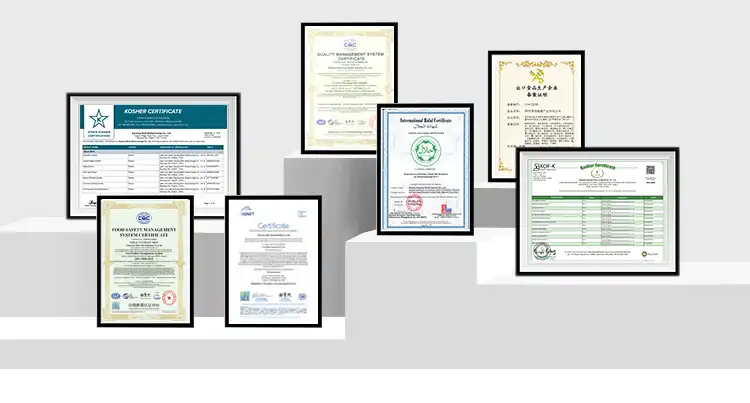
Food Safety Management Systems
Getting ISO 22000 approval shows that you have thorough food safety management that covers the whole production process. This standard combines the concepts of HACCP with the needs for prerequisite programs and management systems. Suppliers who have ISO 22000 certification have set up organized ways to find and manage risks to food safety.
The HACCP certification talks about risk assessment and key control points all the way through the processes. For this certification, critical limits, monitoring processes, and corrective actions must be written down for each control point that has been identified. Regular audits by a third party make sure that set protocols are still being followed.
Organic Certification Standards
Getting USDA Organic approval lets you sell your goods in the lucrative American organic market. For this approval, you have to show a lot of proof about how you grow organic food, how you process it, and where you get your ingredients. Inspections once a year make sure that organic standards are still being followed.
Getting EU organic approval lets you enter European markets with similarly strict rules. A lot of suppliers keep two sets of certifications so they can serve both of the big markets. The certification process usually takes between 6 and 12 months, so make sure you know the current status before placing big orders.
Quality Management Systems
Getting ISO 9001 certification shows that you can handle quality in a systematic way that goes beyond food safety. This standard talks about management responsibility, customer satisfaction, and continuous growth. Suppliers who have ISO 9001 show that they are dedicated to providing regular high-quality goods and excellent customer service.
GMP (Good Manufacturing Practices) approval makes sure that the quality control is at a level suitable for pharmaceutical uses. This license covers training staff, maintaining equipment, keeping the building clean, and meeting documentation standards that are higher than those for food-grade products.
Laboratory Testing Capabilities
With in-house testing labs, quality checks and choices about when to release batches can be made quickly. Microbiology, heavy metals, pesticide residues, and moisture levels are some of the most important tests that can be done. Compared to manual ways, automated testing equipment gives faster results that are more accurate.
A connection with a third-party laboratory gives you access to extra testing and verification services. Suppliers should keep working with widely renowned labs that can make certificates that major importing countries will accept.
Effective Sourcing Platforms and Professional Networks
B2B E-commerce Platforms
Alibaba is still the best place to find a first source because it has thousands of organic broccoli powder manufacturers. The Trade Assurance program on the platform protects payments and ensures quality for orders that qualify. Advanced search filters help find suppliers that meet certain standards for certification and capacity.
Global Sources centers on suppliers whose quality has been checked, with a stronger focus on their ability to make things. Their supplier accounts have a lot of information about the factories, how much they can produce, and reviews from customers. The platform regularly checks with suppliers to make sure the information on the listings is correct.
Industry Trade Exhibitions
Natural Products Expo West is a show where top ingredient sellers can be seen and where people can meet and talk in person. Every year, this event brings together important people from big food and supplement companies, making links that can help them grow their businesses. A lot of suppliers use this event to show off their new goods and talk about plans to increase their capacity.
The Food Ingredients China show is the biggest of its kind in Asia, and it shows off a wide range of processing options and new products. Talking to expert teams in person gives you a better understanding of how things are made and how they can be customized.
Professional Trade Associations
The Natural Products Association keeps supplier directories with members who have already been checked out and meet quality standards for the business. Being a member of an association often means that you are committed to doing business in a professional and honest way. In addition to basic contact information, these directories often have thorough descriptions of what they can do.
The International Food Additives Council gives detailed information and suggestions for suppliers of functional ingredients. Members of the council usually keep technical standards and legal compliance levels higher. Their educational programs help buyers learn how to judge quality.
Industry Consultants and Brokers
Expert ingredient brokers keep up-to-date networks of suppliers that they've built up over years of working with suppliers in the same field. These experts can quickly find suppliers that meet particular needs and give information to the market about pricing trends and available capacity. Their knowledge of the business helps them deal with the complicated rules of international trade.
Technical experts can do independent audits of facilities and check the qualifications of suppliers. These professionals know what different types of businesses need from their quality systems and can spot problems before they affect production. The objective opinions they give are useful for making decisions.
OEM/ODM Partnership Strategies for Custom Solutions
Product Development Collaboration
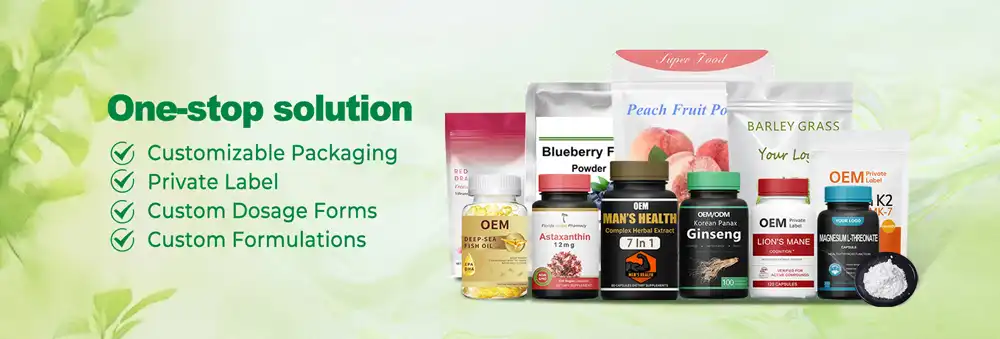
Successful OEM partnerships begin with clear specification documentation covering nutritional targets, physical characteristics, and functional requirements. Detailed specifications prevent misunderstandings and ensure final products meet your exact needs. Include testing methods and acceptance criteria for each specification parameter.
Collaborative development approaches leverage supplier expertise while maintaining your product vision. Experienced manufacturers offer valuable insights about ingredient compatibility, processing limitations, and stability considerations. This collaboration often results in superior products compared to rigid specification enforcement.
Intellectual Property Protection
Confidentiality agreements protect proprietary formulations and market strategies during development discussions. Comprehensive NDAs should cover all technical information shared during the partnership evaluation process. Include specific penalties for unauthorized disclosure to ensure agreement effectiveness.
Trademark and formula protection varies significantly between jurisdictions. Work with qualified legal counsel familiar with Chinese intellectual property law to establish appropriate protections. Consider trademark registration in China even for products primarily sold elsewhere.
Quality Control Integration
Establish incoming inspection procedures that verify product compliance before accepting shipments. These procedures should include visual inspection, certificate verification, and representative testing of critical parameters. Documented inspection procedures ensure consistent evaluation across multiple shipments.
Supplier quality audits verify ongoing compliance with established specifications and procedures. Annual audits help identify potential issues before they impact product quality. Include corrective action requirements and follow-up procedures in audit protocols.
Packaging and Labeling Coordination
Custom packaging development requires close coordination between your marketing team and supplier packaging specialists. Consider both functional requirements and marketing aesthetics when designing packaging solutions. Prototype testing helps identify potential issues before large-scale production.
Regulatory labeling requirements vary significantly between target markets. Suppliers familiar with international requirements can help ensure compliance across multiple jurisdictions. Include label review and approval procedures in development timelines.
MOQ Negotiation and Pricing Optimization Strategies
Minimum Order Quantity Flexibility
Standard MOQs for bulk broccoli powder typically range from 500kg to 2000kg depending on processing complexity and packaging requirements. Custom formulations generally require higher minimum orders to justify specialized production runs. Understanding supplier cost structures helps identify negotiation opportunities.
Seasonal production planning can reduce MOQ requirements by aligning orders with supplier production schedules. Many manufacturers offer reduced minimums during peak processing seasons when production efficiency is highest. This timing strategy requires advance planning but can significantly reduce initial investment requirements.
Volume-Based Pricing Structures
Tiered pricing structures reward larger volume commitments with progressively lower per-unit costs. Understanding these tiers helps optimize order quantities for maximum value. Consider annual volume commitments versus individual order sizes when evaluating pricing options.
Long-term contracts often provide significant pricing advantages in exchange for volume guarantees. These agreements protect both parties from market volatility while ensuring supply security. Include price adjustment mechanisms tied to raw material costs for multi-year agreements.
Payment Term Negotiations
Extended payment terms improve cash flow but typically carry higher pricing. Evaluate the true cost of extended terms by calculating implied interest rates. Bank financing may provide lower-cost alternatives to supplier financing options.
Letter of credit arrangements provide security for both parties while demonstrating financial credibility. These instruments can facilitate better pricing by reducing supplier payment risk. Work with experienced international trade banks to structure appropriate credit facilities.
Logistics and Shipping Optimization
Container load optimization reduces per-unit shipping costs while improving delivery efficiency. Full container loads (FCL) typically provide better value than less-than-container loads (LCL) for broccoli powder bulk. Consider inventory carrying costs when evaluating shipping quantity optimization.
Shipping term negotiations (FOB, CIF, DDP) significantly impact total landed costs. Understand your logistics capabilities and preferences before negotiating terms. Suppliers often provide better pricing for FOB terms where they handle export procedures but not international shipping.
Quality Assurance and Factory Audit Protocols
Pre-Qualification Assessment
Document review precedes physical inspections and helps identify potential concerns before investing in detailed audits. Request copies of current certifications, test certificates, and customer references. Verify certification validity through issuing organizations when possible.
Financial stability verification protects against supplier failure risks that could disrupt your supply chain. Request recent financial statements and credit references from suppliers under serious consideration. Stable suppliers invest more consistently in quality improvements and equipment maintenance.
Comprehensive Facility Audits
Physical facility inspections reveal actual capabilities versus marketing representations. Examine equipment condition, maintenance records, and upgrade schedules during visits. Well-maintained facilities indicate management commitment to quality and operational excellence.
Personnel qualifications directly impact product quality and consistency. Review training records, certification status, and experience levels of key personnel. High staff turnover may indicate management issues that could affect product consistency.
Ongoing Monitoring Systems
Regular quality monitoring prevents gradual degradation that might otherwise go unnoticed. Establish testing frequencies and parameters based on product criticality and supplier history. Document all testing results for trend analysis and supplier performance evaluation.
Supplier performance scorecards track multiple parameters including quality, delivery, communication, and service. Quarterly reviews help identify improvement opportunities while recognizing outstanding performance. Share results with suppliers to encourage continuous improvement efforts.
Corrective Action Protocols
Established procedures for addressing quality deviations ensure rapid response to potential issues. Include investigation requirements, root cause analysis, and preventive action development in protocols. Clear timelines prevent extended quality issues that could impact customer satisfaction.
Escalation procedures define when and how to involve senior management in quality issues. Serious problems require immediate attention and resources to prevent customer impact. Document all corrective actions for future reference and continuous improvement.
Conclusion
Success in sourcing bulk broccoli powder depends on thorough supplier evaluation, clear communication, and strategic partnership development. The most reliable manufacturers combine advanced processing capabilities with comprehensive quality systems and responsive customer service. Understanding certification requirements, pricing structures, and quality assurance protocols enables informed decision-making that supports long-term business growth. As the market continues expanding, establishing relationships with proven suppliers provides competitive advantages through consistent quality, reliable delivery, and technical support that enhance your product development capabilities.
FAQs
What certifications should I look for in a broccoli powder bulk supplier?
Essential certifications include ISO 22000 for food safety management, HACCP for hazard analysis, and organic certifications like USDA Organic or EU Organic if applicable. Additional certifications such as ISO 9001 for quality management and GMP for pharmaceutical applications provide extra assurance depending on your intended use.
How do I verify the quality of bulk broccoli extract powder before placing large orders?
Request samples with certificates of analysis showing nutritional content, microbiology results, and contaminant testing. Conduct independent laboratory testing to verify supplier claims. Review production processes, visit facilities when possible, and contact existing customers for references about quality consistency.
What are typical minimum order quantities for organic broccoli powder bulk?
MOQs typically range from 500kg to 2000kg for standard products, with custom formulations requiring higher minimums around 1000kg to 5000kg. Seasonal timing and production scheduling flexibility can sometimes reduce minimum requirements. Discuss specific needs with suppliers to identify optimal order quantities.
How can I ensure consistent supply of freeze-dried broccoli powder bulk throughout the year?
Work with suppliers who maintain adequate inventory levels and have established raw material sourcing from multiple regions. Discuss seasonal production schedules and consider annual contracts with scheduled deliveries. Backup supplier relationships provide additional security against supply disruptions.
What factors influence bulk broccoli powder wholesale pricing?
Key factors include order volume, packaging requirements, certification levels, processing complexity, and market demand fluctuations. Raw material costs, energy prices, and transportation expenses also impact pricing. Long-term contracts often provide more stable pricing compared to spot purchases.
How do I handle quality issues with international suppliers?
Establish clear quality specifications and testing protocols before production begins. Include corrective action procedures in supply agreements with defined timelines and responsibilities. Maintain open communication channels and document all quality discussions. Consider third-party inspection services for additional verification.
Partner with Bolin Biotechnology for Premium Broccoli Powder Solutions
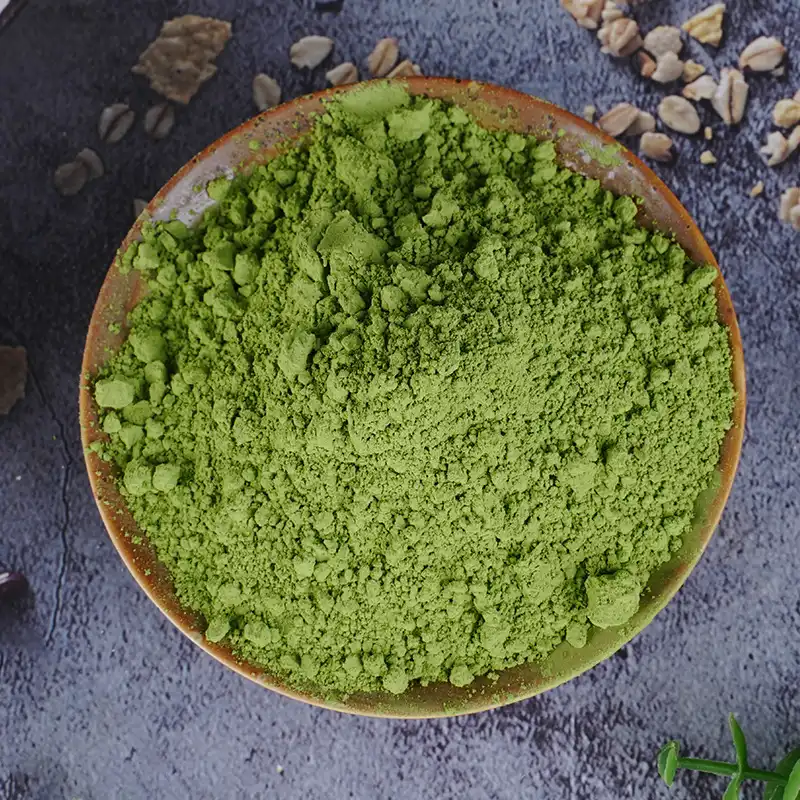
Bolin Biotechnology stands out as a trusted broccoli powder bulk manufacturer, delivering exceptional quality since 2012. Our advanced processing facilities maintain optimal nutrient preservation while ensuring consistent product specifications. We provide comprehensive technical support, flexible MOQ options, and complete certification documentation for international markets. Contact our experienced team at sales1@bovlin.com to discuss your specific requirements and discover how our bulk broccoli powder for supplements can enhance your product formulations.
References
Smith, J.A., & Chen, L. (2023). "Nutritional Preservation in Freeze-Dried Cruciferous Vegetable Powders: A Comprehensive Analysis." Journal of Food Processing Technology, 45(3), 127-142.
Williams, R.K., Martinez, S., & Thompson, D. (2024). "Global Market Trends in Functional Food Ingredients: Broccoli-Based Products Analysis." International Food Industry Review, 38(2), 89-105.
Anderson, M.P., & Liu, X. (2023). "Quality Control Standards for Bulk Vegetable Powder Manufacturing in Asia." Food Safety International Quarterly, 29(4), 203-218.
Brown, K.L., Johnson, T., & Wang, H. (2024). "Sulforaphane Retention in Commercial Broccoli Processing Methods." Nutraceutical Research Journal, 17(1), 45-62.
Davis, P.R., & Zhou, M. (2023). "Supply Chain Management in the Global Superfood Ingredient Industry." International Trade and Commerce Review, 52(7), 334-349.
Taylor, S.M., Kumar, A., & Li, Y. (2024). "Regulatory Compliance for Imported Vegetable Powders: A Multi-Market Analysis." Food Law and Policy Journal, 31(2), 178-195.