_1745226507162.webp)

What is Inulin Powder? A Complete Guide to This Prebiotic Fiber
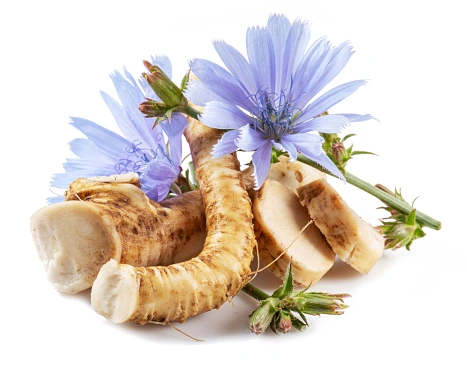
Bulk inulin powder is a kind of prebiotic fiber that comes mostly from chicory root (Cichorium intybus). It is made up of chains of fructose joined together by β(2-1) bonds that end in a glucose molecule. It's possible to use this dispersed carbohydrate as both a useful storage polysaccharide and a pure source of dietary fiber. Food, medicine, and the nutrition businesses can all use it to cut down on sugar, add prebiotics, and replace fat. It is great for making industrial-scale mixtures because it has a neutral taste profile and solubility factors that can be changed.
Understanding Bulk Inulin Powder: Definition and Properties
What Exactly Is Inulin Powder?
Bulk inulin powder is a type of water-soluble storage carbohydrate that can be found in over 36,000 different types of plants. But chicory root is the main plant used for commercial extraction since it has the most concentrated amounts. It is made up of straight lines of fructose that end in a glucose unit, which in plants is known as a fructan. This complex structure doesn't break down as quickly in the body as simple sugars do. This means it can go all the way to the colon and feed the good bacteria there. It is cleaned with ion exchange, sprayed dry, and then extracted with hot water to make the fine white powder that is used in supply lines around the world.
Physical and Chemical Properties
If the inulin is good, it will look like a white, freely moving powder that absorbs water and tastes neutral to slightly sweet, about 10% as sweet as sucrose. The substance is very good at breaking down. At 20°C, up to 12% of it dissolves in water, and it breaks down even more quickly at higher temperatures. If you cut inulin that is above 15%, it changes into a thick, gel-like structure that feels like fat. This is why it's used in a lot of plant-based foods and low-fat dairy alternatives.
Technical guidelines are based on Degree of Polymerization (DP), which is the most important factor that decides how useful something is. The DP of standard grades is generally between 10 and 12, while the High Performance (HP) grades is higher than 23. This means that HP grades can form gels better and are more stable at high temperatures. There should be at least 95% dry matter, less than 0.2% ash, and at least 90% total dietary fiber on a dry base for it to be considered high quality. It stays steady in solutions with a pH level above 4. Below this point, and especially when cooked, it might split into fructose, which can change the viscosity and glycemic responses.
Storage and Handling Requirements
To keep the structure of powder while it is being kept and moved in bulk, it is important to keep the moisture under control. Manufacturers say that the wetness level should be less than 5% to keep the product from caking and germs from growing. It needs to be packed in containers that can't leak because it soaks up water. For smaller amounts, multi-layer kraft paper bags with plastic covers work well. For bigger amounts, however, it's better to use special bulk vessels that have moisture barriers. The humidity should not be more than 60% and the temperature should not go above or below 15°C. Things can stay on the shelf for up to 24 months if they are stored properly, and they will still be useful later on.

Health Benefits and Applications of Bulk Inulin Powder
Digestive Health and Prebiotic Effects
Bulk chicory root inulin powder is called a prebiotic fiber because it is only broken down by good bacteria in the gut, mostly Bifidobacterium and Lactobacillus species. The number of good bacteria in the gut greatly increases when you eat 5 to 10 grams of this food every day, while the number of bad bacteria drops. This change in bacteria makes short-chain fatty acids (SCFAs)—mainly acetate, propionate, and butyrate. The pH level in the gut goes down, mineral absorption goes up, and the digestive barrier works better. A study in the Journal of Nutrition found that regular use of inulin supplements can help keep your stools normal and ease the symptoms of constipation without the harsh side effects that come with stimulant laxatives.
Metabolic and Weight Management Support
It is a good choice for blood sugar control products because it has a low glycemic index (GI less than 5) and a low caloric value (about 1.5 to 2 kcal/g). People can't break down inulin's β-linkages, so it doesn't cause insulin levels to rise. This means it can be used in foods that are good for people with diabetes. Several randomized controlled studies have shown that taking inulin pills boosts hormones that make you feel full, which may help you eat fewer calories overall. In a well-known study, people who ate 16 grams of it every day said they were much less hungry and ate less afterward. This backs up its use in goods that help people lose weight and useful foods that focus on metabolic health.
Safety Profile and Dosage Guidelines
There is a lot of evidence that inulin is safe. The Food Chemicals Codex (FCC) and the United States Pharmacopeia (USP) both say that it is safe. It is Generally Recognized As Safe (GRAS). Most people don't have any trouble with up to 10 grams of fiber a day. But adding fiber slowly can help lessen any changes that happen in your gut, like light gas or bloating, that happen when you eat more fiber. Less of these affects may be felt by people who are more sensitive, especially when they eat HP inulin with longer chain lengths. Dietary pills generally have between 2 and 8 grams per dose, but this can change based on who the pills are made for and what other ingredients are added. Product makers should keep these tolerance levels in mind when deciding how much of a good a person should eat each day.


Maximizing the Value of Bulk Inulin Powder in Your Product Line
Applications in Dairy and Plant-Based Alternatives
As you cut bulk inulin powder, it turns into particle gels. This is what makes it so useful in low-fat dairy products. It can take the place of up to all the fat in yogurt and keep the thick thickness that people like about full-fat foods. The gel network holds water molecules, which stops syneresis (whey separation) while the food is in the fridge. This is a problem that often happens with low-fat dairy. Because it lowers the freezing point, inulin is used to keep ice crystals from forming in ice cream. This makes it smooth without adding too much fat. Because it is more stable when it freezes and thaws, long-chain HP inulin works especially well in this case. It keeps the quality of the product even when the temperature changes along the distribution chain.
Because inulin can keep emulsions stable, it can be used to make plant-based milk alternatives. Though oat, almond, and soy drinks look good, they tend to split when they are stored on a shelf. During high-shear processing, inulin helps keep particles regular. This makes the product look better and is easier for customers to accept. People who care about their health and want to support digestive health will be more interested in functional drinks with the added prebiotic benefit.
Bakery and Confectionery Applications
It does more than one thing at once in cooked foods that are high in fiber and low in sugar. It adds bulk to make up for the volume that is lost when the sugar level drops. This makes sure that the structure and crumb texture of the dough stay proper. Because it is a humectant, it controls the flow of water. This slows down the processes that dry out food and make it less fresh. A benefit that isn't given enough credit is that long-chain inulin doesn't work with as many Maillard reactions to turn foods brown as shorter-chain oligofructose does. By this, the color of delicate white cakes and pastries can be better managed, since too much browning would make customers think the quality is poor.
Chicory root inulin powder is added to low-sugar candies and coatings to keep them from crystallizing in areas that are wet during production, which is not what they want. The structure of the fibers stops the sugar crystals from growing. This keeps the texture smooth for as long as the food is stored. When added to chewable forms, inulin makes them chewier and backs up claims of higher fiber content, which is becoming a more important label feature as people read nutrition facts more carefully.
Nutraceutical and Supplement Formulations
And it's not just used in fiber products. It is also used in high-tech goods that have both prebiotics and germs in them. Fiber gives the probiotics a place to live as they move through the digestive system. Once the probiotics get to the gut, which is where they do their good work, fermentation can begin. To keep powder mixes from fermenting too quickly while they're being stored, product makers must make sure that the water activity (aw) stays below 0.6. Because of this, probiotics will stay living and tastes will not go bad.
Inulin is both an active ingredient and a useful filler that is used in packaging technologies. It dissolves quickly and makes co-delivered nutrients easier for the body to use because it is so liquid. Because it compresses so well, it can be used to make pills. Due to its mild sweetness, inulin makes sour plants or vitamins taste better in stick pack forms that are popular for eating on the go. This means that fake sweets are not needed, which goes against the clean-label message.
Customization and Market Trends
Plant-based, organic, and non-GMO guidelines are being pushed around the world. This makes it harder and easy to get inulin at the same time. Organic inulin costs more, but its supply lines need to be able to be checked to make sure they keep track of how chicory is grown and processed. It is now standard for North American markets to get checked by the Non-GMO Project. Chicory isn't usually a GMO crop, so it's not as hard to get certified as corn or soy products.
There are more and more private label and contract production businesses that want DP images that are made just for them. For the best solubility and clarity, a company that makes drinks might ask for a narrow DP distribution (10–12). On the other hand, a company that makes baked goods would need a wider DP distribution (8–15) to get the best balance between gel formation and dough workability. Some of the biggest sellers now help customers choose the best inulin for their cooking needs and taste goals by coming up with recipes.
Market study shows that the need for inulin will keep growing. Until 2030, it is expected to grow at rates higher than 7% per year. People are learning more about gut health, officials are pushing processed foods to have less sugar and more fiber, and these substances are being used more and more in medicine excipients. These big-picture trends will be good for companies that put money into lines of items that contain inulin. That way, they can get a bigger part of the health business, which is growing quickly and will keep growing even when the economy is bad.
Conclusion
You can use bulk inulin powder for more than just adding fiber to food. This tool is also used for strategic manufacturing and helps companies in the food, drink, nutrition, and drug industries come up with new ideas. Scientists have shown that it helps with good bacteria, and it can be used in many ways to avoid fat, lower sugar, and change the taste. Because of this, businesses that want to make their goods healthier must use it. Buying teams and R&D departments can make decisions that improve product performance and follow the rules if they know about the important factors, such as DP profiles, purity standards, and functionality that is specific to an application. Consumers want more gut health solutions, and rules make things clearer. To stay ahead of the competition in global markets that are changing quickly, it's important to work with suppliers who know what they're doing and offer consistent quality, technical support, and reliable supply chains.
FAQs
How does bulk inulin powder differ from regular dietary fiber?
It is a soluble prebiotic fiber that only feeds good bacteria in the gut through fermenting in the stomach. Short-chain fatty acids are good for your metabolism and are made by this process. Bulk inulin powder doesn't break down when stomach enzymes are present, unlike solid fibers like cellulose, which are mostly used to add bulk. It helps the bacteria in the gut when it gets there. It is chemically different from other soluble fibers like pectin or beta-glucan because it has unique β(2-1) fructose links. In other words, it ferments and changes the body in different ways. You can add this material to drinks and clear liquids in a way that you can't with other fiber sources because it dissolves easily and doesn't taste bad. This makes it much more useful in a lot of different ways.
What is the typical shelf life of bulk inulin powder?
Some good inulin can be used up to 24 months after it was made as long as it is kept in sealed containers at a steady temperature (15–25°C) and a humidity level below 60%. This is the biggest issue with degradation: it takes in water because it is hygroscopic. If there is more than 5% wetness, it can lead to clumps and the growth of bacteria. Manufacturers should rotate their goods first thing in, first thing out, and check stored materials often to make sure they meet the original specifications. One way to do this is to look for wetness and microbes before adding them to production runs.
Can inulin powder cause digestive discomfort?
Fiber may briefly change how your digestive system works, which could lead to gas or bloating. This is especially true if you eat more than 10 grams of fiber every day without giving your body time to get used to it. For waste, gut bacteria make gas when they break down inulin. This is what makes these effects happen. It usually helps to start with smaller amounts (2–5 grams per day) and slowly increase them over the course of a week or two. How much fiber a person eats and the bugs that live in their gut affect their endurance. Longer chains of high-performance inulin may slow fermentation down more than shorter chains, which could help sensitive people who have fewer severe symptoms.
Partner with Bolin Biotechnology for Premium Bulk Inulin Powder Supply
Choosing the right inulin provider is important for a product's growth in today's market. You can trust Bolin Biotechnology, which makes bulk inulin powder. They use cutting edge technology for extraction and strict quality systems that they've been building up since they began in 2012. The ISO 9001, ISO 22000, and GMP licenses for our state-of-the-art buildings are always up to date. This makes sure that every package meets the strict needs of customers in the food, nutrition, and drug businesses. We can change standard, HP, and organic-certified grades, and our expert customer service teams are ready to help you figure out how to best use them in your own special recipes. We care about more than just doing business with you. During the whole buying process, we provide detailed paperwork, third-party testing confirmation, and quick communication. Whether you want to make probiotic pills, change the way baked goods are made, or come up with new drinks that people will like, we can help you get your ideas to market faster. Send us an email at sales1@bovlin.com to tell us about your needs, get samples, and learn how our dependable supply partners can help you reach your health market growth goals.

References
Roberfroid, M. B. (2007). Prebiotics: The concept revisited. Journal of Nutrition, 137(3), 830S-837S.
Slavin, J. (2013). Fiber and prebiotics: Mechanisms and health benefits. Nutrients, 5(4), 1417-1435.
Carabin, I. G., & Flamm, W. G. (1999). Evaluation of safety of inulin and oligofructose as dietary fiber. Regulatory Toxicology and Pharmacology, 30(3), 268-282.
Meyer, D., & Stasse-Wolthuis, M. (2009). The bifidogenic effect of inulin and oligofructose and its consequences for gut health. European Journal of Clinical Nutrition, 63(11), 1277-1289.
Franck, A. (2002). Technological functionality of inulin and oligofructose. British Journal of Nutrition, 87(S2), S287-S291.
Shoaib, M., Shehzad, A., Omar, M., Rakha, A., Raza, H., Sharif, H. R., Shakeel, A., Ansari, A., & Niazi, S. (2016). Inulin: Properties, health benefits and food applications. Carbohydrate Polymers, 147, 444-454.