_1745226507162.webp)

Why Use Yucca Root Extract in Pet Food?
Pet food companies are under more and more pressure to make goods that are safe, effective, and appealing to customers. Recently, yucca root extract has become a scientifically proven way to solve several manufacturing problems at the same time. This plant ingredient comes from Yucca schidigera and has steroidal saponins and polyphenolic chemicals that stop urease activity in the gut to reduce feces smell, improve digestive health by naturally reducing inflammation, and improve general pet health. These useful benefits are exactly what the market wants right now: clean-label, plant-based ingredients that give measured health benefits without adding any artificial ingredients.
Understanding Yucca Root Extract and Its Role in Pet Food The Botanical Foundation and Bioactive Profile
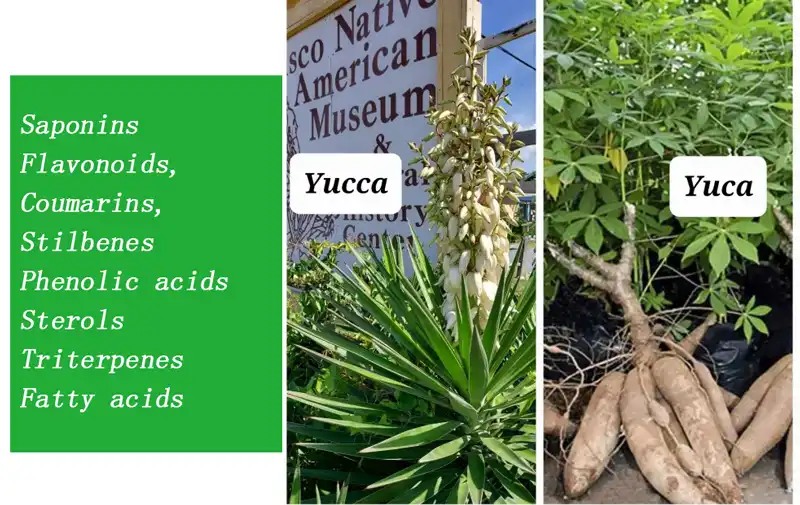
The extract comes from the roots and branches of Yucca schidigera, a desert plant that grows naturally in dry parts of North America. Manufacturers separate two main active ingredients using controlled extraction methods: steroidal saponins (mainly sarsaponin and smilagenin) and glycocomponents, which include resveratrol and yuccaols. The metabolic processes in pets are changed by these substances working together, which has benefits beyond basic nutrients.
Additionally, studies show that saponins have surfactant qualities that help cells absorb nutrients while also bind ammonia molecules in the digestive system. This two-part system takes into account both environmental issues and the nutritional value of pets. The polyphenolic part helps protect cells from oxidative stress that comes with getting older and having chronic inflammation.
Functional Mechanisms in Pet Nutrition
In the form of pet food, yucca root extract works in a number of different ways. The urease inhibition process stops urea from turning into volatile ammonia molecules. This directly lowers the smell of animal waste by 26-40%, based on the dose. This biochemical action takes place in the big gut, which is where bacteria that make urease enzymes usually make unpleasant gases.
The extract can change the production of cytokines and stop inflammatory pathways, which is what gives it its anti-inflammatory qualities. Pets with joint pain or sensitive stomachs can benefit from these effects, which help tissue health without using drugs. The bioactive substances also improve the function of the gut barrier, which lowers the permeability that can cause food allergies and inflammation throughout the body.
Integration with Modern Pet Food Formulations
These days, making pet food requires using products that work well with a variety of formulations. Yucca root extract works well with protein sources, carbohydrates, and useful ingredients that are often found in high-end pet food. It can be used for both dry kibble and soft food because it stays stable during processing processes and lasts longer on the shelf.
Manufacturers like how versatile it is and how well it works in a wide range of product categories, from recipes for growing puppies to mixes that help seniors stay mobile. The extract slightly improves taste without overpowering flavors, so acceptance rates stay high while medicinal benefits are delivered. To make sure that final goods are the same from batch to batch, quality standards should aim for a standardized saponin content of 8 to 12 percent.
Why Yucca Root Extract is Essential for Pet Food Manufacturers and Distributors?
Addressing Critical Health Challenges in Companion Animals
About 20% of grown dogs have problems with their joints, and the number of older dogs who have these problems goes up dramatically. Glucosamine and chondroitin were used a lot in the past, but pet owners are looking for natural options more and more. As an added bonus, yucca saponins extract lowers inflammation markers linked to osteoarthritis, which helps pets keep their movement and quality of life.
Many marketed pet foods, especially those high in animal proteins, are hard for pets to digest. The extract's ability to improve nitrogen utilization raises feed conversion rates and lowers the metabolic load on kidneys. This is especially important for older pets whose kidneys don't work as well or for breeds that are more likely to have stomach problems.
Market Alignment with Consumer Preferences
The market for pet supplements has grown a lot, and people are buying them because they contain natural ingredients. According to a survey, 67% of pet owners actively look for goods with plant extracts instead of synthetic fillers. Because of this, brands are under more pressure than ever to change the way their goods are made and come up with new ones that focus on plant-based health ingredients.
Labels that are clear and health claims that are backed up by science are becoming more and more popular in regulatory settings. In the US, yucca root extract is GRAS (Generally Recognized As Safe), and in Europe, it meets pet food standards. This makes it easier to follow the rules in all major countries. Purchasing teams look for ingredients that have already been approved by regulators and that make it easier for new companies to get into the market.
Dosage Optimization and Safety Protocols
Inclusion rates that are usually suggested are between 125 mg and 250 mg per kilogram of finished food, but they may need to be changed for certain uses. To keep smaller pets from taking too much, doses need to be changed accordingly, while larger breeds can handle higher concentrations without any problems. During product creation, formulation teams should do palatability trials to find the best amounts that balance how well the product works and how well it is accepted.
Safety tracking data from over 30 years shows that side effects are very low when used within the suggested limits. Some stomach changes may happen during the first few days, but they usually go away in 48 to 72 hours as the gut bacteria gets used to the new food. Manufacturers should tell pet owners who are switching to yucca-enhanced formulas to do it slowly, especially if the pet already has stomach problems.
Comparing Yucca Root Extract with Other Natural Additives in Pet Food
Botanical Alternatives Analysis
There are many plant-based choices for pet food ingredients, and each one has its own qualities. Aloe vera juice can help with digestion, but it doesn't stop urease, which is needed to control smells. Ginseng has adaptogenic properties that help the body deal with stress, but it doesn't directly help with joint pain or lowering ammonia levels. Turmeric products have strong anti-inflammatory benefits because they contain curcuminoids, but they are not easily absorbed by the body and need special formulation methods to work.
The unique thing about yucca saponins extract is that it can do more than one thing at once. It can help with odor control, inflammation, and gut health. When compared to using a lot of different additives for different purposes, this combination makes the recipe simpler and keeps the costs of the ingredients down. Procurement managers know that ingredients that provide more than one proven benefit in a single component are more cost-effective.
Form Factor Considerations
Manufacturers can find yucca root extract in two different forms: powder and liquid solutions. Each has its own benefits. Powdered forms work well with dry pet food production because they can handle high temperatures during compression and stay stable for a long time on the shelf. They give exact doses based on weight and very little wetness, which is important for keeping the texture of the kibble and stopping the growth of microbes.
When it comes to wet foods and direct spray treatments for dry foods that are already on the market, liquid concentrates are the best. Because they are already dissolved, they are evenly distributed, but they need to be handled carefully to keep microbes from getting into them. Powdered formats are better for long-term keeping because they last longer, while liquid forms work better for just-in-time making with fast turnover.
Supplier Evaluation Framework
To find trusted botanical extract providers, you need to do a lot of research on a lot of different levels. HPLC research shows that the saponin profiles match the standards for Yucca schidigera and are not from mixed or substituted materials. Certificates from a third-party lab should show that the amounts of heavy metals, microbes, and pesticides in pet food meet or go beyond the safety standards.
When buying plants from foreign markets, it's very important that the supply line is clear. Reliable providers keep records of where the raw materials came from, how they were extracted, and the quality control tests that were done at every stage of production. Certifications like ISO 9001, GMP compliance, and organic labels (if available) give you even more peace of mind about the quality of the product and how it was made.
How to Source and Purchase Yucca Root Extract for Pet Food Production?
Identifying Qualified Wholesale Partners
Thorough screening of suppliers is the first step to building good buying relationships. Instead of carefully prepared materials that might not show usual quality, manufacturers should ask for samples that come from normal production batches. Analytical testing of these samples by separate labs backs up what the seller says about the amounts of active ingredients and purity standards.
Communication protocols set standards for things like expert help, required documents, and how to solve problems. Suppliers who can offer formulation advice, legal paperwork packages, and stability data show that they are committed in a way that goes beyond business ties. This way of working together is especially helpful when coming up with new product ideas that need specific extract requirements.
Bulk Purchasing Strategies
Volume agreements have a big effect on price structures and bring up issues related to the supply chain. Cost optimization, warehouse holding costs, and capital allocation are all balanced out by annual contracts with staged supplies. To find the best ways to order, procurement teams should simulate different buying situations while taking into account things like storage costs, minimum order amounts, and price break levels.
When you source goods from other countries, things get more complicated because of changes in currency, import taxes, and coordinating processes. Freight costs and wait times can be cut by working with providers that offer consolidated shipping or keeping regional distribution centers open. Letters of credit and other forms of trade finance protect both sides and make it easier to do business across countries.
Custom Formulation Development
Suppliers that can do unique blends are good for OEM and private label makers. Putting yucca root extract together with other plants, probiotics, or useful nutrients makes unique mixtures that set brands apart in crowded markets. Technical teamwork during development makes sure that all the parts work together and that the product will stay stable for the whole time it's supposed to last.
Because of intellectual property concerns, contracts must have clear language about who owns the idea and who has the right to use it exclusively. When companies put money into clinical studies or market research for custom blends, they need to make sure that providers don't sell the same formulations to rivals. Non-disclosure agreements and supply exclusivity terms in certain market areas are good ways to protect your business.
Implementing Yucca Root Extract in Your Pet Food Product Line: Best Practices
Species-Specific Dosing Guidelines
Formulations for dogs usually have between 175-250 mg per kilogram, which effectively gets rid of smells and supports joints without any problems with taste. Smaller breeds (less than 10 kg) should be given smaller doses, while big breed formulas may need to get close to the upper limits to work properly based on body mass and metabolic rate.
Because cats eat meat and are sensitive to some plant chemicals, pet goods need to be carefully thought out. Giving them a small amount, between 125 and 175 mg per kilogram, can help their digestion while still following their body's natural processes. When it comes to cat food, testing for palatability is even more important because cats are pickier eaters than dogs.
Product Format Optimization
When making dry food, it's easy to add ingredients during the mixing steps before extrusion. The extract is thermally stable, so it can handle processing temperatures between 120°C and 150°C without losing many of its active saponins. Manufacturers should add the ingredient during the dry mixing process to make sure it is spread out evenly before adding water and cooking.
Adding extract to wet food mixtures during the last mixing step after heat processing helps keep the most bioactive properties. Many wet foods have a lower pH level (usually between 5.5 and 6.5), which makes saponins more stable than when the pH level is normal. For the best distribution throughout the product structure, canned goods should have extracts mixed into the gravy or gel parts.
Market Success Examples
When premium pet food brands add measured yucca root extract, customer happiness levels go up, especially when it comes to controlling smells. After changing the recipe for their senior dog line to include 200 mg/kg of ingredients, one North American company saw a 34% drop in customer comments about the smell of dog waste. Six months after the start, sales statistics showed that repeat purchases had grown by 18%.
Yucca root extract has been successfully used as a main plant ingredient in specialty pet foods that focus on joint health, along with standard nutraceuticals. Clinical observation studies done by vets who prescribed these formulas showed that arthritic patients had better mobility scores and needed fewer non-steroidal anti-inflammatory drugs. This proof from real life backs up marketing claims and guides professional advice.
Future Innovation Trajectories
New study is looking into how yucca root extract and new probiotic types designed for pet gut health can work together to improve health. These new combinations may increase benefits through complementary processes. For example, yucca root extract makes the gut a good place for good bacteria to grow. Another interesting area for development is encapsulation technologies that keep medicinal chemicals from breaking down during processing.
As more customers demand environmentally friendly sources, sustainability factors become more important in choosing ingredients. Yucca grows well in dry areas because it doesn't need as much watering as many other crops, which is good for the environment. Pet owners who care about the environment and are willing to pay more for goods that are made in an ethical way give companies that highlight sustainable buying practices a competitive edge.
Conclusion
Yucca root extract is a botanical product that can be used for many things, including making pet food, following rules, and placing in the market. Its scientifically proven benefits in reducing odors, supporting gut health, and reducing inflammation are real problems that pets face, and they also fit with people's desire for natural ingredients. When procurement workers look at this ingredient, they can get a well-researched, safe, and effective part that improves the performance of a wide range of pet food products. The extract's strong safety rating, ability to be used in a variety of formulations, and acceptance by regulators make it a smart choice for companies that want to set their names apart and provide measurable health benefits.
FAQ
Is yucca root extract safe for all pet species?
Dogs and cats are safe using the extract as long as they follow the directions for dose. Its GRAS status is backed up by many years of industrial use and extensive feeding studies. Metabolic differences are taken into account by making changes to the formula for each species. For example, because cats are strict carnivores, they need slightly lower inclusion rates than dogs.
How does dosage differ between dry and wet pet food formats?
For dry kibble, the goal is usually 175-250 mg per kilogram of end product. For wet foods, the goal may be 125–200 mg/kg because the amount of moisture in the food affects the concentration estimates. When normal feeding amounts and changes in moisture between product types are taken into account, both forms give the same amount of active chemical exposure.
What verification methods confirm supplier credibility?
Ask for analysis certificates from separate labs that show heavy metal screening, microbial tests, and HPLC saponin profile. Certifications from audits, such as ISO, GMP, and organic labels, show even more trustworthiness. Before making big purchases, you can make sure that the claimed specs are true by sending samples to your quality control laboratory for testing.
Partner with Bolin Biotechnology for Premium Yucca Root Extract
To improve the recipes you use for pet food, you need a reliable yucca root extract provider that is dedicated to quality, stability, and technical excellence. Since 2012, Bolin Biotechnology has been making plant extracts. They follow strict ISO and GMP guidelines to make sure that every batch meets standards for medicinal use. Our yucca root extract has a standard amount of saponins that have been checked by a third party. This gives your recipe team the confidence they need. We help our B2B partners by giving them detailed technical information, letting them choose their own concentrations, and letting them choose the order quantities that work best for both new names and well-known makers. Email our team at sales1@bovlin.com to get samples, talk about your unique recipe needs, or find out how our knowledge of plant-based solutions can help your business. Find out why some of the biggest names in pet food trust Bolin Biotechnology as their main source for plant extracts.
References
Cheeke, P.R. (2006). "Application of Saponins as Feed Additives in Animal Production." In Oleszek, W. & Marston, A. (Eds.), Saponins in Food, Feedstuffs and Medicinal Plants. Springer Academic Publishers, Netherlands.
Santacruz-Reyes, R.A. & Chien, Y.H. (2012). "The potential of Yucca schidigera extract to reduce ammonia pollution from shrimp farming." Bioresource Technology, 113, 311-314.
Colina, J.J., Lewis, A.J., Miller, P.S., & Fischer, R.L. (2001). "Dietary manipulation to reduce aerial ammonia concentrations in nursery pig facilities." Journal of Animal Science, 79(12), 3096-3103.
Lowe, J.A. & Kershaw, S.J. (1997). "Yucca schidigera extract: Effect on rumen ammonia and other nitrogen fractions." Journal of Animal Science, 75(Suppl. 1), 203.
Wallace, R.J., Arthaud, L., & Newbold, C.J. (1994). "Influence of Yucca shidigera extract on ruminal ammonia concentrations and ruminal microorganisms." Applied and Environmental Microbiology, 60(6), 1762-1767.
Wang, Y., McAllister, T.A., Newbold, C.J., & Rode, L.M. (1998). "Effects of Yucca schidigera extract on fermentation and degradation of steroidal saponins in the rumen simulation technique." Animal Feed Science and Technology, 74(2), 143-153.