_1745226507162.webp)

Chlorella vs. Spirulina: What's the Difference?
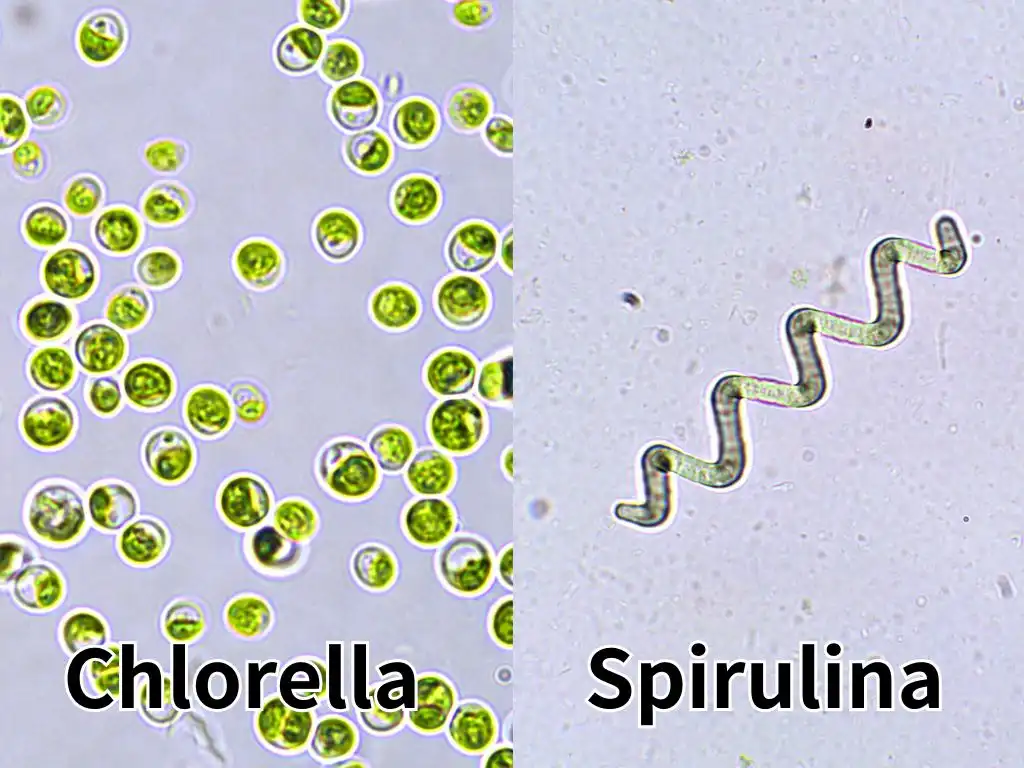
These two microalgae, chlorella and spirulina, are very valuable and are used a lot in B2B nutritional goods. But their genetic structure and the food they eat are very different. Chlorella powder comes from Chlorella vulgaris or Chlorella pyrenoidosa, which are single-celled green algae that live in freshwater. It needs to be treated in a way that breaks down the cell walls. This can be done by using high pressure to mix it up or ultrasound waves to crack them. This makes the powder accessible, which can be anywhere from 40% to over 85%. It is a blue-green cyanobacterium from the Arthrospira family, but its cellulose wall is not very tough. Its biochemistry is different because it is based on phycocyanin instead of Chlorella Growth Factor (CGF), but it can get food straight away.
Understanding Chlorella and Spirulina: An Overview
The cells, how they grow, when they are picked, and how they are processed are all different between these two vitamin shakes. When people who do the shopping know about these differences, they can pick the right item for a recipe while still following rules for quality and the environment.
Origins and Classification
For chlorella to grow well, it needs to be in water that is either controlled photobioreactors or open race ponds. Chlorella vulgaris and Chlorella pyrenoidosa are the main species used in industrial growth. It is possible to grow a lot of these species because they grow quickly and have a lot of cells. Since spirulina is a cyanobacterium and not a true algae, it grows best in saline water and in warm, subtropical places. The genus Arthrospira platensis and the genus Arthrospira maxima have the most important strains for trade. This difference in terminology changes not only how the plants are grown, but also how they are used and what they taste like in the end.
Cultivation and Processing Technologies
The amount of light, nutrients, and temperature must all be carefully controlled in order to get the most biomass and beneficial chemical concentration from chlorella. Once the algae has been spun or flocculated and collected, it is sprayed to dry so that nutrients that react with heat are kept. The most important thing to do when working with chlorella is to break down the cell walls. Many mucopolysaccharides are found in the original cellulose framework. These help the body get rid of toxins, but they make food very hard to digest. More than 85% of the cell walls are broken in professional-grade chlorella powder by sound or mechanical stress. This doesn't affect the nutrients like CGF, chlorophyll, and important amino acids that are inside the cells.
Spirulina is easy to prepare because its cells don't have a hard wall. Washing gets rid of any extra culture medium after picking, and low-temperature drying methods keep the blue color called phycocyanin, which is good for you because it fights free radicals. Proteins usually dissolve more quickly and easily in water when spirulina powder is added. This makes it a better choice for use in drinks where speed is important. Both types of powder come in both organic and regular forms. Land, water, and inputs must be used in a certain way in order to get an organic license.
Forms and Grade Variations
Chlorella powder is available in a range of mesh sizes, from 120 mesh to 200 mesh. Different grades of mesh work better for different uses. Rougher grades may be better for making screens because they can move around more easily. This chlorella powder is very popular because it has to go through a strict approval process. Also, people like to buy things that have clear labels. Chlorella that isn't organic is just as healthy, but it might be grown with artificial nutrients, which is something that some consumer groups and government agencies pay close attention to.
When it first hits the market, spirulina is mostly sold as a powder or in pill form. For businesses, powder types are the most popular because they are easy to make. For direct-to-consumer stores, tablet types work well, but they cost more because they need more fillers and compression methods. There is a blue-green color in spirulina that can be used to naturally color food and drinks. The darker emerald color of chlorella is not as good for this.
Nutritional Profiles and Health Benefits Comparison
You need to know how the different nutrients in chlorella and spirulina affect the health claims and benefits of the mix before you choose one over the other. This comparison tells buying teams what they need to know to make sure the materials they pick fit with the brand and the people who are most likely to buy it.
Protein Content and Amino Acid Profiles
If you look at chlorella algae powder by its dry weight, it has between 55% and 65% protein. This protein includes all nine important amino acids. Chlorella can be used in place of animal proteins in sports nutrition and meal replacement items because it has all of these proteins. The amino acid distribution is mostly made up of branched-chain amino acids like valine, isoleucine, and leucine. These acids help build muscle and heal from injuries.
The amount of protein in spirulina is the same as this: between 60% and 70% protein by dry weight. The amino acids are also the same. Since spirulina doesn't have any cellulose walls, its protein is very easy to digest, often up to 85%. So, spirulina is great for products that help older people or people who have just had surgery absorb nutrients quickly or whose digestive systems aren't working well.
Micronutrient Density and Bioactive Compounds
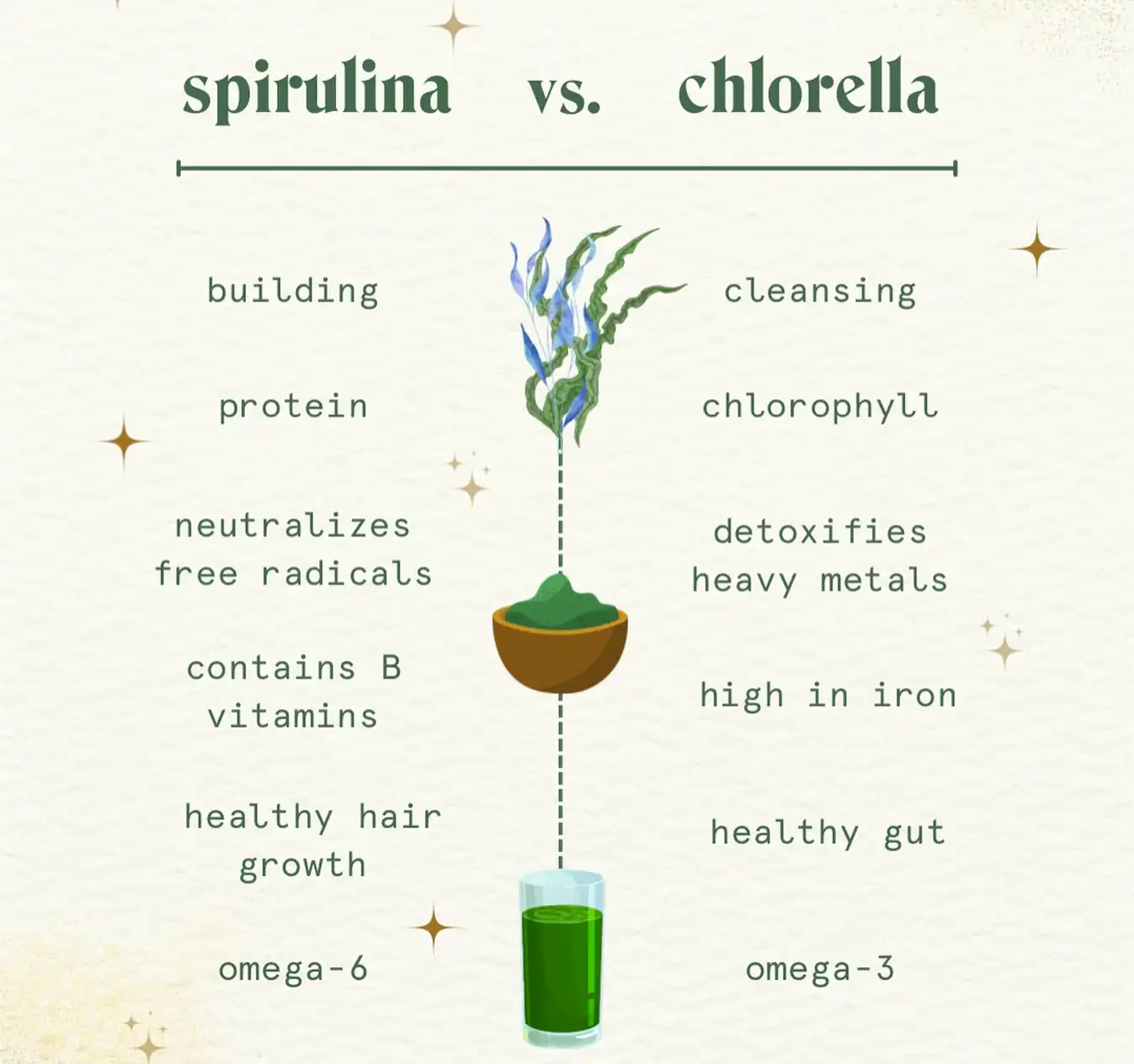
One thing that makes chlorella stand out is that it has a lot more chlorophyll than spirulina. Often, it has more than 2,000 mg per 100 grams. Chlorophyll is used in many ways in cooking. It naturally adds color, chelates heavy metals to help the body get rid of toxins, and fights free radicals. Chlorella Growth Factor (CGF) is a unique chemical that helps cells grow back and changes how the immune system works. It is made up of bases, amino acids, and proteins. Most of the time, CGF makes up between 3% and 5% of overall biomass. This is one thing that sets apart the best lines of nutraceuticals for fighting age and boost the immune system.
Phycocyanin is a chemical that can only be found in spirulina. It is a water-soluble phycobiliprotein that has been shown to help reduce inflammation and protect cells from damage. The amount of phycocyanin in spirulina powder varies based on how it was grown, but it's usually around 10 to 20% of the dry weight. This chemical gives spirulina its bright blue color. Spirulina is both a healthy food supplement and a natural way to color drinks and sweets. A lot of gamma-linolenic acid is found in spirulina. This is an omega-6 fatty acid that helps lower inflammation. This thing isn't found in very much chlorella.
Vitamin and Mineral Composition
There are a lot of B vitamins in both types of microalgae, such as B1, B2, B6, and B12. But more research needs to be done on how accessible B12 from algae is. Because spirulina has more of some B vitamins, like B2 (riboflavin), it can be used in recipes that help the body use energy. Other foods don't have as much iron and vitamin C as chlorella does. Vitamin C helps the body process iron and keeps the nervous system healthy. Since chlorella's iron is not heme, it is better absorbed by the body than iron from many other plants. This is because it is mixed with vitamin C and other substances that help the body receive it.
Mineral profiles are not at all the same. Because it grows in alkaline conditions, spirulina has more sodium than other plants. This may need to be taken into account in recipes that are low in sodium. Chlorella has a better mix of minerals because it has a lot of magnesium, potassium, and zinc. Beta-carotene can be found in both spirulina and chlorella powder, but chlorella generally has more than spirulina. Plus it has vitamin A in it, which is good for your eyes and skin.
Functional Benefits and Application Focus
Changing what you eat has different effects in real life that help you make decisions about design. It's easy to get rid of heavy metals like mercury, lead, and cadmium because chlorella powder has cell wall mucopolysaccharides that bring them together. This is why chlorella is the best food for cleaning programs and chelation vitamins. Chlorella is great for recipes that support skin health, cell health, and recovery because it has a lot of CGF.
To lower inflammation, protect cells from damage, and improve heart health, spirulina is great because it has more phycocyanin and gamma-linolenic acid (GLA). Spirulina is easy to process and has a lot of protein, so it can be used as a food alternative, added to drinks for protein, or used as a sports supplement. In the useful food business, where looks are very important, the blue pigment lets goods be artistically set apart.
Dosage Considerations and Side Effects
Two to five grams of best chlorella powder a day is a healthy amount for most people. Up to 10 grams a day can be used in clinical cleansing programs with the help of a doctor. It's possible that chlorella will make your stomach feel a little funny at first while your body gets used to the extra fiber and cleaning work. People who work in buying should tell people to use slow introduction methods when making things that people will use.
The daily amount of spirulina is also between 3 and 5 grams, though larger amounts are used for certain tasks. People who have autoimmune thyroid problems or phenylketonuria should be careful when they eat spirulina because it has a lot of protein and salt. It has been shown in tests that both powders are very safe. The only bad effects that happen very rarely are mild stomach problems or allergy reactions in people who are sensitive.
Chlorella vs Spirulina: Market and Procurement Insights
You need to know how these parts work in different fields and how market factors affect picking a seller and setting prices if you want to buy the right things. This part helps buyers decide which sellers to buy from and which products to choose.
Primary Use Cases Across Industries
Neither chlorella nor spirulina powders are sold in stores that sell food or supplements. The main thing in detox vitamins, immune system boosts, and things that focus on CGF for healthy cells is chlorella. The main thing that makes up protein pills, vitamin mixes, and drugs for inflammation is spirulina. You can find both of these ingredients in green superfood mixes and nutrient blends. Their different health benefits work together to make the benefits even better.
Fit-focused food and drink companies are adding these powders to snacks, energy drinks, protein bars, juice mixes, and more. These foods and drinks are already very healthy. Because it has a lot of nutrients, chlorella is good for rich protein bars and meal replacement products. Spirulina, on the other hand, is better for drinks because it dissolves better and has a milder taste. You can use both chlorella and spirulina in your makeup. Since chlorella has a lot of chlorophyll, it's better for anti-aging and cleaning the skin, while spirulina has phycocyanin, which makes it better for soothing and protecting the skin.
Supplier Landscape and Sourcing Strategies
A lot of places around the world ship chlorella and spirulina. The main places where things are made are in Asia, North America, and Europe. Most of the chlorella is made by companies in Asia, mostly in China, Taiwan, and Japan, where it grows best and costs the least. China, India, and the US are the main places where spirulina is grown because they have lovely weather for it.
When reviewing buyers, procurement teams should look at how they grow their businesses. Most of the time, algae grown in photobioreactors are less likely to be contaminated than algae grown in open ponds. Photobioreactor production, on the other hand, costs more to set up and run, which is reflected in the longer prices. Organic approval costs more, but it lets you reach more expensive customers and makes it easy to follow the rules in many places.
When looking for a provider, reliability is more than just price. It also means having consistent batches, clear testing methods, an open supply chain, and the ability to offer expert support. A lot of the best providers give analysis results that are unique to each batch and show the protein content, heavy metal screening, microbe testing, and pesticide residue analysis. It's important to have these papers for government records and customer checks.
Bulk Procurement and Cost Considerations
The smallest amount you can order from each service company is very different. Specialty manufacturers, for instance, need orders of at least 100 tons, but trade companies might be able to handle smaller orders at first. A lot of people save a lot of money when they buy a lot of something. When you buy more than 1,000 kilos, you often get 10 to 20 percent off.
Chlorella and spirulina cost more than other types of greens because they are harder to make. To make chlorella, the cell walls have to be broken down, which costs more. It also costs 10–20% more than spirulina of the same grade and approval. For both of these items, being certified organic means that they cost 20% to 40% more than regular things. These different prices have to be weighed by the buying team against the unique marketing and functional benefits that each item brings to their product line.
Quality Certifications and Compliance Requirements
Getting the right licenses for the right places is the first step in following the rules. If you have ISO 9001 certification, it means you follow the quality management system. If you have ISO 22000 or HACCP certification, it means you can keep food safe. GMP approval, whether it comes from the FDA, the EU, or another country, makes sure that the production conditions are pharmaceutical-grade, which is important for nutritional uses.
It takes a lot of work and regular checks to get organic approval from the USDA, the EU, or a similar program. But it lets you sell high-end organic products and makes your business stand out from others that sell similar goods. non-GMO approval isn't really needed for wild-type algae species, but it helps with marketing claims and makes customers feel better. It should be common for a third party to test for toxins like heavy metals, microcystins, herbicides, and microbiological risks. When asked, sellers should be able to provide up-to-date COAs.
Conclusion
The nutritional worth and functional benefits of chlorella and spirulina are not the same. They can be used in different ways to make nutraceuticals, functional foods, and makeup. There is a lot of chlorophyll in chlorella powder, cell walls are broken, and it has a special CGF complex that helps clean and protect cells. It's easy to process the protein in spirulina, it has defensive qualities based on phycocyanin, and it's simple to mix in. When deciding what to buy, people should think about their business goals as well as their food needs, useful claims, the things that they can and can't use, and the prices. When you source ingredients, you need to carefully consider providers, make sure quality standards are met, and smartly handle risks to make sure that goods work the same way in all global markets and that rules are followed.
FAQs
Can chlorella and spirulina be used interchangeably in formulations?
They are both very healthy microalgae, but you can't switch them out without changing the mix. So that chlorella can be used by living things, its cell wall has to be broken down. It also has more CGF and chlorophyll than other plants, which makes it a better choice for claims that it cleans. When it comes to drinks and pain relief, spirulina is better because it has more phycocyanin and proteins. Spirulina is more mild than chlorella, which tastes more like grass. The amounts of these ingredients have to be changed, along with maybe some other ingredients. You also need to look over the end product's specs and marketing claims again.
What certifications are essential when sourcing chlorella powder?
The most important certificates rely on the item and the people who will be buying it. Certifications like ISO 9001 and GMP show that a business follows important standards for quality management and production in the food and medicine industries. Organic product lines need to be approved by the USDA, the EU, or a similar group. This helps them stand out as high-quality goods. Scientists don't think that wild-type algae needs to be non-GMO certified, but the market wants it. For each batch, there should be proof that it was checked by a third party for heavy metals, microcystins, pesticides, and germs. Depending on who the product is for and how it is sold, it might need extra licensing like approval from the Kosher, Halal, or Vegan society.
Partner with Bolin Biotechnology for Premium Chlorella Powder Supply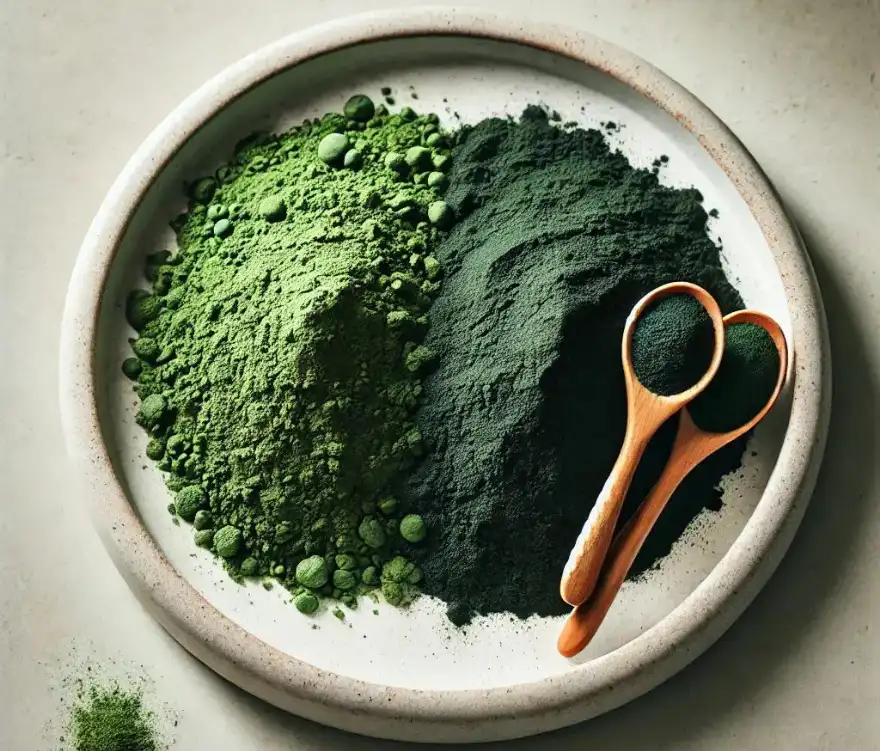
Shaanxi Bolin Biotechnology stands as your main partner and can help you find pharmaceutical-grade spirulina and chlorella powder that meets all of your production needs. Since we've been in business since 2012, we know a lot about the latest methods for extracting plants. We help companies all over North America that make medicines, nutraceuticals, and functional foods. We have more than ten years of experience processing plant products, making sure they are of high quality, and following all the rules. There are strict steps we take to break down the cell walls in our chlorella powder, which makes it more than 85% edible. It also goes through a lot of tests to make sure that the amounts of heavy metals, microbial counts, and nutrition profiles always meet or go beyond international standards. For example, GMP, ISO, and HACCP certifications make sure that this happens. We have MOQs that are open enough to work for both new names and well-known ones. Our expert recipe help and friendly customer service team know how hard it can be for businesses to buy goods. Email our team at sales1@bovlin.com to talk about your particular needs and get full specs, fair prices, and samples from our facilities that make chlorella powder. You can stay on track with your product development schedules because you will have a steady source that you can be sure of the quality of.
References
Kay RA, Barton LL. Microalgae as food and supplement. Critical Reviews in Food Science and Nutrition. 1991;30(6):555-573.
Becker EW. Micro-algae as a source of protein. Biotechnology Advances. 2007;25(2):207-210.
Watanabe F, Takenaka S, Kittaka-Katsura H, Ebara S, Miyamoto E. Characterization and bioavailability of vitamin B12-compounds from edible algae. Journal of Nutritional Science and Vitaminology. 2002;48(5):325-331.
Panahi Y, Darvishi B, Jowzi N, Beiraghdar F, Sahebkar A. Chlorella vulgaris: A Multifunctional Dietary Supplement with Diverse Medicinal Properties. Current Pharmaceutical Design. 2016;22(2):164-173.
Wu Q, Liu L, Miron A, Klímová B, Wan D, Kuča K. The antioxidant, immunomodulatory, and anti-inflammatory activities of Spirulina: an overview. Archives of Toxicology. 2016;90(8):1817-1840.
Merchant RE, Andre CA. A review of recent clinical trials of the nutritional supplement Chlorella pyrenoidosa in the treatment of fibromyalgia, hypertension, and ulcerative colitis. Alternative Therapies in Health and Medicine. 2001;7(3):79-91.