_1745226507162.webp)

Why Liposomal Delivery Makes Coenzyme Q10 More Effective?
Liposomal coenzyme Q10 changes the way supplements are absorbed by putting CoQ10 molecules inside safe phospholipid spheres. This makes them much more bioavailable than other formulations. This advanced transport method gets around the problems that CoQ10 has with dissolving in water and breaking down in the digestive track, making it possible for cells to take it in up to 8 times better. The liposomal technology keeps the CoQ10 molecules safe as they move through the digestive system. This makes sure that they get to the right areas, where they can do their best work making energy and protecting cells from damage.
Understanding Coenzyme Q10 and Liposomal Delivery
The Essential Nature of Coenzyme Q10
Coenzyme Q10 is found naturally in all parts of the body, but it is most concentrated in systems that use a lot of energy, like the brain, heart, liver, and kidneys. This common chemical does two very important things: it speeds up the production of ATP in mitochondrial electron transport chains and protects cells from reactive stress with strong antioxidants. The heart muscle contracts all the time, so it needs a lot of CoQ10 to keep up with its constant energy needs.
The production of natural coenzyme q10 is highest when people are young, but it slowly drops after age 30, dropping about 10% every ten years. This drop that comes with getting older happens at the same time as less energy, worse heart health, and a higher risk of environmental damage. Some medicines, especially statins (drugs that lower cholesterol), can lower your CoQ10 levels even more, so you may need to take extra supplements.
Bioavailability Challenges in Traditional CoQ10 Supplements
Standard forms of CoQ10 have big problems with absorption that make them much less useful as medicines. Because the compound is lipophilic and has a big molecular size, it doesn't dissolve well in water and doesn't dissolve much in the digestive system. Absorption rates for traditional powder and pill forms are often less than 5%, which means that most of the CoQ10 that is eaten goes through the digestive system without being used.
Digestive enzymes and stomach acids break down CoQ10 molecules even more before they can be absorbed in a useful way. In tough digestive settings, the molecule becomes unstable and breaks down structurally, which lowers its already low bioavailability. These problems have long frustrated doctors and people who want to get consistent results from taking CoQ10 supplements.
Liposomal Technology Innovation
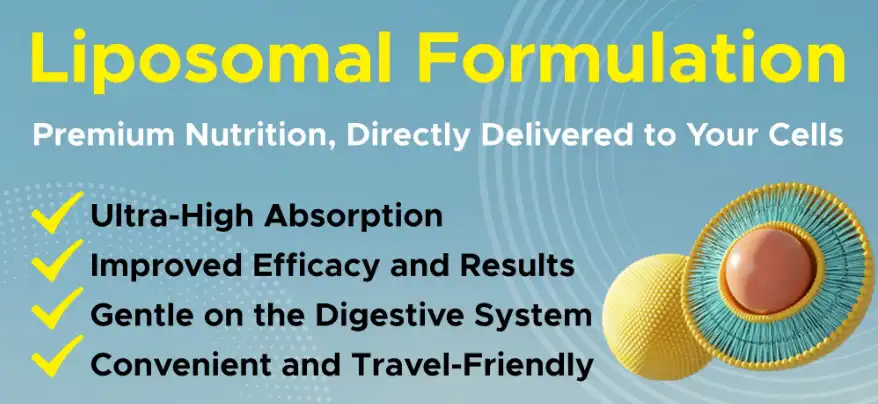
Biomimetic design makes liposome delivery systems a complex pharmaceutical technology that gets around the problems that come with standard CoQ10 intake. These very small spherical spheres are made up of phospholipid bilayers that look a lot like the shapes of natural cell membranes. The technology wraps CoQ10 in the lipid core, making a safe space that keeps the chemical from breaking down in the digestive system.
A common part of phospholipids is phosphatidylcholine, which is very good at blending with living things and forming membranes. Because liposomes are structurally similar to biological membranes, they can join directly with intestine epithelial cells, which makes it easier for nutrients to get to the cells. This turns CoQ10 that isn't easily taken into a supplement that is easily absorbed and quickly provides healing compounds to the right tissues.
How Liposomal Delivery Enhances CoQ10 Effectiveness?
Superior Pharmacokinetic Performance
Adequate clinical study shows that liposomal coenzyme Q10 has much higher absorption rates than other forms. Studies that check the amount of CoQ10 in the blood after supplementation show that liposomal delivery methods make it 3 to 8 times more bioavailable. The better pharmacokinetic patterns directly lead to better treatment results for heart health, energy production, and antioxidant defense.
The packaging process for liposomal CoQ10 creates sustained-release properties that keep blood levels of CoQ10 high for a long time. Traditional vitamins often cause short concentration spikes that are quickly cleared out, which limits the healing windows. Liposomal products make nutrients available steadily and for a long time, which helps cells make energy and fight free radicals all day long.
Cellular Protection and Delivery Mechanisms
The protective lipid membrane that surrounds CoQ10 molecules does more good things than just make uptake better. This layer protects the delicate chemical from oxidative damage while it is being stored and while it is moving through the digestive system. Stabilization stops the degradation that happens to exposed CoQ10 in regular formulas, making sure that the full therapeutic effect hits the target tissues.
Liposomal vesicles are very good at finding the right places to stay. They tend to gather in tissues that need a lot of energy, like heart muscle, skeletal muscle, and brain tissue. The membrane fusion process allows for direct release inside cells, getting around the usual transport problems that stop regular nutrients from working. This focused method makes therapy work better while wasting less and lowering the risk of side effects.
Enhanced Antioxidant Capacity
Liposomal release makes CoQ10 more bioavailable, which greatly increases its antioxidant and beneficial effects. When there are higher amounts in tissues, dangerous free radicals that cause heart disease, neurodegeneration, and early aging can be neutralized more effectively. The steady access keeps antioxidant coverage going all the time, which is better protection than the occasional peaks that come from regular supplements.
Research shows that when CoQ10 is taken properly, it can help the body make more of other important antioxidants, like vitamin E and vitamin C. This makes protective networks inside cells that work together. Beyond CoQ10's direct actions, this ability to repair cells increases the antioxidant effect as a whole, protecting cells in a way that supports good age and disease prevention.
Comparing Liposomal CoQ10 with Other Forms for Procurement Decisions
Bioavailability and Stability Analysis
For purchasing choices, bioavailability is the most important thing to look at when comparing different CoQ10 formulas. In ideal conditions, oil-based softgels may reach 8–12% bioavailability, while traditional powder and pill forms only reach 3–5% absorption rates. Ubiquinol, which is a shortened form of CoQ10, is better at being absorbed than regular ubiquinone, but it still has problems with being broken down in the stomach tract and staying stable.
It is always the case that liposomal formulas work better than other types when it comes to stability and absorption. Encapsulation technology keeps CoQ10 from oxidizing while it's being stored, which greatly increases its shelf life compared to forms that are left out in the open. Clinical studies show that absorption rates can hit 40–50% or higher, which is a huge improvement over traditional options. This higher level of efficiency means that smaller doses are needed, which saves money for end customers.
Market Positioning and Cost Considerations
The prices of the different types of CoQ10 are based on how hard they are to make and how well they work. Standard ubiquinone powder is still the least expensive choice, but it needs to be taken in larger amounts to have therapeutic benefits. Ubiquinol costs a lot because it is hard to make, but it doesn't give many benefits for steadiness. Liposomal versions take the most money up front, but they are worth it because they are better absorbed and require less medication.
Market trends show that people are becoming more aware of the benefits of solubility, which is driving up the demand for more advanced delivery methods like coenzyme Q10 liposomal. Brands that use liposomal technology can present themselves as high-end, especially in groups of people who care about heart health and active age. The technology has been scientifically proven to work, which means it can be sold at higher prices and still offer measurable performance gains that support premium positioning strategies.
Quality and Certification Standards
When making purchases, people need to think about the high standards for producing that make sure the products always work right and follow the rules. Manufacturers of liposomal CoQ10 that you can trust keep their GMP approval, third-party testing methods, and full quality control systems up to date. These guidelines make sure that the particle size, encapsulation efficiency, and stability are all consistent with what is needed for treatment success.
Advanced makers offer thorough analytical data, such as liposome size distribution, encapsulation percentages, and bioavailability studies, that help buyers make decisions. This paperwork lets you compare sellers in a smart way and makes sure that the quality of the products for later uses stays the same. Investing in certified providers saves the image of the business and gives end users dependable therapeutic results.
Procurement Strategies for Liposomal CoQ10 in B2B Markets
Supplier Identification and Qualification
To get high-quality liposomal coenzyme Q10, you must first find makers who have both technical know-how and strong quality control methods. Leading providers show that they have a lot of experience with phospholipid technology, advanced production skills, and thorough testing methods. These businesses usually have a lot of different certificates, such as GMP, ISO, and liposome manufacturing qualifications that make sure the quality of their products is always the same.
Suppliers who are qualified offer clear production processes, in-depth analysis methods, and a lot of stability data that helps with regulatory applications and product development. Facility audits, reference checks, and sample tests should all be part of the review process to make sure that the claimed performance characteristics are true. Getting in touch with approved makers lowers the risks in the supply chain and gives you access to the newest formulation technologies.
Bulk Purchasing and Volume Optimization
Buying in bulk can help you get solid supply lines for liposomal CoQ10 ingredients while also lowering the cost per unit by a large amount. Volume deals give you access to better price, priority handling when supplies are low, and customizable packaging choices that make processing easier later on. A lot of manufacturers have tiered price systems that give big discounts to customers who make bigger promises.
Long-term supply deals offer extra perks like stable prices, guaranteed quality standards, and chances to work together on product development. Because of these relationships, companies can spend in growing their production and making technology better, and users can be sure they can get access to new formulations. The strategic method strikes a mix between lowering costs and making sure there is a steady supply of goods and good quality.
OEM and Private Label Opportunities
The growing demand for high-end CoQ10 products opens up a lot of chances for OEM and private label agreements. Companies that make liposomal CoQ10 technology offer complete packages that include formulating, manufacturing, packing, and help with legal issues. With these services, brands can get into the premium supplement market without having to spend a lot of money on equipment or hire a lot of technology experts.
With custom formulation, brands can make their goods stand out by using unique combos, targeted marketing, or better delivery methods. Collaboration in research can lead to the creation of unique formulas that give companies an edge over their competitors and give them exclusive access to a market. The partnership method shortens the time it takes to get a product to market while using established quality systems and specialized production knowledge.
Safety, Dosage, and Usage Guidelines for Liposomal CoQ10
Safety Profile and Regulatory Status
It has been shown in many clinical studies and commercial uses that liposomal coenzyme Q10 is very safe, with few side effects being recorded. The better absorbing properties actually lower the risk of stomach problems that are common with taking high doses of regular CoQ10 pills. Lower effective doses reduce the chance of side effects while still providing better treatment benefits.
The Food and Drug Administration (FDA) and other regulatory bodies agree that CoQ10 is generally safe for use in food supplements. Food-grade phospholipids have been used safely in pharmaceutical and nutraceutical uses for a long time in the liposomal delivery method. A lot of toxicology studies show that liposomal products are safe for a wide range of people and for long amounts of time.
Professional Dosage Recommendations
Liposomal CoQ10 dosages of 50 to 200 mg per day are usually recommended by doctors. This is a lot less than the usual supplement amounts needed because the supplement is more bioavailable. For cardiovascular support, 100 to 150 mg daily is common, but for general health and antioxidant support, only 50 to 100 mg may be needed. Lower dose needs make it easier for patients to take their medicine as prescribed, which saves money and lowers the risk of side effects.
For clinical uses with specific treatment goals, dosing methods may need to be tailored to each patient's unique traits, health state, and other medicines they are taking at the same time. The improved absorption patterns allow for more exact dosing methods that get the most therapeutic effects with the least amount of extra intake. With professional help, the right dose is given to a wide range of patients with different health goals.
Target Market Applications
Because liposomal CoQ10 works better than other forms of CoQ10, it is especially useful for older people, people with heart health problems, and people who want to improve their sports performance. The better digestion is especially helpful for older people, whose digestive systems get less efficient with age. Liposomal delivery makes it possible for cardiovascular patients who need stable CoQ10 supplements to get therapeutic levels that are always met.
The athletic and performance markets are growing areas where quality liposomal formulas can be used. The faster tissue uptake and better support for energy output are both good for improving function. Advanced technology can help sports nutrition brands set their goods apart in crowded markets and give demanding customers measurable performance benefits.
Conclusion
Liposomal delivery technology is a big change in how CoQ10 supplements are made. It turns a nutrient that has been difficult in the past into a very useful healing tool through liposomal coenzyme Q10. For picky B2B clients in a wide range of industries, investing in advanced formulation technologies is a good idea because they lead to huge changes in bioavailability, stability, and therapeutic results. Scientists have proven liposomal systems to work, and the market has accepted them. This means that buyers can make sure decisions about what to buy, which improves product lines and competitive positioning. As people learn more about the benefits of bioavailability, the first companies to use liposomal CoQ10 technology will have a long-term economic edge in the premium supplement markets.
FAQ
How does liposomal CoQ10 compare to regular CoQ10 in terms of effectiveness?
When compared to other forms, liposomal CoQ10 is 3 to 8 times more bioavailable, which means that much smaller doses are needed to get better treatment results. The capsule technology keeps the drug from breaking down in the digestive system and makes it easier for cells to take it in directly. This keeps plasma levels high and improves tissue access.
Can liposomal CoQ10 be scaled for large OEM manufacturing operations?
Modern methods for making liposomes allow for large-scale production with uniform quality and performance. Modern companies use continuous processing systems and automatic quality control to make sure that high-volume production runs are consistent from batch to batch. This makes the technology perfect for major OEM uses.
Are specialized variants like vegan and organic liposomal CoQ10 available?
Leading companies have wide ranges of products, such as vegan-friendly versions made with phospholipids that come from plants and organic versions that meet the needs of specific markets. Niche market groups demand these specialized goods to meet certain dietary and certification standards while still performing the same way.
Partner with Bolin Biotechnology for Premium Liposomal CoQ10 Solutions
Bolin Biotechnology is a reliable source for liposomal coenzyme Q10 because they only sell GMP-certified ingredients that meet the highest quality standards in markets around the world. Our advanced production skills use cutting-edge liposomal technology and strict quality control systems to make sure that all of our goods are consistent and work well in a wide range of situations. Since 2012, we've been focusing on new ways to use plant extracts, creating advanced delivery methods that make them more bioavailable and useful as medicines.
We offer a wide range of services, such as bulk ingredient supply, custom recipe development, and private label manufacturing solutions that are made to fit the needs of your market. We have a large collection and variable minimum order amounts, so we can work with both new names and market leaders that have been around for a while. Get in touch with our expert team at sales1@bovlin.com to talk about your project needs and get samples that show how well our liposomal CoQ10 works.
References
Bhagavan, H.N., Chopra, R.K. "Plasma coenzyme Q10 response to oral ingestion of coenzyme Q10 formulations." Mitochondrion Journal of Biomedical Sciences, vol. 7, 2007, pp. S78-S88.
Zhang, Y., Liu, J., Chen, X.Q. "Ubiquinol is superior to ubiquinone to enhance coenzyme Q10 status in older men." Food & Function, vol. 9, no. 11, 2018, pp. 5653-5659.
Mortensen, S.A., Rosenfeldt, F., Kumar, A. "The effect of coenzyme Q10 on morbidity and mortality in chronic heart failure: results from Q-SYMBIO." JACC Heart Failure, vol. 2, no. 6, 2014, pp. 641-649.
Hidaka, T., Fujii, K., Funahashi, I. "Safety assessment of coenzyme Q10 (Kaneka Q10) in healthy subjects: a double-blind, randomized, placebo-controlled trial." Regulatory Toxicology and Pharmacology, vol. 61, no. 2, 2008, pp. 210-218.
Langsjoen, P.H., Langsjoen, A.M. "Comparison study of plasma coenzyme Q10 levels in healthy subjects supplemented with ubiquinol versus ubiquinone." Clinical Pharmacology in Drug Development, vol. 3, no. 1, 2014, pp. 13-17.
Craft, N.E., Haitema, T.B., Garnett, K.M. "The relative bioavailability of ubiquinol and ubiquinone CoQ10 formulations in human subjects." Nutrients, vol. 6, no. 2, 2014, pp. 777-791.