_1745226507162.webp)

Your Definitive Guide to Sourcing L-Theanine Powder
Understanding the ingredient's special features and the supply chain factors that influence buying decisions is necessary for sourcing high-quality pure L-theanine powder. As the need for this naturally occurring amino acid grows in nutraceuticals, functional beverages, and wellness products, procurement workers are under more and more pressure to find trusted sources who can provide stable quality, follow regulations, and offer good value. This complete guide talks about the important things that makers, formulators, and buying managers need to think about when adding L-theanine to their products. In today's competitive market, knowing the sourcing scene is important whether you're making supplements to help you think, drinks to help you relax, or new useful foods. It makes sure that your supply chain meets both quality standards and business goals.
Understanding Pure L-Theanine Powder and Its Benefits
What L-Theanine Is and Its Natural Origins
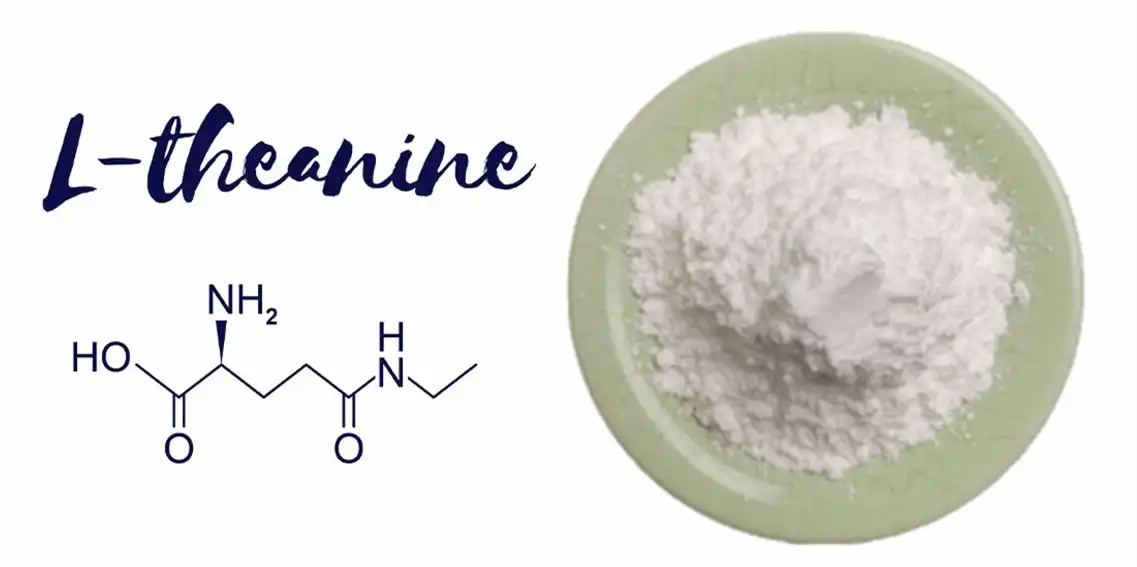
Theanine is a special amino acid that can only be found in tea leaves, especially green tea. Some types of mushrooms also have small amounts of it. Unlike the 20 standard amino acids that are used to make proteins, L-theanine has specific neurological effects that have sparked a lot of study interest. Japanese scientists separated the substance from green tea in 1949. Its molecular makeup makes it easy for it to get into the brain. Pure L-theanine powder is the crystalline form of this amino acid that has been separated from other compounds. It is usually made by extracting it from tea leaves, but more and more often it is made through fermentation methods that consistently produce purity levels above 98%. Unlike whole tea extracts, which have concentrations that change depending on how they were grown and processed, this powder form gives producers exact control over dosing and recipe flexibility.
Cognitive and Relaxation Benefits Without Sedation
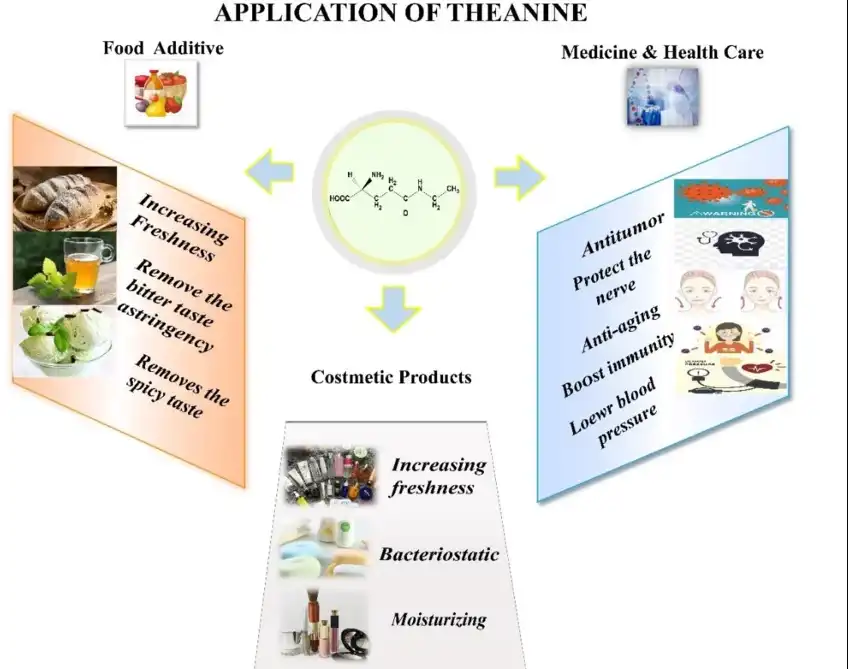
L-theanine is popular because it can help you relax without making you sleepy, which makes it different from other sedatives or sleep aids. Clinical study shows that L-theanine raises alpha brain wave activity, which is linked to feeling calm while awake and thinking of new ideas. The amino acid affects several neurotransmitter systems by increasing the production of GABA, serotonin, and dopamine and decreasing the activity of glutamate. During times of worry, these processes help reduce anxiety, improve attention span, and boost cognitive performance. According to research published in nutritional neuroscience journals, taking L-theanine is linked to fewer bodily stress reactions, such as lower heart rate and cortisol levels when doing difficult tasks. A typical amount that works is between 100 mg and 200 mg. Studies that look at L-theanine and caffeine together show that they improve focus and accuracy together. This is why this combo is so popular in cognitive improvement products for professionals and students.
Applications Across B2B Industries
Because L-theanine powder is so flexible, it can be used in a lot of different industrial fields. Nutraceutical companies put this ingredient in stress-relieving pills, tablets that help you concentrate, and sleep aids because it doesn't make you sleepy like melatonin or magnesium do. Functional beverage companies add L-theanine to ready-to-drink stress relievers, nootropic shots, and better water products that are aimed at health-conscious customers. The bland taste and high solubility of the ingredient make it easy to add to powder mixes, gummies, and even cosmetics, where anti-aging and skin-soothing effects are being studied for topical use. Pharmaceutical makers are looking into L-theanine as an extra treatment for anxiety disorders and attention problems. They need pharmaceutical-grade materials that meet pharmacopeia standards and have a lot of paperwork and batch tracking.
Comparing Pure L-Theanine Powder with Other Forms and Alternatives
Powder Versus Capsules and Tea Extracts
For business-to-business purchases, pure L-theanine powder is clearly better than pre-packaged goods and standardized tea extracts. Powder form gives formulators the most freedom, so they can make custom doses, mix with complementary ingredients, and come up with their own transport systems that work best for their target markets. Encapsulated L-theanine increases the cost of processing and reduces the number of ways it can be reformulated, but it is useful for private-label uses where speed-to-market is more important than customization. Green tea extracts have a lot of different ingredients, such as L-theanine, catechins, caffeine, and polyphenols. These ingredients make the extracts complicated, which may be good for some uses but makes it harder to standardize dose and control quality. When properly made, absorption rates are the same for all types, though powder can be put under the tongue for delivery methods that may improve bioavailability. If a company makes a lot of different SKUs, buying powder is often the most cost-effective option because it's easier to keep track of a large stockpile of powder than of capsules or extracts.
Alternative Relaxation and Cognitive Compounds
Knowing where L-theanine stands in comparison to other ingredients helps buying teams make smart decisions about formulation. Ashwagandha helps with adaptogenic stress in a number of ways that involve modulating cortisol. Its usual use has been to support long-term resilience rather than short-term ease. GABA supplements directly provide the calming neurotransmitter that L-theanine helps to make, but there are ongoing concerns about GABA's ability to cross the blood-brain barrier, which makes it hard to say for sure if oral supplements work. Magnesium helps you relax by lowering muscle stress and controlling NMDA receptors. When mixed with L-theanine in sleep aids, these two substances work together to create a stronger effect. Adaptogens like rhodiola and others affect brain function under stress in different ways, and they might work better together in complete nootropic mixes. The choice between L-theanine and other options is based on how the product is positioned, what the target consumer wants, the rules in the places it is meant for, and the clinical proof that supports the label claims.
Essential Quality Criteria for Supplier Evaluation
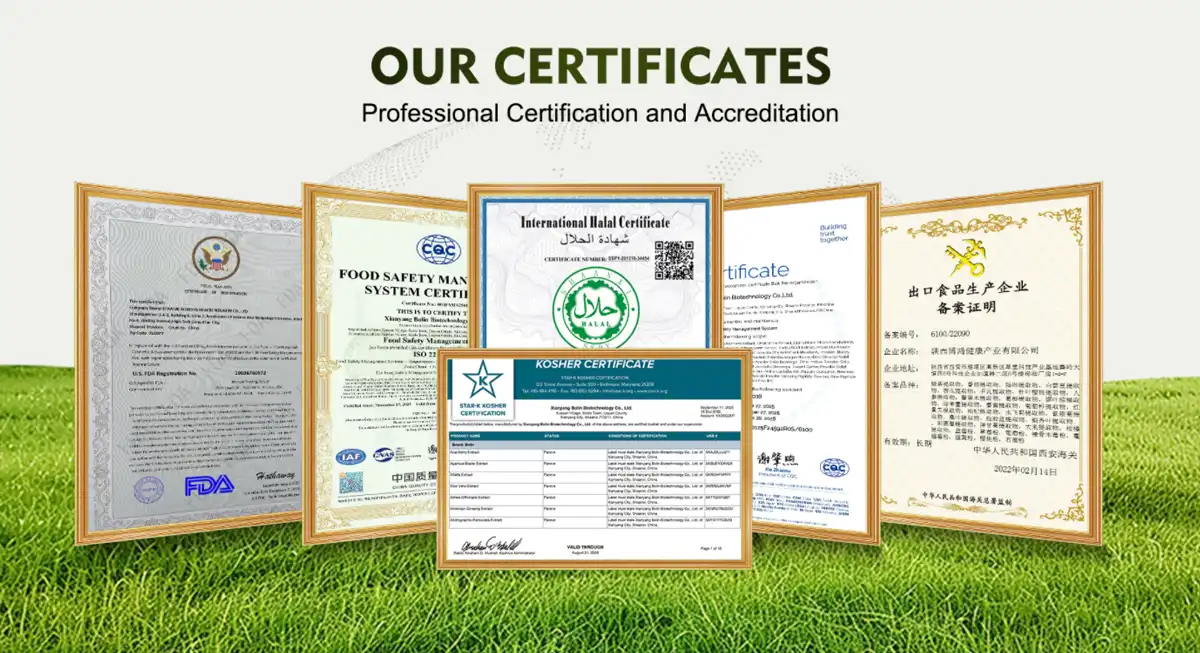
For finding trustworthy L-theanine powder providers, you need to look at more than just basic specs. GMP approval shows that factories follow good manufacturing practices, which include keeping things clean, keeping records correctly, and using the same working steps every time. Clean-label product makers like organic approval, but most L-theanine is made through fermentation instead of farm extraction, which makes organic claims harder to make. Documentation from a third-party lab test should confirm the amount of purity, make sure there are no heavy metals or microbes present, and confirm the L-isomer configuration versus the less active D-isomer. Suppliers who provide full Certificates of Analysis for each batch, stability data to back up promises about shelf life, and clear proof of where raw materials came from show the quality commitment needed for long-term relationships. Regulatory compliance paperwork is different depending on the market you're trying to reach. For example, sellers in North America need to know about FDA rules, NDI notices when they apply, and state-specific rules like California Prop 65 compliance.
How to Source Pure L-Theanine Powder for Your Business?
Defining Your Procurement Requirements
To start buying successfully, you need to be able to clearly state what your business needs in a number of different areas. Volume needs affect the choice of provider, since companies that make small specialty amounts have different buying options than beverage companies that need three-quarter-ton quantities every three months. Most of the time, purity requirements are between 98% and 99.5%. Higher grades are needed for pharmaceutical uses than for regular food supplements. Suppliers can help you choose the right grades by finding out if your products need specific particle sizes, flowability, or compaction qualities. Timelines affect buying strategy because it could take six months to fully validate new source relationships. On the other hand, urgent needs could force you to work with distributors who hold inventory, even if it costs more per unit. For practical effectiveness, the type of packaging you choose is important. For example, makers whose processes are sensitive to moisture may need small-batch packaging, while others benefit from bulk containers that cut down on packing waste and handling time.
Evaluating Supplier Credentials and Capabilities
Suppliers of L-theanine that you can trust show openness in a number of operating areas. Certifications like ISO 9001 for quality management and ISO 22000 for food safety, as well as badges specific to the industry, like Informed Sport or NSF approval for sports nutrition uses, make sure that practical standards are being met. The place where the goods are made affects how the regulations are aligned, and sellers who work in places with strong pharmaceutical oversight usually keep the basic standards higher. Laboratory testing capabilities show whether providers do all of their own research or only use third-party testing. Both methods have their benefits, but in-house capabilities usually allow for faster batch release and a better understanding of the process. Minimum order amounts vary a lot. Some providers require purchases of several hundred kilograms, while others allow smaller initial orders for formulation development. Access to applications scientists, formulation advice, and regulatory paperwork support add value beyond the base material itself. This is what sets special sellers apart from commodity vendors.
Direct Sourcing Versus Marketplace Purchasing
Quality control, pricing, and building relationships are all affected by the buying route in a big way. Direct contacts with manufacturers give you more information about how the products are made, help you make sure the quality is always the same, and let you make changes like changing the particle size or using different testing methods. Building direct supplier ties usually takes more research up front, like building audits or inspection reports from a third party. But it makes the supply chain more resilient by setting up clear lines of communication and mutual understanding. Online business-to-business (B2B) platforms are convenient and let you compare prices, so they're good for initial purchases or small-volume needs. But in the marketplace, deals are usually made by trading companies or wholesalers instead of makers. This could add extra layers of margin that raise prices without increasing value. It's harder to be sure of the quality of goods sold in markets because vendors come and go and buying practices aren't always constant. This means that there are risks of batch-to-batch variability in L-theanine powder. When using strategic buying methods, platforms are often used for market research and initial samples, while direct relationships with manufacturers are built for ongoing supply needs.
Quality Assurance and Compliance in L-Theanine Powder Procurement
Certification Standards and Testing Protocols
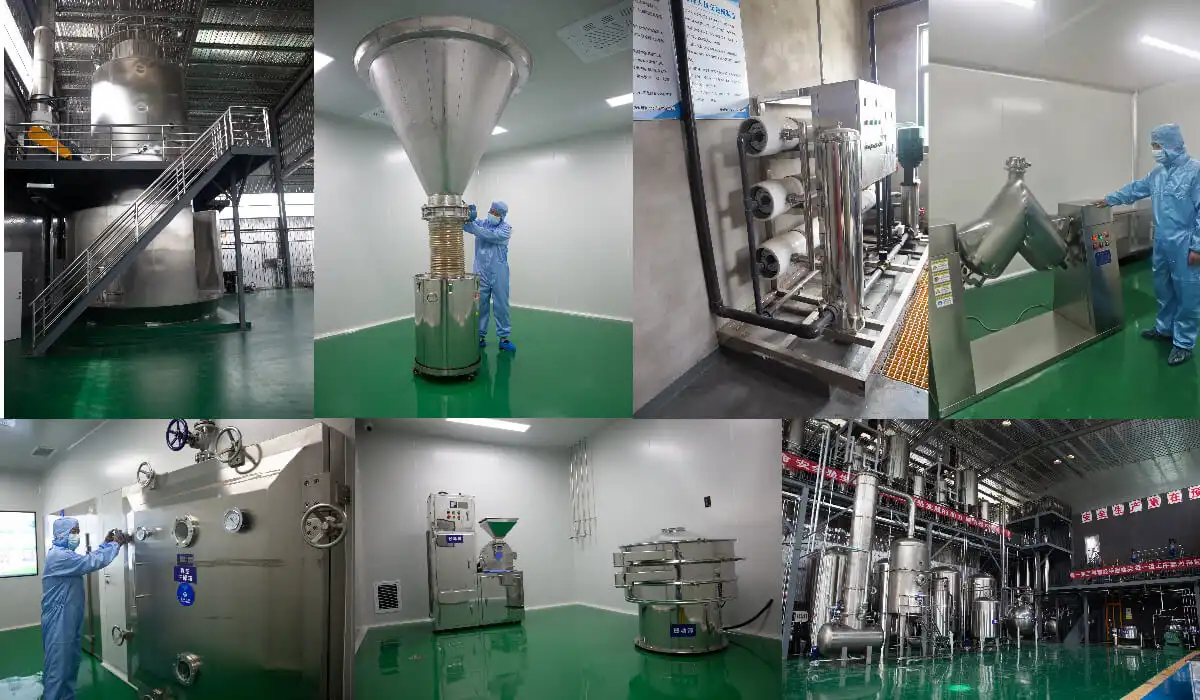
To start strong quality assurance, you need to know which badges and tests really show that a product is honest and which ones are just for marketing reasons. GMP approval is the most important requirement because it shows that production sites follow best practices for controlling contamination, calibrating equipment, and keeping records that meet the standards for pharmaceutical manufacturing. ISO standards show that quality management and food safety rules are followed in a planned way. ISO 22000 is especially useful for uses that involve food and drinks. Systematic risk analysis of biological, chemical, and physical pollution risks during production is required for HACCP approval. In addition to building approvals, testing records for each batch show that the product is actually of good quality. High-performance liquid chromatography (HPLC) checks the quantity of L-theanine and finds any possible contaminants, such as the inactive isomer D-theanine. Heavy metal tests screens look for mercury, arsenic, cadmium, and lead. This is especially important because tea leaf may come from places where there is industrial pollution. Microbial testing makes sure that there are no harmful bacteria, yeasts, or molds present, and the total plate numbers meet the requirements for the planned uses.
Mitigating Procurement Risks
Supply chain weaknesses put at risk both the quality of the goods and the business's ability to stay open. There are real problems with counterfeit ingredients in the botanical market, where less honest sellers might use cheaper chemicals or add fillers to make goods less strong. To lower this risk, you need to set up verification procedures that include having new materials tested independently against reference standards, even if the sellers give you Certificates of Analysis. Low-quality materials might meet the basic requirements, but they might not be pure enough, have consistent particles, or be stable enough for your purpose. Adding redundancy to supply lines by finding qualified secondary sellers stops production from stopping when main sources have problems with quality or capacity. The terms of the contract should clearly state the quality requirements, set clear acceptance criteria, spell out who is responsible for materials that don't meet standards, and include ways to settle disagreements. Long-term contracts that are balanced with regular open bidding keep prices low and supply relationships strong.
Building Strategic Supplier Partnerships
Companies that get the best quality-to-cost ratio see their ties with suppliers as strategic partnerships rather than just business transactions. Clear communication about production forecasts is a key part of partnerships that work. This lets producers plan their capacity and easily get raw materials. Manufacturers and sellers can both benefit from collaborative quality projects in which they work together to find ways to improve processes or make things more stable. Suppliers who give expert support during formulation development, help with regulatory paperwork, and market information do more than just provide raw materials. Reviewing quality measures, service performance, and new needs on a regular basis as part of business reviews helps keep relationships aligned. Partnerships are especially helpful when there are problems in the market, because sellers give more to trusted long-term partners when they can't get enough raw materials or have enough capacity. The quality of the connection often decides whether makers get proactive messages about possible problems or problem management that only happens after disruptions happen.
Maximizing Your Investment: Practical Tips for L-Theanine Powder Buyers
Formulation and Dosage Optimization
Making strategy formulation choices during effective product development helps find a balance between effectiveness, cost, and market positioning. Researchers have found that L-theanine doses between 100 mg and 400 mg can help with a number of conditions. For example, 200 mg doses are usually needed to reduce nervousness, while lower doses can help with cognitive enhancement, especially when mixed with caffeine. Bioavailability is affected by when the formulation is made. For example, pills break down in 30 minutes, but tablets might need disintegration agents to have the same release patterns. Combining L-theanine with ingredients that work well together makes products that work better and justify charging more for them. Putting products together with magnesium and melatonin helps with sleep in more than one way, and putting products together with B-vitamins and adaptogens makes them more resistant to stress. Because it dissolves easily, it can be used in drinks, but taste panels should check for possible savory notes that show up at higher amounts. Stability testing under fast conditions can predict how long something will last on the shelf. This helps with making choices about packing and expiration dates, which are important for following rules and reducing waste.
Packaging Considerations and Market Positioning
Choices about packaging affect how stable a product is, how efficiently it works, and how people see a brand. Moisture protection is important for keeping the quality of L-theanine powder. In wet places, desiccant packs or nitrogen flushing can be used to extend the shelf life. To keep goods from going bad, amber glass or dark containers are better than clear ones because they block light. Portion control packaging, like stick packs or single doses, is popular for people who like to eat on the go and commands higher prices despite the higher costs of packaging. Private-label makers can save money on per-unit packing costs with bulk containers, which also make production runs more efficient. Sustainability issues are becoming more and more important when it comes to packing. To solve these issues, brands are looking into biodegradable films, recycled materials, and refill systems. Label claims need to be carefully backed up by clinical data. Under DSHEA, structure-function claims are allowed, but treatment claims turn the product into a drug, which means the FDA has to go through approval processes that are very different from those for dietary supplements.
Cultivating Long-Term Supplier Relationships
Achieving success in procurement goes beyond just getting good prices; it also includes working together strategically to come up with new ideas and stay ahead of the competition. Clear predictions help manufacturers plan their production more efficiently, which could lead to better prices or sure allocation during times when markets are tight. Talking about quality standards, output problems, and changes in the market on a regular basis helps everyone understand each other and keeps everyone on the same page. When suppliers offer to work with researchers and developers on things like new delivery methods or finding new uses for products, they are no longer just selling goods; they become true innovation partners. Differentiation that is hard for competitors to copy is made possible by customization options like specific particle size distributions, specialized testing methods, or changed package designs. When you look at supplier partnerships through the lens of total-cost-of-ownership instead of just purchase-price, you can see the value in technical support, uniform quality that cuts down on rework, and reliable delivery that keeps you from running out of stock.
Conclusion
Finding high-quality L-theanine powder means combining a lot of different factors, such as quality checks, supplier relationships, legal compliance, and strategy formulation choices. Professionals in buying know that the cheapest option doesn't always give the best overall value because hidden costs like inconsistent quality, missing paperwork, or supply problems can make the total value less than ideal. Supply chain resilience helps businesses grow by building relationships with qualified suppliers who show they are honest, have technical knowledge, and are committed to quality. As the need for products that improve brain health and help with stress keeps growing, manufacturers need to make sure they can get premium L-theanine powder without any problems. This way, they can take advantage of market opportunities while keeping the quality of their products, which is important for brand reputation and following the rules.
FAQs
What is the ideal dosage of L-theanine powder for stress relief?
Clinical research backs up doses of 200 mg to 400 mg of L-theanine that effectively reduce stress. Most studies show that 200 mg taken once or twice a day significantly reduces worry. Responding differently depends on body weight, sensitivity, and other stresses going on at the same time. Synergistic processes may allow formulations that combine L-theanine with ingredients that work well with it to have similar benefits at slightly lower doses.
How can buyers verify L-theanine powder purity from new suppliers?
Ask for full Certificates of Analysis that include HPLC test results, heavy metal screening results, and bacteria analysis results. Before committing to big orders, have a third party try the first samples on your own. Instead of taking paperwork at face value, check source approvals with the groups that issued them. Ask for references from past customers and see how quickly the seller responds to technical questions. Reliable makers will have clear technical knowledge.
What advantages does bulk purchasing offer compared to small orders?
Buying in bulk usually lowers the cost per unit by making production more efficient and improving transportation. Larger commitments often lead to better ties with suppliers, faster delivery during shortages, and suppliers who are more ready to meet customization requests. But buying in bulk needs enough space for storage, cash flow, and faith in demand predictions to keep goods from going out of date.
Partner With Bolin Biotechnology for Premium L-Theanine Powder Supply
Shaanxi Bolin Biotechnology Co., Ltd. has more than ten years of experience making plant extracts. They can provide sourcing professionals with pure L-theanine powder that is of pharmaceutical grade and comes with full quality paperwork. Our GMP-certified factories use cutting-edge fermentation technology to keep the purity levels at 98% or higher all the time. They also use batch-specific testing methods that meet international regulatory standards. We know that formulators, R&D directors, and buying managers need more than just common ingredients. They need strategic partners who can offer expert advice, flexible minimum order amounts, and quick customer service that is in line with how business is done in North America. Our applications team helps you with your product development and compliance needs by giving you recipe advice, stability data, and regulatory paperwork. Bolin Biotechnology is a well-known seller of L-theanine powder to pharmaceutical, nutraceutical, and functional food companies around the world. We ask you to experience the quality consistency and relationship approach that make us stand out. Get in touch with our team at sales1@bovlin.com to talk about your unique needs, ask for samples, and find out how our knowledge of plant actives can help your product line and supply chain.
References
Nobre, A.C., Rao, A., & Owen, G.N. (2008). L-theanine, a natural constituent in tea, and its effect on mental state. Asia Pacific Journal of Clinical Nutrition, 17(S1), 167-168.
Juneja, L.R., Chu, D.C., Okubo, T., Nagato, Y., & Yokogoshi, H. (1999). L-theanine—a unique amino acid of green tea and its relaxation effect in humans. Trends in Food Science & Technology, 10(6-7), 199-204.
Williams, J.L., Everett, J.M., D'Cunha, N.M., et al. (2020). The effects of green tea amino acid L-theanine consumption on the ability to manage stress and anxiety levels: a systematic review. Plant Foods for Human Nutrition, 75(1), 12-23.
Boros, K., Jedlinszki, N., & Csupor, D. (2016). Theanine and caffeine content of infusions prepared from commercial tea samples. Pharmacognosy Magazine, 12(45), 75-79.
Hidese, S., Ogawa, S., Ota, M., et al. (2019). Effects of L-theanine administration on stress-related symptoms and cognitive functions in healthy adults: a randomized controlled trial. Nutrients, 11(10), 2362.
Vuong, Q.V., Bowyer, M.C., & Roach, P.D. (2011). L-theanine: properties, synthesis and isolation from tea. Journal of the Science of Food and Agriculture, 91(11), 1931-1939.