_1745226507162.webp)

How to Choose High-Quality Ceramide Powder and Supplier?
To choose high-quality ceramide powder, you need to look at its purity, chemical structure, and production standards. We suggest giving more weight to providers who can prove sample levels above 95% using HPLC testing, provide clear Certificates of Analysis, and show they follow ISO and GMP guidelines. Real ceramide powder should have a D-erythro structure that is similar to skin, be very stable at high temperatures, and be able to be fully tracked from where the raw materials come from to where they are packed. Formulation success is guaranteed in nutraceutical, pharmaceutical, cosmetic, and functional food uses with the right supply relationship.
Understanding Ceramide Powder and Its Quality Indicators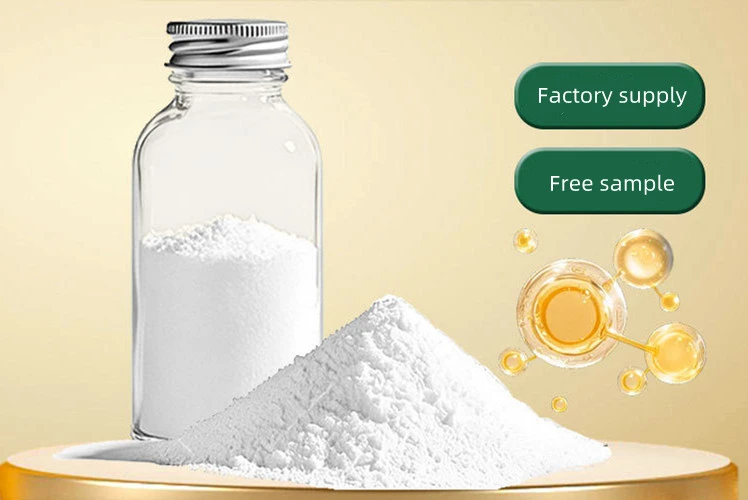
Ceramide powder is a concentrated, very pure type of sphingolipids that have the same chemical structure as the stratum corneum of the human skin. About half of the skin's extracellular lipid matrix is made up of these lipids. They act as the molecular glue that holds skin cells together. We work with the solidified core of what keeps skin strong, hydrated, and safe against external stressors when we use this ingredient.
Molecular Structure and Form Advantages
There are clear benefits to using the powder form over liquid pre-dispersions, creams, or capsules. Good ceramide powder is a solid material that is white to off-white in color. Depending on the subclass, like Ceramide NP, AP, or EOP, its melting point is usually between 90°C and 120°C. This solid form means that the substance is very pure and stable. In contrast to liquid forms that usually have stabilizers, emulsifiers, or solubilizers added, powder forms give formulators full control over the design of the delivery system, whether they are making liposome carriers, nano-emulsions, or asymmetric gel networks that allow for better skin penetration.
Key Benefits in Formulation Development
Ceramide powder has many health benefits that are important in many fields. In atopic dermatitis recipes, the ingredient fixes skin barriers that aren't working right. In pharmaceutical uses, it lowers Transepidermal Water Loss (TEWL), and in cosmetics, it slows down the aging process. When ceramides are mixed with active ingredients like niacinamide and hyaluronic acid, they work better to keep moisture in and fix barriers. Nutraceutical companies are adding ceramides to more and more beauty products that can be eaten, which hydrates the face from the inside out.
Critical Quality Indicators to Assess
The way we judge quality is based on purity levels. High-Performance Liquid Chromatography (HPLC) analysis shows that premium-grade ceramide powder is more than 95% pure. We recommend that sourcing teams ask for stereochemical configuration data, especially confirmation of the 2S, 3S, 4R configuration for phytosphingosine-based variants. This makes sure that the compounds are bioavailable and work well with receptors. Heavy metal levels should stay below 10ppm, and any solvents that are left over should be carefully managed to meet pharmaceutical standards. Cosmetic-grade approvals prove that the ingredients are safe to use on the skin, but the differences between manufactured and fermentation-derived ceramides affect both how well the products work and what they are advertised as.
Technical Specifications That Matter
The size of molecules affects how well they can penetrate and how the mixture behaves. Smaller molecular weights make it easier for the skin to absorb, while bigger groups protect the surface for a longer time. The stability factors show how long something should last when exposed to different pH levels and temperatures. Good ceramide powder stays chemically stable against oxidation, but it needs to be buffered to a pH range of 5.0 to 6.5 to keep it from breaking down in water-based mixtures. Processing needs are based on how well something dissolves. For example, real ceramides are lipophilic, which means they need to be mixed with hot oil phases at 90°C to 95°C in order to dissolve completely.
Core Criteria for Selecting the Right Ceramide Powder Supplier
Comparing prices isn't enough to find the right provider; you also need to look closely at their manufacturing skills, compliance with regulations, and service infrastructure. We've seen that good buying relationships start with clear alignment between what the buyer needs and what the seller is good at. Pure ceramide powder sourcing success depends on this strategic alignment.
Manufacturing Capacity and Product Grade Alignment
The supplier must be able to meet your needs for both number and grade-specific applications. For cosmetic-grade ceramides, safety data for the skin and sensory qualities are most important. For pharmaceutical-grade ceramides, USP or EP compliance and thorough stability studies are needed. Finally, for research-grade materials, documented structure analysis is needed. Leading suppliers keep separate production lines for each grade to avoid cross-contamination problems. When we evaluate a manufacturer, we check to see if they can go from small pilot runs to large business numbers without losing quality.
Certifications and Compliance Framework
ISO 9001 certification shows that the quality management system works, and GMP (Good Manufacturing Practice) certification shows that the manufacturing process follows the rules for making medicines and supplements. Strong food safety rules are required by HACCP approval, which is very important for people who are making useful foods. When they apply, organic approvals like USDA Organic or EU Organic back up claims of natural sources. Check more than just licenses. Look at audit records and the history of regulatory inspections. Suppliers that do business in the U.S. should show that they know the FDA's rules, such as the GRAS status for food uses and the monograph compliance for over-the-counter meds.
Traceability and Quality Documentation
Full traceability from the source of the raw materials to the final product is a provider capability that can't be negotiated. Manufacturers with a good reputation give Certificates of Analysis (CoA) for each batch that include test results for microbes, heavy metals, and liquid waste. We suggest that you ask for past CoA statistics from more than one batch to check for consistency. Suppliers should list where their raw materials come from and say whether they are made from yeast fermentation (Pichia ciferrii) or plant extraction. They should also give information on how stable the materials are in different store conditions. This paperwork is very helpful when filing with regulators and during customer checks.
Supplier Reputation and Client Portfolio
Check the name of the seller by using industry networks, customer reviews, and case studies from other B2B applications that are similar. Suppliers who have worked in your industry before know the unique formulation hurdles and regulatory settings. We recommend getting in touch with reference contacts from current clients who are making similar goods. Check to see what kind of professional support they offer, such as help with formulation, debugging, and access to study data. When suppliers share peer-reviewed research or give presentations at industry conferences, they show that they are thinking leaders and have a lot of technical knowledge.
Commercial Terms and Operational Flexibility
Costs change naturally based on purity grade, order volume, and approval needs, but clear price models help build trust. Instead of just looking at per-kilogram prices, you should look at the overall landed costs that include shipping, taxes, and handling. Minimum Order Quantity (MOQ) freedom is very important for new brands and R&D teams that are testing new formulations. The schedule for production is affected by how reliably deliveries happen. Check with suppliers about their logistics skills, normal wait times, and how they handle their inventory. Before you make a commitment, you should be clear on the payment terms, return policies, and quality dispute settlement processes.

Comparing Ceramide Powder Options for Different Applications
Knowing how ceramide powder stacks up against other delivery methods and additional ingredients helps you make smart design choices for different types of products and target groups.
Powder Versus Alternative Delivery Formats
Ceramide powder gives you more freedom in how you make it than pre-formulated options. Creams and serums are convenient, but they make it harder to control the amount and often have extra ingredients that might not work with your recipe goals. Capsules are good for beauty products that are eaten, but they limit what can be put on the skin. Lipid complexes help spread out better in water-based systems, but they might contain non-ceramide lipids that lower the quantity of the active ingredient. The powder form lets you precisely control the ratios needed to copy the skin's natural 3:1:1 cholesterol-to-ceramide-to-fatty-acid ratio, which has been shown to be the best for barrier repair.
Synergistic Ingredient Compatibility
Ceramides work very well with active ingredients that work well with them. When combined with hyaluronic acid, the mix improves both the barrier's strength and its ability to hold water. Niacinamide helps skin cells make more ceramides, and ceramides provide the structural lipids needed for barrier development. Together, they make a powerful anti-aging recipe. Peptides help the body make more collagen, and ceramides keep the extracellular matrix in good shape. Together, they make complete answers for managing aging. Formulators can make goods that work better in the body than single-active methods if they understand how these interactions work.
Natural Versus Synthetic Ceramide Considerations
Fermentation-derived ceramides, which are produced from yeast and match the stereochemistry of human skin lipids, are the gold standard for "nature-identical" marketing claims. These materials are considered high-end and appeal to people who care about clean looks. Chemical synthesis produces synthetic ceramides that are cheaper, but they can also make racemic mixtures with inactive isomers if they are not tightly managed chirally. Ceramides that come from plants, like those found in wheat, rice, or konjac, are natural sources, but they usually need to be used at higher doses to have the same effect. The best choice is based on budget allocation and company positioning.
Application-Specific Recommendations
Ceramide NP mixed with cholesterol and fatty acids in moisturizing bases works well in products for dry and sensitive skin. Products for eczema and dermatitis need higher amounts of ceramide—clinical data shows 0.5% to 1.0% for intense barrier repair versus 0.05% to 0.2% for maintenance formulations. Anti-aging products use ceramides to smooth out fine lines caused by barrier failure. They often mix different types of ceramides (NP, AP, and EOP) to mimic the skin's natural diversity. When making cosmetics, people who make them should know that bigger concentrations don't always mean better results if the delivery method can't keep the lamellar stability that is needed for skin penetration.
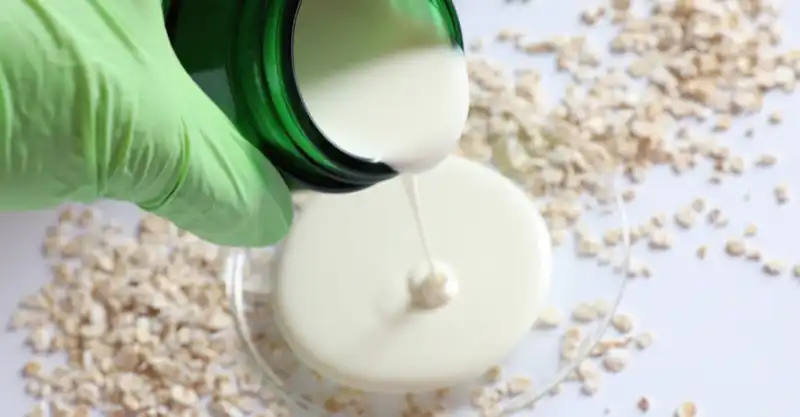
Procurement Best Practices: How to Buy Ceramide Powder Efficiently?
Strategic buying methods lower the risks in the supply chain and make sure that pure ceramide powder is of good quality and can be sold throughout the lifecycle of a product.
Evaluating Sourcing Channels
Direct relationships with manufacturers usually provide the best quality control visibility, expert help access, and good business terms for well-known names that need to buy in bulk. Distributors offer useful services like smaller lot sizes, local supplies, faster shipping, and easier operations for businesses that need to manage more than one source of ingredients. Online B2B markets give buyers and sellers more choices, but they also need more careful checking to make sure the products are real and consistent in quality. We suggest multi-channel methods where main traffic moves through direct relationships that have been checked out, while distributors handle specialty grades or emergency backup supply.
There is more to negotiation than just unit price. Minimum order quantities (MOQs) have a big effect on cash flow and the cost of keeping inventory on hand. Some sellers can handle smaller orders at first by changing prices as numbers rise. Packaging affects how quickly and easily materials can be handled and how stable they stay. Bulk packaging works best for manufacturers who make a lot of products, while smaller units work better for R&D teams and contract makers who work with many clients. Customization choices like specific particle size distribution, pre-dispersed forms, or unique blends help set products apart from others.
Authenticity Verification Protocols
Ingredients that are fake or have been tampered with face big quality and legal problems. It is still important to ask for samples before placing a business order so that the goods can be inspected and tested first. All packages should come with full Certificates of Analysis that list test results and how they compare to set standards. We strongly recommend testing by a third-party laboratory, especially for certifying a provider for the first time and checking up on them on a regular basis. Carbon-13 Nuclear Magnetic Resonance (C13-NMR) or Mass Spectrometry is the only way to be sure that the structure of a ceramide is real and not a fake one that doesn't have the sphingoid base backbone. Making sure that materials list specific types of ceramides (NP, AP, and EOP) instead of vague trade names by checking INCI statements is important.
Quality Control and Supplier Communication
Disputes can be avoided by making clear quality agreements that include specifications, testing methods, and steps for non-conformance. Regular source checks, whether they are done in-house, by a third party, or online, keep quality standards high and show that you are following the rules. Partnerships are stronger when people talk about problems with formulas, changes to regulations, or market trends before they happen. Beyond just selling things, the best sellers act as creative partners, giving formulation help, stability data, and market information. Support after the sale, such as technology troubleshooting, help with paperwork, and quick customer service, sets excellent sellers apart from commodity vendors.
Final Checklist and Decision Support Framework for B2B Buyers
Using a structured review framework makes it easier to choose suppliers and makes sure that choices about purchases are in line with long-term business goals while still meeting quality standards for ceramide powder procurement.
Specification Alignment and Goal Setting
First, be very clear about what kind of ceramide powder you need for specific product formulas and markets. Write down the purity levels that are needed, the types of ceramides that are chosen, the expected yearly output, and the budget limits. Make it clear what kinds of products need to be certified—for example, pharmaceuticals need tighter rules than general makeup. Set performance standards that include the desired results in terms of effectiveness, security, and visual qualities. This foundational standard lets you compare suppliers in an objective way and stops scope creep during the evaluation process.
Balanced Scoring Matrix
Create a weighted score system that looks at providers in a number of different ways. Some quality factors, like purity, testing thoroughness, and regularity, might be worth 40% of the total weight. Certifications and following the rules could make up 20%. Competitive pricing and business terms add another 20%. 10% for technical help and quick service. The last 10% is made up of delivery dependability and supply chain security. What are your top priorities? For example, new brands may value MOQ flexibility more than supply continuity, while established makers may value supply continuity more than MOQ flexibility. This numeric method cuts down on emotional bias and makes it easier for the team to agree on something.
Supplier Validation and Partnership Development
Before signing contracts, make sure they are completely legal. This can be done by checking references, evaluating the facility if possible, and sending out trial orders to see how quick and high-quality the service is. Check to see if your suppliers are financially stable and have backup plans for your business. When suppliers go down, it hurts your brand's image and income. Long-term ties are more valuable than one-time deals. Suppliers who care about your success will give you special treatment, work with you to come up with new ideas, and make sure you have supplies when the market runs out. Regular reviews of the business that compare success to key metrics keep people accountable and find ways to make things better.
This complete framework turns getting ceramide powder from a difficult task into a controlled process that leads to successful formulations and a competitive edge in nutraceutical, medicinal, cosmetic, and functional food uses.
Conclusion
To find the best ceramide powder and build trusting relationships with suppliers, you need to find a balance between technical requirements, legal compliance, business viability, and service skills. Checking for purity levels above 95%, skin-identical chemical structure, and full testing paperwork are the first steps in judging quality. In addition to price, other things that are looked at when evaluating a supplier are their certifications, tracking systems, name in the industry, and expert support infrastructure. Strategic buying practices, such as independent testing, clear quality agreements, and building relationships, lower risks and allow for new formulations. The structured decision process described here gives B2B buyers from all kinds of businesses the confidence to find ceramide powder that works consistently, follows the rules, and makes money.
FAQs
How can solubility challenges with ceramide powder be resolved in formulations?
Ceramide powder has a high melting point, which means it needs to be processed in a certain way. We suggest mixing the powder into the oil phase and heating it to between 90°C and 95°C until it is completely clear. Crystallization can be avoided by dissolving ceramides in amphiphilic esters or Octyldodecanol first, before adding them to the main oil phase. This method keeps the lamellar structure, which is important for skin barrier effects, and keeps the uniform distribution.
Which ceramide source provides optimal quality—synthetic or fermentation-derived?
Yeast fermentation-derived ceramides are the gold standard in the industry because they are nature-identical and perfectly match the stereochemistry of human skin lipids. Chemical synthesis often makes racemic mixes with inactive isomers unless chirally controlled manufacturing methods are used. Synthetic production lowers costs. Fermentation methods always make the bioactive forms needed for best effectiveness and clean label positioning.
What concentration ranges deliver effective barrier repair outcomes?
For daily skin health support, clinical study shows that maintenance products work best at concentrations between 0.05% and 0.2%. Intensive barrier repair products for skin diseases that have a weak barrier need higher amounts of 0.5% to 1.0%. Even higher amounts may be found in medical-grade protective creams. However, effectiveness depends on how well the product is designed to keep the lamellar structure. Higher amounts don't always lead to better results if the delivery system architecture isn't set up in a way that helps the drug penetrate the skin and organize the lipids.
Partner with Bolin Biotechnology for Premium Ceramide Powder Supply
At Bolin Biotechnology, we know how hard it is for formulators and procurement workers to find ceramide powder providers they can trust. Since we started in 2012, we've focused on making high-quality products from plants. We have strict quality control and a wide range of certifications, such as ISO, GMP, and HACCP standards. Our ceramide powder has assay levels above 95%, full traceability paperwork, and variable MOQ terms that can be used for both research projects and large-scale production. We offer specialized expert support during formulation creation, advice for stability testing, and help with regulatory paperwork. Our team has the skills and dependability that your business needs, whether you're making barrier-repair supplements, anti-aging makeup, or useful drinks. Email our expert team at sales1@bovlin.com to talk about your particular needs and ask for samples that show how committed we are to quality. Find out how working with a skilled ceramide powder maker can change the process of getting ingredients from a problem to a strategic benefit.

References
Coderch, L., López, O., de la Maza, A., & Parra, J.L. (2003). Ceramides and skin function. American Journal of Clinical Dermatology, 4(2), 107-129.
Meckfessel, M.H. & Brandt, S. (2014). The structure, function, and importance of ceramides in skin and their use as therapeutic agents in skin-care products. Journal of the American Academy of Dermatology, 71(1), 177-184.
Chamlin, S.L., Kao, J., Frieden, I.J., Sheu, M.Y., Fowler, A.J., Fluhr, J.W., Williams, M.L., & Elias, P.M. (2002). Ceramide-dominant barrier repair lipids alleviate childhood atopic dermatitis. Journal of the American Academy of Dermatology, 47(2), 198-208.
Bouwstra, J.A. & Ponec, M. (2006). The skin barrier in healthy and diseased state. Biochimica et Biophysica Acta - Biomembranes, 1758(12), 2080-2095.
Del Rosso, J.Q. & Levin, J. (2011). The clinical relevance of maintaining the functional integrity of the stratum corneum in both healthy and disease-affected skin. Journal of Clinical and Aesthetic Dermatology, 4(9), 22-42.
Imokawa, G., Abe, A., Jin, K., Higaki, Y., Kawashima, M., & Hidano, A. (1991). Decreased level of ceramides in stratum corneum of atopic dermatitis: an etiologic factor in atopic dry skin. Journal of Investigative Dermatology, 96(4), 523-526.