_1745226507162.webp)

Berberine HCL Powder: A Comprehensive Analysis of Safety, Efficacy, and Multi-Sector Applications
Berberine HCL powder is a big step forward in regulated herbal actives. It comes from plants like Coptis chinensis and Phellodendron amurense. This crystalline hydrochloride salt form solves long-standing problems with the uniformity of plant ingredients, giving results that are ≥97% pure by HPLC analysis. Berberine HCL powder is more reliable than raw herbs because it contains pharmaceutical-grade berberine hydrochloride. This is important for metabolic health formulations because it activates AMPK pathways that control glucose metabolism and lipid profiles in both nutraceutical and pharmaceutical settings.
Understanding Berberine HCL Powder: Properties, Mechanism, and Benefits
Chemical Structure and Physical Characteristics
Berberine HCL is a bright yellow solid substance with strong bitter notes. Its molecular formula is C20H18ClNO4, and its molecular weight is 371.81 g/mol. Loss on Drying must be less than 12.0% and ash content must stay below 0.2%. This keeps the product stable during shipping and storage. Formulation experts use the berberine HCL powder's ability to dissolve completely in hot water and ethanol to make pills, capsules, and other liquid delivery methods. Particle size distributions smaller than 80 mesh in 95% of samples make it easier for packaging equipment to mix them evenly, which lowers production problems and batch-to-batch differences.
Mechanism of Action at Cellular Level
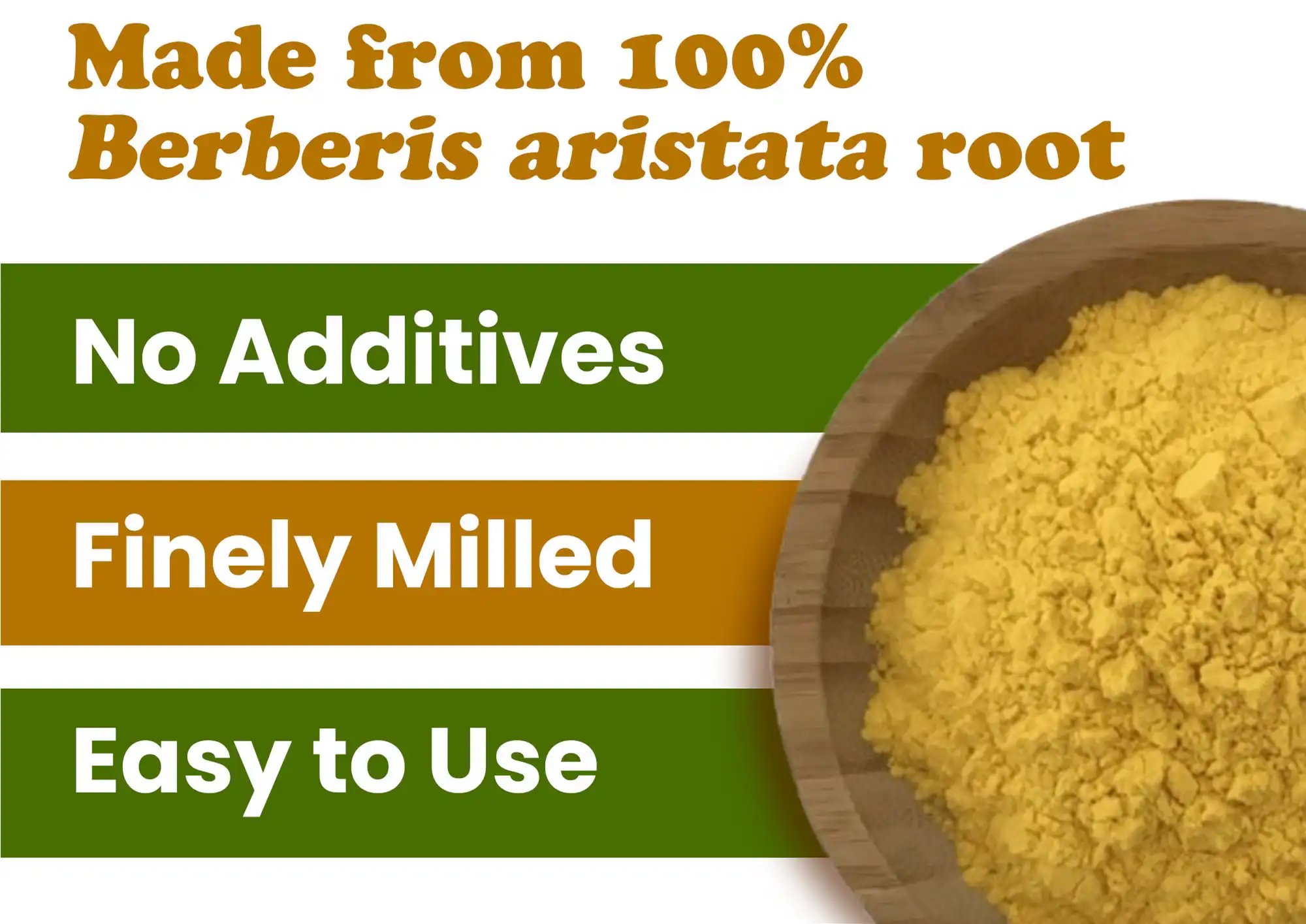
Adenosine monophosphate-activated protein kinase activity is how berberine works. This enzyme is often called the body's metabolic manager. This process changes the energy balance of cells by making muscle tissue take in more glucose and lowering the production of glucose in the liver. According to studies published in metabolism journals, berberine changes the makeup of the microbiota in the gut, which supports the growth of good bacteria types that are good for digestive health. The substance also changes lipid metabolism by stopping PCSK9 expression, which is a route that is important for heart health products that aim to lower cholesterol.
Evidence-Based Health Benefits
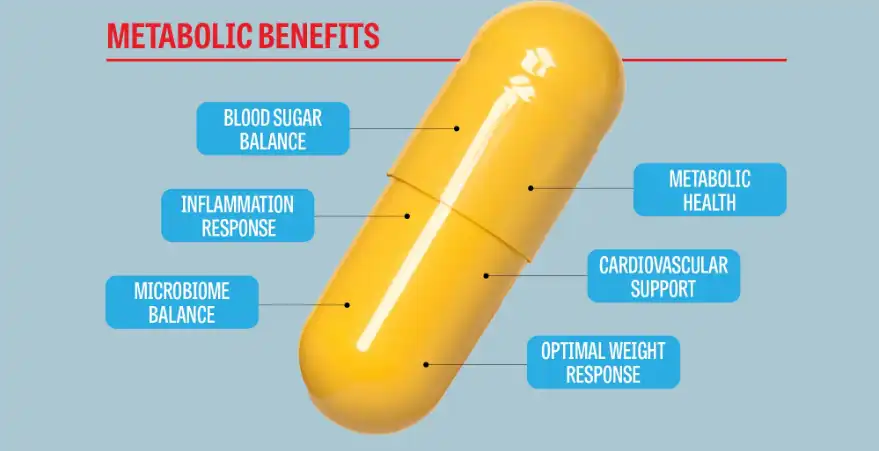
Berberine has been shown in clinical studies to help control blood sugar levels in a way that is similar to how some drugs work. People with metabolic problems who took part in studies saw their fasting blood glucose levels drop by an average of 20 to 25 percent over three months when they made changes to their lifestyle. The substance reduces inflammation by blocking the NF-κB pathway, which makes it useful for formulas that treat long-term inflammatory diseases. The effect of berberine hydrochloride powder on adipocyte differentiation and thermogenesis makes it useful for weight management. This is backed by studies that show small changes in body composition when used with caloric management methods.
Safety Profile and Dosage Considerations
In clinical research, standard dosing ranges from 900 mg to 1500 mg per day, which is usually spread out over three doses to keep the gastrointestinal adjustment times as short as possible. Mild changes in digestion are a common first reaction as gut microbiota get used to the new bacteria. These effects usually go away after two weeks of constant use. People who are pregnant or who take certain medications that combine badly with it (especially substrates of cytochrome P450 enzymes) should not take it. Good providers give complete safety data sheets and allergen statements, which are necessary paperwork for regulatory applications in places that need pre-market notice.
Comparing Berberine HCL Powder with Alternatives and Market Options
Chemical Form Variations and Stability Profiles
When compared to sulfate or citrate forms, the hydrochloride salt form is more stable and stays effective for 24 months of storage under the right conditions. There are sulfate forms that are used in certain situations, but the chloride form is most commonly used in pharmaceuticals and nutraceuticals because it has been clinically proven and approved by pharmaceutical standards organizations. Testing for stability under fast conditions (40°C, 75% relative humidity) shows that there isn't much degradation. This is different from raw plant powders, which lose alkaloid content over time after harvest.
Pure Powder Versus Finished Dosage Forms
Buying pure berberine HCL powder gives makers who are making their own mixes or custom strength levels more formulation options and lower costs. There are more things that can go wrong with encapsulated goods, like how the excipients interact with each other and how they dissolve, which might not be in line with the manufacturing goals. For OEM/ODM businesses, buying powder in bulk lets them precisely control the active ingredient and make sure that the label claims are correct, which are very important when working with clients who have specific market positioning needs.
Comparative Analysis with Pharmaceutical Standards
The ability of berberine HCL powder to control blood sugar has been compared to metformin in the academic literature, with meta-analyses showing similar drops in HbA1c levels in some groups. The plant alkaloid has a different profile of tolerability, with fewer reports of specific side effects that are common with manufactured options. This makes it possible for brands to reach people who are looking for plant-based choices to help their metabolism, especially in health channels where stories about natural ingredients are important for buying decisions.
Synergistic Combinations and Market Differentiation
Formulation scientists are putting berberine together with alpha-lipoic acid and chromium picolinate more and more to make metabolic support structures that work for the whole body. Unlike curcumin, which mostly targets inflammatory pathways, berberine's activation of AMPK offers additional processes that work well with other ingredients in mixtures. Resveratrol pairing looks into cardiovascular uses, but manufacturing problems with absorption and stability need technical know-how to be solved properly.
Procurement Guide for Berberine HCl Powder: Bulk Buying and Supplier Selection
Volume Requirements and Pricing Structures
When buying from a business-to-business supplier, the minimum order size for berberine HCL powder is usually 25 kilograms, but known sellers can work with different sizes based on the needs of the application. Unit economics is affected by volume promises, and tiered systems reward buyers who stick to regular buying habits. Lead times change with the seasons because of upstream farming cycles in source countries. Predicting demand is important for keeping production going without having to carry too much inventory.
Quality Assurance Documentation Standards
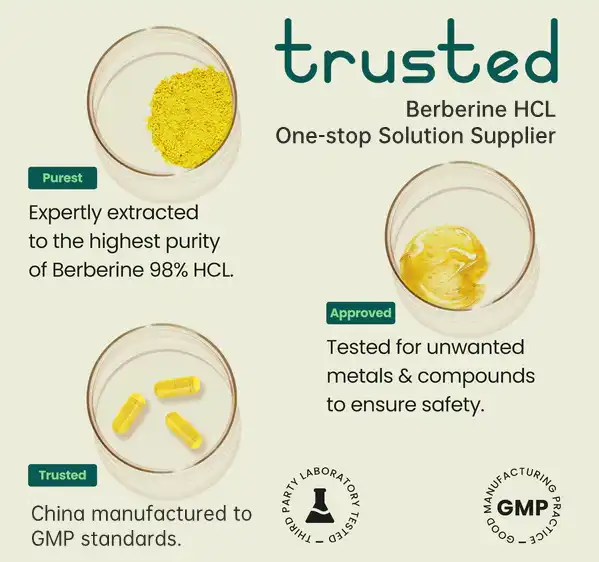
There must be information on HPLC pure results, heavy metal screens (for example, lead, arsenic, cadmium, and mercury), microbial limits testing, and pesticide residue analysis on Certificates of Analysis. Suppliers with ISO 9001, GMP, and HACCP certifications show that they handle quality in an orderly way, which makes it easier for buying organizations to do inspections. Traceability paperwork that connects finished berberine HCL powder to botanical source material is becoming more and more important as regulators focus more on supply chain authenticity and openness.
Evaluating Supplier Reliability Factors
Consistently meeting specifications, quick technical help, and clear communication during supply delays are all important for long-term relationships. When working with regulated businesses that need suppliers to be qualified and evaluated on a regular basis, auditability is important. Suppliers who help with developing testing methods and regulatory dossiers add value above and beyond their standard prices. This is especially true for pharmaceutical uses that need to follow pharmacopeia rules or create new delivery systems.
Before making big deals, asking to keep samples from several production batches shows how consistent the manufacturing process is. Looking at dissolution rates, particle shape, and profiles of leftover solvents can give you more information than just normal CoA factors. Setting up dual-source strategies lowers risk and keeps your buying power, but you need to make sure that the investments in qualification are balanced against realistic volume predictions.
Multi-Sector Applications of Berberine HCL Powder in B2B Markets
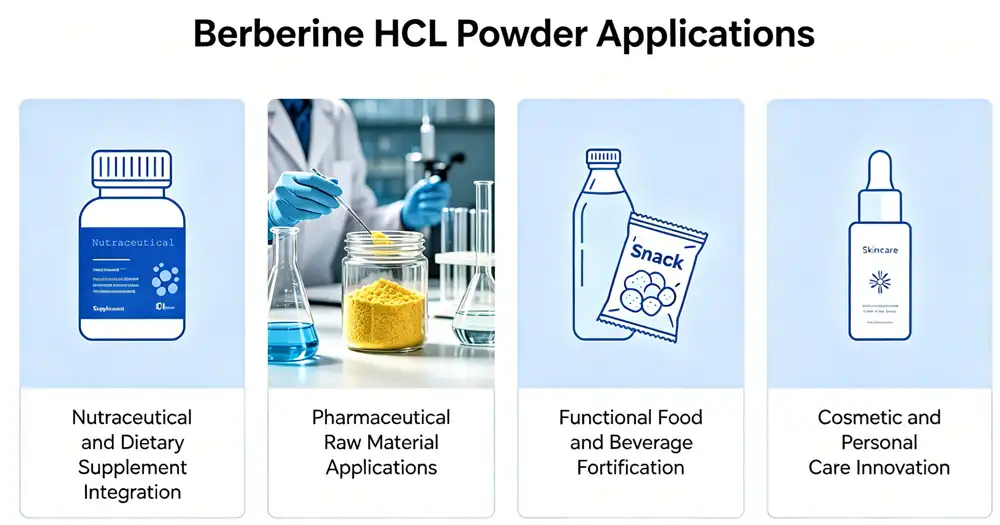
Nutraceutical and Dietary Supplement Integration
The biggest way that berberine HCL powder is used is in food supplements, where it can be found in both stand-alone products and metabolic health combinations. The most common forms are capsules and tablets. However, powder packs and gummy applications need more work to solve problems with hiding tastes and staying stable. Labeling rules are different in different places. In some areas, structure-function claims are allowed, but therapeutic statements need pharmaceutical pathways.
Market demand analysis shows that blood sugar support groups will continue to grow. This is because people are living longer and are more aware of how to stay healthy. Product formulators balance the amount of potency with the cost per dose goals. 500mg capsules are a typical market size. Private label producers that sell their products in stores and online need flexible minimum production runs and quick response times.
Pharmaceutical Raw Material Applications
Pharmaceutical-grade berberine chloride is used as an active ingredient in both prescription and over-the-counter medicines that have been approved by the government. For these uses, higher purity standards are needed, usually above 98% by titration, along with lower heavy metal limits and full impurity analysis. For parenteral uses, QC methods include sterility testing, but solid dosage forms for oral use are the most common type of pharmaceutical format.
For pharmaceutical applications to use clinical data packages, randomized controlled trials, pharmacokinetic studies, and safety tracking systems need to be funded in a big way. Strategic sourcing teams give more weight to suppliers who can back up regulatory applications with Drug Master Files or Certificate of Suitability paperwork that can be used by FDA or EMA routes.
Functional Food and Beverage Fortification
There are some technical problems with adding berberine hydrochloride powder to food, like keeping the pH stable in acidic drinks, keeping the color stable in clear liquids, and making sure that useful doses don't make the food taste bitter. Microencapsulation technologies allow controlled release and sense blocking, but they are expensive and need a careful ROI analysis. For clean label compliance, extraction solvents must be natural and processing aids must be kept to a minimum. Premium providers meet these requirements by following specific production methods.
Wellness shot formulas and functional coffee blends are new business possibilities that target people who want an easy way to get metabolic support. Formulators of drinks have to deal with problems like limited solubility and the risk of sedimentation by using the right stabilizer systems and blending factors that have been proven to work in shelf-life studies.
Cosmetic and Personal Care Innovation
The antioxidant and antimicrobial qualities of berberine HCL powder are used in skin care products to fight bugs that cause acne. Formulators put the ingredient in serums, creams, and cleansing products at concentrations of 0.1 to 1.0%. Because of its yellow color, the pigments need to be balanced out or the product needs to be positioned to highlight its natural plant roots. When checking for safety through skin application methods, irritation tests, sensitization studies, and photostability tests under UV exposure conditions are used.
Innovation teams are looking into how berberine HCL powder can be used to improve goods that target hyperpigmentation. These uses are backed up by clinical evidence from split-face tests that measure changes in the melanin index. This data backs up marketing claims and helps them stand out in the beauty market.
Future Trends and Strategic Insights for Berberine HCL Powder in Global Procurement
Market Growth Drivers and Consumer Dynamics
Recent events around the world have made people more health-aware, which means that metabolic fitness ingredients will continue to be in high demand. As populations age, more people are having problems managing their blood sugar, which means there is a bigger market for berberine-based options. As e-commerce grows, direct-to-consumer brands can teach customers about botanical options. This creates demand pull, which affects what store customers buy.
New technologies that improve solubility through phytosome complexation and nano-emulsion systems could help with the average absorption rate of berberine HCL powder. These transport innovations deserve top spots, but they need to be able to navigate patent landscapes and be stable enough to pass storage stress testing methods.
Supply Chain Resilience Strategies
Getting raw materials is mostly done in a few farming areas, which makes them vulnerable to changes in the weather and government rules. Using different types of plants as sources, like Phellodendron, Berberis, and Coptis, can help keep the supply going, but different alkaloid profiles mean that the recipe needs to be changed. Strategic inventory positioning balances the costs of holding on to items with changes in lead times. When figuring out the necessary safety stock, records of supplier dependability and regular production trends are taken into account.
Sustainability is becoming a bigger factor in buying choices, and buyers are asking for more information about farming methods, water use, and the effects on communities in source areas. Suppliers who invest in vertical integration from farms to extraction gain a competitive edge by being able to control quality and show that they care about the environment, which is something that end customers value.
Strategic Partnership Development
Long-term ties with suppliers allow for joint innovation around specific needs, unique quality standards, or new uses that need investment in technical development. Joint business planning meetings make sure that capacity increases are in line with growth forecasts. This way, supply problems don't happen when the market is doing well. Talking about the transparent cost structure helps everyone understand the economics of the value chain, which makes it easier to negotiate when the price of raw materials changes.
Suppliers who give procurement professionals market intelligence on what competitors are doing, changes to regulations, and new study results that are useful for strategic planning are good for them. These services that add value set basic sellers apart from strategic partners who want the success of both parties.
Conclusion
Berberine HCL powder is a plant active that has been proven to work by science and meets strict quality standards needed for medicinal, nutritional, and functional uses. Its well-studied methods for supporting metabolic health, along with its good safety rating and governmental acceptance, make this ingredient a good choice for the market to keep growing. A good buying strategy strikes a balance between quality control, relying on reliable suppliers, and keeping costs low. It also builds relationships with suppliers who show they are technically and operationally excellent. As transport technology improves and more clinical data builds up, berberine hydrochloride will probably be used in more types of medicines and consumer goods.
FAQ
What constitutes the clinically effective dosage range?
Clinical research supports daily doses of 900 to 1500 mg spread out over two or three doses. This allows for optimal absorption while reducing the need for the body to adjust to the drug at first. Different methods are used depending on the purpose. For example, studies that focus on glucose control may use higher ranges, while studies that focus on lipids may use moderate doses.
How does quality verification differ between supplement-grade and pharmaceutical-grade material?
Pharmaceutical standards call for higher purity levels than 98%, full impurity profile that includes measuring alkaloid levels, and checking for residual solvents below the limits set by the ICH. Supplement-grade material still has to meet strict standards, but it may be able to have a little more flexibility in its specifications so that it can be used for food purposes instead of meeting the requirements for drug approval.
Can berberine be combined with other active ingredients safely?
Most mixtures don't cause any problems, but it's still a good idea to talk to a doctor before putting together medicines that are broken down through cytochrome P450 pathways. Metabolic health products often use synergistic formulas that mix berberine HCL powder with chromium, alpha-lipoic acid, or cinnamon extract, and there have been no reported safety problems.
Partner with Bolin Biotechnology for Premium Berberine HCL Powder Supply
Pharmaceutical-grade berberine hydrochloride powder is sold by Shaanxi Bolin Biotechnology Co., Ltd., which has a lot of quality approvals, such as ISO 9001, GMP, and HACCP compliance. Our extraction facilities are close to the botanical source areas, so we can track the plants from the time they are grown to the time they are packaged. The HPLC quality always exceeds 97%. As a manufacturer with a lot of experience in making berberine HCL powder, we help global B2B customers by offering flexible minimum order amounts, detailed Certificates of Analysis, and quick technical support for improving formulations. Our quality control measures and dependable transportation systems make it easier for you to get the things you need, whether they are for encapsulating dietary supplements, adding pharmaceutical APIs, or adding useful ingredients to foods. Email our team at sales1@bovlin.com to talk about specs, ask for samples, or look into partnership options that fit with your goals for product development and market growth.
References
Yin J, Xing H, Ye J. Efficacy of berberine in patients with type 2 diabetes mellitus. Metabolism: Clinical and Experimental. 2008;57(5):712-717.
Zhang Y, Li X, Zou D, et al. Treatment of type 2 diabetes and dyslipidemia with the natural plant alkaloid berberine. Journal of Clinical Endocrinology & Metabolism. 2008;93(7):2559-2565.
Lan J, Zhao Y, Dong F, et al. Meta-analysis of the effect and safety of berberine in the treatment of type 2 diabetes mellitus, hyperlipemia and hypertension. Journal of Ethnopharmacology. 2015;161:69-81.
Kumar A, Ekavali, Chopra K, et al. Current knowledge and pharmacological profile of berberine: an update. European Journal of Pharmacology. 2015;761:288-297.
Pirillo A, Catapano AL. Berberine, a plant alkaloid with lipid- and glucose-lowering properties: from in vitro evidence to clinical studies. Atherosclerosis. 2015;243(2):449-461.
Dong H, Wang N, Zhao L, Lu F. Berberine in the treatment of type 2 diabetes mellitus: a systemic review and meta-analysis. Evidence-Based Complementary and Alternative Medicine. 2012;2012:591654.