_1745226507162.webp)

Beta-Carotene - Uses, Side Effects, And More
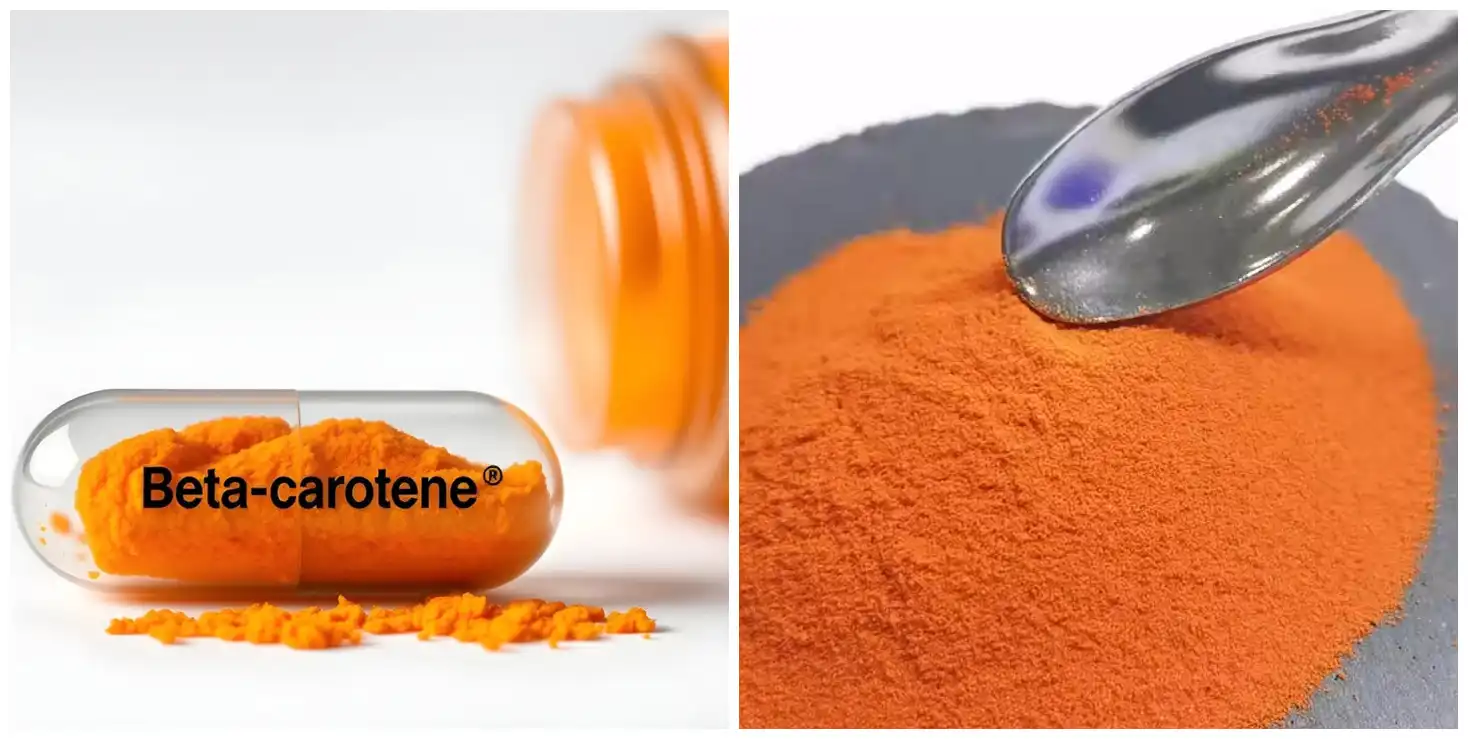
Beta carotene powder is used in the food, beauty, supplement, and drug businesses. It comes from one of the best plants for getting vitamin A. This orange-red color is called C40H56 in molecular terms. It turns into vitamin A in the body. Vitamin A is good for many things, from your eyes to your brain. Beta carotene powder can be made by fermenting Blakeslea trispora, extracting it from Dunaliella salina algae, or using advanced chemical synthesis. When it is kept and microencapsulated correctly, it stays very stable and is bioavailable. Businesses that want to buy ingredients with clean labels that have been shown to work need to know about the many uses of this powerful antioxidant, safety issues, and problems with finding it. This way, they can be successful and follow the rules.
What Is Beta-Carotene Powder and Its Key Benefits?
Beta-carotene powder is a concentrated form of the color present in carrots, sweet potatoes, and many other green vegetables. Beta-carotene has a self-regulating conversion process that lets the body make vitamin A only when it needs to. This is different from preformed vitamin A (retinol), which can be harmful in large amounts. This makes it safer to use for building walls.
The Science Behind Provitamin A Conversion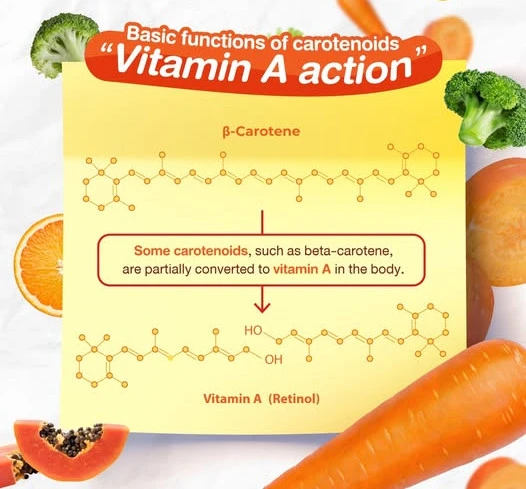
Alpha-carotene is broken down by enzymes in the gut after it is eaten. In a very controlled way, this makes retinol. This conversion rate is different for everyone because it depends on their genes, how healthy they are, and what fats they eat, which help their body absorb the fats better. Research in the papers of nutritional biochemistry says that six micrograms of beta-carotene are equal to one microgram of retinal activity. This amount does change, though, depending on the food and how it was made.
Vitamin A is needed to keep epithelial tissues healthy, make rhodopsin, which helps us see at night, and keep immunity cells from growing too fast. Aside from making vitamin A, beta-carotene does other things as well. For its own part, it is a strong antioxidant that gets rid of singlet oxygen and free radicals that damage cells and cause long-term illnesses.
Industrial Applications Across Multiple Sectors
These days, beta-carotene is used because it can be a natural colorant or a nutritional substance. It is used to make multivitamin complexes, prenatal vitamins, and eye health products that are meant to keep you from getting macular degeneration. Spray drying or beadlet formation are two microencapsulation technologies that make the substance much more stable by preventing the sensitive molecule from breaking down due to oxygen while it is being stored or processed.
People who make functional foods like beta-carotene because it can be used instead of man-made dyes like tartrazine and also makes food healthier. Because carotenoids naturally draw fat, drink makers use versions that can be mixed with cold water. These versions keep the color even without separating the oil. Scientists who study cosmetics like that it blocks UV light and gives skin care products, especially ones that fight age and protect against the sun, a healthy glow.
Beta-carotene that comes from plants is in higher demand because of the "clean label" trend. This is because people are reading ingredient lists more carefully and prefer natural chemicals that come from plants to artificial ones. People who sell versions made from algae or fermentation and have clean certifications that can be checked can make money off of this trend.
Antioxidant Mechanisms and Health Research
It has been studied a great deal how natural beta carotene can help fight oxidative stress, which is a main reason why people get heart disease, cancer, and brain illnesses. It has a conjugated double bond system in its chemical structure that makes electron gifting work very well. There are reactive oxygen species that are stopped before they can hurt DNA and cell walls. Many studies have been done on beta-carotene vitamins, but the results have been mixed. Observational studies often show that eating foods high in carotenoids lowers the risk of getting diseases. However, single high-dose supplementation trials have had mixed effects, especially with smokers.
These results show how important the situation is in the study of food. Beta-carotene works best when it's mixed with cofactors, antioxidants, and fats. You can find these things in whole foods and pills that are made well. People who are in charge of buying things should give more weight to suppliers who can give them full stability data and bioavailability tests and whose beta-carotene has been standardized to certain purity levels (usually ≥96% for pharmaceutical uses).
How to Use Beta-Carotene Powder Safely – Dosage & Side Effects?
To figure out the right amount to take, you need to think about the people you want to help, how you want to use the supplement, and the rules that govern it. Formulators can make safe, successful products if they know about both the therapeutic benefits and possible side effects.
Recommended Dosage Guidelines for Different Applications
Different regulatory bodies around the world have set different beta-carotene intake guidelines. In contrast to their stated tolerable upper intake level of 3,000 micrograms retinol activity equivalents for preformed vitamin A, the U.S. Food and Drug Administration does not set an upper limit for provitamin A carotenoids. In the same way, the European Food Safety Authority's suggestions recognize beta-carotene's safety margin while warning against giving too much of it to certain groups of people.
For general health maintenance, daily doses of supplements usually run from 6 to 15 milligrams. Higher amounts are sometimes used in therapeutic protocols under medical supervision. Formulation scientists have to think about the people who will be using the products. For example, supplements for kids need to be made with different standards than supplements for adults, and prenatal formulations need extra care when it comes to dosing. Food fortification applications usually aim for 10 to 30 percent of the daily vitamin A needs per serving, while balancing cost, regulatory compliance, and nutritional effect.
Bioavailability changes a lot depending on how the drug is delivered. Oil-based solutions and emulsions are better at being absorbed than dry powders that don't have lipid carriers. In order to get the most out of beta-carotene powder, we suggest mixing it with fat-containing foods or eating it with food. Beadlet products made for water-based systems usually have surfactants and encapsulating agents in them to make them more stable and easy to disperse.
Understanding Potential Side Effects and Contraindications
Beta-carotene has a very good safety rating across a wide range of populations, but there are times when you should be careful. The most common effect of too much intake is carotenodermia, which is a harmless yellowing of the skin, mostly on the hands and soles, caused by too many carotenoids building up in fat cells and the stratum corneum. This condition goes away on its own when you cut back on eating, and it doesn't do any harm to your body other than looking bad.
Epidemiological studies that link high-dose pure beta carotene powder supplements with a higher chance of lung cancer in heavy smokers bring up more serious issues. The ATBC and CARET studies reported this surprising result, which led to advice that people who smoke shouldn't take more than 20 milligrams of supplement every day. We don't fully understand how this relationship works yet, but it may have something to do with pro-oxidant effects in the oxidative environment that cigarette smoke creates.
People with certain genetic polymorphisms that affect beta-carotene metabolism may have problems turning beta-carotene into vitamin A, which means they need to be given diet plans that are specifically designed for them. Women who are pregnant should talk to their doctors before starting any supplements, but beta-carotene is usually safer than manufactured vitamin A during pregnancy. There don't seem to be many drug interactions, but diseases that make it hard to absorb fat or medicines that affect lipid metabolism may make it harder to absorb carotenoids.
Quality Certifications and Safety Documentation for B2B Buyers
Teams in charge of buying things must give priority to suppliers who provide full safety paperwork that meets international standards. Certificates of Analysis should prove the level of purity, the amount of residual solvent (especially trifluoroacetic acid in synthetic versions), the results of heavy metal screening, and the lack of pathogens in microbiological testing. Manufacturers with a good reputation follow ISO 9001 quality management systems and GMP guidelines when making dietary ingredients. They also often get voluntary certifications like HACCP and Kosher or Halal verification, based on the markets they want to reach.
The results of stability tests are very important for formulating new medicines because they show how quickly substances break down in different storage conditions and help with estimating how long they will last. We suggest asking for faster stability studies along with real-time data that goes back at least a year. Suppliers who offer technical support for formulation optimization and regulatory advice go above and beyond just providing raw materials. They make the product development process go more smoothly.
Buying Guide – Procuring Beta-Carotene Powder for Global B2B Clients
To buy beta-carotene successfully, you need to find a mix between quality control, lowering costs, following the rules, and making sure the supply chain is reliable. Companies in the nutraceutical, pharmaceutical, food, and cosmetics industries use the following factors to help them make strategic sourcing choices.
Critical Quality Parameters and Verification Methods
Purity standards are the most important way to measure quality. For example, medicine and supplement uses usually need ≥96% beta-carotene content, which can be checked using High-Performance Liquid Chromatography (HPLC). For food colors, where cost is more important than therapeutic accuracy, lower purity grades may be enough. Besides cleanliness, there are a few other factors that need your attention.
To make sure that processing aids like hexane, acetone, or other extraction solvents have been removed to amounts that are safe by pharmacopeial standards, residual solvent analysis is used. Heavy metal screening makes sure that toxins like arsenic, lead, cadmium, and mercury are below the limits set by law for food additives and dietary ingredients. Microbiological testing checks for harmful organisms like Salmonella and E. coli, as well as yeast and mold levels and total plate counts. coli.
Particle size distribution affects how powder flows, how evenly it blends, and how it dissolves. This is especially important for direct compression tableting or packing. Specifications for bulk density affect how well packages work and how accurately doses are given. Monitoring the moisture content stops degrading risks, since too much water speeds up the oxidative breakdown of sensitive carotenoids.
We maintain rigorous incoming quality control protocols, subjecting each batch to comprehensive analytical testing before release for formulation use. This method reduces the number of production problems caused by materials that don't meet specifications and guarantees that the quality of the finished product stays high enough to meet label claims for the entire shelf life.
Evaluating Supplier Credentials and Manufacturing Standards
When choosing a supplier, it's not just about comparing prices; it's also about the supplier's manufacturing skills, quality systems, regulatory compliance, and technical support. The biggest companies that make natural beta carotene have factories that are certified to international quality standards like ISO 9001 for quality management and GMP compliance for the industries they want to serve. They also often try to get other certifications, like ISO 22000 for food safety management or NSF International registration.
Being open about where the raw materials come from, how the products are made, and the quality control steps shows that the provider is reliable and wants to keep getting better. When it's possible, we suggest doing supplier audits, either by visiting the facility yourself or getting a report from a third party. This will help you confirm their skills and find any potential risk factors. When you look at how responsive their customer service is, how knowledgeable their technical staff is, and how ready they are to provide custom solutions, you can tell if they are a good long-term partner or just a commodity vendor.
Recent world problems have brought supply chain resilience to the forefront, showing the dangers of relying too much on a single source. Geographical diversification and dual-sourcing strategies make it less likely that output will stop, but they need to be carefully checked to make sure that the quality standards of the other suppliers are the same. Approaches to inventory management that balance keeping a backup stock and saving money on costs help deal with changes in supply while keeping working capital needs under control.
Documentation Requirements and Regulatory Compliance
Full documentation packages make it easier to follow the rules in many different places and uses. Certificates of Analysis show the testing results for each batch, which support the specifications. Safety Data Sheets explain how to handle the product safely and what to do in an emergency. Common regulatory needs are met by allergen statements, BSE/TSE declarations, GMO status paperwork, and country-of-origin certificates.
Different regulatory frameworks apply to the use of ingredients in different businesses. In the United States, dietary supplements are regulated by the FDA as food items that must follow the current Good Manufacturing Practices for dietary supplements. It's important to be aware of the European Union's new food rules, food ingredient approvals, and maximum use levels. Pharmacopeial monographs like USP, EP, or JP specifications must be followed for pharmaceutical uses. Applications in cosmetics must pass the necessary safety tests and meet the standards for restricted substances.
Suppliers with a lot of experience keep regulatory databases that keep track of requirements across countries. They can then give advice on the right grades and paperwork for different uses. This knowledge is very helpful when making a new product because it keeps expensive changes from having to be made or delays in the approval process from being found too late in the process of going on sale.
Negotiation Strategies and Contract Considerations
Effective procurement talks include more than just unit price. They also include the total value provided, such as consistent quality, technical support, lead times, payment terms, and the ability to change the terms of the contract. When you commit to buying a lot of something, you can often get better prices. But, procurement workers have to weigh the savings in costs against the costs of keeping inventory and the uncertainty of demand.
Setting clear quality standards in purchase deals stops disagreements and makes it clear what materials can be accepted. Making plans for samples, help with stability tests, and legal paperwork makes quality assurance processes run more smoothly. Setting realistic limits for production planning includes deciding on lead times, minimum order quantities, and shipping terms.
Long-term supply deals offer price stability and supply assurance that is valued by both parties. However, they need to be carefully set up to account for changes in the market and businesses' evolving needs. Including clear exit clauses, price reviews, and changes to volume on a regular basis can help protect against unplanned events while keeping the relationship going.
Building collaborative relationships with suppliers goes beyond just doing business with them. It creates partnerships where suppliers understand how customers use their products and help with formulation optimization, regulatory compliance, and technology problem-solving. This method has worked well for our company in the past when we've been looking for botanical products for a variety of uses.
Conclusion
Beta carotene powder represents a cornerstone ingredient across health, food, and cosmetic industries, offering unique advantages as a safe provitamin A source, natural colorant, and potent antioxidant. Successful product development and procurement demand comprehensive understanding of its biochemical properties, application-specific quality requirements, safety considerations, and market variants. Strategic sourcing decisions balance purity specifications, regulatory compliance, cost optimization, and supplier reliability to secure consistent, high-quality ingredients supporting formulation excellence and consumer trust. As clean-label trends and scientific research continue expanding beta-carotene's commercial applications, staying informed about sourcing best practices, emerging technologies, and regulatory developments positions procurement professionals and product developers for sustained competitive advantage in dynamic global markets.
FAQs
Is long-term beta-carotene supplementation safe?
Long-term use at appropriate doses demonstrates excellent safety profiles across general populations. Extensive research confirms that beta-carotene supplementation within recommended ranges rarely produces adverse effects beyond harmless skin discoloration at very high intakes. However, smokers should avoid supplementation exceeding 20 milligrams daily based on clinical trial findings. Individuals with normal dietary patterns and non-smoking status can safely incorporate beta-carotene supplements as part of comprehensive nutritional strategies under healthcare guidance.
How do I verify the authenticity and quality of suppliers?
Verifying supplier authenticity requires requesting comprehensive documentation including Certificates of Analysis, third-party testing reports, facility certifications (ISO, GMP), and customer references. Conducting supplier audits, either directly or through qualified third parties, provides deeper insights into manufacturing capabilities and quality systems. We recommend starting with small trial orders accompanied by independent laboratory testing to confirm specifications before committing to larger purchase volumes. Reputable suppliers welcome scrutiny and transparency throughout the evaluation process.
Can beta-carotene powder replace vitamin A in formulations?
Beta-carotene serves as an effective vitamin A precursor for most populations, offering safety advantages over preformed retinol due to self-regulating conversion mechanisms. However, certain individuals with genetic variations affecting conversion efficiency may require preformed vitamin A supplementation. Balanced formulations often include both sources, leveraging the complementary benefits of each form while ensuring adequate vitamin A delivery across diverse consumer populations with varying metabolic capabilities.
Partner with Bolin Biotechnology for Premium Beta-Carotene Powder Supply
Shaanxi Bolin Biotechnology Co., Ltd. has established itself as a trusted beta carotene powder supplier since 2012, combining botanical expertise with rigorous quality standards to serve global nutraceutical, pharmaceutical, food, and cosmetic manufacturers. Our beta-carotene powder maintains purity levels exceeding 96% verified through advanced HPLC analysis, supported by comprehensive certifications including ISO 9001, GMP, and HACCP compliance. We offer flexible microencapsulation formats providing enhanced stability and water dispersibility tailored to your specific formulation requirements.
Our technical team provides dedicated support throughout product development, from initial formulation consultation through regulatory documentation preparation for diverse international markets. Requesting samples allows firsthand evaluation of our quality standards, while detailed Certificates of Analysis and stability data inform your sourcing decisions with confidence. Contact our procurement specialists at sales1@bovlin.com to discuss bulk pricing options, minimum order quantities, and customized solutions addressing your unique manufacturing challenges. We maintain robust inventory levels ensuring consistent supply chain reliability for large-scale production requirements.
References
Grune T, Lietz G, Palou A, et al. Beta-carotene is an important vitamin A source for humans. Journal of Nutrition. 2010;140(12):2268S-2285S.
Biesalski HK, Chichili GR, Frank J, et al. Conversion of beta-carotene to retinal pigment. Vitamins and Hormones. 2007;75:117-130.
Mayne ST, Cartmel B, Silva F, et al. Effect of supplemental beta-carotene on plasma concentrations of carotenoids, retinol, and alpha-tocopherol. American Journal of Clinical Nutrition. 1998;68(3):642-647.
Stahl W, Sies H. Bioactivity and protective effects of natural carotenoids. Biochimica et Biophysica Acta. 2005;1740(2):101-107.
Institute of Medicine (US) Panel on Dietary Antioxidants and Related Compounds. Dietary Reference Intakes for Vitamin C, Vitamin E, Selenium, and Carotenoids. National Academies Press. 2000.
Rodriguez-Concepcion M, Avalos J, Bonet ML, et al. A global perspective on carotenoids: Metabolism, biotechnology, and benefits for nutrition and health. Progress in Lipid Research. 2018;70:62-93.