Brown Rice Protein Powder: A Complete Guide for Product Developers and Buyers
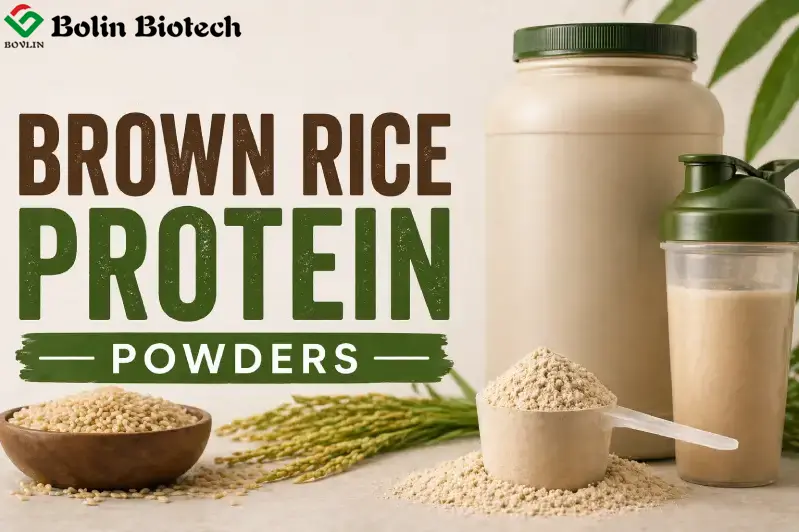
If you're sourcing plant-based protein ingredients for your next product launch, bulk brown rice protein powder deserves a close look. Derived from whole-grain brown rice through enzymatic processing, this ingredient delivers 80% protein content (dry basis, NX6.25), a neutral flavor profile, and a 300–600 mesh particle size that solves the grittiness problem common in earlier-generation rice proteins. Whether you're formulating RTD beverages, meal replacement powders, or high-protein bars, this guide walks you through everything—from production science to procurement strategy.
Understanding Bulk Brown Rice Protein Powder
What It Is and How It's Made
One way to make brown rice protein is to separate the protein from the carbs in dehulled whole grain brown rice. These days, the best way to break down carbs without using chemicals is with microbial hydrolysis. In this way, the amino acids are kept, and a clean nutrient without any hexane toxins is made. Closed-loop enzyme extraction and precise spray-drying are used at Bolin Biotechnology's plant in Xi'an, Shaanxi, to make sure that every batch has the same protein concentration and particle size.
Nutritional Profile Worth Knowing
A lot of bean proteins don't have enough methionine and cysteine. Brown rice protein naturally has these amino acids, which are packed with sulfur. The amino acid make-up gets close to a PDCAAS score of 1.0 when pea or pumpkin seed protein is added. Each batch from Bolin goes through an amino acid profile that is checked by HPLC. You don't have to believe what the seller says about the goods now; you have proof.
Clean-Label and Allergen Advantages
Soy, dairy, gluten, eggs, fish, shrimp, tree nuts, and peanuts are eight things that it doesn't come from. Because of this, it is one of the protein ingredients that works best with the most sensitive groups of people. It also supports "clean label" placement, which means that there are no added chemicals or solvents and the list of ingredients is easy to read. Brands that want to sell to health-conscious people can really benefit from how easy it is to use.
Comparing Brown Rice Protein with Other Protein Powders
Brown Rice vs. Whey and Soy
Most people still use whey protein because it is easy to digest, but vegans can't use it. There are no known side effects of soy protein, but some people are allergic to it, and phytoestrogens are still being discussed. With brown rice protein, you can avoid both of these problems. A study that came out in 2013 in the Journal of the International Society of Sports Nutrition found that after eight weeks of resistance training, bulk brown rice protein powder isolate made improvements in body composition and exercise performance that were similar to those made by whey protein. This changed how formulators think about how well plant proteins work.
Brown Rice vs. Pea and Hemp
Pea protein makes up a big part of the market, but it often adds a beany taste that needs to be hidden. There are omega-3 fatty acids in hemp protein, but it only has about 50% protein by weight, so it is not a good choice for when you need a lot of protein. On the other hand, rice protein has no taste and is made up of 80% protein. This makes it easy to use in both flavored and unflavored recipes. It is now common to mix pea protein with rice protein to get the best price, taste, and amount of amino acids.
|
Comparison Factor |
Brown Rice Protein |
Whey Protein |
Soy Protein |
Pea Protein |
Hemp Protein |
|---|---|---|---|---|---|
|
Protein Source |
Brown rice |
Milk |
Soybeans |
Yellow peas |
Hemp seeds |
|
Protein Content |
Typically 70%–85%, depending on grade |
Typically 70%–90% |
Typically 80%–90% |
Typically 70%–85% |
Often lower, depending on processing |
|
Vegan-Friendly |
Yes |
No |
Yes |
Yes |
Yes |
|
Allergen Considerations |
Naturally dairy-free and soy-free |
Contains milk-derived proteins |
Potential soy allergen |
Generally free from dairy and soy |
Generally free from dairy and soy |
|
Flavor Profile |
Mild, relatively neutral |
Mild to creamy |
Characteristic beany notes may occur |
Earthy or beany notes may occur |
Earthy, nutty notes |
|
Amino Acid Profile |
Relatively low in lysine |
Complete protein with all essential amino acids |
Complete protein |
Relatively low in methionine |
Relatively low in lysine |
|
Formulation Advantages |
Suitable for neutral-flavor and plant-based formulations |
Popular in sports nutrition and protein beverages |
High protein content and versatile applications |
Suitable for vegan protein blends |
Provides additional fiber and naturally occurring fatty acids, depending on grade |
|
Common Applications |
Protein powders, bars, plant-based blends |
Sports nutrition, shakes, meal replacements |
Plant-based foods, beverages, supplements |
Vegan protein powders and meat alternatives |
Plant-based powders, bars and nutritional blends |
|
Typical Blending Strategy |
Often blended with pea protein to complement amino acid profiles |
May be used alone or in blends |
May be combined with other plant proteins |
Often blended with rice protein |
Often blended with other proteins to increase overall protein content |
Organic vs. Conventional Sourcing
Rice protein that has been approved as organic costs more, but it can be bought in shops and by people who are looking for USDA Organic or a similar certification. Organic, halal, kosher, ISO9001, and ISO22000 are all labels that the USDA has given to Bolin's brown rice protein. If you want to sell your goods in health stores in Europe, natural food stores in the U.S., or shops in the Middle East, you need all of these certifications. It is important to make sure that the companies' licenses meet the needs of the people you want to work with.
Applications and Best Practices Beverages and RTD Formats
It can be used in ready-to-drink drinks because the particles are between 300 and 600 mesh. Finely ground protein mixes quickly with both hot and cold liquids, but bigger pieces settle to the bottom and form sediment. Since pasteurization doesn't change the protein structure or stickiness of something up to 90°C, it can be used. One problem that people who make ready-to-drink protein shakes or functional water often have is getting their products stable.
Protein Bars and Meal Replacements
It's important to use ingredients that stick together without making the bars too thick or chalky when making them. Rice protein with a mesh size of 300 to 600 makes the bite smoother than options with a bigger mesh size. The bland taste in meal replacement shakes lets the flavors do their job without having to fight a grainy note. The research and development team at Bolin can help you change the structure of your bars, which is useful if you want to make them harder or chewier.
Sports Nutrition and Functional Baking
Supplements made from plants are being chosen by more and more athletes and busy people. When you mix pea bulk brown rice protein powder with rice protein, your muscles get all the important amino acids they need to build protein. In functional baking, the ingredient stays the same at high temperatures, so the nutrition facts panel doesn't have to be changed to show the right amount of protein. A lot of other plant proteins don't always meet this need.
Procurement ConsiderationsFinding and Evaluating Suppliers
The safest ways to find B2B suppliers are at trade shows like SupplySide West and IFT, through direct Google Shopping, and on check-marked sites like Alibaba. There should be up-to-date Certificates of Analysis (COA), reports from outside labs (SGS verification is common), and proof of all the certificates the seller says they have. As per EU rules, Bolin's six-step quality control process checks raw materials for heavy metals and pesticides. There are also tests to make sure the microbes are safe, HPLC protein proof, supplier checks, and verification by a third party.
Packaging, MOQ, and Lead Times
Bolin sends bags of 10 kg, 20 kg, and 25 kg of bulk rice protein. Private label is a choice for brands that want their packaging to be done. Samples are available so that people can try out new formulas without taking too much risk before they place a full order. Bolin always has stock in Xi'an, so people know how long they will have to wait. This is important for buying managers who plan their supplies every month or every three months. People who work for the company who move packages to and from North America, Europe, and the Asia-Pacific area handle the customs paperwork.
Cost Structure and Quality Trade-offs
How stable the protein amount is from batch to batch is the most important thing that affects how much your recipe costs per unit. If a supplier sends 78% protein when the specification calls for 80%, the product has to be reformulated or have its label changed, which costs more than lowering the price. Your production margins and brand reputation will be safe in the long run if you have written QC processes and have a third party check them.
Market Trends and Brand Landscape
Growth in Plant-Based Protein Demand
Grand View Research (2024) says that the world market for plant-based proteins will grow at a rate of more than 7% per year until 2030. In 2023, it was worth about $18.5 billion. As time goes on, this group likes brown rice protein more and more, especially formulators who want goods that are free of allergens and solvents and meet clean-label standards in a number of regulatory areas.
What Buyers Expect from Manufacturers
Manufacturers at the top should not only provide ingredients, but also help with preparation. Bolin Biotechnology has worked with companies in over 30 countries that make sports nutrition, nutraceuticals, and functional foods since 2012. Bioavailability data, mixing ratios for rice-pea mixes, and formulation stability tests are some of the things that the company does for application research. None of these services make it take longer to make a new product. Instead, they slice it short.
OEM Capabilities That Matter
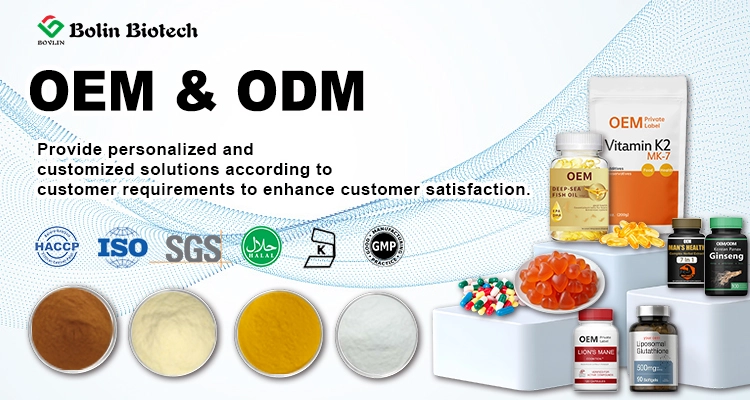
Bolin can change the protein concentration by up to 85%, add flavors and sweeteners, blend with hemp and pumpkin seed proteins, and offer full private label support for brands that need specific solutions. This includes designing the label and providing all the necessary paperwork. Because these OEM services cover so many areas, you can work with just one production partner to make your whole product, from the raw materials to the finished item.
Conclusion
While running a business, bulk brown rice protein powder is a strong ingredient that can be used in many different goods. It is a good choice for companies making clean-label nutrition items because it doesn't have any toxins, is made with enzymes, and has a lot of protein. As a buyer, you need to find a manufacturer with clear quality systems, true certifications, and a real understanding of how to make things. Big buyers need a supply chain that they can trust, and Bolin Biotechnology has it. The company has been around since 2012, has a six-stage quality control system, and has been certified for multiple markets.
FAQ
1. Is brown rice protein powder allergen-free?
Yes. Rice protein is naturally free from the eight major allergens recognized by the FDA, including dairy, soy, gluten, eggs, fish, shellfish, tree nuts, and peanuts. This makes it suitable for formulating products targeted at consumers with food sensitivities or strict dietary requirements.
2. How does rice protein compare in taste to whey or pea protein?
Rice protein has a noticeably more neutral taste than either whey or pea protein. Whey can introduce a dairy note; pea protein often carries a beany aftertaste that requires flavor masking. A 300–600 mesh rice protein mixes cleanly and allows flavoring systems to perform without interference.
3. What certifications should I verify before purchasing?
At minimum, confirm ISO22000 for food safety management, USDA Organic if your target market requires it, and HALAL or KOSHER certifications if you're selling into those consumer segments. Third-party verification from SGS or an equivalent independent lab adds another layer of credibility beyond supplier-issued documentation.
4. Can rice protein be blended with other plant proteins?
Yes, and blending is often recommended. Combining rice protein with pea protein produces a complementary amino acid profile that approaches the completeness of animal-based proteins, making it suitable for sports nutrition applications where essential amino acid coverage matters.
Partner with Bolin Biotechnology for Your Next Formulation
Firms and brands in North America, Europe, and the Asia-Pacific region buy certified bulk brown rice protein powder from us. Our bulk brown rice protein powder comes from a reputable company that has been making it for more than ten years. We have many goods in stock, and you can get samples of them. We can also help with OEM needs, such as changing the content or adding your own name to the packaging. You can ask for a sample or talk about your recipe needs by emailing sales1@bovlin.com.
References
1. Joy, J. M., et al. "The Effects of 8 Weeks of Whey or Rice Protein Supplementation on Body Composition and Exercise Performance." Nutrition Journal, 2013.
2. Grand View Research. Plant-Based Protein Market Size, Share & Trends Analysis Report. 2024.
3. Gorissen, S. H. M., et al. "Protein Content and Amino Acid Composition of Commercially Available Plant-Based Protein Isolates." Amino Acids, 2018.
4. Hoffman, J. R., and Falvo, M. J. "Protein—Which Is Best?" Journal of Sports Science & Medicine, 2004.
5. FAO/WHO. Dietary Protein Quality Evaluation in Human Nutrition: Report of an FAO Expert Consultation. Food and Agriculture Organization of the United Nations, 2013.
6. Messina, M., et al. "An Overview of the Health Effects of Plant Proteins with Emphasis on Their Role in Amino Acid Nutrition." Frontiers in Nutrition, 2022.