_1745226507162.webp)

Brown Rice Protein vs Pea Protein: Key Differences for Product Formulation
When sourcing plant-based protein ingredients at scale, the choice between brown rice protein and pea protein carries real consequences for your formula, label claims, and production costs. Bulk brown rice protein powder — such as Bolin Biotechnology's 80% protein (dry basis, NX6.25) enzymatic extract — offers a hypoallergenic, solvent-free, clean-label option with 300–600 mesh particle size and thermal stability up to 90°C. Pea protein brings its own strengths. Understanding where each excels helps procurement managers and formulators make decisions that hold up on the bench, on the shelf, and in the market.
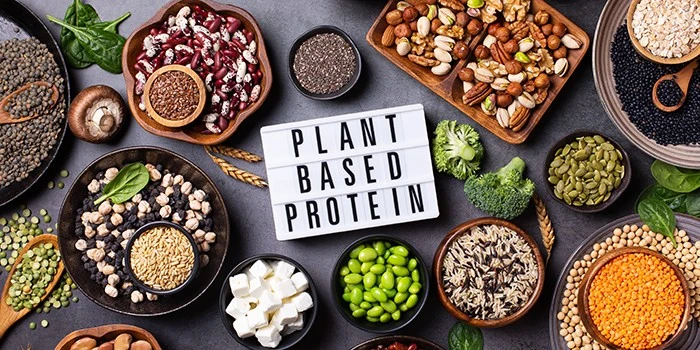
Understanding Bulk Brown Rice Protein and Pea Protein
Before putting things next to each other, it's helpful to know what they are and how they're made.
What Is Brown Rice Protein?
What makes brown rice protein? Enzymes are used to break down whole grains of brown rice into protein parts. No chemicals are used in this process to break down the starches. It's now just a strong protein with a mild taste. This method doesn't use any soy, gluten, dairy, or legumes to make the fine brown powder. It doesn't have any of the eight most common toxins.
What Is Pea Protein?
To get pea protein from yellow split peas, they are usually ground up wet and spun. It has more protein and a wider range of amino acids than most plant proteins that come from a single source. But since it comes from legumes, it has a unique earthy or beany taste and may cause mild allergen concerns for people who are allergic to legumes.
Shared Characteristics
These two proteins are often found in functional foods, meal replacements, and sports nutrition. Also, vegans can eat them, and most of the time, they don't come from GMOs. If they come from approved sources, they can both be used in clean-label products. This makes them good places to start when making a plant-based protein matrix.
Comparative Analysis: Brown Rice Protein vs Pea Protein for Formulation
We can tell these two proteins are different by studying how they are made. Here is how they compare in terms of the most important production factors.
Amino Acid Profile and Protein Quality
Pea protein has more lysine than animal protein, so its PDCAAS number is more like that of animal protein. There are more methionine and cysteine amino acids naturally found in bulk brown rice protein powder than in pea protein. These amino acids contain sulfur. Because of this, it is now standard in sports diets to mix the two in a 50:50 to 60:40 ratio (rice, pea). This makes a profile that is balanced, and the PDCAAS value is very close to 1.
Digestibility and Allergen Profile
For foods that need to be safe for people with allergies, brown rice protein is the best choice because it is easy to make and has no known links to allergens. Another protein that is easy to digest is pea protein, but some people may be allergic to beans. It's clear that rice protein is the better choice for RTD drinks and kids' food, where allergy control is important.
Taste, Color, and Texture in Application
Pea protein has a strong, salty, and bean-like taste that most market goods need to hide. White rice protein, on the other hand, tastes about the same and is a light brown color that goes well with chocolate, vanilla, or plain forms. The pieces in Bolin's rice protein are 300 to 600 mesh sizes, which makes it easy to spread out without being gritty like past rice proteins were. This is the reason why formulators usually use pea protein instead.
| Aspect | Brown Rice Protein | Pea Protein |
|---|---|---|
| Amino Acids | Higher in methionine & cysteine | Higher in lysine; PDCAAS close to animal protein |
| Best Use | Allergen-sensitive, clean-label, RTD, kids' food | High-protein formulas where taste can be masked |
| Allergen Risk | Very low; no common allergens | Some people are allergic to legumes |
| Flavor | Mild, neutral | Strong bean-like, salty |
| Color | Light brown; suits chocolate/vanilla | Light yellow/beige |
| Texture | 300–600 mesh; smooth, no grit | Can be gritty in some grades |
| Blending | Mix with pea at 50:50 to 60:40 (rice: pea) | Mix with rice to balance amino acids |
Procurement Considerations for Rice and Pea Protein Ingredients
Only half of the decision-making process is done when you choose the right item. Part two is finding a reliable source when you need a lot of it.
Certifications and Compliance Documents
To sell your goods in the US and EU, you need to get licenses. Bolin Biotechnology's brown rice protein powder has been checked by SGS and has certifications from ISO9001, ISO22000, HALAL, USDA Organic, and KOSHER. Each batch is checked six times to make sure it meets EU standards for heavy metals, bacterial safety, and an amino acid profile proven by HPLC. Purchasing managers who are making source qualification files find it a lot easier to do audits with all of this paperwork.
MOQ, Packaging, and Lead Time
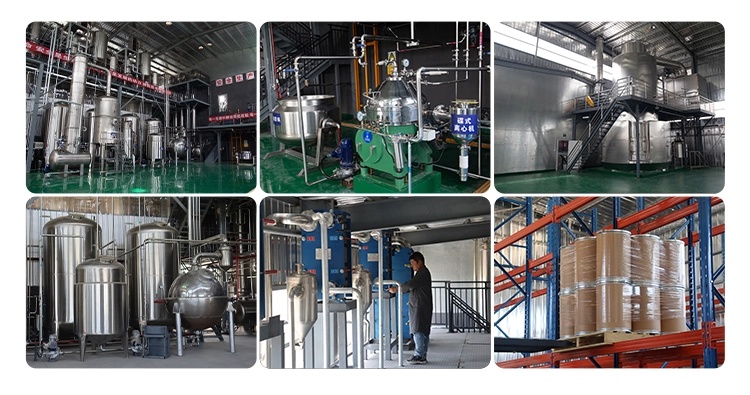
You can buy in bulk in 10 kg, 20 kg, or 25 kg amounts. You can also order smaller amounts to try out first before buying a lot. Bolin keeps a steady supply of items in stock at its Xi'an factory. This lowers the risk of lead time, which can throw off production schedules every three months. Bolin's transportation team handles all the customs paperwork for North America, Europe, and the Asia-Pacific area.
Sample Testing Before Commitment
Testing on a bench should be a responsible part of the buying process before an order is placed. Bolin will send you samples if you ask, and its R&D team will be glad to answer any technical questions you have during recipe tests for free. You need to know this in order to test how well something melts at different pH levels, how solid the color is after being pasteurized, or how it tastes in a high-protein RTD.
Key Differences Impacting B2B Formulation Decisions
For professional preparation, it's not often a simple "either/or" between pea protein and rice protein. You might need to try something else if something doesn't work well.
Allergen and Label Claim Flexibility
Brown rice protein can be added to foods that say they are dairy-free, soy-free, gluten-free, or legume-free. This is important in places where rules on telling people about allergens are getting tighter and where direct-to-consumer brands compete on "free-from" labels. It's not safe for some groups of people to use pea protein because it can't say it's free of beans.
Formulation in Baked and Heat-Processed Products
It is possible for Bolin's rice protein to work at temperatures as high as 90°C. In other words, it can be heated up, put through a retort, and baked without losing much of its taste or bulk brown rice protein powder structure. Pea protein reacts the same way to heat, but it may add more off-notes to baked goods because the bean flavor gets stronger over time.
Blending Potential and Custom OEM Options
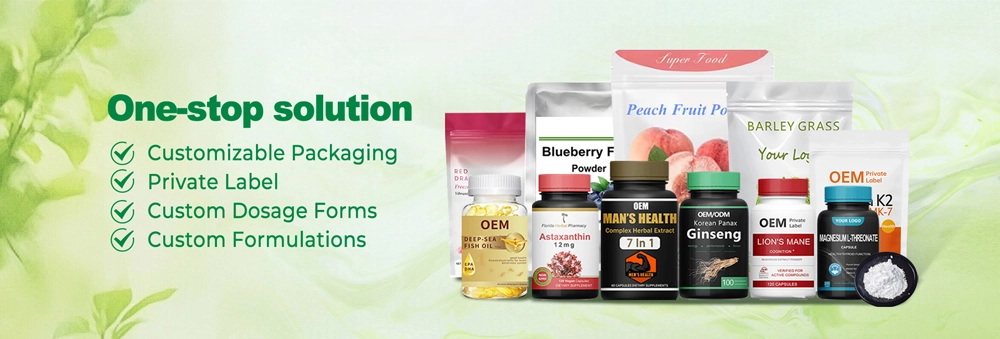
Working with a source like Bolin is great because they can blend things in unique ways. Bolin's research and development team can change the amount of protein by up to 85% and mix it with protein from peas, hemp, or pumpkin seeds. They can also work with other teams to make systems for taste and sweetness. This level of OEM service cuts in half the time it takes to ship the finished product from the time the raw materials are delivered.
How to Choose Between Brown Rice Protein and Pea Protein
There's more than one right answer. It depends on who you want to buy your product, what the formula can't do, and how you want to place your product in the market.
This is the better choice if your product is for people who are allergic to certain foods, needs a label that says it doesn't contain legumes, or needs to be easy to package in a light-colored or neutral-flavored form. Pea protein might be the best choice if you want to make a sports nutrition product that claims to have all the amino acids and doesn't care about taste. When mixed with rice protein, though, the end result is generally better than either one by itself.
With a stable price, a long shelf life (24 months), and a lot of different certifications, rice protein is often seen as a lower-risk product over the course of its life by purchasing managers.
Conclusion
You can use either bulk brown rice protein powder or pea protein, depending on your recipe goals, label standards, and the order in which things need to be delivered. Brown rice protein works well when it needs to be allergen-free, have a clean label, or be heated. Pea protein is the best when the main claim is that it gives you enough amino acids. The two work best together in many business settings. Bolin Biotechnology has sold plant protein products from a single source or a mix to brands in over 30 countries since 2012. With every sale, there is paperwork, approval, and help from the OEM.
FAQ
1. Is brown rice protein powder vegan and allergen-free?
Yes. Brown rice protein is 100% plant-derived and free from the top eight allergens, including dairy, soy, gluten, and legumes. It is suitable for vegan, vegetarian, and allergen-sensitive formulations without further modification.
2. How does brown rice protein compare to whey protein for sports nutrition?
Brown rice protein is lower in leucine than whey but performs comparably in muscle recovery when consumed in equivalent amounts, according to published clinical data. A 2013 study in the Journal of the International Society of Sports Nutrition found no significant difference in body composition outcomes between rice protein and whey protein supplementation in resistance-trained subjects.
3. What is the typical minimum order quantity for bulk rice protein powder?
Bolin Biotechnology offers bulk rice protein in 10 kg, 20 kg, and 25 kg packaging. Smaller sample quantities are available before committing to a full production order.
4. Can brown rice protein be blended with pea protein?
Yes — and this is a common strategy. Blending rice and pea protein compensates for the lysine gap in rice protein and the methionine gap in pea protein, producing a more complete amino acid profile suitable for sports nutrition label claims.
5. What certifications does Bolin's rice protein carry?
ISO9001, ISO22000, HALAL, USDA Organic, KOSHER, and SGS third-party verification. Full COA and compliance documents are available for each batch.
Partner with Bolin Biotechnology for Bulk Brown Rice Protein Supply
Bolin Biotechnology has been a trusted source of bulk brown rice protein powder for brands in North America, Europe, and the Asia-Pacific area since 2012. Their approved, tracked, solvent-free rice protein is used in a lot of different things. We at Bolin are ready to help you with your next job, no matter how big or small it is. There are many items in stock, OEM services are available, and we have all the forms you need to sell in another country. To get a sample or talk about your sourcing needs, email our team at sales1@bovlin.com right now.
References
1. Joy, J. M., et al. "The Effects of 8 Weeks of Whey or Rice Protein Supplementation on Body Composition and Exercise Performance." Nutrition Journal, 2013.
2. Gorissen, S. H. M., et al. "Protein Content and Amino Acid Composition of Commercially Available Plant-Based Protein Isolates." Amino Acids, 2018.
3. Nosworthy, M. G., et al. "Determination of the in Vitro Digestibility of Proteins from a Variety of Pulses." Food Chemistry, 2017.
4. Messina, M., et al. "Plant-Based Diets and Protein Quality: A Review of Current Evidence." Nutrients, 2021.
5. Berrazaga, I., et al. "The Role of the Anabolic Properties of Plant- versus Animal-Based Protein Sources in Supporting Muscle Mass Maintenance." Nutrients, 2019.
6. Day, L. "Proteins from Land Plants — Potential Resources for Human Nutrition and Food Security." Trends in Food Science & Technology, 2013.