_1745226507162.webp)

What Is Rutin Powder? Sources, Uses, and Benefits
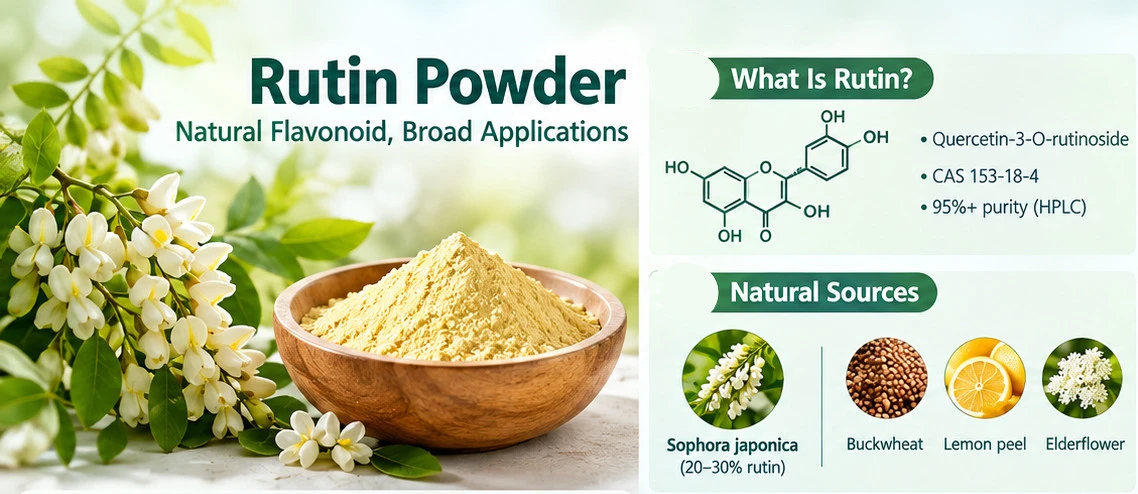
If you work in nutraceutical formulation, cosmetic ingredient sourcing, or functional food development, you have likely come across rutin as a raw material worth evaluating. Pure rutin powder (CAS 153-18-4, also known as Rutin NF11) is a naturally occurring bioflavonoid glycoside extracted from the dried flower buds of Sophora japonica. It carries ≥95% purity by HPLC, presents as a yellow-green fine powder, and is widely used across cardiovascular health supplements, antioxidant skincare, and functional beverages. This guide breaks down what it is, where it comes from, how it performs across industries, and what to verify before placing a bulk order.
Understanding Rutin Powder: Composition and Nutritional Profile
Chemical Identity and Structure
There are 610.52 grammes of rutin in a chemical formula, and it is also known as quercetin-3-O-rutinoside. Among its parts are a quercetin aglycone and a rutinose disaccharide unit. It stays stable in water better than free quercetin because of this. This structure is a big part of its antioxidant qualities. It gives up hydrogen atoms to fight free radicals and holds on to metal ions like iron and copper that help break down oxygen.
Natural Sources vs. Synthetic Alternatives
A lot of the flower buds on the market come from the Japanese Pagoda Tree (Sophora japonica). They have about 20 to 30 percent by dry weight of rutin, which is more than any other plant. There are other sources, like buckwheat, lemon peel, and elderflower, but they don't give as much and aren't as reliable for business use. Plant-based rutin is naturally pure and doesn't contain any manmade leftovers, unlike flavonoid analogs that are made in a lab. When you file paperwork for the US, EU, or Australian markets, this is important.
Quality Benchmarks That Matter to B2B Buyers
When used for business, high-grade rutin powder should meet certain standards that can be checked by a third party. Rutin NF11 from Bolin Biotechnology meets the necessary requirements:99.5% pure by HPLC, which means that 95% of the particles are too small to fit through an 80-mesh screen. - [Loss during drying] ≤5.0%
- Purity: ≥95% by HPLC
- Particle size: 95% pass through 80 mesh
- Loss on drying: ≤5.0%
- Heavy metals: ≤10 ppm
- Solubility: Slightly soluble in water; soluble in ethanol
They are written down in batch-specific COAs that come with every sale, so these numbers are real. Testing by a third party, like SGS, gives procurement teams more independent proof they can use when they check out suppliers.
Uses and Benefits of Pure Rutin Powder in B2B Applications
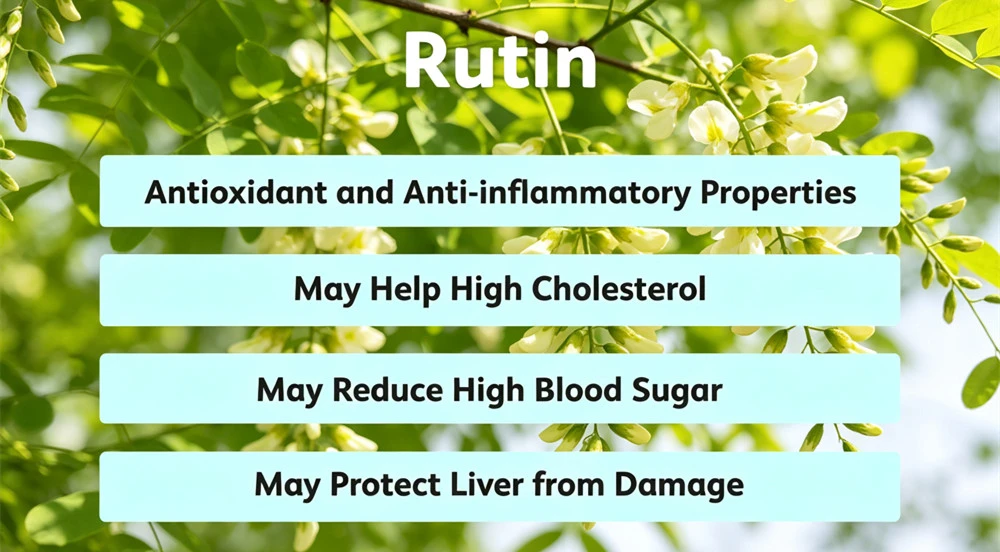
There are many known biological effects of rutin, which is why it is used in many commercial products. It has been shown in studies in the journals "Phytomedicine" and "Journal of Ethnopharmacology" to get rid of free radicals, improve capillaries, and lower inflammation. Some drugs that are sold in some European markets are based on these claims, so they're not just empty words.
Here are some of the main areas where pure rutin powder is consistently useful: Supplements for heart health and vein health: Rutin makes capillaries less permeable and less unstable, which supports its use in products that treat varicose veins, hemorrhoids, and chronic venous insufficiency. It is also directly used as a building block to make troxerutin, a drug that makes blood vessels relax.
- Cardiovascular and vein health supplements: Rutin reduces capillary permeability and fragility, which supports its use in products targeting chronic venous insufficiency, varicose veins, and hemorrhoidal conditions. It also serves as a direct precursor in the synthesis of troxerutin, a pharmaceutical venotonic agent.
- Antioxidant skincare formulations: In topical applications, rutin scavenges superoxide radicals and inhibits advanced glycation end-product (AGE) formation. Cosmetic formulators incorporate it into anti-aging creams, brightening serums, and UV-protective bases — though proper emulsification techniques are needed to maintain stability in water-oil systems.
- Dietary supplements with Vitamin C: Rutin inhibits copper-catalyzed oxidation of ascorbic acid in the digestive tract, extending Vitamin C's biological half-life. This makes it a standard co-ingredient in immune-support stacks and bioflavonoid complex capsules.
- Functional food and beverage fortification: While native rutin has limited cold-water solubility, formulators working with alkaline pH systems or enzymatically modified rutin (alpha-glucosyl rutin) can achieve stable incorporation into health drinks and fortified foods.
You can choose from these applications so that purchasing managers can be flexible across product lines without having to switch between raw material suppliers.
Rutin Powder Compared: Choosing the Right Product for Your Business
Rutin vs. Quercetin vs. Hesperidin
The backbone of both rutin and quercetin is made up of an aglycone, but the linked sugar moiety in rutin makes it more slowly bioavailable because it takes longer to be absorbed by the body. Quercetin, on the other hand, is not as stable but is taken in faster. Hesperidin is another orange flavonoid that is good for body cells but not as good as rutin at keeping cells from getting hurt in lab tests. People who are making medicines for the heart or arteries know that rutin has a well-known activity profile and has been used for a long time.
Natural Botanical Powder vs. Encapsulated Forms
A lot of natural rutin powder can be bought for less money, and it can be used to make many things, such as drinks, pills, capsules, soft gels, skin bases, and more. It costs more per unit to give pre-encapsulated forms, and you can't decide how much to give. Most of the time, pure rutin powder that is at least 95% pure is best when buying in bulk for a business.
What Certifications Should You Require?
Not every company that sells plants has the same quality standards. The bare minimum of papers you should find from a normal raw material supplier is:
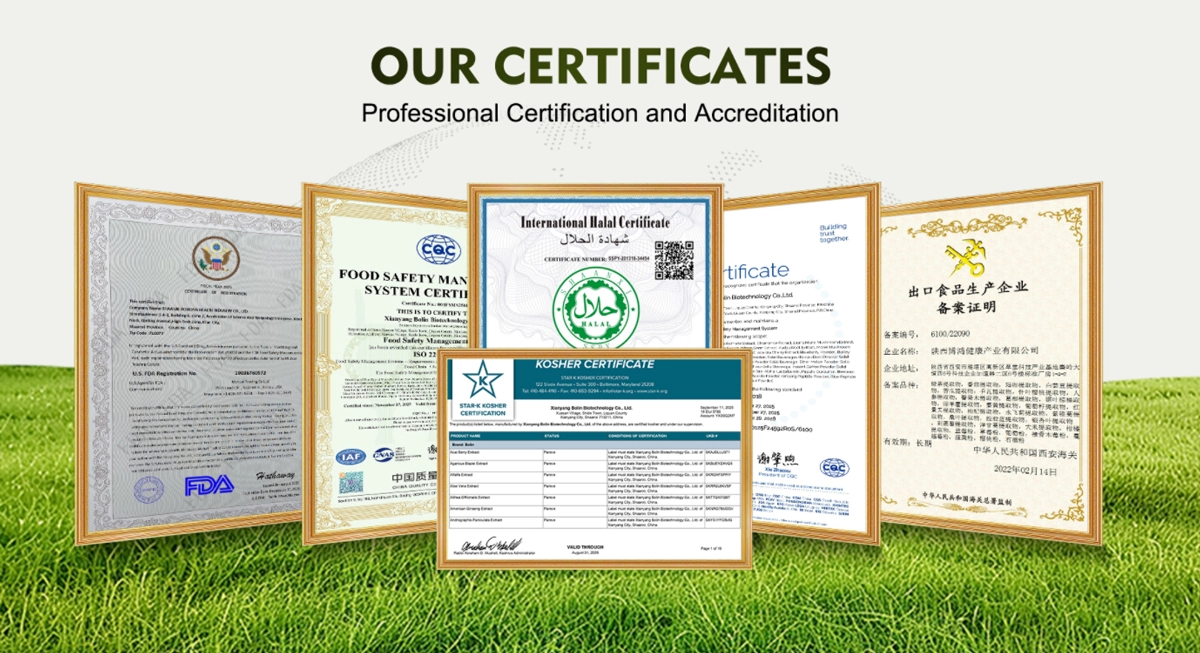
- ISO 9001 (quality management) and ISO 22000 (food safety management)
- HPLC-verified purity with traceable batch numbers
- Heavy metal and microbiological testing results
- SGS or equivalent third-party test reports
- Country-of-origin documentation and phytosanitary certificates where applicable
-
Procuring Pure Rutin Powder: What B2B Buyers Need to Know
Start With a Sample Before Committing
If you're a first-time buyer, it's best to ask for a 1 kg sample before you order a lot. This is the lowest amount that Bolin Biotechnology will take. This lets your quality control team do their own HPLC checks, look at the powder's physical features, and make sure that each batch matches the COA they were given. This is a step that many buying teams skip, which leads to problems with batch inconsistency later on.
Verify the Supplier's Production Capability
So that you can keep track of each batch better, direct makers are better than wholesalers. Bolin Biotechnology was set up in Shaanxi, China, in 2012. It is a direct manufacturer of plant extracts, which means it makes the products and checks their quality itself. The supply chain is less likely to have gaps like these, which can lead to problems with purity or paperwork.
Plan for Inventory and Lead Time
Wait times for stored goods depend on how many orders are placed. Usually, it takes 3–7 business days to deliver samples and 2–4 weeks for larger orders. To keep rutin safe, keep it out of direct sunlight and in a cool, dry place. It can be packed in fiber drums or foil bags to keep it stable on the shelf.
Conclusion
Pure rutin powder from Sophora japonica is a plant part that has been used for a long time and is scientifically proven to work. It can be used for heart health, antioxidant skin care, and a beneficial diet. It's easy for procurement professionals to make a choice: use HPLC to check the purity, make sure the heavy metal requirements are met, ask for a batch COA, and place a small trial order. Biotechnology Bolin's Rutin NF11 (≥95%, CAS 153-18-4) is made with ISO 9001/ISO 22000 methods and has been approved by SGS, a third party. This gives buyers the paperwork they need to do business in the US, EU, and Australia.
FAQ
1. What is the standard purity grade for industrial rutin powder?
HPLC can be used to make sure that the purity is at least 95% for nutritional and medicinal uses. This can be done with Bolin Biotechnology's Rutin NF11, which has batch records that can be tracked.
2. How should rutin powder be stored to maintain stability?
Keep in foil bags or fiber drums that are sealed and won't let light in. Keep in a cool, dry place below 25°C. Light can damage rutin. UV light slowly turns it brown and makes it less useful over time.
3. Is rutin powder compatible with Vitamin C formulations?
Copper speeds up the breakdown of ascorbic acid, but rutin stops it. Because of this, vitamin C is often found with bioflavonoid complex pills to make the active ingredients last longer.
4. Does rutin powder contain allergens from its botanical source?
Rutin that is more than 95% pure is a different chemical. The process of separating and processing gets rid of the plant proteins that make people allergic. This means it can be used without any issues in vegan and allergy-friendly product lines.
5. What is the minimum order quantity for sampling?
Bolin Biotechnology's minimum order quantity (MOQ) is 1 kg, which is a good amount to test in the lab before committing to making more.
Request a Sample From Bolin Biotechnology — Your Trusted Pure Rutin Powder Supplier
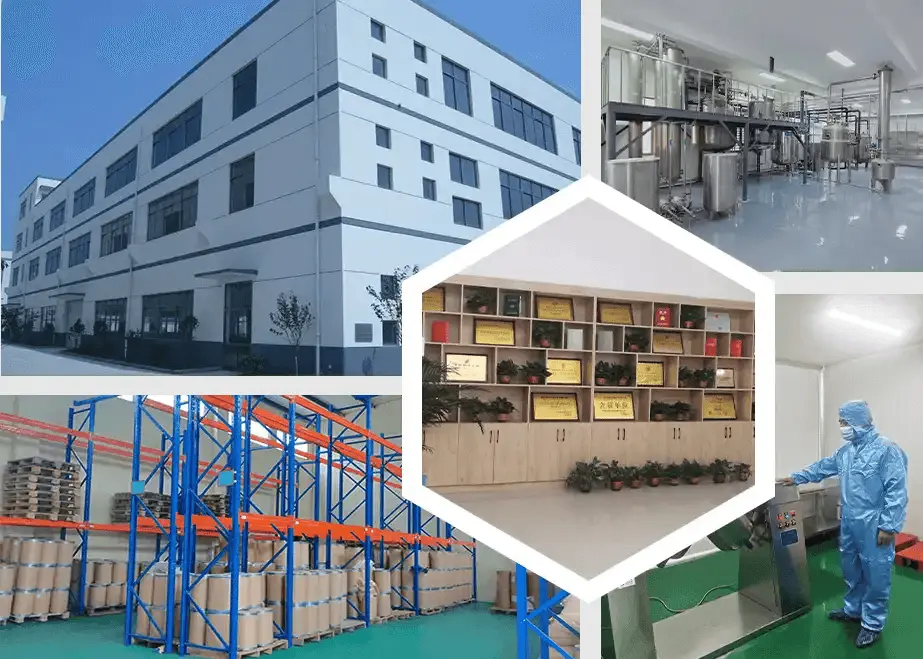
A company called Bolin Biotechnology has been making plant products since 2012. ISO 9001 and ISO 22000 have certified their quality systems. Our pure rutin powder (Rutin NF11, ≥95% HPLC) comes with full third-party documentation from SGS and a COA. It's easy to check with the seller because you can order as little as 1 kg. You can email our team at sales1@bovlin.com right away to get a sample or more information about the product.
References
1. Boots, A.W., Haenen, G.R.M.M., & Bast, A. (2008). Health effects of quercetin: From antioxidant to nutraceutical. European Journal of Pharmacology, 585(2–3), 325–337.
2. Ganeshpurkar, A., & Saluja, A.K. (2017). The pharmacological potential of rutin. Saudi Pharmaceutical Journal, 25(2), 149–164.
3. Chua, L.S. (2013). A review on plant-based rutin extraction methods and its pharmacological activities. Journal of Ethnopharmacology, 150(3), 805–817.
4. Di Petrillo, A., Orrù, G., Fais, A., & Fantini, M.C. (2022). Quercetin and its derivatives as antiviral potentials: A comprehensive review. Phytomedicine, 96, 153889.
5. Zhang, M., & Swarts, S.G. (2011). Antioxidant properties and cytotoxicity of flavonoids with emphasis on rutin. Food Chemistry, 125(2), 289–296.
6. Havsteen, B.H. (2002). The biochemistry and medical significance of the flavonoids. Pharmacology & Therapeutics, 96(2–3), 67–202.