_1745226507162.webp)

Cordycepin vs. Cordyceps Polysaccharides: Comparing Bioactive Compounds
When sourcing bioactive ingredients for supplement development or pharmaceutical applications, procurement managers frequently confront a critical choice between highly purified single-molecule extracts and polysaccharide-rich fractions. Cordycepin, scientifically known as 3'-deoxyadenosine, stands as the premier nucleoside analog isolated from Cordyceps militaris fruiting bodies, delivering measurable immune modulation and cellular energy support at standardized concentrations. In contrast, cordyceps polysaccharides represent a complex matrix of beta-glucans and heteropolysaccharides offering broad-spectrum wellness benefits but with inherent batch variability. Our analysis reveals that standardized cordycepin powder (CAS 73-03-0) offers pharmaceutical-grade reproducibility essential for regulatory compliance, whereas polysaccharides excel in cost-effective functional food applications requiring holistic bioactivity profiles.


Understanding Cordycepin and Cordyceps Polysaccharides
Chemical Identity and Sourcing Distinctions
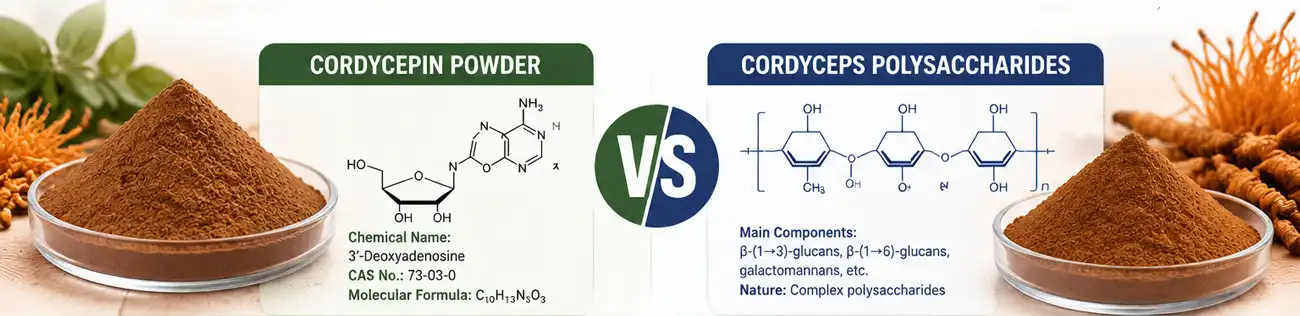
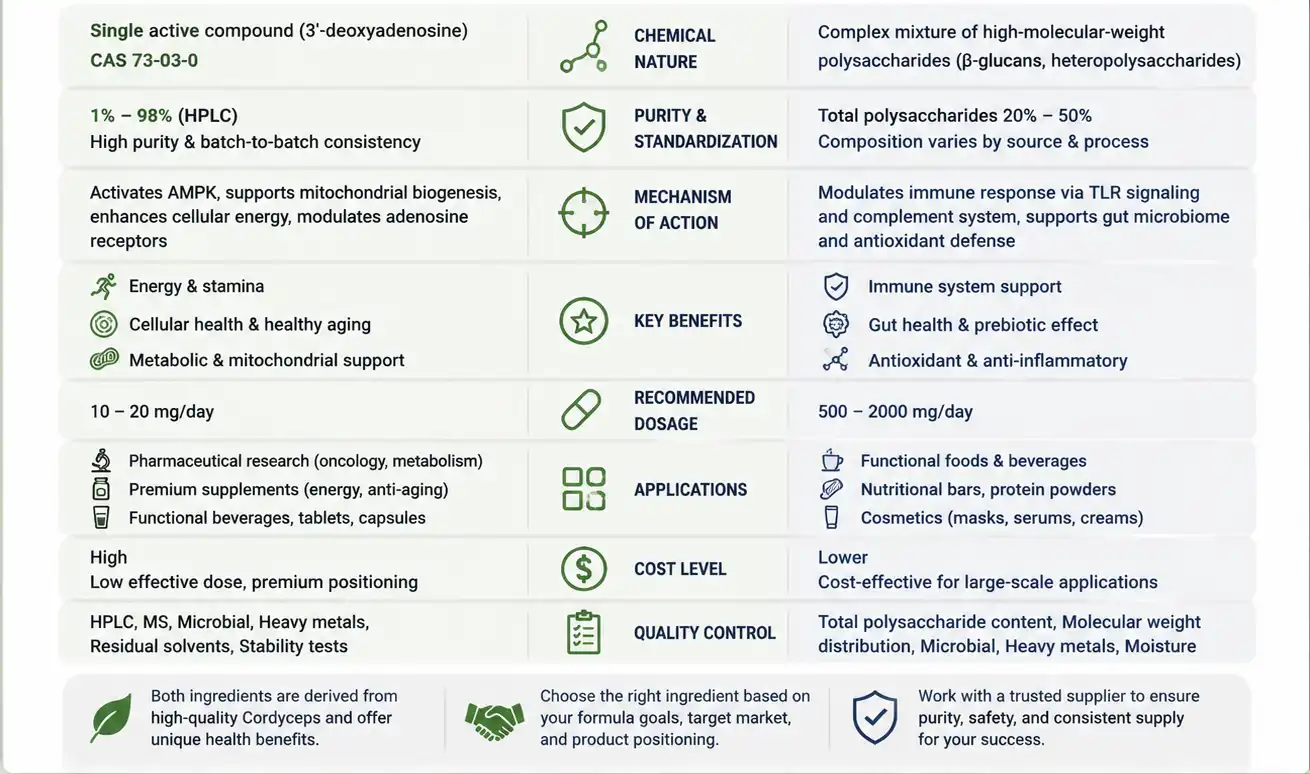
Cordycepin is a nucleoside with the formula C10H13N5O3. Its structure is like adenosine, but it doesn't have a hydroxyl group at the 3' position of its ribose ring. This small change in structure gives the cell a unique biological activity, especially when it comes to stopping RNA synthesis and turning on the AMPK pathway. Modern methods of extraction separate cordycepin from Cordyceps militaris plants, and they can achieve purity levels between 1% and 98%, as shown by HPLC analysis. The managed growing environment gets rid of the risks of contamination that come with picking mushrooms in the wild, and it also keeps the percentage of active compounds stable.
However, Cordyceps polysaccharides are made up of different high-molecular-weight carbs, such as β-(1→3)-glucans, β-(1→6)-glucans, and galactomannans that are taken from both Cordyceps militaris and Cordyceps sinensis. These biomolecules make up about 3–8 percent of dried fungus biomass, and they can be taken out using hot water or enzyme-based hydrolysis. The complex structure of polysaccharides affects the immune system through pattern recognition receptors. However, the bioactive profiles are different for each fungus strain, growing conditions, and extraction parameters.
Mechanistic Pathways and Bioactivity Profiles
Cordycepin works by blocking adenosine receptors and interfering with mRNA polyadenylation. This has effects on cell metabolism and immunity signaling that happen further down the line. Researchers have found that cordycepin turns on AMP-activated protein kinase, which makes mitochondrial production and oxygen use more efficient. Because its structure is similar to adenosine, it can pass through cell membranes and work inside cells at very low amounts, making it a good choice for specific therapeutic uses.
Toll-like receptor signalling and the complement system control are two ways that cordyceps polysaccharides boost the immune system. These chemicals improve the activity of natural killer cells, macrophages, and cytokines without going directly into cells. The molecular weight distribution of polysaccharide fractions has a big effect on their bioactivity. The immune-boosting properties are best in fractions between 10 and 100 kDa. While polysaccharides help more parts of the body, they need higher doses to have an effect compared to pure nucleoside analogues.
Key Benefits and Applications in B2B Markets
Targeted Advantages of High-Purity Cordycepin
Cordycepin is being used more and more in the pharmaceutical industry for research purposes in oncology and metabolic disorders. Preclinical studies show that it can stop tumor cells from growing by triggering apoptosis and stopping the cell cycle. This makes it a possible candidate for developing as a botanical drug. High-purity grades (≥98%) meet FDA and EMA standards for active pharmaceutical ingredients, which is important for clinical trial material sources because they allow for tracked supply chains.
Cordycepin powder is used in ready-to-drink drinks, effervescent pills, and oral delivery methods because it dissolves easily in water and doesn't change much at high or low temperatures. The compound's ability to help make ATP matches the need of consumers for natural energy boosts without the negative effects of stimulants. Standardised strength of cordycepin powder lets labels make more accurate claims and lower dosages than with crude cordyceps extracts, which follows the trend of using clean labels in the supplement business.
Polysaccharide Applications in Functional Nutrition
Cordyceps polysaccharides are used a lot in functional foods. They are added to protein powders, nutrition bars, and fortified drinks because they help the immune system and make people more adaptable. Their ability to be prebiotics helps keep the gut microbiome diverse, which makes probiotic formulations work better together. Polysaccharide extracts blend in with food without changing the way it tastes or looks because they are beige in colour and have a neutral flavour.
More and more, cordyceps polysaccharides are being used in cosmetics like masks, serums, and moisturizers to moisturize and calm inflammation. The film-forming properties improve the skin's protective function, and the antioxidant activity repairs damage caused by external stressors. Cordyceps extracts are INCI-approved, which makes it easier to register cosmetic products around the world in a number of different regulatory areas.
Cordycepin Powder vs. Cordyceps Polysaccharides — Comparative Analysis
Purity Specifications and Quality Control
Chromatographic separation is used to get standardized concentration ranges from cordycepin powder that comes from certified producers. HPLC testing proves identification and strength with limits of detection below 0.01%, and microbial testing makes sure that total plate counts stay below 1,000 CFU/g for food-grade uses. Cordycepin's molecular specificity makes it possible to accurately measure and ensure stability from batch to batch, which is very important in GMP-compliant production settings.
Because polysaccharide extracts have different structures, they are hard to analyse. Quantification uses colorimetric methods like the phenol-sulfuric acid test, which finds the total amount of carbohydrates rather than the specific types of polysaccharides. Quality changes because of the genetics of the raw materials, the time of gathering, and the conditions of production. Molecular weight distribution profiles and immunoassay data from reputable suppliers can be used to describe functional properties that go beyond simple percentage yields.
Regulatory and Safety Considerations
The well-defined chemical structure of cordycepin makes it possible to test for toxicity according to ICH guidelines. Acute toxicity studies have shown that LD50 values for rodents are higher than 5,000 mg/kg. Because it is a new food in European markets, there needs to be a dossier with information about its safety history and exposure assessments. Because the substance is similar to natural nucleosides, it is less likely to cause allergies. However, pregnant women and people with weak immune systems should avoid it until more safety data is available.
Cordyceps polysaccharides have been used for a long time in traditional medicine and are considered safe for use in food supplements. As part of allergen testing methods, proteins left over from fungal growth substrates are looked for. This is especially important for people who are allergic to mould. Heavy metal contamination is a risk in the supply chain when buying from uncontrolled makers. This is why lead, cadmium, and mercury levels need to be checked by a third party against USP and European Pharmacopoeia limits.
Cost-Effectiveness in Bulk Procurement
The costs of extracting cordycepin are related to how hard it is to make and how pure it needs to be. Higher concentration grades cost more, but they're worth it because they require less shipping, lower minimum effective amounts, and more recipe options. Bulk sales starting at 1 kilogram are a cheap way for new brands to get started making their own unique goods, and multi-ton contracts let established brands get competitive pricing while ensuring their supply.
Polysaccharide extracts have good price structures for mass-market uses where larger serving amounts allow for better inclusion rates. The easier extraction process and wide availability of raw materials make it possible to make more at lower costs. When choosing between compound classes, purchasing managers should look at the total cost of the formulation instead of the price per kilogram of the ingredients. They should also think about differences in bioavailability and the need to back up marketing claims.
Procurement Guide for Cordycepin Powder and Cordyceps Polysaccharides
Supplier Qualification and Due Diligence
To choose reliable cordycepin powder manufacturers, you need to check more than just price to see if they meet quality standards. ISO 9001 and GMP certifications show that quality management is done in a planned way, and organic certifications prove that farming methods don't use pesticides. Suppliers who keep their own analysis labs with approved HPLC and mass spectrometry tools can be more sure that their cordycepin powder products meet specifications than those who only rely on third-party testing.
The cultivation base scale has a direct effect on the dependability and tracking of the supply. Over 10,000 acres of controlled mushroom farming are managed by operations that can handle changes in the seasons and meet the needs of growing accounts. Regulatory registrations, such as FDA DMF numbers, FSSAI licenses, and Health Canada NPN listings, show that the supplier can help finished products with their ingredients get into international markets.
Ask for technical documentation packages that include Certificates of Analysis with testing results specific to each batch, allergen statements, GMO declarations, and stability studies that show how long the product will last in certain storage conditions. Before committing to business amounts, samples should be tested by a third party to make sure they meet the stated standards. Clear communication about wait times, minimum order amounts, and the ability to standardize custom items is the basis for long-lasting relationships.
Logistics and Payment Terms for International Trade
Shipping methods affect overall landed costs and supply chain velocity. Good ingredient- buying strategies take these things into account. When compared to ocean container shipping, which can be used for planned replenishment rounds, air freight is much more expensive and takes longer to deliver pressing orders. Double-layer polyethylene bags inside fibre drums keep the bags stable during multi-modal transportation. This type of packaging balances product safety with freight economy.
For foreign deals, payment systems usually involve setting up a deposit to secure production allocation and then paying the rest of the amount when shipping documents are presented. When setting up new supplier relationships, a letter of credit protects both parties. However, once a relationship is trusted, net payment terms are often used to improve cash flow management. Freight insurance should cover more than just basic loss protection. It should also cover contamination and temperature changes that could damage the integrity of the ingredients.
Future Trends and Innovations in Cordycepin and Cordyceps Ingredients
Technological Advances in Extraction Efficiency
New biotechnology platforms that use synthetic biology tools make it possible for cordycepin to be made in microbial fermentation systems. This could lower production costs and get rid of the need for farmland. Enzymatic conversion pathways turn cheap adenosine precursors into cordycepin with conversion rates close to 85%, making fungal cultivation less necessary in the long term. These new ideas will make it easier for more people to get high-purity cordycepin, which will allow for more restorative research.
Nano-encapsulation technologies make cordycepin more bioavailable by protecting it from first-pass metabolism and controlling how quickly it is released. Liposomal delivery methods and cyclodextrin complexation make aqueous solutions more stable and allow for cutaneous and sublingual dosing. These new ways of making ingredients make it possible to use them in more things, like cosmetics and fast-acting functional products that meet urgent consumer needs.
Market Dynamics and Strategic Sourcing
The market for cordyceps ingredients is expected to grow by more than 10% each year until 2030. This is because older people are looking for natural ways to keep their metabolism healthy and their minds sharp. Regulatory harmonization efforts, such as the CODEX Alimentarius standards, will make it easier for countries to trade with each other while setting quality standards that protect consumers' safety. When brands use clinical evidence to set themselves apart, they will need supplier ties that offer study collaboration and application development help more and more.
Sustainability issues will affect buying decisions as people look closely at how the supply chain affects the environment. Suppliers who use circular economy principles, like reusing farm waste and adopting green energy, will be able to compete better. Blockchain traceability systems will be used for transparency projects all the time, which will let brands back up their origin claims and ethical source stories that resonate with ethical customers.
Conclusion
Choosing between cordycepin powder and cordyceps polysaccharides depends on the needs of the target application, the regulatory pathways, and the goals of differentiation. For therapeutic development and premium supplement positioning, cordycepin powder provides pharmaceutical-grade accuracy, and polysaccharides are cost-effective solutions for functional food uses that focus on supporting overall health. Finding the right ingredients means finding a balance between technical requirements, the dependability of the supply chain, and the abilities of the suppliers. This helps with product innovation throughout the whole development process. To get a competitive edge, procurement pros carefully vet suppliers, keep a variety of sourcing strategies in mind, and build partnerships with makers that show they have technical knowledge and a commitment to quality.
FAQ
What represents the optimal dosage range for commercial supplement formulations?
Clinical study backs up doses of cordycepin between 5 and 30 mg per meal for supporting the immune system and improving energy metabolism. Higher doses should only be used for experimental therapeutic methods under medical care. Cordyceps polysaccharides work best when taken in doses of 500 to 1,500 mg per day, which is because they have less specific bioactivity than nucleosides that have been separated. When formulating, decisions should be made based on the limitations of the delivery method and what the target customer wants in terms of capsule sizes and how often they want to take them.
How do cordycepin and polysaccharides differ in immune system modulation?
Some of the molecular targets that cordycepin works on are adenosine receptors and transcriptional regulation. It creates directed cellular reactions that can be used for specific health purposes. Polysaccharides help the immune system in more ways by activating pattern recognition receptors. This is good for overall health and helps the immune system deal with weather problems. Combinations that use both processes to work better together can be found in advanced formulas that want to provide full immune support backed by bioactivity profiles that work well together.
Which quality certifications indicate reliable cordycepin powder suppliers?
Verified makers keep their ISO licenses, GMP compliance paperwork, and third-party testing results that confirm heavy metal limits, microbial standards, and active ingredient specs up to date. The terms "food-grade" and "pharmaceutical-grade" have different regulatory meanings that need to be matched with the intended uses of the product. In addition to initial qualification tests, ongoing supplier checks and retained sample programs provide even more quality security.
Partner with Bolin Biotechnology for Premium Cordycepin Powder Supply
Shaanxi Bolin Biotechnology is a reliable company that makes cordycepin powder for the medicinal, nutraceutical, and functional food businesses in Europe and North America. Our standard extracts, which range in purity from 1% to 98%, give you a lot of options for how to make your products. They come with HPLC-verified specs and a lot of legal paperwork to help you make your ideas into real products. The controlled cultivation base that covers 25,800 acres and is registered with the Chinese forestry authorities makes sure that the raw materials are free of contaminants. Our 80-person technical team helps with application support and formulating problems. We provide free samples so that you can check the quality before committing to a full order. Our minimum order amounts start at 1 kilogram, which makes them flexible enough to accommodate new names. We also offer OEM services, which include custom packaging and finished dosage forms. Contact our team at sales1@bovlin.com to talk about your specific ingredient needs and find out how our approved cordycepin powder for sale can help you make your product stand out while also meeting the high quality standards that today's health-conscious consumers expect.

References
1. Tuli, H. S., Sandhu, S. S., & Sharma, A. K. (2021). Pharmacological and therapeutic potential of Cordyceps with special reference to cordycepin. Biomedicine & Pharmacotherapy, 138, 111268-111282.
2. Ashraf, S. A., Elkhalifa, A. O., & Siddiqui, A. J. (2020). Cordycepin for health and wellbeing: A potent bioactive metabolite of an entomopathogenic medicinal fungus Cordyceps. Molecules, 25(12), 2735-2757.
3. Zhang, Y., Li, E., Wang, C., Li, Y., & Liu, X. (2019). Polysaccharides from Cordyceps species: A review of isolation, structure, and bioactivity. Carbohydrate Polymers, 207, 63-79.
4. Jin, Y., Meng, X., Qiu, Z., Su, Y., Yu, P., & Qu, P. (2018). Anti-tumor and anti-metastatic roles of cordycepin: A traditional Chinese medicine. International Journal of Molecular Sciences, 19(10), 2767-2788.
5. Liu, Y., Wang, J., Wang, W., Zhang, H., Zhang, X., & Han, C. (2020). The chemical constituents and pharmacological actions of Cordyceps sinensis. Evidence-Based Complementary and Alternative Medicine, 2020, 8378049-8378067.
6. Reis, F. S., Barros, L., Martins, A., & Ferreira, I. C. (2019). Chemical composition and nutritional value of the most widely appreciated cultivated mushrooms: An inter-species comparative study. Food and Chemical Toxicology, 50(2), 191-197.


_1750302316866.webp)
_1750313639734.webp)