_1745226507162.webp)

Ergothioneine vs Glutathione: Which Antioxidant Ingredient Is Better?
When evaluating antioxidant ingredients for your formulations, ergothioneine powder emerges as the superior choice for long-term cellular protection and stability. This naturally occurring amino acid offers exceptional resistance to oxidative degradation compared to glutathione, making it ideal for nutraceuticals, cosmetics, and pharmaceutical applications. While glutathione serves critical detoxification roles, ergothioneine's targeted cellular uptake, prolonged shelf life, and multifunctional benefits across neurological, immune, and dermatological applications position it as the more versatile ingredient for formulation professionals seeking reliable, science-backed antioxidant solutions with documented bioavailability and regulatory compliance.
Introduction
Antioxidants are an important part of many fields, such as medicine, nutraceuticals, and makeup. They keep cells safe from reactive damage, boost health, and make things work better. Ergothioneine and glutathione are two of the most powerful antioxidants that are used a lot in business-to-business transactions. In formulation chemistry, both substances are very popular. However, they work in various ways and offer various benefits depending on the task at hand.
This article talks about both antioxidants and how they work and what their traits are. We want to give people who buy things and people who make products a clear, evidence-based comparison of ergothioneine and glutathione so they can choose wisely about where to get ingredients and how to make products that meet legal and business needs. People in charge of research and development, formulating, and buying can pick ingredients that meet high-quality standards and make the product work better if they know these differences.
Understanding Ergothioneine and Glutathione
What Makes Ergothioneine Unique?
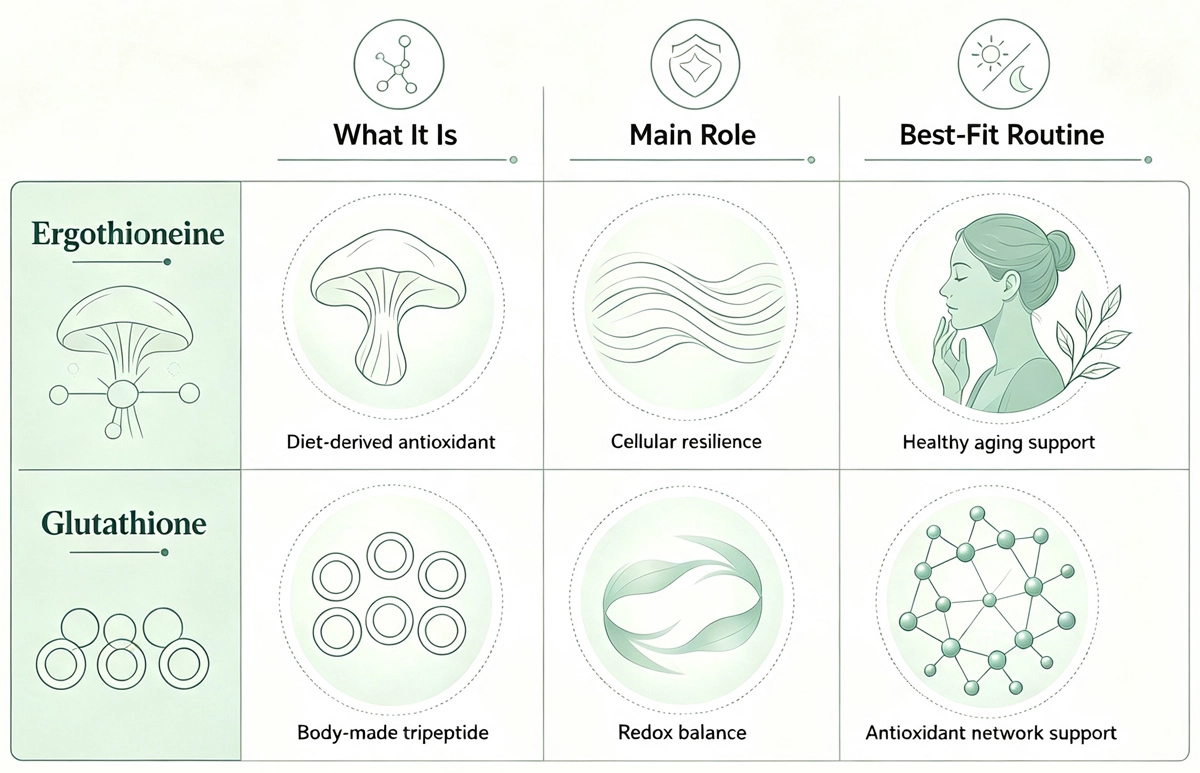
The body makes ergothioneine and glutathione, which are both natural antioxidants. They come from different places and do different things. To get ergothioneine (CAS 497-30-3), you can mostly find it in mushrooms and some bugs, or you can make it organically through fermentation. It is very valuable because it is very solid and protects cells in particular. Ergothioneine is different from other antioxidants because human cells have special OCTN1 transporters that store it in organs that need it the most, like the brain, eyes, liver, and bone marrow.
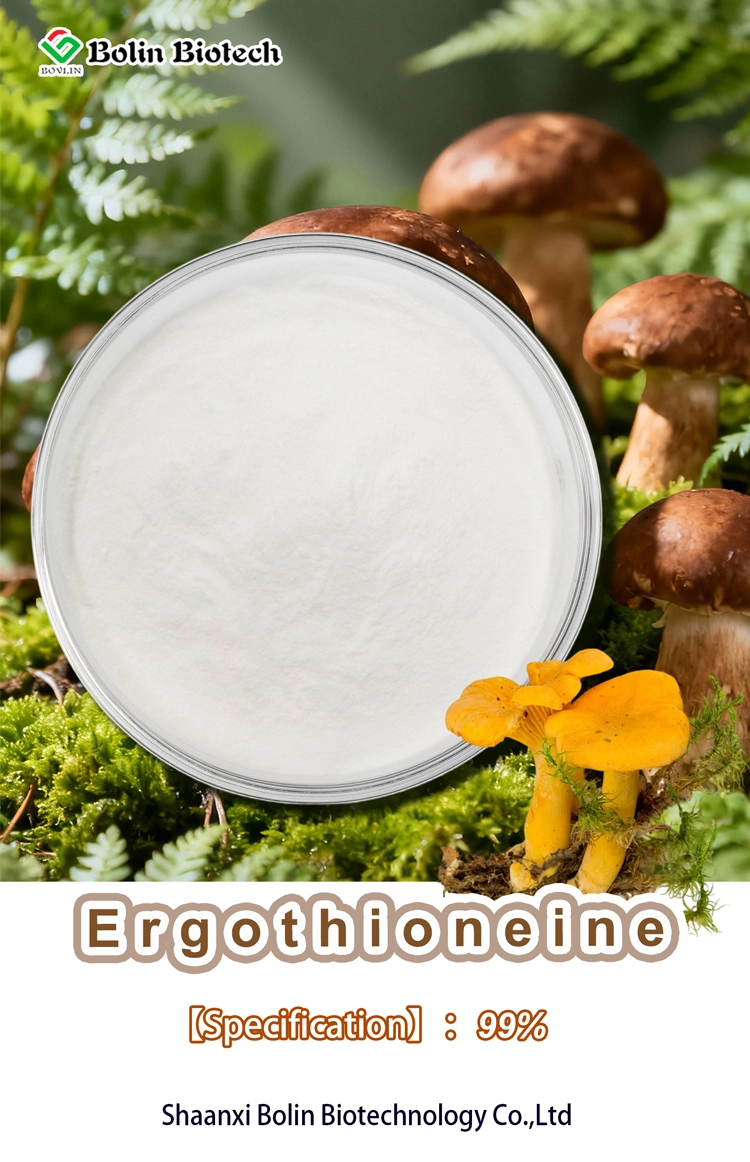
This one-of-a-kind material stays in shape even when it's exposed to a lot of air. To make the ergothioneine powder form, which is always 99% pure, advanced fermentation technology is used. This makes sure that the product is reliable from batch to batch, which is important for pharmaceutical-grade uses. It can be used in many vitamin, drink, and beauty products because it doesn't taste bad and dissolves in water.
Glutathione's Biological Role
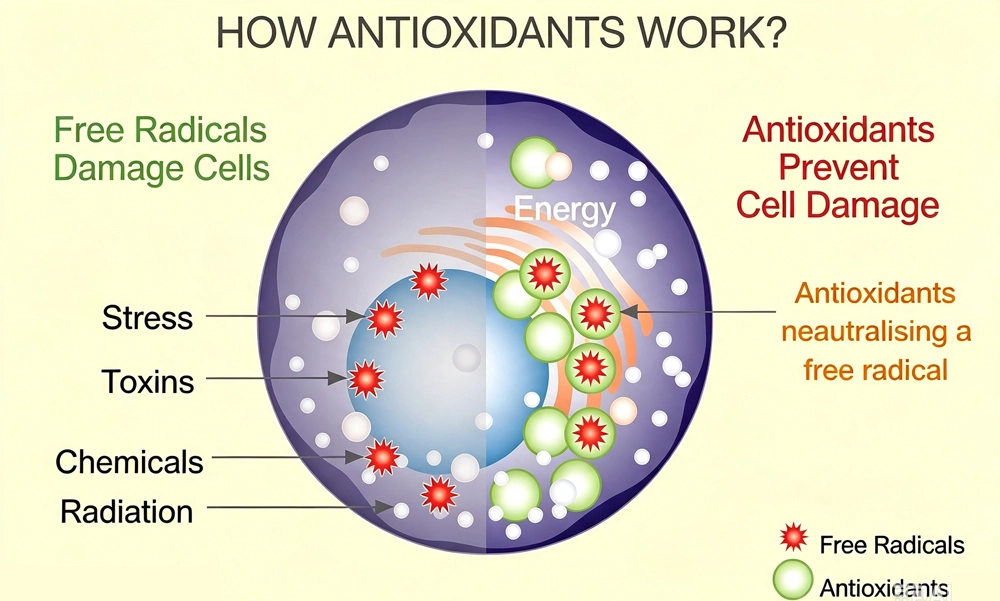
Glutathione is a tripeptide that the body makes on its own. It's called the "master antioxidant" because it's so important for getting rid of poisons and keeping redox balance. Its main job is to fight free radicals inside cells and help the liver's Phase II detoxification pathways. Glutamic acid, cysteine, and glycine make it up.
It's easy to see how each one works to lower reactive stress once we know how they work biochemically. They break down and stay stable in different ways, which impacts the choices we make when creating formulations. It is very reactive because it has a thiol group. It is a strong antioxidant because of this, but it can also break down quickly when it comes in touch with heat, light, or free radicals outside of cells. Businesses can use this basic information to figure out which ingredients will work best for them based on their performance needs and the limitations of the ways they make things.
Comparing the Antioxidant Properties and Health Effects
Stability and Potency Under Stress
Among antioxidants, ergothioneine stays stable the longest when things are bad. When it's not inside of cells, it quickly breaks down, but this one stays useful for a much longer time. Researchers have written in biochemical journals that oxygen doesn't hurt ergothioneine, even when it's very hot. Glutathione, on the other hand, needs liposomes or other liposomal transport systems to keep working while it's being stored and moved through the digestive system.
This advantage in stability directly leads to advantages in design. If companies use ergothioneine powder that comes from fermentation, it has a longer shelf life—usually 24 months if stored properly—and they don't have to use special packaging or keep the powder cold. Light and water can't break down high-purity ergothioneine powder because of the way its crystal structure keeps it safe.
Clinical Benefits Comparison
Ergothioneine is a chemical that is found in mitochondria and helps keep cell energy production safe. It also helps the immune system, keeps the brain healthy, and keeps the skin safe. Studies show that it keeps neurones safe by keeping brain cells from getting damaged by free radicals. Because of this, it is a good ingredient for vitamins that help older people keep their minds healthy. As long as the drug doesn't stop the immune system from doing its job, it can change hormones that cause inflammation.
It is useful because glutathione can get rid of toxins, slow down aging, and change the immune system. It works especially well for getting heavy metals out of the body and making the liver work better. It recycles antioxidants like vitamin C and E, which is why it is an important part of all-around health foods. Both are safe as long as they come from companies that check the quality of their products. However, you need to think about the right amount and when you shouldn't use them. Here is a summary of the scientific and clinical information so that procurement experts can compare the functional benefits with operational and legal factors.
Market Comparison and Procurement Considerations
Quality Standards and Certification Requirements
When you buy something, it's important to think about quality, cleanliness, and how reliable the source is. Naturally fermented foods can make high-quality ergothioneine powder, but it can be hard to find because the process is difficult and needs to meet strict quality standards. Providers that meet ISO, KOSHER, HALAL, HACCP, and cGMP standards show that they are committed to pharmaceutical quality control.
The ergothioneine that Shaanxi Bolin Biotechnology sells is only after a six-step quality testing process that checks for heavy metals according to EU standards, microbial safety, and third-party verification. The HPLC/UPLC analysis checks the amount of active ingredient. This method works for everything, which is what pharmaceutical and supplement companies are most worried about: making sure that each batch is stable. With each Certificate of Analysis, you can see the whole process, from checking the raw materials to releasing the final product.
Geographic Sourcing and Supply Chain
The world market for antioxidants shows that different parts of the world are stronger than others. Chinese companies have built up high-tech infrastructure for fermentation technology, such as big farms and state-of-the-art extraction facilities. European sellers usually focus on certain plant extracts, while North American sellers stress manufactured production methods that have to follow FDA rules to the letter.
To figure out if a seller is trustworthy, you should look at their facility certifications, sample testing methods, and how open their supply chain is. Purchasing teams should get multiple batch COAs, check the goods on-site when they can, and make quality agreements that spell out the acceptable ranges for purity, moisture content, and microbial limits. This will help make sure that everything is the same. It is recommended to check out a number of sources from around the world in order to find the best deal on prices without lowering the quality of the product.
Decision Framework for Choosing Between Ergothioneine and Glutathione
Matching Antioxidants to Application Needs
The antioxidant properties of the ingredients you choose must be right for the job, whether it's skin care, neurological supplements, immune support, or commercial medicines. For beauty products that want to protect skin cells from UV light and slow down the ageing process, ergothioneine powder is the best choice because it doesn't break down when exposed to light. The powder dissolves in water and mixes easily into creams, serums, and face masks. It doesn't change the texture and doesn't take a lot of work to emulsify.
Ergothioneine is found in large amounts in brain cells and can pass through the blood-brain barrier through processes called active transport. This means that nutrients for brain and nerve health are useful. Nootropic designers like how well it mixes with other brain boosters and doesn't cause any of the side effects that can happen with some antioxidant mixes.
Key Decision Metrics
Bioavailability, stability under formulation conditions, legal compliance, and the tastes of the target market are some of the most important things to look at. Ergothioneine is better absorbed by cells when taken by mouth because it has special transporters for them. On the other hand, liposomes or sublingual release are often needed for glutathione to reach useful levels. When you test for stability, you should look at both fast ageing and storage conditions that are common in the real world and are important to your delivery lines.
Customers and OEMs can pick the best antioxidant for their business needs with this framework. It tells them when to value ergothioneine's stability and adaptability over glutathione's well-known detoxifying qualities. People can use this information to make smart decisions that can lead to new products and a niche in the market. This is especially true in high-end wellness categories where customers want ingredients that have been scientifically proven to be safe and good for them.
| Decision Factor | Ergothioneine Powder | Glutathione Powder |
|---|---|---|
| Main Applications | Anti-aging skincare, beauty supplements, brain health, longevity products | Detox supplements, immune support, antioxidant products |
| Formulation Stability | High stability against light and oxidation, suitable for complex formulations | More sensitive to oxidation and requires better protection during formulation |
| Bioavailability | Efficient cellular uptake through specific transporters, suitable for oral supplements | Absorption can be limited; advanced delivery systems may improve effectiveness |
| Key Market Advantage | Premium, innovative antioxidant with strong differentiation potential | Well-known antioxidant with high consumer awareness |
| Best Product Positioning | High-end skincare, nootropics, healthy aging, premium wellness products | Mainstream supplements, detox, immune health products |
| Recommended Choice | Choose when stability, innovation, and premium positioning are priorities | Choose when market recognition and established demand are priorities |
Future Trends and Innovations in Antioxidant Ingredients
Synergistic Formulations and Enhanced Delivery
New antioxidant goods are being made that combine ergothioneine and glutathione to get the most out of their combined effects and to make them easier for the body to use. Scientists are working on liposomal encapsulation technologies that will protect both substances while they go through the gut and let them slowly get to the tissues they need to reach. These methods use both the safety of ergothioneine and the ability of glutathione to recycle stuff inside cells.
Because they let antioxidants get deeper into the skin, new ways of transporting nanoparticles could be used in dermatology. Microencapsulation techniques keep delicate chemicals safe in functional drinks. This means they can be used in more popular health drinks and waters that have been fortified. Product designers can get new technologies before the rest of the market does if they work with suppliers who are always coming up with new ideas.
Regulatory Evolution and Natural Sourcing
As the need for natural and organic antioxidants grows, the rules about where to get them and how to name them correctly are changing. People in North America and Europe who want "clean labels" tend to choose ingredients that come from fermentation over ones that are made in a lab. Smart businesses build relationships with suppliers that offer the newest products and can quickly adapt to changes in the rules. This is especially important when it comes to ergothioneine powder items, novel food approvals and Generally Recognised as Safe (GRAS) designations.
Ergothioneine-based items have a lot of room to grow in the markets for long life and healthy ageing. Mainstream media coverage and recommendations from well-known people have helped people learn more about "longevity vitamins" and cellular health. It tells you what will happen and how to buy things that will give you an edge over your competitors and keep your product lines safe from changing consumer tastes and higher quality standards in the future.
Conclusion
Glutathione and ergothioneine are both good antioxidants, but they work better for different design goals because of how they are made. For companies that want to maximise shelf life, bioavailability, and clean labeling, ergothioneine is the best choice. It is very stable, can be taken up by specific cells, and has many uses in neurological, immune, and skin conditions. Glutathione is still needed for some jobs that clean and help the liver. Suppliers should be judged on how well they can prove quality, make sure they follow certification rules, and provide expert support. This will help make sure that recipes work and that rules are followed.
FAQ
What purity level of ergothioneine powder should we specify for pharmaceutical applications?
Formulations for pharmaceutical use must be at least 98–99% pure, which can be checked with HPLC/UPLC analysis. The amount of heavy metals should be less than what is allowed by the EU Pharmacopoeia. The number of microbes should be within the limits set by cGMP, and reports of analysis should include tests for residue liquids. You should ask for batch consistency data of ergothioneine powder that covers more than one output lot to be sure the making is good.
How does ergothioneine stability compare to glutathione during manufacturing processes?
Its structure doesn't change at temperatures up to 105°C, and it doesn't break down when tablets, pills, or drinks are made. To keep glutathione safe, nitrogen must be pumped out, light must be blocked, and the temperature must stay below 25°C. It makes a big difference in how well things are made and how long they last this difference in security.
Can ergothioneine and glutathione be combined in single formulations?
They do work in ways that help each other, and you can use them together to get better results. It takes time for ergothioneine to protect cells, but glutathione helps the body get rid of toxins quickly. Stability tests should show that both compounds stay active for as long as they are stored in the way you describe for your formulation.
Partner with a Trusted Ergothioneine Powder Supplier
Shaanxi Bolin Biotechnology is an expert at making ergothioneine powder that is 99% pure and can be used in medicine, beauty products, and health supplements. Each batch is made in ISO-certified factories that cover 25,800 acres and use a natural fermentation method. These facilities make sure that each batch meets the standards for KOSHER, HALAL, HACCP, and cGMP. Since 2012, we've been giving formulation teams around the world water-soluble antioxidant ingredients that don't need any extra ingredients. The fact that we offer full technology help and reliable shipping networks speaks for itself. Send us an email at sales1@bovlin.com to tell us about your specific needs and get full product specs that are tailored to your formulation needs.
References
1. Cheah, I. K., & Halliwell, B. (2012). Ergothioneine: antioxidant potential, physiological function, and role in disease. Biochimica et Biophysica Acta - Molecular Basis of Disease, 1822(5), 784-793.
2. Paul, B. D., & Snyder, S. H. (2010). The unusual amino acid L-ergothioneine is a physiologic cytoprotectant. Cell Death & Differentiation, 17(7), 1134-1140.
3. Forman, H. J., Zhang, H., & Rinna, A. (2009). Glutathione: overview of its protective roles, measurement, and biosynthesis. Molecular Aspects of Medicine, 30(1-2), 1-12.
4. Repine, J. E., Bast, A., & Lankhorst, I. (1997). Oxidative stress in chronic obstructive pulmonary disease. American Journal of Respiratory and Critical Care Medicine, 156(2), 341-357.
5. Gründemann, D., Harlfinger, S., Golz, S., Geerts, A., Lazar, A., Berkels, R., Jung, N., Rubbert, A., & Schömig, E. (2005). Discovery of the ergothioneine transporter. Proceedings of the National Academy of Sciences, 102(14), 5256-5261.
6. Borodina, I., Kenny, L. C., McCarthy, C. M., Paramasivan, K., Pretorius, E., Roberts, T. J., van der Hoek, S. A., & Kell, D. B. (2020). The biology of ergothioneine, an antioxidant nutraceutical. Nutrition Research Reviews, 33(2), 190-217.