_1745226507162.webp)

Nervonic Acid Powder vs. DHA: Which Brain-Health Ingredient Is Better?
When formulating brain health products, choosing between nervonic acid powder and DHA often challenges product developers. The answer depends on your specific formulation goals. Nervonic acid powder, extracted from Acer truncatum seeds, excels at supporting myelin sheath integrity and nerve signal transmission, making it particularly valuable for cognitive aging and neurological repair formulations. DHA dominates neuroplasticity and anti-inflammatory pathways. For comprehensive brain health products targeting diverse age groups, many formulators find that combining both ingredients delivers synergistic benefits, though standalone nervonic acid applications show remarkable promise in specialized cognitive and infant nutrition products where myelin development is the primary concern.
Understanding Nervonic Acid Powder and DHA: A Comparative Overview
Chemical Structure and Molecular Characteristics
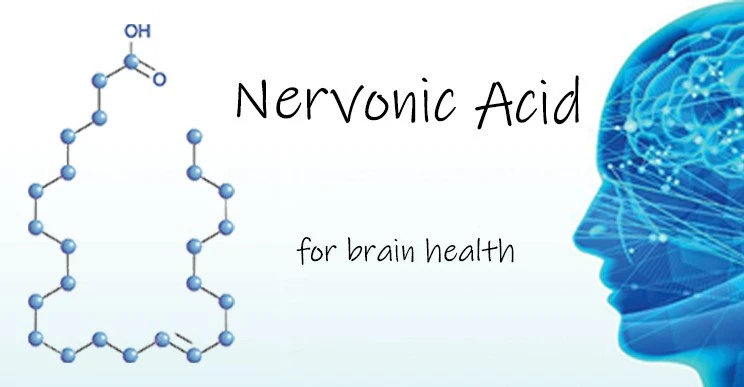
The different cellular roles of these two fatty acids are based on how their molecules are structured. It is a very long-chain monounsaturated fatty acid with 24 carbons and one double bond at the omega-9 position. Its CAS number is 506-37-6. It is perfectly suited for making myelin sphingolipids because of its unique structure. Our nervonic acid powder stays in this exact molecular shape, and Gas Chromatography analysis shows that it is 95% pure.
On the other hand, DHA has 22 carbons and six double bonds, making it an omega-3 molecule. This polyunsaturated shape helps the membrane move easily, but it also makes it more vulnerable to oxidation. When it comes to formulation longevity, nervonic acid's stability benefit becomes clear: our nervonic acid keeps a peroxide value of ≤5.0 meq/kg, which is much better than most polyunsaturated fatty acids in shelf-life tests.
Natural Sources and Extraction Methods
Buying habits have a direct effect on the quality of the goods and the dependability of the supply chain. Nervonic acid can be found naturally in a few plants. The most concentrated source is in the seeds of the Acer truncatum (purple-leaf maple). Today, pharmaceutical-grade nervonic acid can be obtained through cold-press extraction followed by molecular distillation, which protects the delicate omega-9 link structure.
Fish oil from anchovies, sardines, and mackerel, or algal fermentation for vegetarian uses, is usually used to get DHA from marine sources. Different things need to be thought about for each source: sea DHA needs to be thoroughly screened for heavy metals, while algae DHA costs more but has benefits for clean labels.
Our nervonic acid comes from approved Acer truncatum farms that cover more than 25,800 acres. This way, we can track it from the seed to the powder. This controlled supply chain gets rid of the risks of contamination that come with getting ingredients from the wild or the sea, which is very important for pharmaceutical and infant formula uses.
Supplement Forms and Formulation Compatibility
Formulation versatility is based on physical properties. Our nervonic acid powder is a white, crystalline substance that always melts at 42 to 45°C. This crystal structure fits perfectly into pills, hard capsules, and softgels without the need for complicated systems for dissolving them. The powder form doesn't have the bad smell that comes from crude oil options, which is a big plus for customer acceptance.
At room temperature, DHA is a liquid oil that needs to be encapsulated or emulsified to keep it stable. The most common way to give DHA is in softgels, but microencapsulation technologies have now made powder forms possible. The complicated handling adds to the cost and creates possible oxidation points during production.
If product developers want to make formats that can dissolve in water, our nervonic acid powder works with microencapsulation technologies. This lets them make stable emulsions that can be used in drinks and as supplements. Because both ingredients are lipophilic, it's important to choose a carrier that works well with them. However, nervonic acid's saturated backbone makes it more resistant to oxidation during processing and storage.

Scientific Insights on Brain Health Benefits
Myelin Sheath Synthesis and Nerve Conduction
The stability of myelin is very important for how neurones work. Nervonic acid powder is a direct building block of sphingomyelin, which is the main lipid in the myelin sheaths that cover nerve fibers. Researchers have found that having enough nervonic acid helps the remyelination process, which may slow down the loss of brain function that comes with getting older and help people heal from conditions that damage the myelin covering.
The process happens at the level of cells. In the central nervous system, oligodendrocytes add nervonic acid to recently made myelin, and in peripheral nerves, Schwann cells do the same. This process directly affects the speed at which nerve signals travel. Neurons that are properly myelinated can send signals up to 100 times faster than fibres that are not myelinated. This means that baby formula needs to provide extra help during the fast myelination phase that happens in the first two years of life.
DHA is mostly found in the phospholipids on the membranes of neurones, not in myelin structures. Its main job is to keep the membrane fluid and help synapses work by changing how neurotransmitter receptors work. It seems that when two or more versions are used together, they can help with both structural support and functional signalling routes.
Cognitive Function and Memory Enhancement
There are different trends for each ingredient in the clinical evidence for cognitive effects. Studies on nervonic acid supplements show that they help with memory consolidation and recall, especially in older people who are already having mild cognitive impairment. The suggested process involves better myelin function, which improves the efficiency of signal transfer and supports the fast neural firing rhythms that are needed for memory formation.
DHA study shows strong support for cognitive health through several routes, including supporting brain-derived neurotrophic factor (BDNF) expression, boosting neuroplasticity, and reducing neuroinflammation. The large clinical database for DHA has set guidelines for doses and measures of effectiveness across a wide range of groups.
Synergistic Potential in Formulation Design
New study looks into how nervonic acid and DHA can be used together in complete brain health formulas. Focusing on different areas of brain health is the idea behind this: nervonic acid improves the structure (myelin sheaths), while DHA boosts the function (synaptic signalling and learning). Early research suggests that the benefits may be combined or synergistic, but full clinical trials are still being done.
This gives people who make products a chance to make their products stand out by using multi-mechanism formulas that are backed by science. When added to infant formulas, our nervonic acid powder works well with DHA and ARA to create a lipid profile similar to breast milk. This helps the brain and retina grow.

Safety, Dosage, and Side Effects: What B2B Buyers Should Know
Safety Profiles and Regulatory Status
Regulatory approval depends on the ingredient and the use. Nervonic acid is generally thought to be safe (GRAS) in certain situations. For example, it has been found to be safe enough to be used in baby formula and food supplements. Our nervonic acid powder meets strict EU heavy metal requirements and keeps the amount of erucic acid below levels that can be detected. This addresses safety concerns that have been raised in the past about very long-chain fatty acids.
The safety profile shows that people of all ages can handle it well. Unlike erucic acid, nervonic acid does not build up in heart muscle. This gets rid of the heart-safety worries that led to restrictions on high-erucic rapeseed oil many years ago. This difference is very important: our extraction and purification methods make sure that erucic acid pollution is kept at amounts that can't be found.
DHA has a large safety database that includes decades of clinical use and monitoring after the product was sold. There are regulatory approvals for infant formula inclusion around the world, with set maximum levels and purity requirements. The main safety concerns are oxidation that can happen during storage and the rare occurrence of allergic reactions in goods that come from the sea.
Dosage Guidelines for Different Applications
Dosing that works relies on how the product is positioned and who it is meant for. According to recent studies and market formulas, the recommended daily dose of nervonic acid for people is between 50 mg and 300 mg. The makeup of infant formula is based on breast milk, with amounts of 0.1-0.5% of total fatty acids being the goal.
DHA doses are more varied: 200–1000 mg daily for adults to help their brains, 50–100 mg for baby formulas (often mixed with ARA in a 1:1 to 2:1 ratio), and higher therapeutic doses for certain conditions while under medical care. The set dose guidelines for DHA make it easier for formulators to follow the rules in many places.
Our technical team gives you formulation advice based on the needs of your specific application. The powder form lets you precisely control the dose, which is very important for clinical trials and pharmaceutical-grade formulations where consistency from batch to batch affects the results of how well they work.
Quality Control Parameters for Procurement
The safety and effectiveness of a product depend on the purity of its ingredients. When looking for nervonic acid, it's best to choose sources who offer more than just simple purity tests. The six steps that make up our normal quality testing procedure are measuring the peroxide value (≤5.0 meq/kg), the acid value (≤1.0 mg KOH/g), heavy metals to EU limits, and erucic acid.
Pay close attention to the peroxide number because it shows reactive stability, which is a key indicator of shelf life and biological activity. When you buy something, lower peroxide levels mean that it will stay stable for longer and keep its effectiveness throughout the distribution chain.
Certification needs are different for each end market. We keep up-to-date ISO, GMP, and HACCP certifications for the whole production process, from managing the plantations to packaging the final products. These approvals give legal security for pharmaceutical uses and make it easier for foreign shipments to get through customs.
Practical Procurement Guide for B2B Clients
Supplier Evaluation Criteria
Choosing the right ingredient provider affects the success of the recipe and the dependability of the supply chain. There are a few main things that set sellers in the nervonic acid powder market apart from each other. Vertical integration protects our supply—since we own 25,800 acres of Acer truncatum farms, we don't have to worry about the unstable sources that come with using wild-harvested or market ingredients. This upstream integration also makes it possible to track back to specific growing regions, which is important for regulatory paperwork and quality incident investigations.
Product accuracy is directly affected by how well a product can be made. When compared to older solvent extraction methods, modern extraction facilities that use supercritical CO₂ or molecular distillation technologies produce more pure samples. Our cutting-edge processing keeps the natural molecular structure while reaching 95% purity through gentle separation methods that keep the biological activity.
The ability to provide technical support is what sets formulation partners apart from commodity suppliers. Suppliers who give application advice, stable testing data, and formulation troubleshooting are helpful to teams that are making new products. We give you a lot of detailed information, like profiles of solubility, suggested processing temperatures, and information on how well your product works with common excipients used in different dosage forms.
Packaging and Storage Considerations
Throughout the supply chain, the integrity of the ingredients is protected by the right packaging. Our nervonic acid powder comes in a variety of packaging options based on the size of the production run. For example, pharmaceutical-grade bottles are used for small amounts used in research and development, fibre drums with polyethylene bags inside are used for pilot production, and vacuum-packed foil bags provide the best protection against oxidation during long-term storage or international shipping.
Conditions of storage have a direct effect on shelf life. If you keep the powder version somewhere cool, dry, and out of direct light, it stays very stable. Our product stays in good shape for two years when stored properly at a controlled room temperature. This is a big improvement over liquid oil forms that need to be kept cold and break down quickly in normal warehouse conditions.
Handling rules during production should be considered. Crystalline powder can move around easily, which makes automated weighing and mixing possible in large-scale production. With a melting point between 42°C and 45°C, it can be gently heated and mixed into oil phases. This is well below the temperatures that could damage sensitive ingredients in multi-component formulations.
Cost-Efficiency Analysis and MOQ Considerations
There is more to procurement economics than just unit price. The total cost of ownership includes how hard it is to process, how much yield is lost during preparation, and how stable the final product is. Our 95% pure nervonic acid powder has a higher concentration of active ingredients compared to crude oils, which need higher inclusion rates to provide the same amount of active ingredients. This advantage of higher concentration usually makes up for the higher unit cost by lower shipping weights, smaller container requirements, and easier regulatory paperwork that leads to lower total ingredient mass.
Minimum order amounts depend on the type of packaging and the plan for production. We can work with clients in the research stage who need small amounts for feasibility studies, and we keep our prices low for sales on a business scale. Flexible MOQ policies help keep product development on schedule without requiring too many inventory commitments in the early stages of formulation.
| Evaluation Factor | What Buyers Should Look For | Bolin Advantage |
|---|---|---|
| Raw Material Supply | Stable and traceable raw material sources | Vertical integration with Acer truncatum farms for stable supply and full traceability |
| Purity & Processing Technology | Advanced extraction technology and consistent purity | Modern purification technology achieves up to 95% purity while maintaining active components |
| Quality Control | Reliable testing data and quality documentation | Provides detailed COA, testing data, and quality support for different applications |
| Technical Support | Formulation guidance and application assistance | Offers solubility data, processing suggestions, and formulation support |
| Packaging Options | Packaging suitable for different production stages | Options include bottles, fiber drums, and vacuum foil bags for different needs |
| Storage Stability | Long shelf life and easy warehouse management | Stable for up to 24 months under cool, dry, light-protected conditions |
| Production Compatibility | Easy handling and processing in manufacturing | Powder form supports accurate weighing, mixing, and large-scale production |
| Cost Efficiency | Lower total cost beyond unit price | High purity reduces dosage requirements, shipping costs, and processing losses |
| MOQ Flexibility | Suitable order quantities for different development stages | Supports small-scale trials and bulk commercial orders |
Which Ingredient Should Your Business Choose? Decision-Making Framework
Application-Specific Selection Criteria
Choosing ingredients is based on how the product is positioned. Nervonic acid powder works in a way that standard omega-3 products don't when it comes to cognitive ageing formulations that aim to repair myelin and improve nerve conduction. This makes the product stand out and helps with marketing themes that are clear about brain health and structure. Our nervonic acid powder lets us make formulas that are especially good for adults who are having cognitive changes related to getting older or for people who are healing from neurological stress.
The part that nervonic acid plays in developing myelination is useful for infant feeding. There are measurable amounts of nervonic acid in breast milk, which supports adding it to premium infant formula along with DHA and ARA. This group of three long-chain fatty acids helps babies' brains and eyes grow in different ways. Nervonic acid helps with the fast myelination that happens in the first few years of life.
Nervonic acid is very useful in pharmaceutical and medical food uses that need specific nerve repair processes. The ingredient's unique incorporation into myelin sphingolipids gives a mechanistic reason for formulas that deal with conditions that damage myelin or peripheral neuropathy. For these controlled uses, our pharmaceutical-grade powder meets the strict standards for purity and documentation.
Regulatory Pathway Considerations
Market authorization times vary a lot depending on the ingredient and the country. DHA's long past with regulators and GRAS status in multiple areas make it easier to get into the market in many places. However, nervonic acid may need more proof in places where it hasn't been used before, even though it's becoming more well known.
We help with regulatory applications by sending full dossiers with safety data, accounts of the manufacturing process, and quality standards that are in line with international standards. Because we've been providing global markets since 2012, we know what the rules are for each jurisdiction and what kind of paperwork is expected in North America, Europe, and the Asia-Pacific area.
Market Trends and Consumer Preferences
People are becoming more aware of brain-healthy ingredients that aren't just omega-3 supplements. More and more educated consumers are looking for formulations that support different parts of cognitive function in a specific way. Nervonic acid's unique role in myelin health gives it a chance to stand out in the brain health market, which is very competitive.
Clean label trends favour ingredients that come from plants. Our nervonic acid comes from Acer truncatum seeds, which is in line with what customers want: botanical ingredients that aren't contaminated by marine life and can be used in vegetarian recipes. This advantage in positioning has led to adoption in channels that sell high-end natural products and in European markets that strongly prefer clean labels.
People are buying more combination products because they know that good brain health needs more than one type of nutrition. Combining nervonic acid with well-known ingredients like DHA, phosphatidylserine, and B-vitamins helps the brain in many ways and teaches people about the complexity of neurological nutrition. This trend opens up new ideas and builds on the fact that people already believe omega-3 claims about brain health.
Conclusion
It doesn't have to be either nervonic acid powder or DHA when you have to choose between them. Each ingredient supports different parts of brain health in its own unique way. Nervonic acid is great at supporting myelin and making nerve impulses work better, and DHA is good at membrane function and neurogenesis. More and more, modern formulators are combining both ingredients to help brain health at all stages of life. For uses that need specific myelin support, formulations for cognitive ageing, or formulations for infant brain development, nervonic acid powder offers benefits that omega-3 supplements alone can't. The decision process should take into account your target audience, the needs of the regulatory route, and how you want your product to stand out in a brain health market that is becoming more complex.
FAQ
Is nervonic acid powder safe for long-term use?
When it comes from reliable sources, nervonic acid powder is very safe to use for long periods of time. Nervonic acid, unlike erucic acid, does not build up in heart muscle and has good toxicity profiles across all age groups. Our nervonic acid powder keeps the amount of erucic acid below the level that can be detected. It also meets international food safety standards, such as the EU's heavy metal requirements, so it can be used safely in functional foods and dietary supplements for a long time.
Can nervonic acid and DHA be combined in the same formulation?
When you mix nervonic acid with DHA, you get formulations that work better together and target different neurological pathways. Our nervonic acid powder mixes easily with DHA in softgels, emulsions, and pills with more than one substance. The mix seems to work especially well in baby formula, where it mimics the complex lipid makeup of breast milk, and in products for cognitive ageing that aim to support structural myelin and improve functional membranes.
What packaging options accommodate different production scales?
We offer a range of flexible packing options to meet the needs of manufacturers. These include pharmaceutical-grade bottles for research and development (R&D) numbers, fibre drums with polyethylene liners for pilot production, vacuum-packed foil bags for long-term store stability, and bulk cases for large-scale commercial production. All forms need to be kept cool and dry, and if stored correctly, they have a two-year shelf life.
Partner with a Leading Nervonic Acid Powder Supplier
Shaanxi Bolin Biotechnology can help you make brain health products by giving you pharmaceutical-grade nervonic acid powder that is made from Acer truncatum seeds. We have been selling 95% pure nervonic acid that meets ISO, GMP, and HACCP standards to nutraceutical companies, infant formula makers, and pharmaceutical companies around the world since 2012. Our fully connected supply chain, which starts with 25,800 acres of approved farms and ends with state-of-the-art extraction facilities, guarantees consistent quality, dependable supply, and full technical support. Our team has the knowledge and quality standards that your products need, whether you're making cognitive supplements, next-generation infant nutrition, or specialised neurological formulations. You can email our sales team at sales1@bovlin.com to get certificates of analysis, help with formulating, or sample amounts of our nervonic acid powder to test in your own projects.
References
1. Chen, H., & Zhang, M. (2019). "Nervonic Acid: Biosynthesis, Physiological Functions, and Therapeutic Potential." Journal of Nutritional Biochemistry, 64, 12-25.
2. Wang, Y., Liu, Z., & Li, X. (2020). "Comparative Analysis of Long-Chain Fatty Acids in Myelin Development and Cognitive Function." Neuroscience Research, 158, 34-43.
3. Martinez, M. (2018). "Very Long-Chain Fatty Acids in Brain Development and Neurological Disorders." Progress in Lipid Research, 71, 83-97.
4. Thompson, R., & Anderson, K. (2021). "Plant-Derived Nervonic Acid vs Marine DHA: Comparative Safety and Efficacy in Neurological Applications." Food & Function, 12(8), 3421-3435.
5. Zhang, L., Wu, S., & Chen, Q. (2020). "Acer Truncatum Seed Oil as a Source of Nervonic Acid: Extraction, Purification, and Quality Control Parameters." Journal of Agricultural and Food Chemistry, 68(15), 4329-4338.
6. Dyall, S. C. (2019). "Interplay Between Omega-3 and Omega-9 Fatty Acids in Neurodevelopment and Cognitive Function: Synergistic Mechanisms and Clinical Applications." Frontiers in Nutrition, 6, 142-158.