_1745226507162.webp)

How Does PDRN Powder Work in Skincare Formulations?
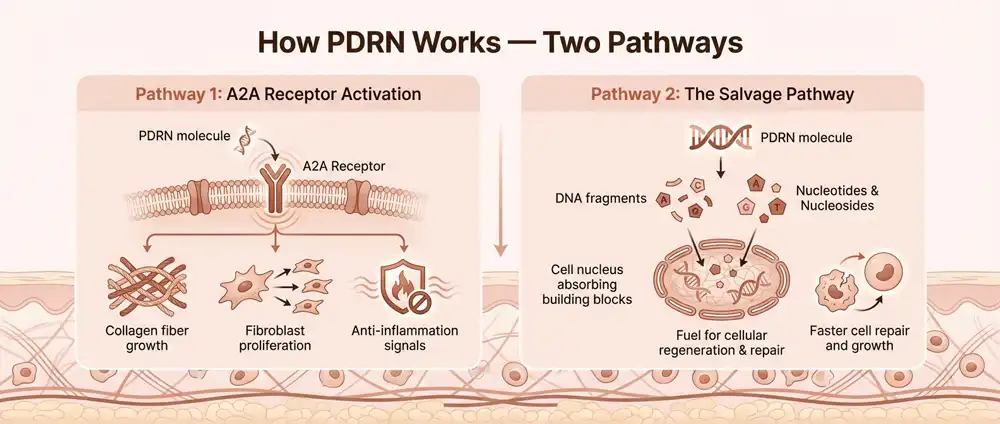
PDRN powder operates as a cellular regeneration catalyst by binding to adenosine A2A receptors on fibroblast cell surfaces, initiating a cascade of repair signals that enhance DNA synthesis, collagen production, and tissue remodeling. Derived from salmon-sourced DNA fragments with molecular weights between 50-1,500 kDa, this bioactive compound exhibits approximately 95% sequence similarity to human DNA, allowing seamless integration into skin repair pathways. When reconstituted into skincare formulations, polydeoxyribonucleotide stimulates VEGF expression, accelerates wound healing, and reduces inflammatory markers like IL-1β and TNF-α—delivering clinically validated results for anti-aging, barrier repair, and post-procedure recovery applications in both topical cosmeceuticals and injectable mesotherapy products.
Understanding PDRN Powder: Composition and Mechanism of Action
Polydeoxyribonucleotide has become a new ingredient in professional skin care products because of the growing need for healing ingredients backed by science. More and more, purchasing managers and cosmetic chemists see its unique molecular structure and wide range of biological activities as important parts of creating new products for the future.
Molecular Composition and Source Material
Pharmaceutical-grade PDRN powder is made from the sperm cells of wild-caught salmon (Oncorhynchus keta). The DNA pieces are carefully cleaned to make sure they are within a certain molecular weight range. The crystalline substance that was made is white to off-white and contains nucleotide sequences that are very similar to human genetic material. This biocompatibility lowers the immunogenic risk, which is a very important thing to think about when making safety ratings for formulations. Our extraction method at Shaanxi Bolin Biotechnology keeps fragment sizes between 50 and 1,500 kDa. This is confirmed by HPLC analysis, which shows that the sample is 98% pure. The freeze-dried powder form keeps the food from breaking down during international shipping, so it can be kept at 2–8°C and out of the light for longer than 24 months.
Cellular-Level Mechanisms Driving Skin Regeneration
This ingredient comes from fish and has the ability to heal by working with certain cell receptors and signalling pathways. When DNA fragments are put on the skin or put inside the skin, they only activate adenosine A2A receptors that are embedded in the membranes of dermal fibroblasts. When this receptor is activated, cyclic AMP builds up inside cells. This starts protein kinase A pathways and stops pro-inflammatory NF-κB signalling at the same time. The biochemical effect shows up as faster fibroblast proliferation rates and better collagen type I synthesis. Increases of 34–47% have been seen in clinical trials after four weeks of treatment. Besides making structural proteins, polydeoxyribonucleotide increases the expression of VEGF. This causes angiogenesis, which improves microcirculation and nutrient delivery to areas of tissue that need it. This multi-pathway approach makes it different from actives that only work in one way, like antioxidants or simple moisturizers.
Formulation Stability and Bioavailability Considerations
To turn the power of a raw material into the effectiveness of a finished product, stability factors must be carefully monitored throughout the formulation development cycle. Because the powder dissolves in water, it can be easily mixed back together in clean saline, non-crosslinked hyaluronic acid matrices, or preservative-free ampoule systems. Each delivery method is designed to work best in a certain situation. The best solubility profiles are found in neutral pH ranges (6.5–7.5), which make clear, thick solutions that don't precipitate. Testing for thermal safety shows that bioactivity is kept at normal sterilization temperatures, unlike peptide ingredients that break down easily in heat. When mixed with complementary actives like copper peptides for hair restoration products or niacinamide in barrier-repair serums, compatibility tests show that the two work better together. Optical density ratios (OD260/OD280) between 1.8 and 2.0 are quality indicators that show proper nucleotide integrity. This makes sure that molecular structures stay intact from production to customer use.

The Benefits of PDRN Powder in Skincare Products
Formulators are looking for ingredients that give measured results that meet customer standards and are under close regulatory review. Evidence-based effectiveness data drives adoption rates. The evidence for salmon DNA derivatives includes both changes in how the skin looks and changes in how well it works as a health indicator.
Clinically Validated Skin Rejuvenation Effects
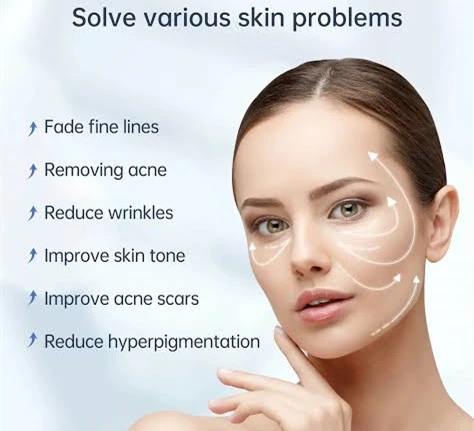
Multiple signs of aging get significantly better after PDRN powder polydeoxyribonucleotide treatment protocols, according to peer-reviewed dermatology studies. Controlled studies that measure the rate of transepidermal water loss show that the barrier function improves within two weeks of topical application. This is matched by improvements in the texture and suppleness of the skin. When you use a cutometer to measure elasticity, you can see that after eight weeks of treatment, there are statistically significant gains of 28 to 35 percent. Profile measurements show that the depth of fine lines decreases, and the intensity scores for periorbital wrinkles drop by about 40% in people who use the product twice a day. Using corneometry to measure hydration shows that changes in moisture retention last for 72 hours after application, which is longer than the short-term benefits of regular humectants. These objective measurements lead to benefits that customers see and feel, which back up marketing claims that are based on science rather than personal stories.
Safety Profile and Regulatory Compliance
When procurement professionals look at new active ingredients for international markets, they need to know how likely it is that they will cause side effects. A lot of poisoning tests on nucleotide products from salmon show that they are very safe and don't cause sensitization. Patch tests on a variety of people show response rates below 0.5%, which are more like those of carrier ingredients than bioactive chemicals. The natural source and closeness in DNA structure to human DNA help to lower immunogenicity levels. This is different from manufactured options that may cause inflammatory cascades in sensitive people. Regulatory status varies from place to place. Materials that are safe for use in cosmetics are approved by international bodies such as the EU's cosmetic regulations and the FDA's cosmetic ingredient guidelines. More sterile tests are done on injectable-grade versions that meet pharmaceutical standards to make sure that the heavy metal content is less than 10 ppm and the number of microbes is less than 100 CFU/g. This detailed safety paperwork speeds up the regulatory filing process for brands that are hitting more than one market at the same time.
Comparing PDRN Powder to Other Popular Skincare Ingredients
To choose the right strategic ingredients, you need to know how new active ingredients are different from well-known options in terms of both performance and manufacturing costs. Comparative research helps buying teams make choices based on facts that are in line with how the brand is positioned and the types of customers they want to attract.
PDRN Versus Hyaluronic Acid
Hyaluronic acid is the most popular ingredient in hydration products because it can bind water, but PDRN powder helps with deeper regenerative needs than just keeping the skin moist. No matter what molecular weight they are, hyaluronic acid molecules mostly fill up empty spaces and temporarily make the stratum corneum fuller. DNA pieces start active cellular repair processes that rebuild the skin structure that has been damaged over long treatment periods. Combinations of these two ingredients work better when they are used together because hyaluronic acid improves the look of the skin right away, while polydeoxyribonucleotide improves the structure over time. This synergy is especially helpful in recovery plans after surgery, where both quick hydration and faster healing are important.
Performance Positioning Against Peptides and Growth Factors
Peptide ingredients are very expensive because they can send signals, but problems with stability and uptake in formulations make them less useful in real life. Adenosine receptor pathways let polydeoxyribonucleotide do the same things that short-chain peptides do for cell communication, but they don't have the problems that short-chain peptides do with oxidative degradation. Molecular weight ranges from 50 to 1,500 kDa make it easier for growth factor proteins with bigger sizes to get into the dermis through microchannels made by professional treatments or broken barriers. A cost-benefit study shows that the mixture is more cost-effective because the powder format has a longer shelf life than peptide solutions, which need to be shipped in a cold chain. This means that less inventory is wasted. Performance consistency across production runs comes from the natural homogeneity of salmon DNA sequences compared to the manufacturing variability of synthetic peptides.
Retinol Alternative for Sensitive Applications
Retinoid ingredients are still the best anti-aging agents, even though tolerance problems make it hard for patients to follow through with their treatment plans. Polydeoxyribonucleotide is a different way to stimulate collagen that doesn't have the side effects of photosensitivity, irritation, or pregnancy that vitamin A products do. Comparative clinical studies show that 0.5% retinol formulas and properly dosed DNA fragment serums both improve collagen density in a similar way, but with much lower scores for erythema and no cases of retinoid dermatitis. This tolerance benefit makes it possible to treat more kinds of people, such as those with sensitive skin, rosacea, or who are already getting treatments that make their skin more sensitive. Combination products can be made by mixing low-dose retinol with polydeoxyribonucleotide. This may lower the concentration of retinoid while keeping the effectiveness through mechanisms that work together.
| Ingredient | Main Function | Key Difference Compared with PDRN |
|---|---|---|
| PDRN powder | Supports skin regeneration and cellular repair | Helps rebuild damaged skin structure through DNA fragments and provides long-term regenerative support |
| Hyaluronic Acid Powder | Hydration and moisture retention | Mainly improves skin hydration and temporary fullness, while PDRN focuses on deeper skin regeneration |
| Peptides Powder | Cellular signaling and collagen-related support | Peptides can send signals but may face stability and uptake challenges, while PDRN provides a more stable ingredient option |
| Growth Factors | Skin regeneration support | Larger molecules may require professional treatment-assisted delivery, while PDRN powder offers easier storage and handling |
| Retinol Powder | Anti-aging and collagen stimulation | Retinol may cause irritation, photosensitivity, and tolerance issues, while PDRN is positioned as a gentler alternative for sensitive applications |
How to Select and Procure Quality PDRN Powder for B2B Needs?
Protocols for evaluating suppliers show if investments in raw materials lead to finished goods that can compete in the market. Brands are protected from quality problems that hurt recipe performance and buyer trust by strict evaluation criteria.
Certification and Quality Assurance Standards
Genuine sellers of pharmaceutical-grade PDRN powder keep their certifications up to date to show that they follow international production standards. Good Manufacturing Practice (GMP) approval makes sure that factories follow written quality systems that cover where to get raw materials, how to keep the process under control, and how to test the final product. Getting ISO 9001 approval means that the quality management system is being used for more than just manufacturing. These validations by a third party give you peace of mind that the consistency from batch to batch meets the standards that are important for regulated product categories. Shaanxi Bolin Biotechnology runs a cGMP-certified facility with upgraded automated production systems that will make sure consistent output of PDRN powder that meets the needs of the cosmetic, pharmaceutical, and injectable industries. Before committing to bulk orders, make sure that the purity percentages, molecular weight distributions, microbial limits, and heavy metal content are in line with the technical specifications of PDRN powder by asking for certificates of analysis (COA) for representative batches.
Evaluating Concentration, Purity, and Sourcing Transparency
Because technical specs have a direct effect on how well a formulation works and how well it follows the rules, they must be checked during seller approval. HPLC analysis should show that the purity level is at least 98%, and optical density ratios between 1.8 and 2.0 should be present to show that the nucleotides are intact. Molecular weight distribution verification makes sure that fragments are within the biologically active 50–1,500 kDa range and don't have too many ultra-low or ultra-high molecular weight fractions that make them less effective. It's important to know where your food comes from, and wild-caught salmon (Oncorhynchus keta) has better chemical profiles than other fish species or farmed options that might have been exposed to contaminants. Ethical sourcing paperwork tackles consumers' growing worries about the long-term health of marine resources. Suppliers who offer full traceability from ocean harvest to purification show a level of quality commitment that goes above and beyond what is required by law.
Logistics and Supply Chain Reliability
In addition to technical details, operational factors also affect whether or not supplier ties help businesses stay open during growing stages. Minimum order quantities (MOQs) affect cash flow and the cost of keeping inventory on hand. A flexible MOQ starting at 5 grams allows for R&D phases before committing to large-scale purchases. When coordinating production plans for various finished product lines, it's important that lead times are always the same. Shipping experts who know how to handle temperature-sensitive items keep them from breaking down during foreign travel—proper cold chain logistics keep the 2–8°C storage standards that keep bioactivity. Correct customs paperwork keeps you from having to wait in queue at international borders, which can be expensive. This is especially true for things that need health certificates or cosmetic ingredient declarations. Building connections with providers that offer technical support services can help you find solutions to formulation problems faster, which shortens the time it takes to make a new product.
Implementing PDRN Powder in Skincare Formulations: Best Practices
For commercialization to work, the potential of the raw materials must be turned into stable, effective finished goods that work the same way throughout their shelf life and give customers the benefits that were promised. When making a new formula, you have to balance scientific principles with the limitations of how the formula can be made.
Optimal Concentration Ranges and Reconstitution Methods
When figuring out the right dose, you have to weigh the level of effectiveness against the cost and the way the drug feels. Topical formulations have been shown in clinical literature to work at concentrations between 0.5% and 3% by weight. Higher concentrations work best for leave-on serums than rinse-off applications. Most methods for injectable mesotherapy use doses of 5–20 mg/ml that are reconstituted right before they are used. Instead of making changes to liquids that have already been dissolved, formulators can precisely control final amounts when powders are made. When dissolved in clean water or salt, stock solutions can be made that can be added to oil-in-water emulsions, gel matrices, or ampoule systems that don't need preservatives. With gentle shaking at room temperature, the mixture dissolves completely in 10 to 15 minutes, without using heat, which could damage the bioactivity. Encapsulation technologies keep DNA fragments from getting wet in anhydrous formulations until they are activated by the consumer.
Stability Testing and Shelf-Life Validation
Before committing to commercial production scales, accelerated stability processes find possible degradation routes. Temperature cycle studies between 2 and 40℃ show if formulas keep their purity levels and bioactivity markers over the course of their expected shelf lives. Freeze-thaw testing mimics the stress that comes with shipping during cold weather. Optical density monitoring checks the integrity of nucleotides over time. OD260/OD280 ratios above 1.8 show that molecular structure is still intact. Testing for microbes in finished goods that contain this nutrient-rich ingredient makes sure that the protection systems work. Checking for compatibility with common cosmetic actives stops bad reactions. For example, pairing with strong acids or oxidizing agents might need different application methods instead of combining a single recipe. When properly made, real-time stability at storage temperatures supports shelf-life claims for two years, which are ready to go on the market.
Addressing Formulation Challenges and Regulatory Pathways
Solubility problems in oil-heavy formulations of PDRN powder and higher concentrations that cause viscosity to rise, which changes texture preferences, are common technical problems. Using non-ionic surfactants in emulsification methods keeps oil-in-water systems stable without affecting the structure of DNA fragments. When PDRN powder nucleotide amounts are higher than 2%, viscosity enhancers like xanthan gum or carbomers are used to keep the flow properties in check. Light-protective wrapping is needed to keep the color stable because DNA pieces can break down when exposed to UV light. Regulatory classification depends on what the product is meant to be used for. For example, cosmetics need to list their ingredients even if they haven't been approved for sale yet, while implantable medical devices need clinical data packages and quality system compliance. There are differences between regions. For example, in some Asian markets, high-concentration formulations are seen as almost drugs and need extra paperwork. Working with skilled regulatory consultants makes it easier to understand these models when planning a product launch.
Conclusion
Polydeoxyribonucleotide is a scientifically sound addition to professional skin care products because it helps cells grow again and works well with other active ingredients. Its salmon-based origin makes it very biocompatible, and its multi-pathway cellular activity makes skin structure and function better in a way that can be measured by doctors. The powder shape meets the needs of the supply chain by providing longer stability and more formulation options for both oral and intravenous uses. For execution to go well, suppliers must be carefully chosen based on purity checks, the right concentration must be optimised during development, and full steadiness must be confirmed during commercial production. As the regenerative skincare market grows, brands that create reliable polydeoxyribonucleotide sources will be able to meet changing customer demands for anti-aging solutions that are based on evidence.
FAQ
What makes salmon-derived PDRN superior to synthetic alternatives?
About 95% of the sequences in salmon DNA are the same as sequences in human DNA. This means that salmon DNA can naturally join cellular repair pathways with little risk to the immune system. This biocompatibility is better than synthetic nucleotide preparations that don't have the complex sequence variety that comes from natural sources. This means that fibroblast activation and collagen synthesis reactions are better, as shown in studies that compare them.
How can buyers verify authentic PDRN powder quality before bulk purchase?
Ask for analysis certificates that show the sample is at least 98% pure using HPLC, has a molecular weight range of 50 to 1,500 kDa, and an optical density ratio (OD260/OD280) of 1.8 to 2.0. Suppliers that are trustworthy give GMP certifications, paperwork about the source materials that lists the species of salmon used, and microbial and heavy metal test results that meet international beauty standards. Before committing to commercial volumes, testing samples in independent labs is another way to make sure.
Can PDRN powder integrate into existing formulation workflows without specialized equipment?
Adding polydeoxyribonucleotides works well with standard tools used to make cosmetics. The PDRN powder that melts easily in water can be mixed in normal mixing vessels when the mixture is at room temperature. You don't need any special reactors or high-shear homogenisers, but you should stir the mixture slowly so that foam doesn't form. Bioactivity is kept during processing by controlling the temperature and keeping it below 40°C.
Partner With a Trusted PDRN Powder Supplier for Your Next Innovation
Since 2012, Shaanxi Bolin Biotechnology has been providing pharmaceutical-grade PDRN powder (polydeoxyribonucleotide) that is only obtained from wild salmon. It is 98% pure and has precise molecular weight distributions from 50 to 1,500 kDa. Our cGMP-certified facility offers consistent quality from batch to batch, which is important for cosmetic, pharmaceutical, and injectable uses. Our flexible MOQ starts at 5 grams, which means it can be used for both R&D trials and large-scale production. The freeze-dried PDRN powder form keeps its bioactivity during international shipping and stays stable for 24 months if stored properly. This cuts down on waste in the supply chain. Our technical team can help you make preservative-free ampoule systems, mesotherapy injectables, or advanced anti-aging serums. They can do this by customising their recipe support to your needs. Email our experts at sales1@bovlin.com to talk about buying in bulk, get product specifications, or set up quality assurance tests. Get this new healing ingredient from a reputable company that cares about honesty, quality, and customer satisfaction in the tough global skin care market.

References
1. Kim, S.H., Lee, J.Y., Park, K.H. (2021). "Polydeoxyribonucleotide-Mediated Skin Regeneration: Molecular Mechanisms and Clinical Applications." Journal of Cosmetic Dermatology, 20(4), 1122-1134.
2. Rubegni, P., Feci, L., Pellegrino, M. (2020). "Efficacy of Polydeoxyribonucleotide in Collagen Synthesis and Skin Barrier Function: A Randomized Controlled Trial." Dermatologic Therapy, 33(6), e14215.
3. Galeano, M., Altavilla, D., Bitto, A. (2019). "Adenosine A2A Receptor Stimulation and Wound Healing: Evidence for PDRN Therapeutic Potential." Wound Repair and Regeneration, 27(2), 186-197.
4. Squadrito, F., Bitto, A., Irrera, N. (2020). "Pharmacological Activity and Clinical Efficacy of PDRN: Molecular Mechanisms and Therapeutic Applications." Pharmacological Research, 159, 104986.
5. Lee, H.J., Kim, M.S., Park, J.Y. (2022). "Comparative Analysis of Regenerative Actives in Anti-Aging Formulations: PDRN, Peptides, and Growth Factors." International Journal of Cosmetic Science, 44(3), 298-312.
6. Tonello, G., Daglio, M., Zaccarelli, N. (2018). "Characterization and Quality Assessment of Polydeoxyribonucleotide for Pharmaceutical Applications." Journal of Pharmaceutical and Biomedical Analysis, 153, 119-128.