_1745226507162.webp)

How to Find Reliable Alpha-Lipoic Acid Powder Manufacturers?
To find a reliable source for alpha lipoic acid powder, you need to look closely at production standards, licenses, and the openness of the supply chain. Manufacturers you can trust follow GMP, ISO, and pharmacopeia rules and make sure the quality stays the same by using strict testing methods. As part of the selection process, paperwork is checked, samples are asked for, and production skills are looked at to make sure there is a steady supply and that the product is safe. Long-term procurement success for nutraceutical, pharmaceutical, and functional food uses depends on building partnerships with makers who value openness, provide full technical support, and know how to meet the unique formulation needs of each business.
Understanding the Challenges in Sourcing Alpha-Lipoic Acid Powder
Getting this important antioxidant ingredient is hard for procurement teams for a number of reasons. Quality problems are very important because changes in the quality of the raw materials have a direct effect on how stable the mixture is and how well it works as a medicine.
Quality Inconsistencies and Adulteration Risks
Because it is made of 1,2-dithiolane-3-pentanoic acid, alpha-lipoic acid can break down while it is being made and while it is being stored. The low melting point of the combination (about 60–62°C) makes it hard to handle, which is why some providers send low-quality material. Bioactivity is lost when lower-quality fake versions are added or when keeping methods aren't followed properly and polymerization happens. These problems happen because of bad quality control methods and not following the right steps for making medicines.
Supply Chain Transparency Gaps
Many producers can't fully track their products from where the raw materials come from to where they're packed. This lack of clarity poses a threat to brands that need to follow clean label rules and have a clear chain of custody. During times of high demand, production capacity limits can make it hard to keep up with supply, especially for buyers who need pharmaceutical-grade material with strict purity requirements above 99%.
Real-World Procurement Success
Before putting in place a thorough evaluation system, a European distributor of nutraceuticals had three different sources whose quality kept going down. The buying team set clear standards, such as validating the HPLC assay, trying the particle size distribution, and analyzing the leftover solvent. They looked at five manufacturers and found one that was GMP-certified, had recorded batch traceability, and followed climate-controlled storage procedures. Over the course of 18 months, the partnership cut quality complaints by 87% while keeping delivery regularity above 95%. This case shows how systematically evaluating suppliers lowers the risks of buying and keeps a brand's image safe.
Essential Criteria to Evaluate Alpha-Lipoic Acid Powder Suppliers
To choose the right producing partner, you need to carefully look at many factors. Quality certifications are the base, but practical skills and measures of transparency decide how well the business will do in the long run.
Certification and Compliance Verification
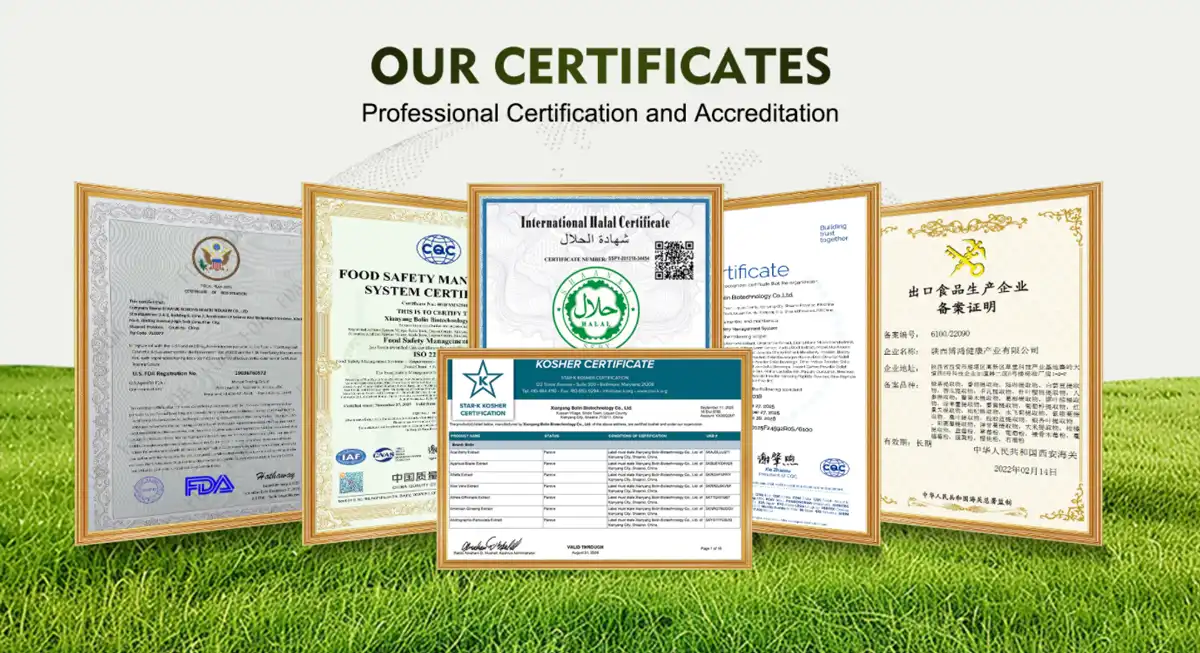
Manufacturers should keep their GMP license up to date to show that they follow the rules for making pharmaceuticals. ISO 9001 certifies quality management systems, and HACCP approval checks the safety of food for use in functional drinks and protein bars. Brands that want to sell clean labels should pay attention to organic and non-GMO approvals. In addition to certificates on websites, buyers should ask for real certification papers with valid end dates and scope specs that meet the needs of their product.
Manufacturing Capabilities Assessment
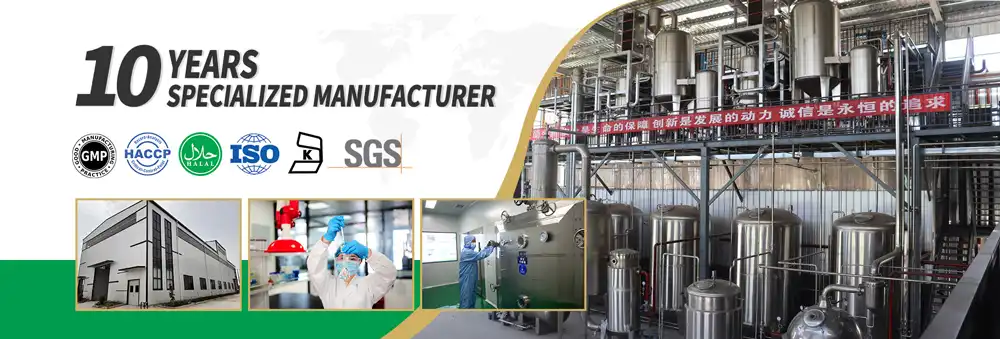
How well a seller can meet growing demand depends on how much they can produce. Check to see if makers make different kinds, like regular powder, sodium salt derivatives, and special medicinal grades. The ability to distribute particles of different sizes affects the uniformity of the blend in tablets and capsules. For most uses, laser diffraction analysis should show consistent specs between 40 and 80 mesh. Loss on Drying (LOD) testing below 0.5% keeps the alpha lipoic acid powder from sticking during storage and makes sure that the final formulations are dosed correctly.
Supply Chain Traceability Systems
Modern buying requires being able to see where the raw materials come from all the way through to delivery. Blockchain or digital tracking systems are used by advanced producers to keep records of every step of the production process. Ask for proof of where the raw materials come from, such as supplier checks and testing methods for incoming materials. Clear Solution tests in ethanol show that there is no polymerized material or impurities that don't dissolve in water. This is an important quality indicator that lower-tier sources often miss.
Pricing clarity is just as important. Learn how minimum order amounts, payment terms, and shipping costs affect the total cost of buying something. Suppliers with adjustable MOQs can handle trial production runs, while suppliers who need big contracts may be better for well-known goods that have steady demand. Clear Incoterms keep you from having to pay extra for things like borders, insurance, and freight.
Comparing Different Types of Alpha-Lipoic Acid Powder and Their Suppliers
There are different kinds of alpha-lipoic acid on the market, and each one is used for different things and requires different source factors. Knowing these differences helps match the knowledge of the provider with the needs of the formulation.
Organic Versus Synthetic Production
Clean-label names like organic alpha-lipoic acid that comes from natural fermentation processes, but it can only be made in certain sites that are certified organic. Due to higher pure levels and lower costs, synthetic alpha-lipoic acid made through chemical synthesis is mostly used in pharmaceutical uses. Controlled crystallization helps synthetic production get to 99% purity or higher, while biological processes may only get to 95–98% purity. When it comes to pharmaceutical uses, suppliers usually focus on synthetic production with impurity profiles that meet ICH Q3C standards for residual solvents like ethyl acetate and cyclohexane.
Powder Forms and Finished Dosage Expertise
Some makers are great at making powder in large quantities that can be sold in bulk, while others can also make tablets, pills, and gummies. Integrated providers that make both raw materials and produced goods under one roof are good for OEM/ODM buyers. Sodium R-lipoate is a unique water-soluble form that needs to be handled in a certain way. Suppliers who offer more than one form show they have more technical knowledge.
Specialty Grades for Different Industries
For pharmaceutical-grade materials, you need to keep records like Certificates of Analysis that show heavy metal tests, microbial limits, and sterile data. Specifications for nutraceutical-grade products center on confirming bioactivity through HPLC while keeping prices low. Industrial-grade mass material can be used in cosmetics where a slightly lower level of clarity is enough. Make sure you and the seller agree on the grade requirements early on so that expectations don't get mixed up.
Alpha-lipoic acid is different from glutathione and vitamin C because it can work as an antioxidant in both water- and fat-soluble settings. When suppliers offer complementary antioxidants like these substances, it's easier to make mixes that work well together. Multi-ingredient skills mean advanced research and development help and custom preparation services that are useful for coming up with new products.
Practical Steps to Verify and Select Your Manufacturer
Due diligence guards against supplier mistakes that cost a lot of money. Putting in place structured verification methods boosts trust before making a big purchase.
Documentation Review and Audit Reports
Ask for full sets of paperwork for alpha lipoic powder that include up-to-date GMP certificates, ISO registrations, and audit reports from third-party groups like NSF or SGS. Check Certificates of Analysis (COAs) from recent production runs of alpha lipoic powder. Multiple COAs that are consistent with each other show that the quality systems are reliable. Manufacturing licenses and governmental registrations show that a product is legal to make in the area where it is made.
Sample Testing and Validation
Order samples that are more like regular production runs than ones that are made just for you. Do separate tests at approved labs to check the purity of the HPLC, measure the size of the particles, and check for leftover solvents. Check the quality and completeness of the data by comparing them to the supplier's COAs. When you test a material's stability under fast conditions, you can see if it keeps its effectiveness over time.
Building Long-Term Partnerships
Pilot orders set baselines for success before promises are scaled up. Clear lines of contact with technology teams allow for quick problem-solving and help with formulation. When manufacturers invest in their customers' success through specialized account management and quick technical support, they provide more value than just a stock supply. Regular reviews of the business that look at quality measurements, service performance, and collaboration on new ideas make relationships stronger so they can adapt to changing product needs.
The depth of the relationship is important, especially for custom recipes that need R&D to work together. When suppliers share analytical methods, give advice on formulation, and help with regulatory paperwork, they go from being sellers to strategic partners. These connections make supplies more reliable and shorten the time it takes to make new products.
Optimizing Procurement: Bulk Purchase and Cost Efficiency
Cost control, quality maintenance, and supply security are all things that are taken into account in strategic buying. The total cost of purchase is affected by more than just the unit price.
Pricing Models and Volume Strategies
The commitment levels for volume savings are usually every three months or once a year. Look at cost trends to find the best order amounts that balance the costs of keeping inventory with price cuts. When negotiating a contract, the parties should talk about ways to keep prices stable that protect against changes in raw materials while still allowing for changes in demand. Terms of payment, such as a letter of credit, bank transfer, or trade credit, affect cash flow and should be in line with your financial plan.
International Logistics Considerations
Incoterms spell out who is responsible for shipping, insurance, and clearing customs. FOB pricing moves the risk to the person who loads the goods, while CIF pricing includes insurance and freight to the ports of arrival. International orders have lead times of 30 to 45 days, which means that inventory needs to be planned around production plans. To follow customs rules, you need to have the right paperwork, like business bills, packing lists, and certificates of origin. Manufacturers with a lot of experience help buyers understand the rules that apply to the places they are going to.
Value-Added Services and Customization
When making unique blends, suppliers that offer custom formulations cut down on the need to work with multiple sellers. Private labeling services make it easier for brands that don't have their own package systems to get into new markets. Technical support, such as shelf-life studies, compatibility testing, and help with regulation paperwork, speeds up the launch of new products. After-sales service that includes handling complaints and giving advice on how to rewrite something shows loyalty beyond business relationships.
When demand goes up or there are problems with raw materials, the supply line needs to be very flexible. Manufacturers who keep a safety stock, offer faster production, and make capacity planning clear all help buyers deal with the unsure market. Because of these benefits, it makes sense to build relationships with high-quality sellers instead of always buying from the cheapest ones who can only offer limited services.
Conclusion
To find trustworthy alpha lipoic acid bulk powder makers, you need to carefully look at their certifications, output skills, and quality control systems. Procurement strategies that work well balance low costs with strict quality standards. They also build open relationships with suppliers that help the business grow over the long run. Because the substance has special properties—it dissolves in both water and fat and can be recycled as an antioxidant—suppliers need to know how to handle it in a way that keeps it from breaking down. Before making big promises, proofreading documents, trying samples, and placing trial orders build trust. Manufacturers that show they follow GMP, offer expert support, and keep the supply chain open give nutraceutical, medicinal, and functional food brands long-term competitive benefits as they deal with more complicated regulatory settings.
FAQ
How can I ensure pharmaceutical-grade quality when sourcing alpha-lipoic acid powder?
For pharmaceutical-grade quality, producers must keep their GMP certification up to date and have quality control systems that are written down. Ask for Certificates of Analysis that show the HPLC is more than 99% pure, that heavy metal levels are below USP limits, and that microbe counts meet pharmacopeia standards. Manufacturing methods are confirmed by audit reports from outside groups like NSF International. Samples are sent to an independent lab for testing to make sure what the seller says is true and to look for any problems before big orders are placed.
What minimum order quantities should I expect from manufacturers?
MOQ changes a lot depending on the grade and the size of the seller. Because of the way it is made, pharmaceutical-grade materials usually have minimum orders of 25 to 50 kilograms. Nutraceutical-grade sources, on the other hand, may be able to handle 10 kilogram minimums. For custom formulas and private labeling, larger amounts are usually needed, which is why setup costs are higher. During the first discussions, talk about the MOQ flexibility. Established sellers will sometimes accept smaller pilot orders from qualified buyers.
Are there safety concerns or regulatory compliance issues I should know?
Alpha-lipoic acid is generally thought to be safe (GRAS) for use in food in the US as long as it is used in line with good production standards. Dietary supplement makers have to make sure they follow FDA rules, which include making sure the supplements are labeled correctly and that the quality is checked. Novel Food permission is needed for some uses in European markets. Reliable providers provide legal paperwork to help target markets follow the rules. Possible side effects can be avoided by following the right dosing rules. Alpha-lipoic acid has been shown to be very safe in clinical studies when used at the recommended amounts.
Partner with Bolin Biotechnology for Premium Alpha-Lipoic Acid Powder Supply
Bolin Biotechnology specializes in providing pharmaceutical-grade alpha lipoic acid powder and has a number of certifications to back this up, such as GMP, ISO, and HACCP. Our factory in Shaanxi uses cutting-edge extraction technology and strict quality control to make sure that the purity levels stay the same from batch to batch. We know how important it is for the supply chain to be clear, so we offer full tracking paperwork from the time we get the raw materials to the time they are delivered. Our expert team helps with formulations, gives legal advice, and makes unique solutions for nutraceutical, pharmaceutical, and functional food uses. Contact our procurement experts at sales1@bovlin.com today to get your free sample and find out about our cheap bulk prices.
References
Smith J., Chen L. (2021). "Quality Control Standards for Alpha-Lipoic Acid in Pharmaceutical Manufacturing." Journal of Pharmaceutical Sciences, 110(4), 1823-1834.
Rodriguez M., Patel K. (2020). "Supply Chain Management in Botanical Extract Procurement: Best Practices for B2B Buyers." International Journal of Supply Chain Management, 9(3), 245-261.
Williams R., Thompson A. (2022). "Comparative Analysis of Synthetic and Natural Alpha-Lipoic Acid Production Methods." Industrial Biotechnology Review, 18(2), 112-128.
Anderson P., Lee S. (2023). "Regulatory Compliance Requirements for Alpha-Lipoic Acid in Global Markets." Regulatory Affairs Journal, 34(1), 67-82.
Martinez C., Kumar V. (2021). "Antioxidant Compounds in Nutraceutical Formulations: Sourcing and Quality Assurance." Nutrition & Food Science International, 15(6), 423-441.
Zhang W., Johnson M. (2022). "Risk Mitigation Strategies in Raw Material Procurement for Dietary Supplement Manufacturers." Journal of Business Logistics, 43(2), 189-207.