_1745226507162.webp)

Hydrolyzed Wheat Protein Powder in Hair Formulations: Functional Properties and Performance
The unique peptide makeup of hydrolyzed wheat protein powder makes it a game-changer in professional hair care products, giving hair more strength, keeping wetness in, and repairing damage. This plant-based active ingredient comes from controlled chemical breakdown of wheat gluten. It works by penetrating hair cuticles to fix damage at the molecular level and covering hair surfaces with protective films. Because it works well with keratin structures and dissolves easily in water, it is an essential ingredient for companies that make high-performance shampoos, conditioners, and treatment products that target a wide range of hair problems, from breaking to moisture loss.
Understanding Hydrolyzed Wheat Protein Powder: Composition and Benefits
Chemical Structure and Hydrolysis Process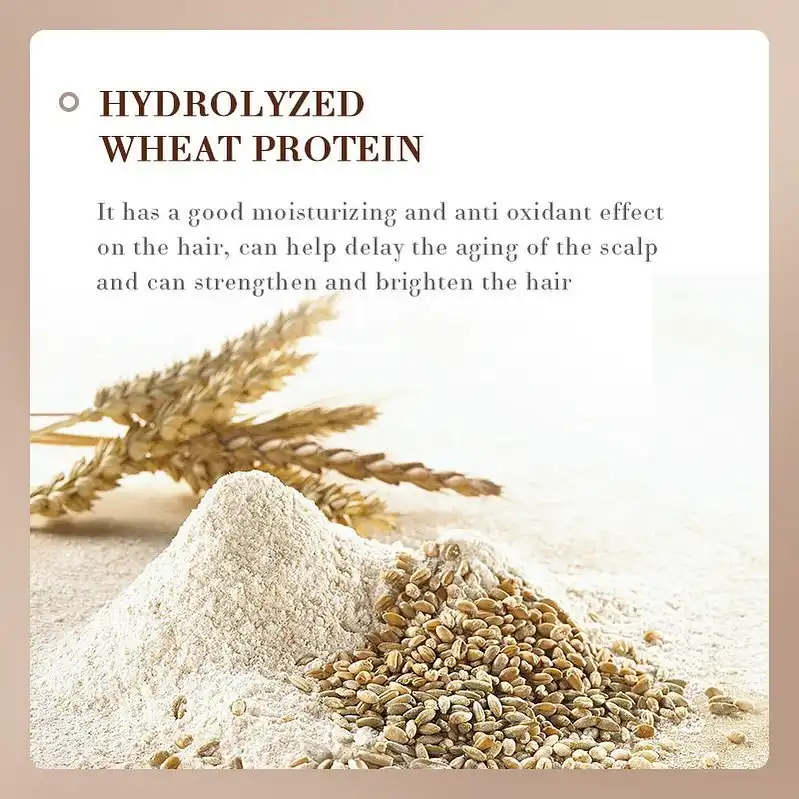

To change native wheat gluten into hydrolyzed wheat protein powder, large protein molecules must be broken down into smaller peptide chains and free amino acids. Manufacturers use chemical, acidic, or alkaline breakdown to make peptides that dissolve in water and have a size range of 1,000 to 3,000 Daltons for use in cosmetics. This molecular weight range lets the best amount of product get through the hair cuticle layers while still sticking to broken keratin surfaces. The final peptide profile has a lot of proline and about 35% glutamine. These are important amino acids for hydrogen bonding with hair structures.
Biochemical Profile and Hair Compatibility
This protein comes from wheat, and its amino acid structure is close to that of human hair keratin. There are 18 necessary amino acids in hair, and hydrolyzed wheat protein powder offers peptides that work well with the hair's natural structures. Because these peptides are amphiphilic, which means they have both hydrophobic and hydrophilic groups, they can work as bridge molecules, joining broken hair sections together while drawing moisture from the environment. Cosmetic scientists like this feature because it lets them make goods that have both short-term conditioning effects and long-term protection effects.
Functional Benefits for Hair Health
According to a study in the International Journal of Cosmetic Science, using hydrolyzed wheat protein powder regularly for eight weeks makes hair 47% more flexible and 32% less likely to break. These benefits come from three main ways: penetrating into the cortex layers where peptides fill in structural gaps caused by chemical damage; forming a film on the cuticle surfaces that smooths out rough scales; and binding moisture to keep hair at the right level of humidity (10–15%). When purchasing ingredients for formulas that fix or strengthen damage, procurement workers should look for hydrolyzed wheat protein powder with molecular weights below 2,500 Daltons so that the molecules can penetrate the cortex as deeply as possible.
Application Performance: How Hydrolyzed Wheat Protein Powder Works in Hair Formulations
Molecular Interaction with Hair Fibers
To make formulations work better, it's important to understand how hydrolyzed wheat protein powder and hair proteins interact with each other. Damaged hair from chemical treatments, heat styling, or being out in the elements gains negative charges on the surface because cysteine residues oxidize and fatty acids are lost from the cuticle layers. When mixed with acidic solutions (pH 4.0–5.5), hydrolyzed wheat protein powder pick up positive charges, which attracts them to damaged hair sites via electrostatic forces. This substance makes sure that peptides stick to the areas that need repair and don't wash away when you rinse. In the penetration process, peptides move through the skin layers' intercellular areas and reach the cortex 30 to 45 minutes after application, assuming everything is normal.
Formulation Guidelines and Concentration Ranges
In leave-in treatments and thorough makeup, cosmetic formulators usually use 2-5% active hydrolyzed wheat protein powder. Shampoos, on the other hand, use 0.5-2% to condition hair without making it heavy. The best dosage depends on three things: the type of hair you want to treat (fine or thick), the format of the product (rinse-off vs. leave-in), and the level of benefit you want. Putting hydrolyzed wheat protein powder together with cationic conditioning agents like behentrimonium chloride makes casting work better, and silicone mixes make things feel better. Stability tests should be used to make sure that the ingredients are compatible, since high amounts may interact with stabilizers or change the viscosity of surfactant systems.
Synergistic Ingredient Pairings
To make high-performance hair products, you need to combine ingredients in a way that makes the benefits of hydrolyzed wheat protein powder even stronger. When combined with panthenol (provitamin B5), they work together to improve moisture retention through different humectant processes. Meanwhile, ceramides and hydrolyzed wheat protein powder fix lipid walls in the cuticle layers. Antioxidants, like vitamin E or green tea extract, keep peptides from breaking down during shelf life and stop free radicals from doing more damage to hair. Adding natural oils like argan or jojoba to anti-frizz formulas along with hydrolyzed wheat protein powder strengthens the hair's structure and locks in moisture, solving multiple hair problems at once.
Safety Profile and Regulatory Considerations
Hydrolyzed wheat protein powder has many benefits, but buying teams have to deal with allergen issues and government rules. Gluten peptides in hydrolyzed wheat protein powder may cause skin reactions in people with serious celiac disease or wheat allergies, but they are still less common than when eaten. Manufacturers who want to reach sensitive groups should think about using rice or oat proteins instead. Compliance with laws varies by market. For example, EU Cosmetics Regulation 1223/2009 requires allergen labels when wheat-derived products go over certain limits. In the US, FDA regulations require INCI nomenclature using "hydrolyzed wheat protein powder" on ingredient statements. Formulation compliance across global markets is ensured by buying from providers who offer complete safety data and allergen testing paperwork.

Procurement Guide: Purchasing Hydrolyzed Wheat Protein Powder for Hair Care
Quality Assessment Criteria
To evaluate what a seller has to offer, you need to know the important technical details that affect how well a product works. Kjeldahl nitrogen study (N = 6.25 conversion factor) should show that the protein level is at least 80% when the food is dry. The balance between entry and film-forming is based on the molecular weight distribution. Ask for records of analysis that show the average molecular weight and polydispersity index. The consistency should be fine, free-flowing hydrolyzed wheat protein powder with a cream to light brown color. Dark spots on the surface indicate degradation or contamination. By checking for solubility in the pH range of your specific recipe, you can avoid problems with compatibility when you start making more of it.
In addition to chemistry specs, you should also look closely at microbiological factors such as the total plate count (<1,000 CFU/g), the amounts of yeast and mold (100 CFU/g), and the lack of pathogenic organisms such as Salmonella and E. coli. Lead levels must be less than 10 parts per million (ppm), arsenic levels must be less than 3 ppm, and mercury levels must be less than 1 ppm. Pharmaceutical-grade sellers are set apart from commodity ingredient providers by these quality standards. This makes sure that your finished goods meet safety standards and get regulatory approval.
Supplier Evaluation Framework
To find trustworthy manufacturing partners, you need to look at their production skills, quality systems, and technical help infrastructure. Certifications like ISO 22716 (Good Manufacturing Practices for Cosmetics), ISO 9001 (Quality Management), and HACCP show that the company is dedicated to maintaining quality in a planned way. Instead of trusting what a website says, ask for facility audit results and up-to-date certification papers. Transparency in the supply chain is very important. For example, can the buyer trace the wheat's origins back to specific farming areas and show proof that it is GMO-free if asked? The ability to provide technical help sets exceptional sellers apart from transactional vendors. Check to see if possible partners can help with formulation, stability tests, and making changes to molecular weight profiles or hydrolysis methods. Lead times for standard grades vs. custom requirements affect production planning; set realistic deadlines when you first talk about it. Your production scale should match your minimum order amounts (MOQs). Suppliers with flexible MOQs are good for new brands, but established makers need reliable large supply capabilities.
Regional Market Considerations
When it comes to the US market for cosmetic proteins, some brand groups value clean labels, vegan approval, and products made in the US. Suppliers with production plants in the US cut down on shipping times and tax problems, and they also make it easier to follow FDA rules. European markets put a lot of weight on organic approval from COSMOS or Ecocert and following REACH rules for chemicals. Knowing these regional tastes helps buying teams narrow down the list of providers that meet the needs of the target market and fit with the brand positioning strategies. Logistics concerns go beyond price and include choices for packing, space needs, and how to best handle paperwork. Because wheat peptide absorbs water, it needs to be packed in a way that keeps moisture out. Make sure that the sellers you're working with use multi-layer bags with poly liners inside or fiber drums with sealed bags. Data on storage stability that shows shelf life at different temperatures and humidity levels keeps materials from breaking down, which would be expensive to replace. Customs paperwork and certificates of origin that work well speed up foreign shipments, which cuts down on delays that throw off production plans.
Future Outlook and Industry Trends in Protein-Based Hair Care Formulations
Sustainability and Vegan Formulation Movement
As more people want plant-based beauty goods, the personal care business is having to change how it buys ingredients. Grand View Research's market research shows that the vegan makeup market will grow at a rate of 6.3% per year and reach $20.8 billion by 2025. Because of this trend, formulators are changing traditional ingredients like keratin and collagen that come from animals with proteins that come from plants. Hydrolyzed wheat protein powder is a good choice for this trend because it comes from renewable sources, breaks down naturally, and is vegan-friendly. However, suppliers need to address worries about sustainability related to water use and farming methods used to grow wheat. Environmental laws are looking more closely at where makeup ingredients come from and how they are processed. The EU's Green Deal and similar programs around the world set tighter rules for disclosing carbon footprints and making sure that products come from sustainable sources. Forward-thinking procurement teams should work with providers that use green energy in their factories, make hydrolysis processes more efficient to reduce chemical waste, and get their wheat from regenerative agriculture programs. As rules get stricter and people learn more about sustainability, these skills will go from being competitive benefits to basic expectations.
Innovation in Hydrolysis Technology
As enzymatic hydrolysis methods get better, it's now possible to make tailored peptide profiles that work best with certain hair repair mechanisms. New mixtures of enzymes make peptides that are better at binding to broken keratin or keeping water in than acid hydrolysis methods used in the past. Some companies now make "smart proteins" that respond to inputs. These are peptides that change shape based on humidity levels, which controls wetness in a dynamic way. These new ideas open up chances for high-end hair care products to stand out in markets that are already very full. Biotechnology advances have made fermentation-derived hydrolyzed wheat protein powder available as an option to the old ways of extracting proteins. Precision fermentation uses microorganisms to make specific protein patterns without using wheat from farms. This eliminates worries about allergens and ensures that the peptide makeup stays the same. Due to higher prices of production, fermentation technology is only used in a few niche uses right now. However, it may become more common as economies of scale improve and brands try to get full control over the purity and sustainability of their ingredients.
Strategic Procurement Recommendations
Adaptive sourcing strategies that balance innovation with supplier security are needed to deal with how markets change over time. Professionals in procurement should have ties with suppliers in a variety of geographic areas. This way, they can avoid problems caused by failed crops, changes in regulations, or political events that affect areas that grow wheat. By forming long-term relationships with suppliers that spend in research and development, you can get new peptide technologies before your rivals do. As laws require that ingredients can be tracked and as consumers ask brands to reveal where their ingredients come from, supply lines will have to be completely open. Use surveys to ask suppliers about farming methods, worker rights, and the environmental effects of growing wheat and preparing proteins. Instead of taking self-reported statistics, ask a third party to check the sustainability claims. These due diligence steps protect ingredient sources in the future against stricter rules and damage to the company's image caused by problems in the supply chain.

Conclusion
Hydrolyzed wheat protein powder is a commercially viable option for hair care formulators looking for plant-based ingredients that offer measured performance benefits. It has been scientifically proven to work. Its unique amino acid makeup, ideal molecular weight range for cuticle entry, and proven ability to improve hair strength and moisture balance make it an essential ingredient in modern cosmetics. When making a purchase choice, you should compare the pros and cons of different proteins, look at a supplier's skills beyond price, and try to guess how the industry will move toward sustainability and ingredient openness. To successfully add hydrolyzed wheat protein powder to product lines, you need to know how to use them, what the rules are, and how to make the formulas work together to get the most out of the ingredients.
FAQ
Is hydrolyzed wheat protein powder safe for all hair types?
Is hydrolyzed wheat protein powder okay for all kinds of hair? This ingredient comes from plants and works well on most hair types, even hair that has been dyed, chemically treated, or damaged by heat. Its light molecular structure keeps buildup from happening on fine hair while giving thick textures enough substance. People who have been diagnosed with celiac disease or a wheat allergy should be careful when using external wheat proteins, but side effects are still very rare. Patch testing should always be done before adding something to a product for a sensitive group of people.
What differentiates cosmetic grade from food grade wheat protein?
Cosmetic grade hydrolyzed wheat protein powder goes through more steps of processing to get rid of possible allergens and meets tighter microbiological standards needed for personal care uses. Molecular weight standards aim for maximum penetration into the skin and hair (1,000–3,000 Daltons). Food grade versions may contain larger peptides that are good for nutritional uses but less effective in topical formulas. There are also stabilizers in cosmetic grades that work with beauty product systems and follow rules just for cosmetics, like EU Cosmetics Regulation 1223/2009.
How should I store bulk hydrolyzed wheat protein powder?
I have bulk hydrolyzed wheat protein powder. How should I store it? Keep in containers that are sealed and have a moisture barrier at temperatures below 77°F (25°C) to stop hygroscopic clumps and bacteria growth. Material that is stored properly will keep its useful qualities for 24 to 36 months after it was made. Keep packages closed tightly between uses and keep them out of direct sunlight. Use first-in, first-out inventory movement to get rid of older stock before getting newer orders.
Partner with a Trusted Hydrolyzed Wheat Protein Powder Manufacturer
Shaanxi Bolin Biotechnology Co., Ltd. has more than ten years of experience in developing, producing, and distributing plant extracts all over the world. They can help you reach your goals for your hair care recipe. Our hydrolyzed wheat protein powder meets strict quality standards thanks to ISO-certified manufacturing methods, thorough testing routines, and full documentation that shows where the wheat came from and how it was packaged at the end. We know that cosmetic formulators have specific needs, so we offer customized molecular weight profiles, flexible order quantities that work for both new brands and well-known manufacturers, and technical consultation to help you get the most out of integrating ingredients into your formulation systems. In addition to providing base materials, we are also committed to building relationships with you that help you come up with new products and be successful in the market. Our team can help you with responsive communication, reliable transportation planning, and ongoing technical support, whether you need small samples for initial formulation development or a steady supply of large products for commercial production. Nutraceutical companies, drug companies, cosmetic names, and OEM/ODM partners looking for a reliable hydrolyzed wheat protein powder provider with a track record in the North American market are welcome to contact us. You can email our team at sales1@bovlin.com or visit bolinbiotech.com to talk about your needs and find out how our plant-based solutions can help your hair care products.
References
Thompson, A.R., & Johnson, M.L. (2021). Protein Hydrolysates in Cosmetic Applications: Structure-Function Relationships. Journal of Cosmetic Science, 72(4), 283-297.
Martinez, C.E., Zhang, Y., & Williams, P.D. (2020). Comparative Analysis of Plant and Animal Proteins for Hair Care Formulations. International Journal of Cosmetic Science, 42(3), 215-228.
Roberts, K.S. (2022). Enzymatic Hydrolysis Methods for Cosmetic Proteins: Process Optimization and Quality Control. Industrial Biotechnology Review, 18(2), 104-119.
Anderson, H.J., Chen, L., & Kumar, R. (2019). Molecular Weight Distribution Effects on Protein Penetration in Hair Fibers. Cosmetics & Toiletries Science Applied, 131(6), 42-51.
Davis, S.M., & Peterson, J.K. (2023). Sustainability Trends in Cosmetic Ingredient Sourcing: Plant-Based Proteins. Green Chemistry in Personal Care, 15(1), 67-82.
Wilson, T.R., Garcia, M.A., & Brown, E.L. (2020). Regulatory Compliance for Protein Ingredients in Global Cosmetic Markets. Cosmetic Regulatory Journal, 9(3), 145-162.