_1745226507162.webp)

Liposomal Apigenin vs Apigenin Powder: Which Is Better for Formulation?
The objectives of the finished product determine which type of apigenin may provide superior outcomes, according to formulators. The active flavonoid is encapsulated in phospholipid vesicles by liposomal apigenin, which may enhance its oral absorption and water dispersibility. In comparison, standard apigenin powder has a relatively low water solubility of around 1.35 µg/mL and is categorised as a BCS Class II molecule. The distribution method may be just as crucial as the active ingredient in formulations intended for anti-aging, sleep support, or cognitive health.
Understanding Apigenin and Its Formulations
Flavonoids like apigenin (4',5,7-trihydroxyflavone) are found naturally in plants such as celery, parsley, and chamomile blooms. Preclinical studies have examined the potential neuroprotective, anti-inflammatory, antioxidant, and anxiety-related advantages of apigenin. As interest in plant-based bioactive chemicals increases, apigenin is increasingly seen in functional nutrition and dietary supplement formulations.
What Is Standard Apigenin Powder?
Apigenin may be simply utilised in pills and capsules after being extracted from plant sources and ground into a powder. Additionally, it is rather inexpensive to formulate. Nevertheless, apigenin has low water dispersibility since it is hydrophobic. Digestion may also have an impact on a sizable percentage before the body can absorb it.
How Liposomal Encapsulation Changes the Picture
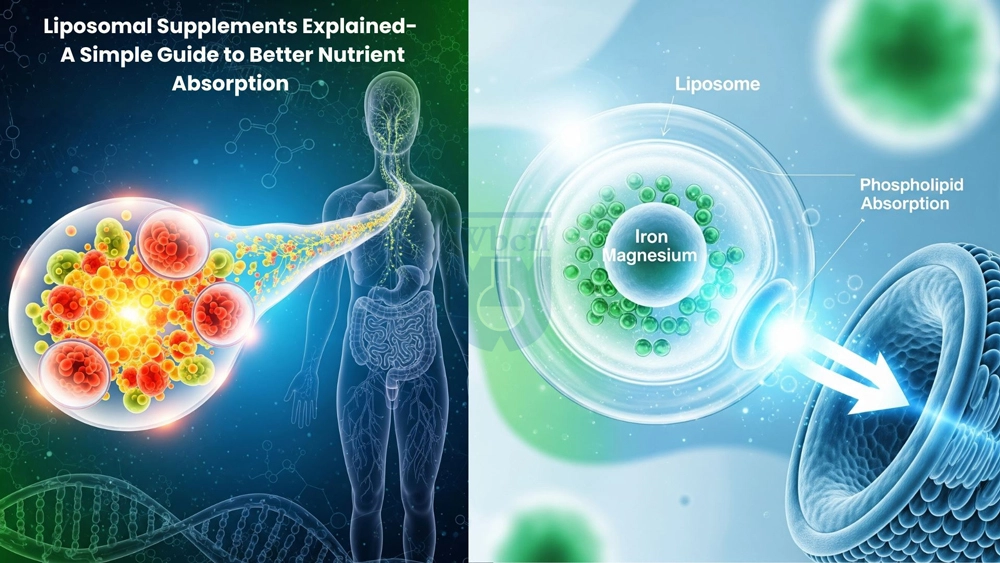
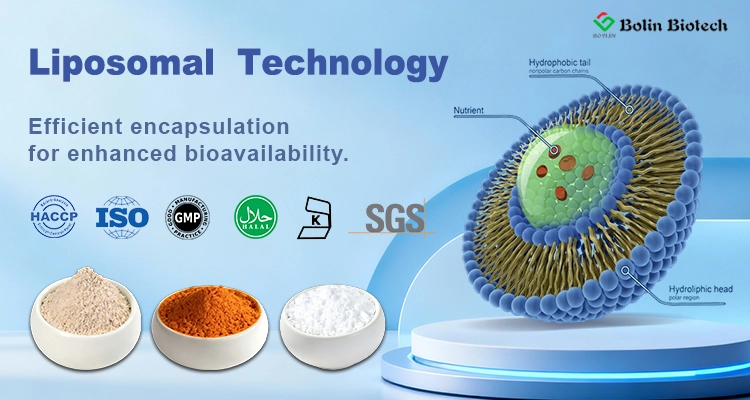
During liposomal delivery, apigenin molecules are encased in a phospholipid bilayer, which is usually made from phosphatidylcholine sourced from sunflower or non-GMO soy. Because liposomes are structurally similar to cell membranes, they may improve the dispersibility and delivery of poorly water-soluble compounds. When reconstituted with water, a liposomal powder may form a stable colloidal dispersion, depending on its composition and manufacturing process.
Key Physicochemical Benchmarks
These physicochemical benchmarks help distinguish genuine liposomal formulations from simple physical mixtures of phospholipids and apigenin. This distinction is important for product quality, formulation consistency, and the accuracy of related product claims.
- Particle size (Z-average): 100–300 nm with a Polydispersity Index (PDI) below 0.3, ensuring uniform vesicle distribution and predictable absorption kinetics.
- Encapsulation efficiency (EE%): Above 85%, confirming that the majority of apigenin is trapped within the lipid sphere rather than existing as free external crystals.
- Zeta potential: Below −30 mV, which prevents particle aggregation and maintains suspension stability after reconstitution.
These benchmarks separate true liposomal ingredients from simple phospholipid-apigenin physical blends — a distinction that matters greatly in formulation quality and label claims.
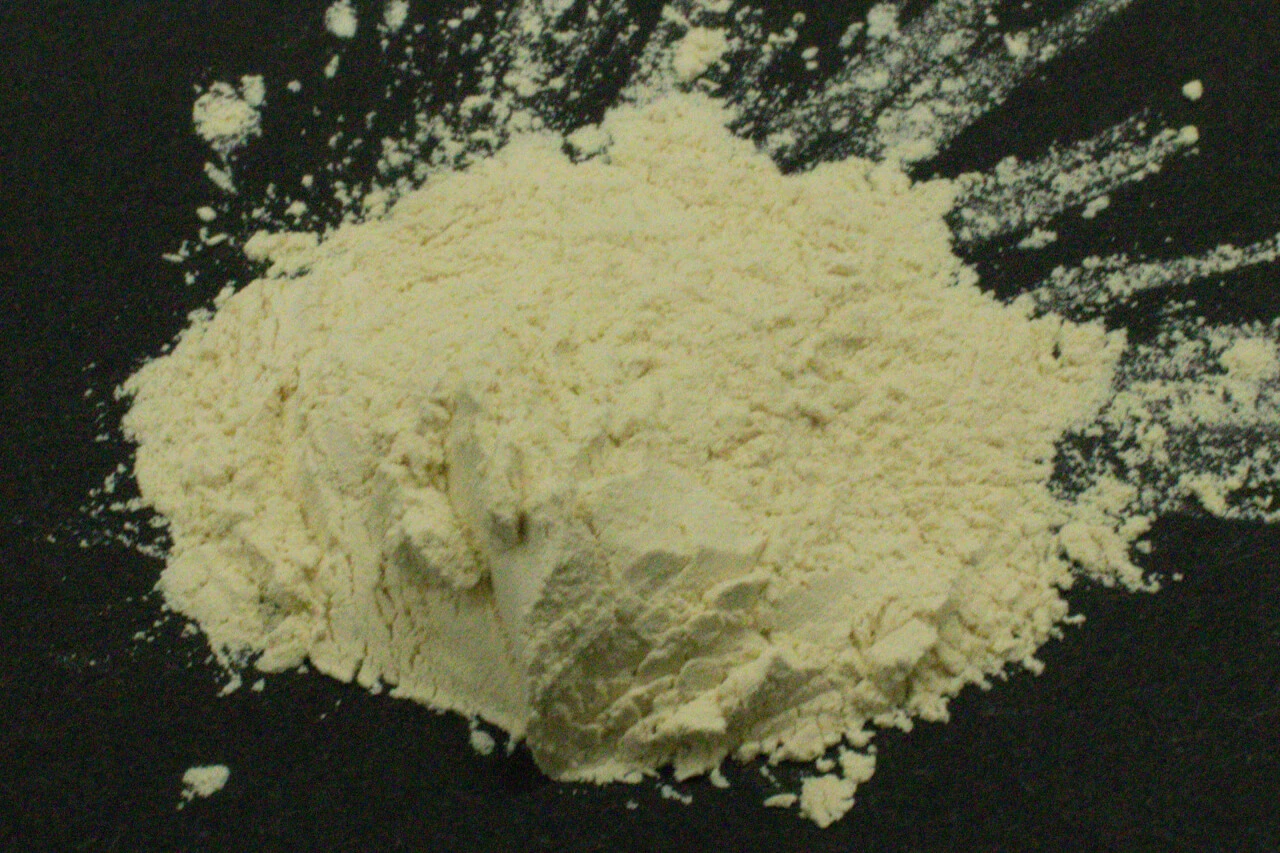
Comparing Liposomal Apigenin and Apigenin Powder: Key Performance Dimensions
The differences between these two forms can be evaluated by comparing their bioavailability, stability, and suitability for different end products.
Bioavailability and Absorption Rates
As shown by metrics like AUC and Cmax, some research on liposomal flavonoids has revealed greater plasma exposure than that of their non-encapsulated equivalents. The way liposomal systems may affect absorption and shield active ingredients during digestion is linked to this possible enhancement. These pharmacokinetic factors may provide formulators helpful supporting information when assessing a delivery system's effectiveness.
Stability Against Oxidation and Heat
Standard apigenin powder may be susceptible to degradation during storage and processing. Encapsulation within a liposomal system can provide a protective lipid environment that may help improve stability. However, prolonged exposure to temperatures above 60°C can affect the integrity of the phospholipid bilayer. For heat-sensitive formulations, it may therefore be preferable to minimize high-temperature processing or add the liposomal apigenin powder after major heating steps.
Safety and Regulatory Profile
It is well recognised that both kinds are safe. Liposomal transport does not introduce any additional chemical concerns when phospholipids that are suitable for use in medicine are used. To ensure that the lipid carriers have not oxidised throughout the drying process, the purchasing teams must verify the phospholipid peroxide values (PV). Because oxidised lipids may exacerbate inflammation, this is crucial. According to USP <467>, using Gas Chromatography (GC) to look for residual solvents is a typical step in the purchasing process.
| Aspect | Liposomal Apigenin Powder | Standard Apigenin Powder |
|---|---|---|
| Bioavailability | Higher plasma exposure (AUC, Cmax) vs non-encapsulated | Lower absorption due to poor water solubility |
| Absorption Mechanism | Lipid bilayer may shield actives during digestion and enhance uptake | Limited by dissolution rate in GI tract |
| Stability (Storage) | Phospholipid encapsulation may protect against oxidation | More susceptible to degradation during storage |
| Stability (Heat) | Phospholipid bilayer can be affected above 60°C; add after heating steps | Heat-sensitive; avoid prolonged high-temperature processing |
| Safety | Safe when pharmaceutical-grade phospholipids are used | Well-recognized as safe |
| Key Quality Check | Verify phospholipid Peroxide Value (PV) to confirm no oxidation | Standard purity and assay testing |
| Residual Solvents | USP <467> GC testing recommended | USP <467> GC testing recommended |
| Best For | Premium formulations requiring enhanced absorption | Cost-sensitive or heat-processed applications |
Practical Considerations for Formulation and Procurement
B2B procurement teams and brand formulators should take into account both technical specifications and commercial considerations when deciding between these two ingredient types. The selection may be guided by the following considerations:
When formulation cost is a significant factor and strong water dispersibility is not necessary, low-moisture apigenin powder works well in solid-dose formulations like capsules and tablets.
Because liposomal apigenin powder has superior water dispersibility and may facilitate better absorption, it may be used in functional drinks, gummies, and supplements that aim to increase bioavailability. Suppliers that can alter batch amounts, packaging, dosage standards, and particle size might provide more formulation flexibility for brands with particular manufacturing needs.
- Solid-dose applications (capsules, tablets): Standard apigenin powder performs adequately in low-moisture formats where solubility is not a primary concern and cost sensitivity is high.
- Functional beverages, gummies, and high-bioavailability supplements: Liposomal apigenin powder is the stronger fit here — its water dispersibility and absorption advantage directly support product claims and consumer experience.
- OEM and private-label production: Brands requiring custom particle size, dosage flexibility, and label differentiation benefit most from working directly with a liposomal apigenin manufacturer who can adjust specifications to match production line requirements.
Understanding these differences helps brands select the appropriate ingredient format more efficiently. This can reduce unnecessary sampling and help accelerate product development and market entry.
Market Comparisons and Decision-Making for B2B Clients
Vitamin C and curcumin are no longer the only ingredients available in liposomal formats. Increasingly, brands are exploring liposomal delivery systems for flavonoids such as quercetin and apigenin, particularly in products positioned around sleep, cognitive health, and other science-focused applications.
Liposomal Apigenin vs. Liposomal Curcumin and Quercetin
Despite being bioactive substances originating from plants, apigenin, curcumin, and quercetin have distinct research profiles and formulation uses. Apigenin has been investigated in connection with oxidative stress, GABA signalling, neuronal protection, and other relevant topics. While quercetin has been studied for antioxidant and immune-related uses, curcumin has been extensively studied for its anti-inflammatory qualities. These variations may have an impact on how each component is arranged in final goods.
What to Look for in a Supplier
Look for data showing encapsulation performance, third-party testing records, and acceptable GMP paperwork when assessing a supplier. Images from Transmission Electron Microscopy (TEM) may also provide helpful visual proof of liposomal structure. Enquire with suppliers about the availability of TEM pictures in addition to conventional COA documentation.
Certification and Compliance Baseline
Procurement teams should confirm that suppliers to the US and EU markets have the necessary certifications, testing records, and regulatory paperwork for their intended applications. Certifications like ISO, cGMP, HALAL, HACCP, SGS, and ISO 22000 might provide further details about a supplier's production and quality control procedures.
Future Trends and Innovations in Liposomal Delivery for Apigenin
Experts are become more interested in apigenin. Early study indicates that it may help regulate autophagy, enhance metabolic health, and combat cancer in addition to its well-known benefits on anxiety and antioxidants. In the next product cycle, it will probably be more crucial to have more tailored distribution formats due to these new areas of usage.
Advances in Nano-Sizing and Phospholipid Selection
The goal of the next generation of liposomes is to increase the stability of the lipids and provide scientists with more control over the size of the particles. Companies who want to market themselves as hypoallergenic are increasingly choosing sunflower-based non-GMO phosphatidylcholine over soy-based alternatives. Research is also being done on nanoparticles (less than 100 nm) that could be used to transdermal cosmetics.
Regulatory Direction in the US and EU
Both the FDA and the EFSA are paying more attention to what people say about transportation systems. Pharmacokinetic data should be kept on file by formulators who make claims about solubility. Formulators should also only buy from makers who can prove what they say. Other brands can't make claims that aren't backed up as easily when the government is pushing brands that use verified liposomal ingredients.
Expanding Into Cosmeceuticals
Beauty-from-within products are one of the markets for apigenin that is growing the fastest. It is a natural choice for beauty items that you eat because it has a lot of antioxidants and information on skin health. Liposomal transport backs up claims about cell access and absorption, which makes this position stronger.
Conclusion
For most high-performance formulation goals, including brain health, sleep support, anti-aging, and makeup, liposomal apigenin powder is preferable to normal crystalline powder. More information about absorption, a more stable character, and a better story about how luxury names are different are all added. Powder still works for solid doses when you need to save money. The choice you make should fit the structure of what you're selling and meet the needs of the people you want to buy from you.
FAQ
1. Is liposomal apigenin safer than standard powder?
Most people believe that both types are safe as long as they are made by a trustworthy company. It is safe for cells to use phospholipid messengers because they are already found in the walls of cells. The most important quality check is to make sure that lipid carriers have not turned brown during production. Find out from your provider what the value of peroxide is.
2. How much better is absorption with liposomal delivery?
Studies of the pharmacokinetics of liposomal flavonoids usually show that their Cmax level in the plasma is 3 to 10 times higher than that of forms that are not encapsulated. This range changes based on the person, the dose, and the type of liposome used.
3. How do I verify true liposomal structure in a powder?
A Transmission Electron Microscopy (TEM) shot should be asked for. When apigenin and lecithin are mixed with water, they physically break apart. But when you mix them with true liposomal powder, you get a stable colloidal solution. Ultracentrifugation and HPLC tests show that the level of packaging must be more than 85%. This is another important point to check.
4. What is the source of phospholipids in quality liposomal products?
Most of the time, non-GMO soy or sunflower phosphatidylcholine is used in the business. Sunflower-based PC is better for labels that say "hypoallergenic" and "allergen-free."
5. Can liposomal apigenin powder be used in gummies?
Yes, but it's very important to keep the heat down. Keep the phospholipids away from temperatures above 60°C for long periods of time while they are being processed. Before you start making more, talk to your supplier about how you can change the particle size and heat stability data.
Request Samples from Bolin Biotechnology — Trusted Liposomal Apigenin Supplier
From 2012 to now, Bolin Biotechnology has been making ingredients from plants. Our light yellow VesilipoTM Liposomal apigenin powder is 70% apigenin and comes in 1 kg bags and 25 kg drums. It can be kept for two years. We can make packages with your own label and different dosage forms, such as gummies, pills, and tablets. Some of the certificates are ISO, cGMP, HALAL, HACCP, SGS, and more. To get a taste or talk about your recipe needs, email us at sales1@bovlin.com.
References
1. Salehi, B. et al. "Apigenin: A Review of Its Protective Effects Against Various Diseases." Biomedicine & Pharmacotherapy, 2019.
2. Allen, T. M., & Cullis, P. R. "Liposomal Drug Delivery Systems: From Concept to Clinical Applications." Advanced Drug Delivery Reviews, 2013.
3. Tóth, S. et al. "Increased Bioavailability of Flavonoids via Liposomal Encapsulation: A Comparative Pharmacokinetic Study." European Journal of Pharmaceutics and Biopharmaceutics, 2021.
4. Patel, K., & Bhatt, H. "Enhancement of Oral Bioavailability of BCS Class II Compounds Using Lipid-Based Drug Delivery Systems." Journal of Drug Delivery Science and Technology, 2020.
5. Nair, M. P. et al. "Nanotechnology-Based Drug Delivery of Natural Compounds and Phytochemicals in the Treatment of Various Diseases." Journal of Nanomaterials, 2022.
6. Shukla, S., & Gupta, S. "Apigenin: A Promising Molecule for Cancer Prevention." Pharmaceutical Research, 2010.