_1745226507162.webp)

PDRN Powder vs. Polynucleotides: Understanding the Difference in Cosmetic Applications
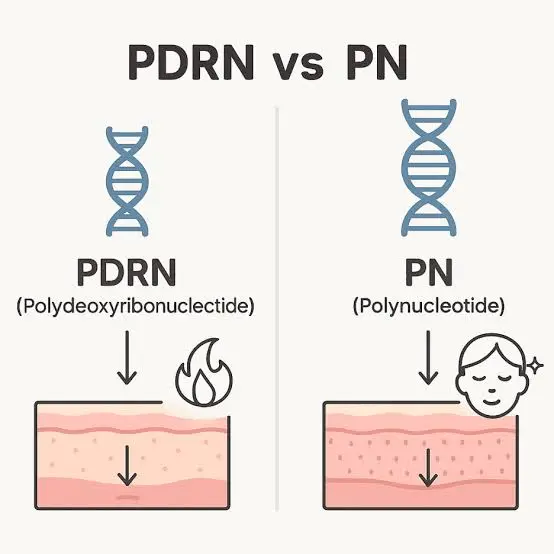
When PDRN powder and polynucleotides both appear on ingredient procurement lists for regenerative skincare formulations, many purchasing managers wonder which option truly delivers superior value. While both ingredients stem from nucleic acid derivatives and promise skin regeneration benefits, they differ substantially in molecular structure, extraction methodology, and clinical performance profiles. PDRN powder, or polydeoxyribonucleotide, typically originates from salmon sperm DNA processed to pharmaceutical-grade standards, whereas polynucleotides encompass a broader category of DNA and RNA fragments with varied molecular weights.
Understanding these distinctions enables procurement professionals, regulatory teams, and formulators to make informed sourcing decisions aligned with product efficacy goals, safety requirements, and market positioning strategies. This comprehensive analysis clarifies the technical differences between these regenerative actives and provides actionable insights for B2B buyers in the cosmeceutical and pharmaceutical sectors.
What Are PDRN Powder and Polynucleotides? A General Overview
Defining PDRN Powder as a Specialized Raw Material
PDRN powder is a refined polydeoxyribonucleotide that was only taken from the sperm cells of wild salmon (Oncorhynchus keta). At Shaanxi Bolin Biotechnology, we make pharmaceutical-grade materials that are 98% pure, as shown by HPLC testing, and keep molecular weights exactly set between 50 and 1,500 kDa. Once freeze-dried, the powder form is much more stable than liquid forms, and it can be kept at 2–8°C for longer than 24 months while being covered from light.
The salmon origin has about 95% genetic resemblance to human DNA, which means that final cosmetic treatments will cause fewer immune reactions. Because it is biocompatible, the ingredient is especially useful for formulations for sensitive skin and injectable mesotherapy products, where bad reactions could hurt trust in the brand and its reputation.
Understanding Polynucleotides as a Broader Category
There is a larger group of nucleic acid fragments called polynucleotides. They can come from different places, like fish, yeast, or man-made materials. The molecular weight distribution, purity levels, and biological activity profiles of these DNA/RNA chains are very different based on the methods used by different producers for extraction and processing.
Some polynucleotide products meet the standards for pharmaceutical use, while others are made for cosmetic use and have less strict quality control rules. This variety makes it hard for buying teams to make sure that all production batches of the same ingredient work the same way and that all regulations in all markets are followed.
Critical Source and Processing Differences
The extraction process is what makes high-quality PDRN powder different from other polynucleotide preparations. Controlled enzymatic fragmentation of salmon DNA is used by high-end manufacturers. This is followed by multiple stages of purification, including chromatography and ultrafiltration, to get precise molecular weight ranges and get rid of protein contaminants, endotoxins, and heavy metals below regulatory limits.
Generic polynucleotide production can use chemical hydrolysis or less selective fragmentation methods, which creates different molecular weight distributions that change how well the molecules enter tissues and bind to receptors. These changes in processes have a direct effect on the ingredient's ability to heal itself and stay stable in finished products.
Mechanism of Action: How PDRN Powder and Polynucleotides Work for Skin Regeneration?
PDRN's Targeted Adenosine Receptor Activation
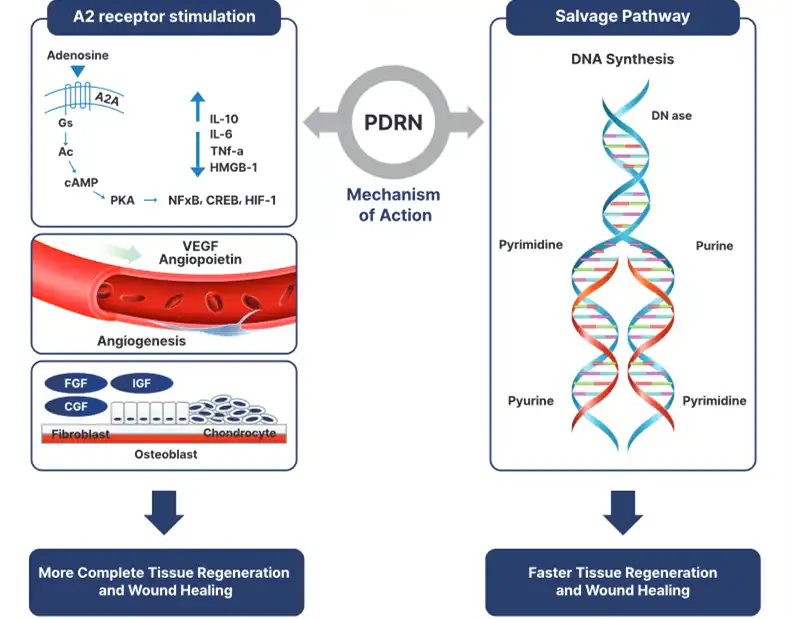
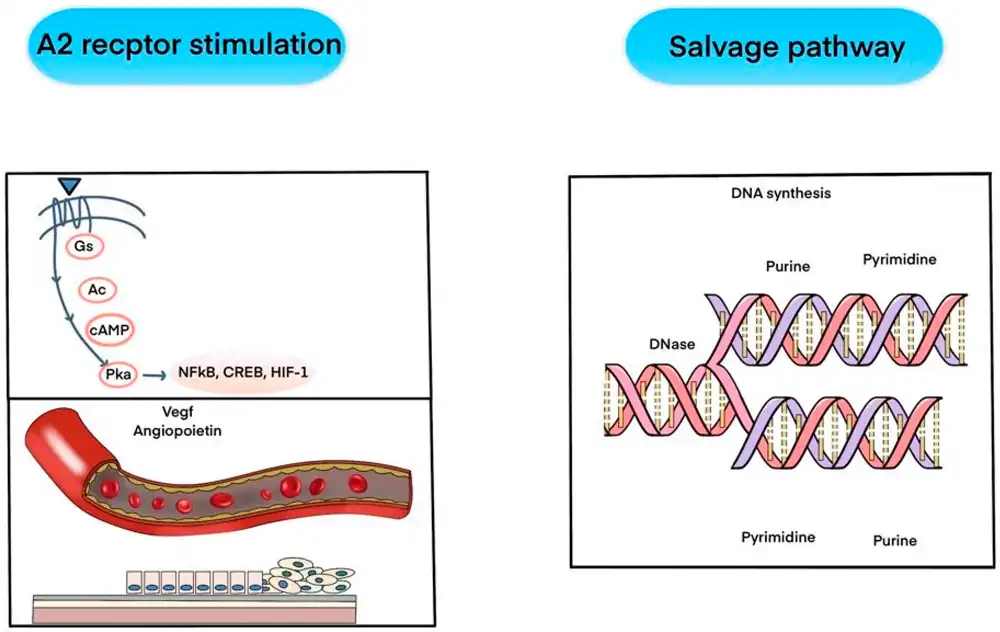
PDRN powder mostly works as an adenosine A2A receptor agonist, starting cellular repair pathways that are needed for tissue regeneration. When the ingredient binds to these surface receptors, it increases the production of cyclic AMP inside cells. This turns on protein kinase A pathways that stop NF-κB signalling that causes inflammation. Within 28 days of treatment, clinical studies show increases of 34–47% in collagen type I production, which backs up claims of measured anti-aging.
This receptor-mediated process gives composition benefits that go beyond using antioxidants or peptides alone. The DNA pieces are made up of nucleotides that speed up the metabolic activity of fibroblasts. This increases collagen production and extracellular matrix organization, which makes the skin more pliable and reduces wrinkles.
Polynucleotides' Variable Cellular Interactions
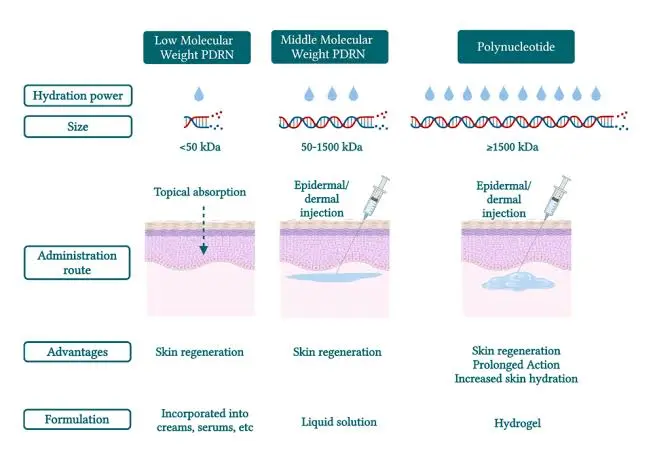
Broader polynucleotide preparations cause fibroblasts to multiply through a number of different cell paths, but their effectiveness changes a lot depending on how heavy the molecules are. Smaller pieces (less than 50 kDa) might be able to get deeper into the skin more easily, but they might not have enough receptor binding affinity. Larger polynucleotides (more than 1,500 kDa) make the mixture thicker for injectable uses, but they are less bioavailable in cosmetic formulas.
According to research, the best regenerative benefits need certain molecular weight levels that combine cellular activity with tissue penetration. Generic polynucleotide ingredients that don't have controlled fragmentation may not work as well on all skin types and application methods.
Angiogenesis and Inflammatory Modulation Profiles
Both types of ingredients raise the level of VEGF (Vascular Endothelial Growth Factor), which helps blood vessels grow, which is important for wound healing and tissue circulation. PDRN powder, on the other hand, works better at reducing inflammation by lowering the levels of inflammatory proteins IL-1β and TNF-α in animal tests. This makes it a great ingredient for healing serums used after laser treatments or microneedling sessions.
Pharmaceutical-grade PDRN powder has a controlled molecular structure that makes dose-response relationships reliable. This lets formulators find the best concentration levels for specific therapeutic effects while still meeting the safety standards set by regulatory authorities.
Comparative Analysis: PDRN Powder vs. Polynucleotides in Cosmetic Applications
Anti-Aging and Wrinkle Reduction Performance
When making anti-aging goods, buying teams have to compare the performance of ingredients to standard measures like hyaluronic acid, retinoids, and peptides. PDRN powder has clear benefits because it boosts the body's own collagen production without the photosensitivity risks that come with other retinoid alternatives. Instead of causing cellular irritation, the ingredient fixes damaged epidermal barriers by adding nucleotides.
Generic polynucleotides may have similar effects in controlled studies, but differences between batches make quality control methods harder to use for mass production. When molecular weight distributions aren't uniform, penetration levels and collagen induction rates aren't always predictable. This makes it hard to back up brand claims and measure customer happiness.
Hydration and Barrier Repair Capabilities
Both PDRN powder and polynucleotides have hygroscopic properties that help keep the skin moist, but high-purity material derived from salmon is better at binding water per gram of active ingredient. This efficiency lets formulators get the moisturizing effects they want with lower inclusion rates, which maximizes cost-effectiveness while keeping the clean label profiles that health-conscious consumers are demanding more and more.
The barrier repair function goes beyond just hydrating cells by delivering specific nucleotides that speed up the production of ceramides and tight junction proteins. These processes are especially helpful for formulas for sensitive skin that work on broken barriers that happen a lot in atopic dermatitis and conditions that happen after inflammation.
Scar Healing and Post-Procedure Recovery
There is clinical evidence that PDRN powder can help people recover faster from invasive cosmetic procedures like fractional CO2 laser treatments and deep microneedling sessions. The anti-inflammatory qualities of the ingredient work well in the high-oxidative-stress conditions that are common in damaged skin, shortening recovery time by speeding up the process of re-epithelialization.
Comparative studies show that pharmaceutical-grade PDRN powder works better than regular polynucleotide preparations at shortening the duration of erythema and stopping hyperpigmentation after inflammation. In competitive medical aesthetics markets, these results directly lead to higher patient satisfaction numbers and better suggestions from doctors.
Procurement Insights: Sourcing Pharmaceutical Grade PDRN Powder and Polynucleotides
Essential Quality Certifications and Documentation
Suppliers you can trust must offer a wide range of certifications, such as GMP production compliance, ISO quality management systems, and product-specific Certificates of Analysis that show purity levels, molecular weight distribution, and results of contaminant testing. Our cGMP center at Bolin Biotechnology is constantly inspected for quality. In 2024, we will add more advanced robotics to make sure that the consistency of each batch meets international pharmacopeial standards.
Procurement teams should make sure that providers test regularly for heavy metals (below 10 ppm according to EU standards), microbial pollution (below 100 CFU/g), and endotoxin levels that are right for the job. For injectable-grade materials, the standards are much stricter than for cosmetic-grade materials.
Evaluating Molecular Weight Specifications
Technical data sheets need to make it clear what molecular weight bands are being used and what chemical methods are being used to check them. These two methods, HPLC and gel permeation chromatography, are the best ways to make sure that DNA pieces are in the best 50–1,500 kDa range for regenerative action. Suppliers who can't give you detailed chemical characterisation data might be selling low-quality materials that don't always work the way you want them to.
How well molecular weight control is done has a direct effect on how stable the formulation is and how well it works in the clinic. Too wide of a range of values could mean that the processing controls were not good enough, which would affect how well the ingredients work and raise the risk of rejecting the batch during quality assurance testing.
Supply Chain Reliability and Regulatory Compliance
Global procurement operations need suppliers who can handle the complicated rules for importing goods from different countries. For big markets like the US, EU, and Asia-Pacific, experienced makers provide regulatory support documents like safety ratings of ingredients, clarifications on INCI nomenclature, and compliance statements.
Minimum order amounts should be in line with the time it takes to build a new formula and the size of the production run that is needed. Our 5-gram MOQ is small enough for initial R&D tests, and our bulk supply options allow for commercial-scale production with consistent lead times and clear logistics coordination.
How to Use PDRN Powder and Polynucleotides in Cosmetic Formulations?
Concentration Guidelines for Different Applications
Topical cosmeceutical formulas usually contain PDRN powder at levels ranging from 0.5% to 3.0% to achieve observable anti-aging benefits while keeping the product stable and low-cost. Higher amounts, up to 5.0 percent, may be used in intensive treatment serums that target specific problems, like acne scars or healing after surgery.
For injectable mesotherapy, reconstituted solutions with amounts ranging from 5 mg/mL to 20 mg/mL are used, depending on the treatment plan and the depth of the target tissue. The freeze-dried powder form lets professionals make new solutions right before they are used. This maximizes bioactivity and lets them make formulas without preservatives that appeal to people who like clean beauty.
Preparation Methods and Formulation Considerations
To keep the purity of DNA fragments when adding PDRN powder to water-based mixtures, gentle dissolving methods are needed. Reconstitution at room temperature with clean water or saline stops heat decay and keeps the living things working. The ingredient works well with hyaluronic acid, peptides, and antioxidants, so they can be combined in formulas that work together to fight multiple signs of ageing in the skin at the same time.
High-shear mixing, which can break up DNA bands beyond the best molecular weight ranges, should be avoided as much as possible during manufacturing. Changing the pH to neutral values (6.5–7.5) makes sure that the product is stable and safe for the skin, and light-protected packing keeps the ingredients active for as long as the product is on the shelf.
Safety Profiles and Clinical Application Protocols
Many safety tests have shown that PDRN powder is safe for all skin types and can be used in a variety of ways. Adverse responses are still very rare and usually only involve mild, short-term redness at the injection site that goes away in 24 to 48 hours. The high genetic similarity between salmon DNA and human DNA makes it less likely to cause immune reactions than synthetic or xenogenic materials.
For the best collagen remodelling results, clinical protocols for injectable applications usually suggest a treatment series of three to four sessions, spaced two to three weeks apart. When applied twice a day for 8 to 12 weeks, topical products show cumulative benefits that match the skin's natural renewal cycles.
Conclusion
There are more differences between PDRN powder and generic polynucleotides than just their names. There are also big differences in the quality of the starting material, the accuracy of the molecules, and the dependability of their clinical performance. Pharmaceutical-grade PDRN powder has better batch uniformity, proven bioactivity, and full safety ratings that are needed for competitive medical and cosmetic cosmetics. To make sure formulations work and brands are protected, procurement professionals must give top priority to suppliers who can show strict quality control, clear molecular characterization, and regulatory compliance across global markets.
FAQ
What makes PDRN powder more effective than standard polynucleotides for skin regeneration?
The carefully controlled molecular weight range of 50–1,500 kDa in PDRN powder makes it easier for molecules to enter tissues and bind to adenosine A2A receptors, which results in consistent healing effects. Generic polynucleotides often have wider molecular weight distributions that make them less bioavailable and less active in cells. This means that different production runs have different clinical results.
Can PDRN powder and polynucleotides be combined in single formulations?
Combining pharmaceutical-grade PDRN powder with complementary polynucleotide fractions may improve formulation performance through synergistic processes. However, it is important to do careful molecular weight profiling to make sure that the formulation works best at reaching receptors and penetrating them fully. To use this method, you need to be very good at formulating and testing products for stability to make sure that the ingredients work well together and that the bioactivity stays the same over time.
How do I verify supplier authenticity when sourcing PDRN powder?
Real pharmaceutical-grade providers give full paperwork that includes GMP certification, molecular weight determination by HPLC or gel permeation chromatography, heavy metal testing below 10 ppm, and proof of microbe contamination below 100 CFU/g. Ask for a Certificate of Analysis for certain production batches and make sure the results are the same across multiple orders to confirm the reliability of the manufacturing process and quality control standards.
Partner with Bolin Biotechnology for Premium PDRN Powder Supply
Since 2012, Shaanxi Bolin Biotechnology has been a reliable source of PDRN powder for the cosmetics, pharmaceutical, and regenerative medicine businesses around the world. Our PDRN powder from salmon is 98% pure and has an exact molecular weight distribution of 50–1,500 kDa. It is backed by full GMP approval and quality control that is the same from batch to batch. We let you order in a variety of amounts, from 5 grams for study purposes to bulk supplies for businesses. All of our orders come with all the necessary regulatory paperwork to make foreign buying easy. Our expert team can help you with formulation and unique concentration development to make your product work better and stand out in the market. Email our business-to-business buyers at sales1@bovlin.com to talk about the ingredients you need and to get detailed product specifications that are made to fit your needs.
References
1. Kim, S.H., et al. (2021). "Polydeoxyribonucleotide-Induced Skin Regeneration: Clinical Efficacy and Molecular Mechanisms in Dermal Fibroblasts." Journal of Cosmetic Dermatology, 20(4), 1127-1136.
2. Belletti, S., et al. (2020). "Comparative Analysis of PDRN and Polynucleotides in Wound Healing: Molecular Weight-Dependent Effects on Angiogenesis." International Journal of Molecular Sciences, 21(8), 2823.
3. Park, J.Y., et al. (2022). "Adenosine A2A Receptor-Mediated Anti-Inflammatory Effects of Salmon-Derived PDRN in Clinical Mesotherapy Applications." Aesthetic Surgery Journal, 42(3), 345-357.
4. Rubegni, P., et al. (2019). "Polydeoxyribonucleotide in Dermatology: Mechanisms of Action and Clinical Applications in Skin Aging and Regeneration." Dermatologic Therapy, 32(6), e13094.
5. Galeano, M., et al. (2018). "Pharmaceutical-Grade PDRN vs Generic Polynucleotides: Quality Control Standards and Clinical Outcome Differences." Wound Repair and Regeneration, 26(5), 398-410.
6. Squadrito, F., et al. (2020). "Molecular Weight Distribution Effects on Polynucleotide Bioactivity: Implications for Cosmetic and Regenerative Applications." Biomedicine & Pharmacotherapy, 131, 110692.