_1745226507162.webp)

How Does Phosphatidylserine Powder Support Memory and Cognitive Function?
Phosphatidylserine powder serves as a concentrated phospholipid that directly integrates into neuronal cell membranes, enhancing membrane fluidity and facilitating neurotransmitter release essential for memory formation. This brain-specific compound modulates cortisol levels during stress, preventing glucocorticoid-induced hippocampal damage while optimizing acetylcholine transmission—the primary neurotransmitter governing learning and recall. Clinical studies demonstrate that standardized PS supplementation significantly improves both short-term working memory and long-term consolidation, making it an evidence-backed ingredient for cognitive health formulations targeting age-related decline and performance enhancement.
Understanding Phosphatidylserine Powder and Its Role in Brain Health
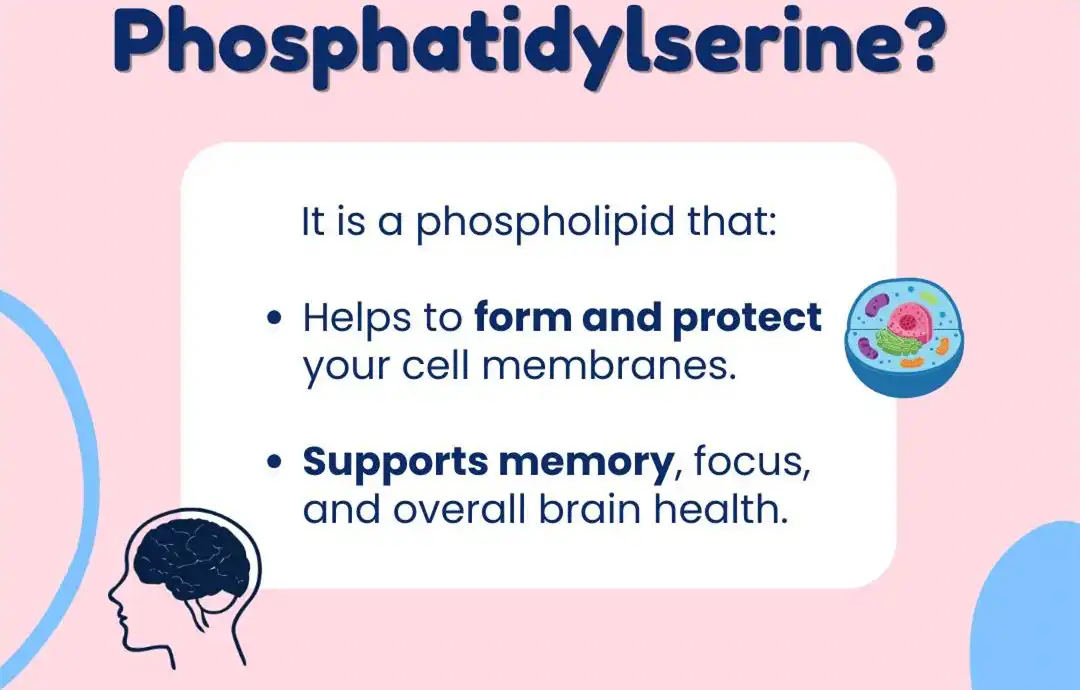
About 60% of the brain is made up of lipids, and phospholipids are what make up the structure of every neural cell membrane. Phosphatidylserine makes up about 15% of all the phospholipids in the brain, but it is mostly found in the cerebral cortex, which is where higher-order thinking and memory processing happen.
Modern manufacturing has switched from getting materials from cows to getting them from plants, especially sunflower and soybean seeds. This enzyme conversion process uses phospholipase D to speed up transphosphatidylation. This creates a bio-identical phospholipid structure that is similar to the structure of the human brain. The light yellow powder that is made gives producers an allergen-free material that can be used in a lot of different ways.
The Science Behind Membrane Health
Cell membranes are like moving gates that control what nutrients come in and what waste goes out. They also hold receptor proteins that are important for neurotransmission. PS molecules get stuck in these two-layer structures, keeping the right level of flexibility so that proteins can move easily on the membrane surface. This ability to move around is important for neural plasticity, which is the brain's ability to change the strength of links based on experience. This directly affects the ability to learn.
According to studies published in cognitive neuroscience journals, taking PS supplements raises the breakdown of glucose in parts of the brain that are involved with remembering things. Higher metabolic activity is linked to faster firing of neurons and better signal transmission between neurons in the hippocampus, which is where short-term memories are formed before being sent to long-term storage areas.
Stress Modulation and Cortisol Regulation
Too much cortisol is released when you're under a lot of stress, which hurts hippocampal neurons over time and makes it harder to remember things. Controlled studies show that PS has unique effects on lowering cortisol levels, lowering stress hormone levels by up to 30% in high-pressure conditions. Stress can hurt your brain, but this safe system stops that from happening and helps your brain keep working well in stressful or competitive situations.
Key Benefits of Phosphatidylserine Powder for Memory and Cognitive Function
When purchasing teams look at brain support factors, they need solid proof of results that can be measured. PS supplementation has a lot of clinical evidence supporting it in many areas of cognitive function, setting it apart from possible nootropics that haven't been tested in humans thoroughly.
Enhanced Memory Retention Across Age Groups
Researchers from 50 to 75 years old used double-blind, placebo-controlled studies to show that taking 300 mg of PS every day makes people better at recognising faces and remembering paragraphs after 12 weeks. Adults younger than 50 who spend a lot of time learning show better verbal memory and faster processing speeds for knowledge. This suggests that intensive learning can help with more than just getting older-related problems in academic and work performance areas.
The chemical works in more ways than just adding to food. PS works directly in exocytosis, the process by which vesicles full of neurotransmitters join with presynaptic membranes to let chemical messengers out. Higher PS levels in synapse membranes improve the efficiency of vesicle docking. This leads to more regular neurotransmitter release patterns that help memories be stored and retrieved reliably.
Cognitive Decline Mitigation
The loss of brain cells that comes with getting older is partly caused by less PS being made and stiffer membranes. Supplements help make up for this natural loss, keeping membrane properties closer to what they were when the cells were younger. Clinical tests like the Mini-Mental State Examination and the Rey Auditory Verbal Learning Test consistently show that older people who get PS do better on these tests than older people who don't get PS.
Comparative Advantages in Formulation Strategy
PS has effects that can be seen in 6 to 12 weeks, while omega-3 fatty acids take months to build up in brain tissue. This is because brain endothelial cells prefer to take it up. PS has better batch-to-batch stability than herbal extracts like ginkgo biloba because it uses HPLC-ELSD quantification methods to exactly measure active ingredient concentrations instead of depending on crude extract standardization.
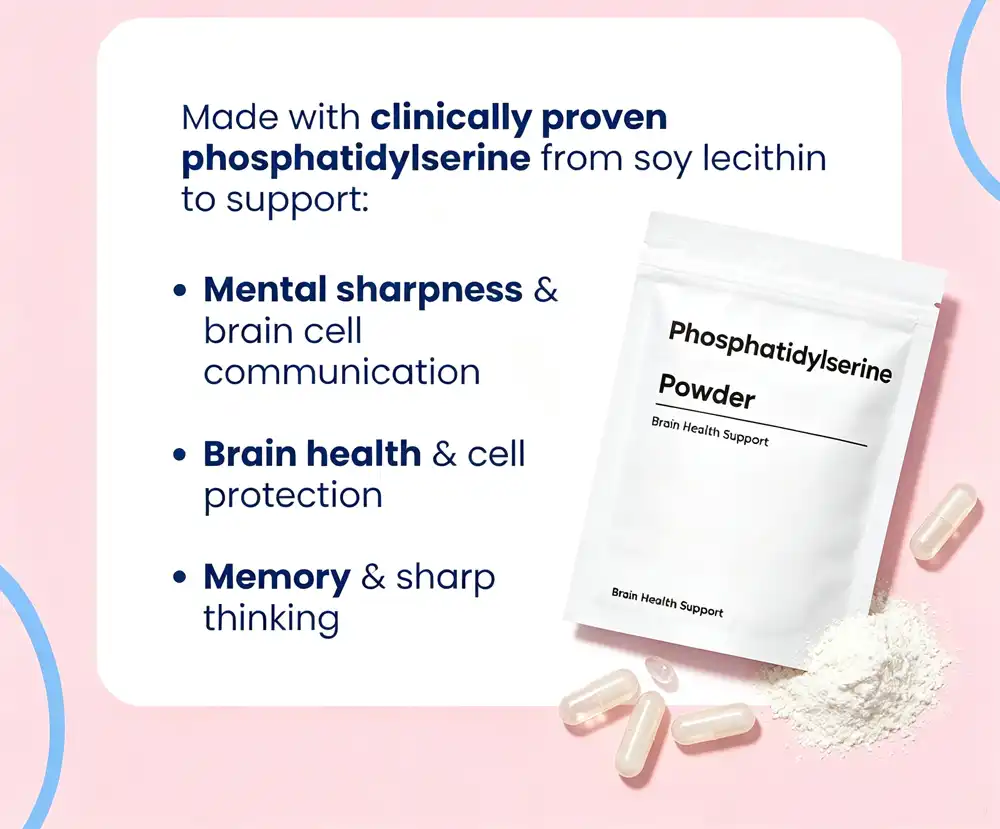
The powder format directly answers worries about how efficiently the product can be made. When making tablets and capsules, liquid sources of lecithin make them less stable, but spray-dried phosphatidylserine powder doesn't have any problems moving through automatic machinery. Bulk density levels between 0.35 and 0.65 g/mL improve fill weight accuracy on high-speed production lines, cutting down on waste and making large-scale manufacturing operations more cost-effective.
Optimal Usage and Dosage Guidelines for B2B Procurement
To make a good product, you need to make sure that the PS concentration matches the desired results while also taking into account the cost of production and the user's willingness to comply.
Dosage Recommendations by Application
Memory-improving drugs usually use 100 to 300 mg per day, which can be taken all at once or in several smaller amounts. To deal with cortisol spikes caused by exercise, athletic performance formulas mix 200 mg with caffeine and amino acids. During times of high stress, stress management products may contain 400 mg, but the doses used for maintenance are still lower.
The clinical literature provides safety ratings that allow up to 600 mg per day for long periods of time without adverse effects. This gives formulators more options. PS concentration specifications—20%, 50%, or 70% purity—should be taken into account when making decisions about what to buy because they have a direct effect on dosing calculations and the final cost of the product.
Quality Considerations for Industrial Buyers
Source material has a big effect on allergy levels and following the rules. PS made from sunflowers gets rid of worries about soy allergens, which is important for placing clean labels in North American and European markets where requirements for allergen labelling are getting stricter. These versions are considered expensive, but they offer real market benefits by making products easier for more people to get.
Portfolios for certifications are very important. ISO9001 makes sure that quality management methods are always the same, and FSSC22000 checks for food safety risks all along the production line. Halal and Kosher certifications let you sell to certain groups of people, which is especially helpful for OEM makers who sell through a variety of outlets. Instead of depending only on what suppliers say, procurement teams should check these qualifications directly through the databases of certification bodies.
Using enzymes to make something changes its oxygen stability, which can be seen in its peroxide values. Specifications that keep amounts below 5 meq/kg show that safe steps are in place to stop lipid breakdown, which lowers effectiveness and adds unpleasant flavours. Shaanxi Bolin Biotechnology's nitrogen packaging with tocopherol stabilisation takes care of this important factor, making sure that the product will stay stable for 24 months if it is stored properly.
Powder Advantages for Manufacturing Operations
The particle size range of phosphatidylserine powder, which is usually 40–80 mesh, is good for capsule filling operations because it keeps dosing accurate and stops particles from bridging in hoppers. Tablet makers can use the natural lipid content to cut down on the need for external lube. However, for high-speed punch operations, it is still recommended to add 0.5 to 1% magnesium stearate.
For beverage uses, managing temps needs to be planned out. Adding PS when the temperature drops below 60°C helps keep the integrity of the phospholipids, and the amphiphilic nature of the compound makes the emulsion more stable. When you mix PS with lecithin or polysorbate 80, you get suspension systems that don't separate while they're being stored, which is a common problem in making enriched drinks.
Selecting the Best Phosphatidylserine Powder: Market Comparison and Procurement Insights
B2B procurement is more than just unit economics. It also includes things like supply chain stability, legal paperwork, and technical support skills that affect how quickly a product is developed and how well it does in the market.
Supplier Evaluation Criteria
Suppliers you can trust give you full analytical reports that show the concentration of PS using HPLC-ELSD instead of simple phospholipid readings. This difference is very important because overall phospholipid numbers include phosphatidylcholine and phosphatidylethanolamine, which don't help with brain function in the same way that PS does. Buyers should demand assays that are specific to the method and separate the target molecule.
Specifications for microbiology should be carefully looked over. Plate Count less than 1000 cfu/g, Yeast and Mould less than 100 cfu/g, and Salmonella and E. coli tests negative. E. coli are called background values. Heavy metal tests should show that the amount of lead in the product is less than 0.5 parts per million (ppm), and the panels should cover cadmium, mercury, and arsenic to meet the needs of the foreign market.
Traceability documentation, such as processing records and proof of agricultural origin, connects finished goods to the places where they came from. This openness helps with regulatory filings and meets customer demands for supply chain responsibility. This is especially important as markets for cognitive supplements grow and move toward pharmaceutical-grade standards.
Understanding Pricing Structures
The price of phosphatidylserine powder depends on its concentration, where it comes from, and what certifications it has. Soy-based choices are usually 15 to 20 percent cheaper than sunflower-based options because of differences in the supply of raw materials and how well they are extracted. Higher concentration grades lower the amount of excipients that need to be used in formulations, but they also cost more per unit.
Unit economics is greatly affected by volume agreements. When compared to sample numbers, container-load quantities often save 20–30%, but the minimum order quantities need to work with production schedules and working capital limits. Setting up vendor-managed inventory plans can help your cash flow and make sure you always have the materials you need to keep making things.
Geographic and Logistic Considerations
Lead times from Asian sources are usually between 4 and 6 weeks for ocean freight, so you need to plan ahead and make sure your production expectations are met. Air freight options shorten delivery times but make landed costs much higher. Domestic storage through third-party logistics providers balances access with the cost of keeping goods on hand. This is especially helpful for makers who use just-in-time production models.
How to Integrate Phosphatidylserine Powder Into Your Product Line or Supply Chain?
Selecting the right ingredients is important for making a product stand out and establishing a brand in the cognitive health market, which is expected to grow to over $15 billion by 2027 and become more competitive.
Product Portfolio Expansion Opportunities
PS is mostly used in cognitive health products, which combine it with other nootropics like citicoline, alpha-GPC, or Bacopa monnieri to make full nootropic stacks. There are sports nutrition brands that use PS in pre-workout and recovery products. They do this because it can help keep hormones in balance during training.
PS is positioned next to adaptogens like rhodiola and ashwagandha in stress management goods aimed at professionals. The compound's clinical proof gives it marketing benefits over new ingredients that don't have human trial data. This helps back up claims and lowers regulatory scrutiny.
As consumers move away from reactive supplementation and toward proactive wellness, the uses of functional foods continue to grow. Nutrition bars, protein powders, and ready-to-drink drinks with PS added appeal to people who value convenience while charging higher prices that are justified by marketing as cognitively beneficial.
Private Label and Brand Development
Because phosphatidylserine powder is so flexible, it can be used to make unique formulations that set private label goods apart from general commodity products. Concentration choice, new delivery formats, and the combination of ingredients that work well together create intellectual property that protects market position and helps build brand equity.
Third-party testing by independent labs backs up what the label says and gives customers more trust. Certificate of Analysis paperwork from accredited facilities shows a commitment to quality that goes beyond just meeting regulatory requirements. This helps consumers who are becoming more sceptical about how the supplement industry works.
Marketing Support and Consumer Education
Using science-based marketing tools that connect PS processes to results that matter to the customer increases conversion rates and lowers return rates caused by unrealistic expectations. Brands are seen as trusted experts instead of transactional sellers when they use educational material to explain the best time to take a dose, when the effects will start to show, and how to make lifestyle changes that work with the drug.
Using cognitive assessment tools or memory challenge apps in digital marketing strategies keeps people interested while showing that the product is relevant. These dynamic parts collect information from users that helps improve products and keep customers.
| Product positioning | Formulation | Market selling points |
|---|---|---|
| Premium Nootropic Formula | PS + Citicoline + Alpha-GPC + Bacopa | Memory & Focus Support |
| Stress Management Formula | PS + Ashwagandha + Rhodiola + Magnesium | Mental Balance & Stress Adaptation |
| Healthy Aging Formula | PS + Omega-3 DHA + CoQ10 + Vitamin B Complex | Cognitive Longevity |
| Sports Brain Performance Formula | PS + Creatine + Alpha-GPC + Electrolytes | Focus & Recovery During Training |
| Functional Food & Beverage | PS + Protein + Lion’s Mane + Vitamins | Convenient Cognitive Wellness |
Conclusion
Phosphatidylserine powder is an ingredient in brain health products that has been backed by decades of study showing gains in memory, focus, and ability to handle stress. Its switch from animal-based sources to plant-based ones addresses safety issues while making more products available to more people by providing allergen-free choices. Procurement workers should judge sellers based on how well they can analyze data, what certifications they have, and how well they can make sure that the quality of each batch of products is the same. Because the substance can be made into capsules, tablets, drinks, and functional foods, different product development methods can be used to meet changing customer preferences for taking charge of their brain health.
FAQ
What distinguishes soy-derived from sunflower-derived phosphatidylserine?
PS from sunflowers is 100% allergen-free, which is important for clean-label claims. PS from soy, on the other hand, is cheaper without changing the core chemical structure. The bioactivity of both types is the same—the PS molecule is the same no matter what plant it comes from, with only small changes in the fatty acid profiles that don't affect cognitive results.
How should I verify actual PS concentration in supplier samples?
Instead of standard UV spectrophotometry, insist on HPLC-ELSD (High-Performance Liquid Chromatography with Evaporative Light Scattering Detection) as the diagnostic method of choice. Because phospholipids don't have the chromophores needed for UV detection, ELSD is the usual way to measure them accurately. For independent confirmation, ask for reports of analysis from labs that are ISO17025-accredited.
Does PS remain stable in liquid formulations?
Phosphatidylserine powder has lipophilic properties that need emulsification methods for water-based systems. Grades that are water-dispersible and include special carriers or microencapsulation keep the suspension stable. When making drinks, people should add PS when the temperature drops below 60°C and mix it with emulsifying agents like lecithin or polysorbate 80 to keep the drinks from separating while they're on the shelf.
Can PS combine with other cognitive supplements?
Choline sources, omega-3 fatty acids, and some nootropics may work better together with PS. The compound's effects on cortisol work well with adaptogenic herbs, and its support mechanisms for membranes improve the delivery of fat-soluble nutrients. Stability testing should be done by formulation teams to make sure that ingredients work well together and keep their effectiveness over time.
Partner With Bolin Biotechnology for Premium Phosphatidylserine Powder Supply
Shaanxi Bolin Biotechnology offers pharmaceutical-grade PS powder in three concentrations: 20%, 50%, and 70%. The HPLC-ELSD method is used to confirm that the company's claims about the powder's potency are accurate. Our dual-source freedom lets us offer choices drawn from both soy and sunflower, meeting a wide range of market needs, from low-cost formulations to allergen-free premium goods. With ISO9001, FSSC22000, Halal, and Kosher standards, along with other approvals, we help global markets follow the rules.
Our certified planting base of 25,800 acres and state-of-the-art processing facility, which opened in 2024, ensure steady supply volumes that meet pharmaceutical-grade standards. These include moisture levels below 5%, solvent residues below 50 ppm, and peroxide levels kept at 5 meq/kg through nitrogen packaging with tocopherol stabilization. Our 40-80 mesh particle size distribution is perfect for packaging and tablet compression, which helps manufacturing teams.
Our expert team can help you make cognitive health supplements, functional drinks, or sports nutrition formulations. They can also help you launch your products successfully. To get detailed datasheets, analytical certificates, or sample amounts, email our buying experts at sales1@bovlin.com. Manufacturers of phosphatidylserine powder, OEM partners, and research and development teams looking for a trusted source of phosphatidylserine powder that can support both pilot-scale development and large-scale commercial production are welcome to contact us.
Visit bolinbiotech.com to see our full line of plant-based products for cognitive health and learn how our focus on quality can help your brand succeed in the growing brain health market.
References
1. Glade, M.J., & Smith, K. (2015). Phosphatidylserine and the human brain. Nutrition, 31(6), 781-786.
2. Kato-Kataoka, A., Sakai, M., Ebina, R., Nonaka, C., asano, T., & Miyamori, T. (2010). Soybean-derived phosphatidylserine improves the memory function of the elderly Japanese subjects with memory complaints. Journal of Clinical Biochemistry and Nutrition, 47(3), 246-255.
3. Kingsley, M. (2006). Effects of phosphatidylserine supplementation on exercising humans. Sports Medicine, 36(8), 657-669.
4. Cenacchi, T., Bertoldin, T., Farina, C., Fiori, M.G., & Crepaldi, G. (1993). Cognitive decline in the elderly: a double-blind, placebo-controlled multicenter study on efficacy of phosphatidylserine administration. Aging Clinical and Experimental Research, 5(2), 123-133.
5. Crook, T.H., Tinklenberg, J., Yesavage, J., Petrie, W., Nunzi, M.G., & Massari, D.C. (1991). Effects of phosphatidylserine in age-associated memory impairment. Neurology, 41(5), 644-649.
6. Jäger, R., Purpura, M., Shao, A., Inoue, T., & Kreider, R.B. (2007). Analysis of the efficacy, safety, and regulatory status of novel forms of creatine. Amino Acids, 33(3), 469-477.


_1775716267875.png)