_1745226507162.webp)

Red Clover Extract vs Soy Isoflavones: Key Differences for Formulation
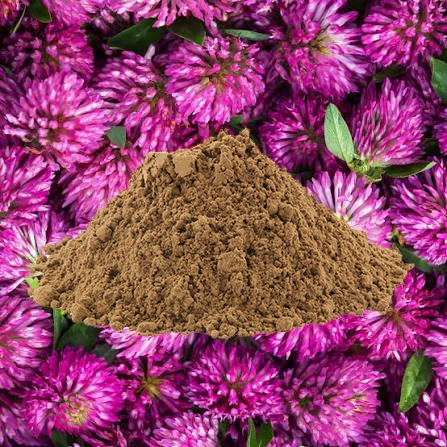
The decision between red clover extract powder and soy isoflavones is more important than most consumers realize when it involves acquiring phytoestrogen ingredients for women’s health goods. Both provide bioactivity based on isoflavones, but their chemical composition, regulatory status, and behavior in formulation are different in ways that directly impact your product’s effectiveness claims and regulatory process. Red clover extract powder is extracted from the flowers of Trifolium pratense and includes four major isoflavones (biochanin A, formononetin, daidzein, and genistein), offering a wider range of phytoestrogen activity than other soy-based products.

Understanding Red Clover Extract and Soy Isoflavones
Before putting these two ingredients up against each other, it's helpful to know where they come from and what makes their chemistry different.
Botanical Origins and Source Material
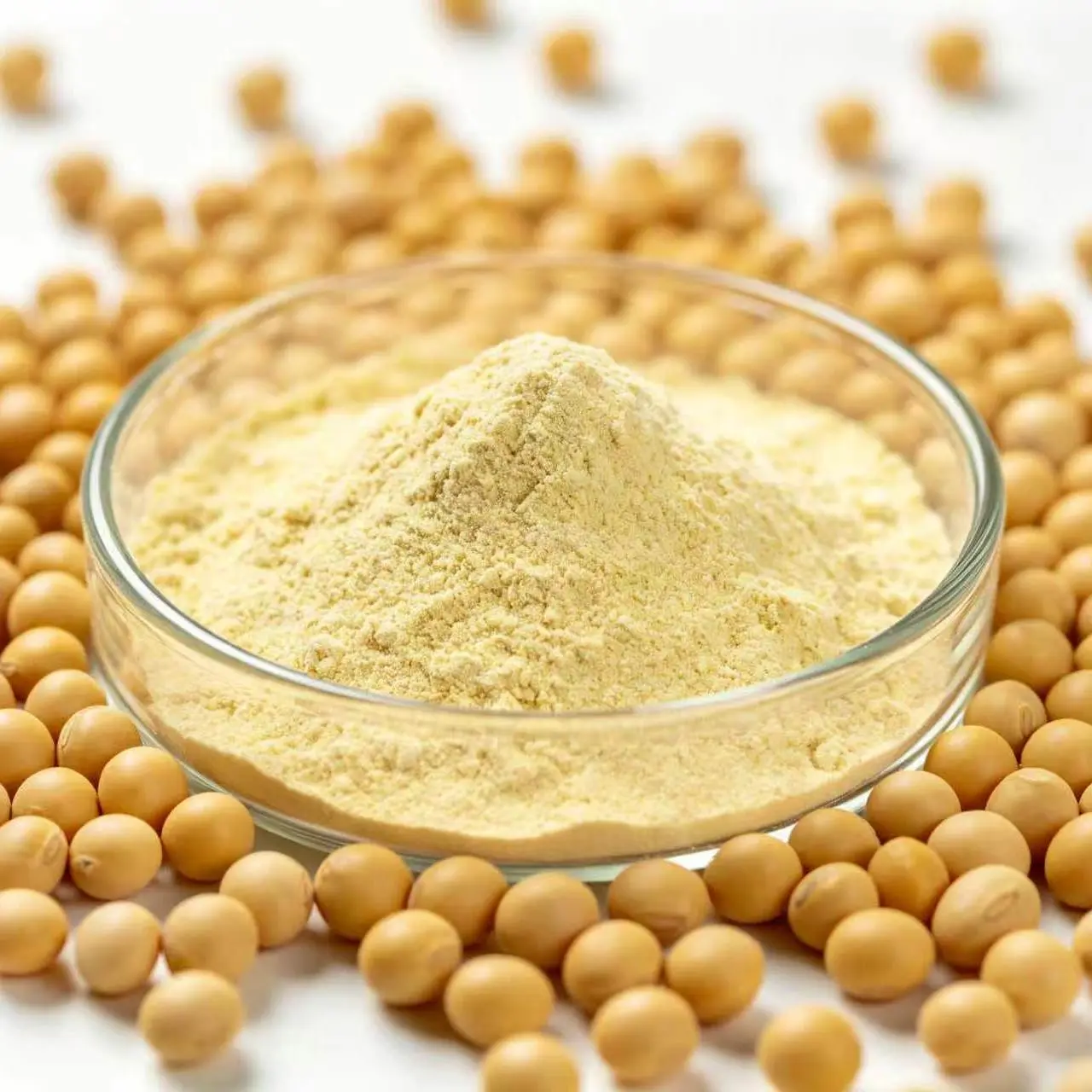
Red clover ( Trifolium pratense) is a member of the legume family. The section that is taken is the blossom portion, as this contains the most isoflavones. Soy isoflavones are obtained from the seeds of Glycine max and are generally produced during the processing of soy protein. The raw material is different, which makes a difference in allergy labeling, GMO status, and how consumers feel about goods in markets where people prefer to avoid soy.
Isoflavone Chemical Profiles
The four primary isoflavones in red clover are biochanin A, formononetin, daidzein, and genistein. Soy contains the isoflavones genistein and daidzein in very high concentrations, but formononetin and biochanin A in extremely low amounts. This is significant since formononetin and biochanin A are precursors that are converted to daidzein and genistein following breakdown in the gut. This may improve their solubility and offer alternative receptor binding patterns.
Extraction and Standardization
The high-quality extract of red clover is obtained via hydro-ethanolic extraction or supercritical processing with CO2. Then the isoflavone ratios of each batch are tested by HPLC. Solvent-based processing is typically used to make soy isoflavone products more aggressive. The application of the extraction technique is part of the supplier approval process for those formulators who want to achieve EU Pharmacopeia or FDA GRAS accreditation.
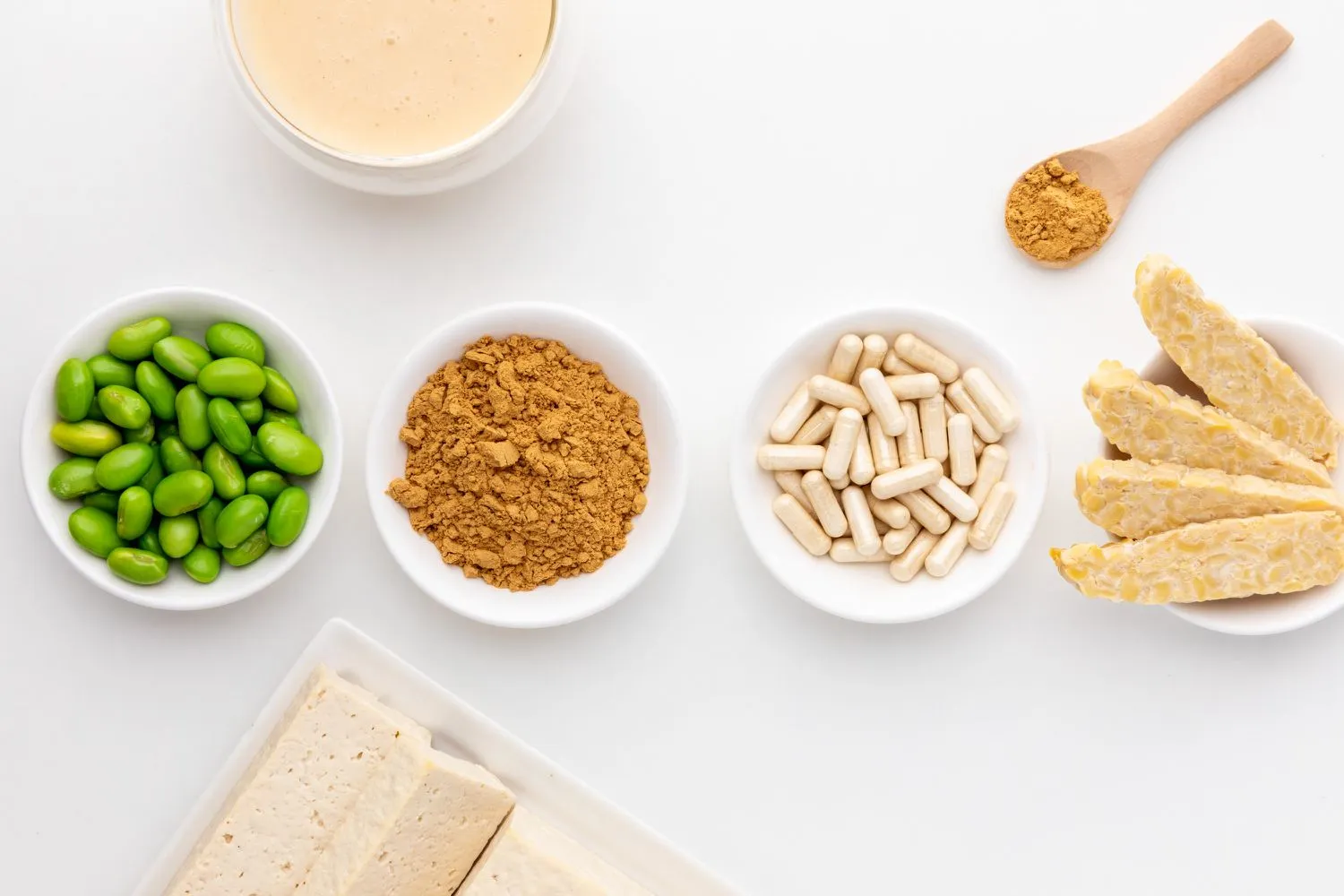
Comparative Analysis of Red Clover Extract vs Soy Isoflavones for Formulation
When you use these two types of ingredients in a real recipe setting, the differences between them become very clear.
Isoflavone Potency and Bioavailability
Red clover isoflavones, particularly formononetin and biochanin A, have been shown in clinical studies to have a distinct absorption and metabolic profile from soy-derived compounds. In a 2007 study published in the journal Maturitas, participants who took a daily dose of 40-80 mg of standardized red clover isoflavone showed a substantial reduction in the frequency of hot flashes. There has been increasing study on soy isoflavones; however, findings are not always consistent. That’s because different individuals produce varying amounts of equol.
Target Applications and Dosage Considerations
Red clover isoflavones are also good in menopausal support formulae, bone density support products, and heart health supplements. Some of these applications are also applicable to soy isoflavones, but they have to be labeled as soy allergens in both the EU and US. Red clover is a clear opportunity for firms looking to differentiate themselves from the pack with soy-free or clean labeling. In clinical research, typical daily doses of red clover isoflavones ranging from 40 mg to 160 mg have been demonstrated to be effective.
Safety Profiles and Regulatory Standing
Both substances are generally safe when used at the recommended levels. Red clover extract is available in most major nations given its history as an EU Novel Food and FDA GRAS designation. The long-term exposure of estrogen-sensitive tissues to soy isoflavones is being looked at more carefully in various EU member states. In evaluating either approach, regulatory affairs teams should refer to the most current EFSA guidelines on limits of consumption of phytoestrogens.
Market and Procurement Considerations for B2B Clients
Picking the right source of isoflavones is only one part of the decision-making process. Both the qualifications of the seller and the paperwork they provide are very important.
Quality Certifications and Compliance Documentation
For names that sell in the US or EU, supplier certification is more than just a COA. Teams in charge of buying things should demand ISO 22000, cGMP certification, and HPLC reports that are specific to each batch. Any ingredient that goes into a regulated dietary supplement has to go through SGS third-party testing for heavy metals (≤10 ppm) and pesticide residue (ND). The red clover extract powder from Bolin Biotechnology comes with full batch paperwork that includes tests for contaminant levels, microbial limits, and isoflavone strength.
MOQ, Packaging, and Supply Reliability
B2B buyers need a steady supply of goods in packaging formats that work with the way they make things. Here are the basic buying requirements that you should make sure any seller meets:
- MOQ: 25 kg, with options for 1 kg/bag sampling or 25 kg/drum bulk orders
- Shelf life: 24 months when stored in a cool, dry environment in sealed original containers
- Particle size: 80–120 mesh standard, with customizable options for specific encapsulation or blending needs
- Certifications available: ISO 22000, cGMP, HALAL, KOSHER (on request)
These specifications have a direct effect on how fast products are made and how space is planned in warehouses. Confirming them before signing a supplier agreement keeps costly delays in reformulation.
Private Label and OEM Capabilities
Brands that are making their own women's health lines benefit from suppliers who can help with all stages of the product's life, not just shipping powder. Co-branded COAs, custom package formats (like stand-up pouches and desiccant-lined drums), multilingual labels, and help with regulatory paperwork (like FDA DMF and EU Novel Food dossiers) all cut the time it takes to get new SKUs on the market by a large amount.
| Comparison Dimension | Red Clover Isoflavones | Soy Isoflavones |
|---|---|---|
| Key Compounds | Formononetin, Biochanin A | Genistein, Daidzein (require conversion to Equol) |
| Absorption & Metabolism | Distinct, consistent absorption and metabolic profile shown in clinical studies | Effects vary by individual's ability to produce Equol; findings not always consistent |
| Typical Daily Dose | 40–160 mg (effective range in clinical research) | No unified effective dose due to individual variation |
| Target Applications | Menopausal support, bone density, heart health | Menopausal support, bone density, heart health |
| Allergen Labeling | Soy-free; supports clean labeling | Must be labeled as soy allergen in EU and US |
| Regulatory Standing | EU Novel Food, FDA GRAS | Widely used, but EU scrutiny of long-term exposure to estrogen-sensitive tissues is increasing |
| Differentiation Opportunity | Ideal for brands seeking soy-free, clean-label positioning | Mature market but highly commoditized; limited differentiation |
| B2B Sourcing Key Points | Supplier must provide ISO 22000, cGMP, batch-specific HPLC, SGS third-party testing (heavy metals ≤10 ppm, pesticide residue ND) | Same requirements |
| MOQ & Packaging | 25 kg MOQ; 1 kg/bag samples, 25 kg/drum bulk; 24-month shelf life; 80–120 mesh | Same |
| OEM / Private Label | Co-branded COAs, custom packaging, multilingual labels, regulatory support (FDA DMF, EU Novel Food dossiers) | Same |
Formulation Challenges and Solutions: How to Choose Between Red Clover Extract and Soy Isoflavones
The "right" source of isoflavones relies on the structure of your product and the people you want to sell it to.
Matching Isoflavone Profile to Product Claims
If your recipe is meant to help with menopause symptoms and you need to back up a daily isoflavone dose claim, HPLC-standardized red clover extract with 20% to 40% isoflavones gives you exact dosing control. Soy isoflavones can work in similar situations, but they need to be labeled as allergens, which makes clean label positioning harder. Because red clover has a wider range of isoflavones, formulators can make more specific claims about its structure and function.
Solubility and Flowability in Different Formats
Standard red clover extract powder (80–120 mesh) mixes well into hard-shell capsules and tablet compression, with weight changes of less than 3% seen in trials. There are water-soluble types that can be used for healthy drinks or powdered drink mixes. The flowability of soy isoflavone powders depends more on the carrier that was used during spray drying. This can change the nature of the capsule fill weight.
Combining Both Extracts in a Single Formula
Some advanced women's health formulas have soy isoflavones, red clover, and other plants that work well together, like black cohosh or chasteberry. This method increases the number of isoflavones and may help phytoestrogen receptors work better. Stability testing and shelf-life data across the merged grid are necessary when making these kinds of blends to make sure that the product doesn't go bad during the time it's supposed to be stored.
Future Trends in Isoflavone-Based Formulations
The phytoestrogen ingredient business is trending toward greater standardization, more transparency about the source of the chemicals, and more targeted clinical placement.
Demand for Soy-Free Phytoestrogen Alternatives
In the US, the demand for soy-free and GMO-free vitamins has been steadily growing over the last decade. These red clover isoflavones counter this tendency directly since they provide a non-soy-derived phytoestrogen alternative. Soy has been related to allergy and GMO concerns. According to market statistics from both Nielsen and SPINS, “free-from” labeling is consistently one of the top reasons women purchase health supplements.
Advances in Extraction and Standardization Technology
Supercritical CO 2 extraction produces concentrates without solvents and with greater isoflavone retention and improved residual profiles. Now manufacturers may not only test for the overall quantity of isoflavones, but also the ratios of specific isoflavones using HPLC and UPLC. This offers procurement teams much greater assurance that the batches are consistent.
Regulatory Trajectory in Key Markets
The EFSA is continuing to work on its advice on the safety of phytoestrogens, with a focus on evidence on long term exposure and restrictions on daily consumption. US FDA GRAS framework for isoflavones in red clover unchanged. Procurement teams should be writing down their supplier’s regulatory assistance capabilities immediately when developing five-year supply plans before new laws imply they have to be modified.
Conclusion
Both soy isoflavones and red clover extract powder are phytoestrogens, although they are employed differently to manufacture goods. Red clover is a preferable alternative for firms looking to offer clean-label menopausal supplements in regulated markets, thanks to its four-isoflavone profile and lack of soy. Soy isoflavones have been around longer, but many manufacturers avoid them today since they are allergen- and GMO-friendly. Choosing the correct ingredient to meet your product’s regulatory, formulation, and consumer positioning objectives is crucial to long-term success.
FAQ
1. What is the typical isoflavone content in red clover extract vs soy isoflavones?
Red clover extract standardized by HPLC typically delivers 20%–40% total isoflavones, with adjustable concentrations from 10% to 50% depending on formulation needs. Soy isoflavone extracts commonly range from 40% to 80% total isoflavones, though the individual compound ratios differ significantly from red clover.
2. Is red clover extract safe for long-term use in supplement formulations?
At dosages supported by clinical evidence (40–160 mg/day total isoflavones), red clover isoflavones show a favorable safety profile. Formulators should reference current EFSA and FDA guidance documents when setting final product dosages, particularly for populations with hormone-sensitive conditions.
3. How do I verify supplier quality for red clover botanical extracts?
Request batch-specific COAs showing HPLC isoflavone quantification, heavy metal results (≤10 ppm), pesticide residue data (ND), and microbial limits. Third-party SGS verification and ISO 22000 or cGMP certification are the baseline expectations for suppliers serving regulated markets in the US and EU.
4. Can red clover and soy isoflavones be blended in one formula?
Yes. Combined isoflavone formulas are used in some advanced women's health products. Confirm stability data across the full ingredient matrix and storage conditions before committing to a commercial blend.
Partner With Bolin Biotechnology for Your Next Formulation
Bolin Biotechnology was established in 2012 and has been making plant extracts for more than ten years. Our team of red clover extract powder suppliers helps brands with everything from asking for samples to going commercial. We offer private label packing choices, full compliance paperwork, and HPLC-verified strength. We can meet your needs whether you need a normal 20%–40% isoflavone grade or a custom concentration for a special women's health SKU. To get a sample or product datasheet, email us at sales1@bovlin.com.
References
1. Atkinson, C., et al. "The effects of phytoestrogen isoflavones on bone density in women." American Journal of Clinical Nutrition, 2004.
2. Coon, J. T., et al. "Trifolium pratense isoflavones in the treatment of menopausal hot flushes." Maturitas, 2007.
3. Howes, L. G., Howes, J. B., & Knight, D. C. "Isoflavone therapy for menopausal flushes: a systematic review and meta-analysis." Maturitas, 2006.
4. Setchell, K. D. R., & Cassidy, A. "Dietary isoflavones: biological effects and relevance to human health." Journal of Nutrition, 1999.
5. European Food Safety Authority (EFSA). "Risk assessment for peri- and post-menopausal women taking food supplements containing isolated isoflavones." EFSA Journal, 2015.
6. Messina, M. "Soy and health update: evaluation of the clinical and epidemiologic literature." Nutrients, 2016.