_1745226507162.webp)

Rutin Powder Specifications: Purity, Source, and Quality Factors
Buyers inquiring about rutin powder specs want three things addressed quickly: what purity grade they are obtaining, where the raw material truly originates from, and how quality is regulated from plant to powder. Pure Rutin Powder (CAS 153-18-4) (also known as Rutin NF11 or quercetin-3-O-rutinoside) is a bioflavonoid glycoside that is derived from Sophora japonica flower buds. HPLC-verified 95% Purity Supports cardiovascular vitamins, antioxidant skincare, and dietary mixes. This handbook covers every standard that counts for serious B2B buying.
Understanding Pure Rutin Powder: Definition and Specifications
As a flavonoid glycoside, rutin (C₂₇H₃₀O₁₆, MW 610.52 g/mol) is made when quercetin bonds to the disaccharide rutinose. Buyers sometimes mix it up with free quercetin or hesperidin. These three flavonoids are linked, but they have different biological and regulatory patterns.
How Purity Is Defined and Measured
Purity criteria for pharmaceutical and nutraceutical grade products begin at ≥95% by HPLC. This level is included in the European Pharmacopeia (EP), Chinese Pharmacopeia (CP), and USP/NF (NF11). HPLC testing gives buyers a number to repeat and confirm, not a colorimetric guess. If a provider states "purity" on a COA, ensure the technique column says "HPLC" rather than just "UV spectrophotometry."
Physical and Chemical Parameters
The standard profile of requirements to which purchasers should compare their pure rutin granules is:
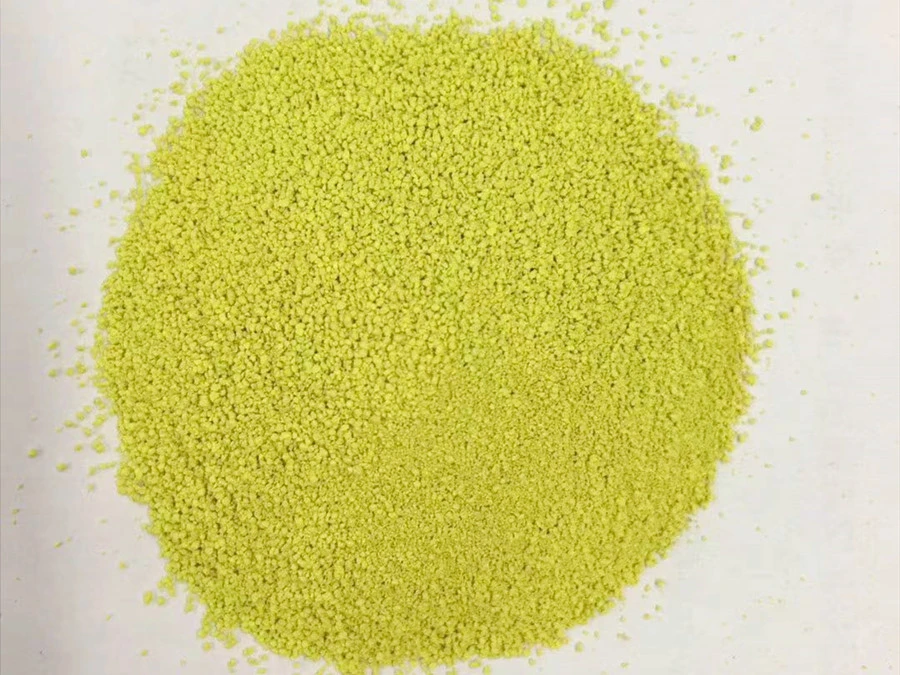
- Appearance: Appears as a fine yellow-green powder
- Particle Size: 95% passing 80 mesh particle size
- Loss on drying, max. 5.0%
- Heavy metals < 10 ppm
- Solubility: Slightly soluble in cold water, soluble in ethanol and alkaline solutions
- Melting point 190-195°C (same as solid rutin)
These parameters have a direct influence on the further processing. If the moisture level is over 5%, the danger of bacteria increases during storage. Uniform particle size distribution at 80 mesh helps provide consistent mixing in tablet and capsule lines.
Certifications That Signal Real Quality
You can't use one supplier's license for another. ISO 9001 deals with systems for managing quality, and ISO 22000 deals with systems for managing food safety. Third-party testing by SGS adds a level of independence to the checking process that plant COAs alone can't provide. Buyers who want to sell in the US or EU should also check to see if their providers have production settings that are in line with GMP. There are different kinds of certifications that answer different safety questions. Procurement teams should ask for the real certificates, not just the logos on the website.
Sources of Rutin Powder and Their Impact on Quality
The fact that rutin comes from plants is not a small matter. It directly affects the strength of antioxidants, the speed of extraction, and the dependability of the supply chain.
Natural vs. Synthetic Origin
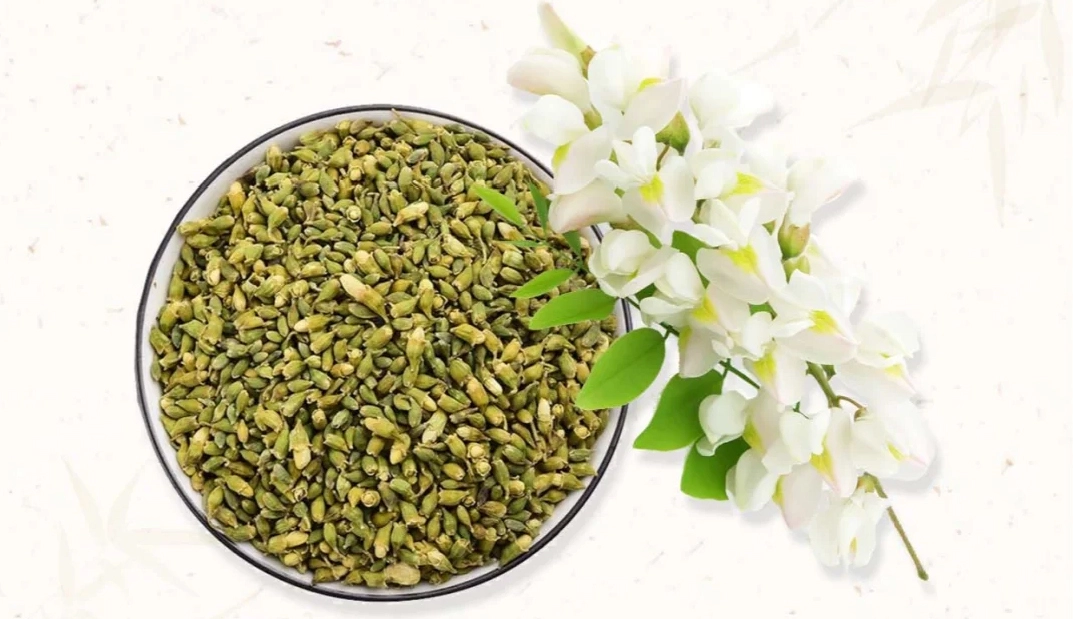
The dried flower buds of Sophora japonica (Japanese Pagoda Tree) are the principal source of high-quality pure rutin powder in the market. The buds naturally contain 20-28% rutin on a dry weight basis, which is among the highest in any plant source. You may also get it from buckwheat (Fagopyrum esculentum) and orange peels, although these generally offer lower yields and need more solvent per kilogram of product. Synthetic rutin may be produced, but is regulated differently in most markets and not utilized as often in clean-label supplement formulae.
How Source Affects Bioavailability and Potency
Rutin obtained from Sophora japonica flower buds, when appropriately processed, showed homogeneous glycoside profiles that corroborate the recognized potential of the molecule to stabilize capillaries. Research published in the journals Phytochemistry and Food Chemistry states that the plant matrix and extraction method affect flavonoid bioavailability. The isolate you receive is cleaner and more stable than if you just used water.
Supply Chain Transparency
Source transparency is a risk management tool for B2B buyers. Suppliers can provide evidence of the growing region, the harvest batch and the extraction process, and there is a clear trail from the raw plant material to the final powder. This is especially crucial for addressing queries from FDA or EFSA on substances, or supporting label claims during third-party reviews.
Quality Factors Affecting Rutin Powder for B2B Buyers
A production-ready material is not just one that is pure. Several quality factors that work together tell you if a lot will work reliably across your formulation line.
Contaminant Testing: Heavy Metals and Pesticides
Limits for heavy metals (total ≤10 ppm, with individual limits for mercury, arsenic, cadmium, and lead) are the same as those in USP <232> and ICH Q3D. Pesticide residue testing is vital to vendors selling into markets covered by EU Regulation 396/2005 or the US EPA tolerance regime. Buyers should always ensure that the pure rutin powder has been tested by a third party from a reputable lab such as SGS or Eurofins before settling on a supplier.
Batch Consistency and Moisture Control
The difficulty with botanical ingredient sources is the variation between batches. Label compliance is significantly impacted when a supplier provides a sample that is 96.2 % pure but only 94.8 % pure in the manufacturing batch. If the hydrated rutin (which may include as much as 13% water as a trihydrate crystal) is not dried adequately, the net active content estimates would be affected. It is also crucial to control moisture (loss on drying ≤5.0%).
Packaging, Storage, and Shipping
Rutin is light sensitive. Long-term UV light breaks down the material and turns it brown. Double-lined polyethylene bags should be stored in fiber drums or foil bags, in a cold, dry place, away from light. Should last 24 months if you store things the appropriate way. For customers outside of the country, ensuring the supplier is packing to export standards (with the appropriate labels and desiccants) ensures the quality doesn’t get lost in transit.
Procurement Considerations for Pure Rutin Powder
More than just price per kilogram goes into sourcing choices. People who buy things before they are verified often have to pay more to be qualified again later on.
Evaluating Supplier Reliability
A reputable vendor who provides pure rutin powder will: (1) provide a verifiable purity COA through HPLC and a comprehensive contaminant panel; (2) have a low MOQ for initial qualification – 1 kg is the minimum for lab-scale validation; (3) have documented ISO/GMP certifications; and (4) provide helpful technical support in English. Buyers should see this portion of the process as a real check and not simply a routine.
Pricing Drivers and Order Planning
The price per kg is based on the pure grade, the quality of the supplier, the approval fee, and the order quantity. Buyers are advised to examine current market prices from numerous vendors before making a selection. In calculating the real landing cost, they should additionally take into consideration transit expenses, import taxes, and any retest fees. It is also usual to ask for a specific lead time and to question whether safety stock is available for continuation of the supply chain.
Optimizing Rutin Powder in Your Formulations
Formulators can avoid common performance problems by understanding how an ingredient works in a product system.
Dosage Guidelines by Application
Clinical studies have investigated Rutin and recommend a daily dosage of 500 to 1,000 mg for vascular health. Dietary supplements typically are dosed between 250 mg and 500 mg per serving. In cosmetics, pure rutin powder is added to emulsions in a concentration of 0.1% to 1% and acts as a shield against UV rays and free radicals.
Solubility Strategies for Liquid Formats
Native rutin is not very soluble in cold water (ca. 0.125 g/L). For mostly water-based beverages or serums, formulators may elevate the pH to over 8 or enzymatically glucosylate to generate alpha-glucosyl rutin. They may also be taken in liposomal form. Each technique adds to the handling expense but also makes the medicine several times more bioavailable.
Synergistic Combinations
Vitamin C and rutin are two of the most researched couples of flavonoid-vitamins. Rutin protects against copper-induced degradation of ascorbic acid. This helps Vitamin C stay longer in supplement stacks. It works well with other bioflavonoids such as quercetin and hesperidin for vascular health.
Conclusion
There is nothing that can be done to determine the quality of pure rutin powder. HPLC findings that demonstrate it is pure, botanical origins that can be traced, results that reveal no impurities, and consistent batch documentation. Buyers rate these aspects highly when they are evaluating suppliers since it helps preserve their formulae and label claims.” The parameters are: >=95% purity, <=10 ppm heavy metals, <=5% moisture, 80 mesh particle size. This is the level that serious manufacturers want, and that trusted suppliers always satisfy.
FAQ
1. How do I verify that a rutin COA is authentic?
Along with the COA, ask for the raw HPLC chromatogram. A reliable provider gives you both the summary certificate and the instrument data that goes with it. Compare the batch number on the COA with the label on the actual sample. Retesting by a third party at labs like SGS or Eurofins usually costs $150 to $300 and is required for new suppliers to be approved.
2. What is the difference between Rutin NF11 and EP-grade rutin?
The US National Formulary monograph standard, which sets limits for purity, moisture, and ash, is called NF11. The European Pharmacopoeia (EP) sets stricter limits on some physical properties and impurities. The right grade depends on the legal file needs of your target market.
3. Is rutin derived from Sophora japonica considered vegan and allergen-free?
Yes. High-purity rutin powder, which is at least 95% pure, is a single-crystal molecule. The separation and processing process gets rid of the plant proteins that cause allergic reactions. This means that the product can be labeled as vegan or gluten-free. Always check with the seller to get a full allergy statement.
4. Can rutin powder be used in water-based cosmetic formulations?
It can, if the right changes are made to the formula. It's easier to mix rutin if you raise the pH of the water phase or dissolve it first in a co-solvent like propylene glycol. Liposomal delivery is the most stable way to deliver high-end serums.
5. What is the standard shelf life under proper storage?
A sealed, light-resistant package of rutin powder kept at room temperature (below 25°C) in a dry place will usually last for 24 months. Photodegradation is the main risk to stability, so for long-distance shipping, you have to use solid, double-lined packaging.
Partner with Bolin Biotechnology for Verified Rutin NF11
Established in 2012, Shaanxi Bolin Biotechnology Co., Ltd. sells pure rutin powder (≥95% HPLC, CAS 153-18-4) that is certified by ISO 9001 and ISO 22000. The powder comes with full COA documentation and SGS third-party verification. In order to qualify a sample, the MOQ starts at 1 kg. You can email our technical team at sales1@bovlin.com to ask for a sample or talk about terms for large supply.
References
1. Boots, A. W., Haenen, G. R. M. M., & Bast, A. (2008). Health effects of quercetin: From antioxidant to nutraceutical. European Journal of Pharmacology, 585(2–3), 325–337.
2. Erlund, I. (2004). Review of the flavonoids quercetin, hesperetin, and naringenin: Dietary sources, bioactivities, bioavailability, and epidemiology. Nutrition Research, 24(10), 851–874.
3. Harborne, J. B., & Williams, C. A. (2000). Advances in flavonoid research since 1992. Phytochemistry, 55(6), 481–504.
4. Manach, C., Scalbert, A., Morand, C., Rémésy, C., & Jiménez, L. (2004). Polyphenols: Food sources and bioavailability. The American Journal of Clinical Nutrition, 79(5), 727–747.
5. United States Pharmacopeia and National Formulary (USP–NF). (2023). Rutin Monograph. United States Pharmacopeial Convention.
6. European Medicines Agency. (2016). Assessment Report on Sophora japonica L., Flos. EMA/HMPC/61579/2016.