_1745226507162.webp)

What is Milk Thistle Extract Good for? Top 5 Benefits
It's true that milk thistle is a plant that is exceptionally great for your wellbeing and wellness. A parcel of consider has been done on the plant's wellbeing benefits, particularly on silymarin, a gather of flavonolignans that can be found in milk thistle extract. Individuals who make solutions and individuals who purchase things continuously need to know how valuable this herb is. Milk thistle extract can be found in numerous wellbeing items, such as nourishment supplements, utilitarian drinks, and beauty care products. It has been appeared to offer assistance the liver recuperate and ensure itself from harm. Individuals who make things can select where to get the materials they require in a way that meets government rules and client needs if they know these five advantages.
Supports Liver Health and Detoxification
How Silymarin Protects Liver Cells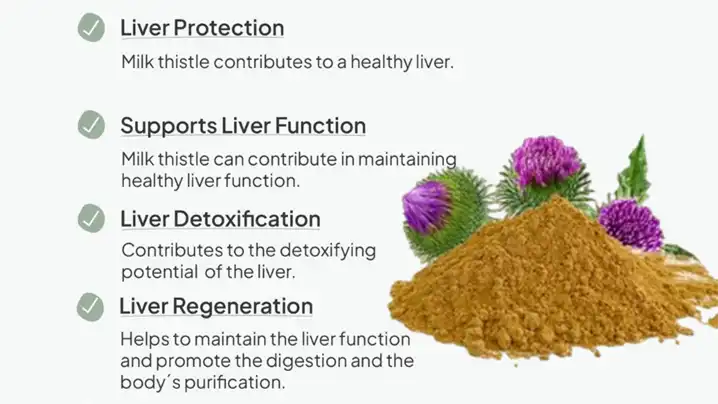
Silymarin, which makes up around 70–80% of standardized extracts, is the fundamental portion of milk thistle that ensures the liver. This chemical is astounding since it can offer assistance hepatocytes develop back and keep the layers of liver cells strong. Analysts say that silymarin stops lipid peroxidation, a handle that harms cell structures, and moreover makes a difference the liver make proteins. It has been appeared that milk thistle can offer assistance with a parcel of diverse wellbeing issues, from non-alcoholic greasy liver infection to liver harm from poisons.
Detoxification Mechanisms and Clinical Evidence
The liver cleans itself in two main steps, and milk thistle helps with both. Toxins that dissolve in fat are turned into intermediate molecules during Phase I of detoxifying. They are joined together in Phase II so that they can be moved out of the body. Up to 35% more glutathione is made when silymarin is present, according to some tests. Glutathione is the main antioxidant in the body. This makes it harder for the liver to get rid of chemicals that are bad for you. For people whose livers weren't working right, taking milk thistle pills regularly led to a rise in liver enzyme levels that could be seen.
Comparing Milk Thistle with Other Hepatoprotective Ingredients
People who make new products often try milk thistle with other plants to see which ones work best with it. Milk thistle extract protects cells from all sides, dandelion root helps make bile, and N-Acetyl Cysteine (NAC) gives cells direct glutathione precursors. It's easy to see how these items work together when you mix them. A lot of companies that make supplements use this method to make advanced liver support goods. The amount of silymarin is very important when buying for business-to-business uses. Standardized extracts with 80% silymarin offer constant bioactivity that is needed to follow the law and make sure the product works well.
Powerful Antioxidant Properties for Overall Wellness
Free Radical Neutralization and Oxidative Stress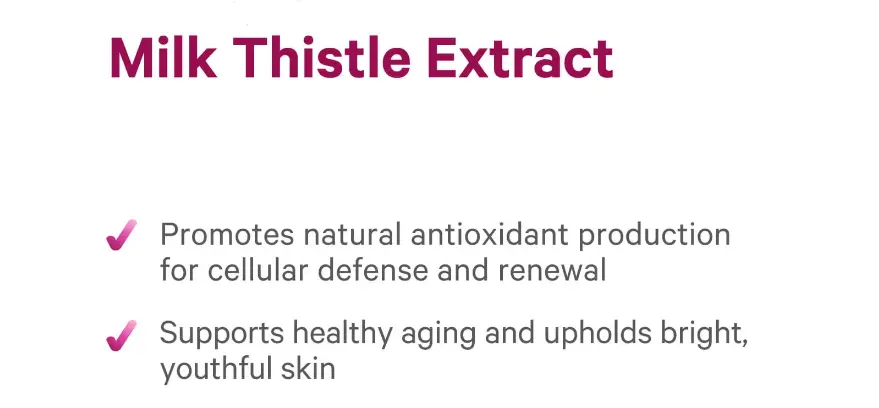
Milk thistle is an antioxidant that works all over the body, not fair in the liver. Responsive oxygen species (ROS) construct up since of things in the environment that are terrible for you, a awful slim down, and the typical maturing prepare. Silymarin is exceptionally great at getting freed of ROS. Milk thistle extract contains flavonolignans like silybin, silydianin, and silychristin that lower oxidative harm in a number of ways. Researchers have found that these chemicals provide electrons to atoms that aren't steady, which stops them from harming DNA, proteins, and lipid films.
Applications in Skin Health and Anti-Aging Formulations
The makeup business has seen that milk thistle could be used on the skin. When added to serums and creams, the ingredient protects skin cells from oxidative stress caused by UV light. Cosmetic scientists like how silymarin stops collagen breakdown and keeps the skin matrix intact. A number of high-end skin care brands now use milk thistle as an important active ingredient in their anti-aging lines to fight fine lines, dark spots, and damage from the sun. The problem is making sure the mixture stays stable. To keep the extract's effectiveness without oxidizing in emulsion systems, the pH needs to be carefully balanced and the right preservatives need to be chosen.
Organic versus Conventional Extracts: Quality Considerations
Differentiating quality is very important in business-to-business buying. Organic milk thistle extract usually sells for more money because it is grown without using synthetic fertilizers and chemicals. Testing in the lab often shows that organic forms keep more of the secondary metabolites, such as silymarin and other flavonoids. In addition to potency, organic certification takes into account the rising desire among consumers for products with clean labels. Procurement professionals should check the testing methods used by suppliers. HPLC (High-Performance Liquid Chromatography) analysis is the most accurate way to measure active ingredients, with quality extracts showing purity levels above 98% and silymarin content meeting label claims within tight tolerances.
Supports Immune Function and Inflammation Reduction
Modulation of Inflammatory Pathways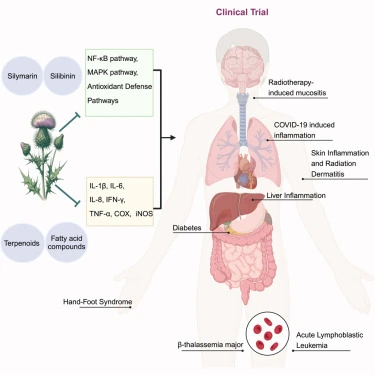
Many health problems are caused by chronic inflammation, and milk thistle is very good at reducing inflammation. Nuclear factor-kappa B (NF-κB) is a protein complex that controls the expression of genes that cause inflammation. The bioactive chemicals in milk thistle extract stop NF-κB from working. Silymarin helps the immune system get back to normal by decreasing the production of pro-inflammatory molecules like TNF-α and IL-6. This is why milk thistle is used in products that try to treat inflammatory diseases, like joint pain and metabolic syndrome.
Immune System Support and Enhancement
The connection between milk thistle and overall health works in more than one way. Silymarin helps T-lymphocytes multiply and supports macrophage activity, which are both important parts of adaptive defense. In addition, milk thistle extract powder makes it easier for defense cells to work better by lowering oxidative stress throughout the body. Formulation experts who make immune support supplements are increasingly combining milk thistle with other ingredients that work well together, such as elderberry, zinc, and vitamin C. This makes complete health solutions that deal with both short-term immune problems and long-term resistance.
Synergistic Formulation Strategies
Understanding how ingredients work together is what leads to real innovation in product creation. Milk thistle and curcumin work well together to make the anti-inflammatory effects stronger, but both compounds have problems with bioavailability that need to be fixed with special delivery methods. Some companies use black pepper extract (piperine) to help the body absorb the ingredients better, while others use phytosome technology, which combines silymarin with phosphatidylcholine to make molecules that are friendly with lipids and have better bioavailability. When deciding what to buy, these technical issues should be taken into
account along with the requirements for the raw materials.
Versatile Forms and Dosages for Diverse Product Needs
Available Forms and Formulation Advantages
Manufacturers of milk thistle extract offer a number of basic forms to suit a range of products, including:
Powder Extracts: Powder forms that dissolve in water can be used in drinks, but their natural bitterness needs to be hidden with other flavors. The powder form gives manufacturers a lot of options for how to fill capsules and crush tablets. Its bulk density and flow properties work well with high-speed production equipment.
Phytosome Technology: New delivery systems, such as the silymarin phytosome, make drugs much more bioavailable. Studies have shown that these systems can increase absorption rates by 4 to 6 times compared to regular extracts. This technology is especially useful for high-end supplement lines that need smaller doses to have therapeutic benefits. This could make it easier for people to take their pills.
Liquid Extracts: Tinctures and liquid concentrates are used in functional drinks and custom dosing, among other niche markets. Glycerin-based extracts provide alcohol-free choices that can be liked by a wide range of customers.
The right form to use relies on the target market, the manufacturing capabilities, and the bioavailability profiles that are wanted. Each style has its own benefits that formulators should weigh against the goals and costs of the product.
Dosage Recommendations and Safety Guidelines
Based on clinical studies, the best amount of silymarin to take each day is between 200 mg and 600 mg, usually spread out over several doses to make sure the body absorbs it properly. Product designers have to think about both therapeutic goals and how easy the product is for the customer to use. For example, once-daily formulations are easier for people to follow, but they might need higher concentrations or better delivery technologies. The safety data shows that these dosage ranges are well tolerated. Mild stomach problems are the most common side effects mentioned by sensitive individuals.
Certain groups of people need extra attention. Women who are pregnant or breastfeeding should talk to their doctors before taking supplements because there isn't a lot of information on their safety. People who take some medicines, especially those broken down by cytochrome P450 enzymes, may experience reactions. This is why products need to be clearly labeled and doctors should be consulted before taking them.
Regulatory Compliance and Quality Standards
To meet the requirements of regulations in different foreign markets, strict quality control is needed. The United States Pharmacopeia (USP) has monographs that describe pure milk thistle extracts and set guidelines for their identity, strength, quality, and purity. Business-to-business buyers in North America should make sure that suppliers follow Current Good Manufacturing Practices (cGMP) and ask for Certificates of Analysis (COA) that show:
- The amount of silymarin found using approved HPLC methods
- Tests for heavy metals (mercury, lead, arsenic, and cadmium)
- Limits on microbial contamination
- Analysis of the residual solvent
- Results of the pesticide test
These standards for documentation make sure that the products are safe and make it easier for regulators to accept new dietary supplement applications.
Trusted Quality and Sourcing for Procurement Efficiency
Checking the Quality Systems and Certifications of Suppliers
Qualifying suppliers is the first step to successful buying. Certifications for manufacturing give important information about operational standards and quality dedication. Systematic quality management is shown by ISO 9001 certification, while ISO 22000 or FSSC 22000 approval is only for food safety management systems. When used for pharmaceutical purposes, GMP certification that meets FDA or EMA guidelines is a must.
Aside from training, auditing skills are also important. Reliable providers are happy for customers to audit them and keep their documentation systems open and easy to understand. Quality agreements should spell out how to test, what the criteria for acceptance are, and how to handle results that don't meet the standards. When buying teams look at possible partners, they should look at batch-to-batch consistency data. The coefficient of variation (CV) for silymarin content should usually stay below 5% across production runs.
Balancing Cost, Potency, and Supply Chain Reliability
There are a lot of different sellers in the global pure milk thistle extract market. Economy-grade extracts may have 50–60% silymarin and cost less per unit. Premium grades, which are standardized to 80% silymarin, cost more but work better when dosed. Total cost analysis should take into account the concentration of the active ingredient. If manufacturing costs are taken into account, a more expensive, lower-concentration extract with higher potency may be cheaper than one with higher potency and lower inclusion rates.
Supply chain issues are more than just unit price. Lead times for custom extracts or organically certified materials can take up to 12 weeks, so it's important to plan your supplies well. Minimum order amounts (MOQ) are very different. Well-known brands may need at least 100–500 kg, but smaller brands can work with suppliers who are flexible with 25–50 kg orders. Total cost of ownership is affected by payment terms, shipping processes, and storage stability (milk thistle extract stays effective for 24 to 36 months with the right storage conditions).
Market Trends and Sourcing Intelligence
The plant extract business keeps changing quickly. One trend that is changing where milk thistle comes from is the growing desire for traceability. Blockchain technologies now make it possible to track products from seed to finished product. As consumers and companies care more about being environmentally friendly, sustainability certifications become more important. As corporate social responsibility becomes more important, some suppliers offer shipping choices that don't use carbon and sourcing that comes from regenerative agriculture.
The way goods are sourced geographically can also change how markets work. European sources, especially those from Eastern Europe, where milk thistle cultivation is most concentrated, have long controlled supply chains. But more and more suppliers from North America and Asia are entering the market, giving shipping costs and lead times that are better in those areas. By having a variety of suppliers from different areas, procurement teams can lower their risk of supply disruptions and keep their competitive edge when negotiating.
Conclusion
Milk thistle extract stands as a scientifically validated, versatile ingredient addressing multiple formulation needs across nutraceutical, pharmaceutical, functional food, and cosmetic applications. The five core benefits—liver protection, antioxidant activity, immune support, formulation versatility, and reliable sourcing—position this botanical as an essential component in modern wellness products. As consumer awareness of liver health and natural antioxidants continues growing, demand for high-quality milk thistle extract will expand correspondingly. Procurement professionals who understand the technical specifications, quality differentiation factors, and market dynamics gain competitive advantages in developing effective, compliant, and market-responsive products that meet both regulatory standards and consumer expectations.
FAQs
What is the primary active compound in milk thistle extract?
Silymarin represents the main bioactive complex in milk thistle extract, comprising several flavonolignans including silybin (the most potent component), silydianin, and silychristin. Standardized extracts typically contain 70-80% silymarin, though premium grades may reach 80% or higher. This compound concentration directly correlates with therapeutic efficacy and product performance.
Can milk thistle extract be used in food and beverage applications?
Absolutely. Food-grade milk thistle extract serves functional beverage manufacturers, though formulation challenges exist. The extract's natural hydrophobic properties require micronization or encapsulation for water-based applications. Taste-masking strategies address inherent bitterness. Soluble powder forms work well in protein shakes, wellness shots, and fortified beverages when properly formulated with compatible ingredients and flavoring systems.
What certifications should B2B buyers prioritize when sourcing milk thistle extract?
Priority certifications include ISO 9001 for quality management, GMP compliance for pharmaceutical-grade applications, and organic certification (USDA Organic, EU Organic) when targeting clean-label markets. Additional relevant certifications include Kosher, Halal, and non-GMO verification depending on target markets. COA documentation verifying silymarin content, heavy metal limits, and microbial safety remains essential regardless of certification status.
How does milk thistle extract bioavailability compare across different forms?
Standard milk thistle extract shows relatively poor bioavailability due to silymarin's lipophilic nature. Phytosome technology improves absorption rates significantly—research demonstrates 4-6 times greater bioavailability compared to conventional extracts. Micronized forms offer moderate improvement, while combination with piperine (black pepper extract) enhances absorption through different mechanisms. Product positioning and price points should guide technology selection.
Partner with Bolin Biotechnology for Premium Milk Thistle Extract
Choosing the right milk thistle extract supplier directly impacts your product's success in competitive markets. Bolin Biotechnology specializes in high-purity botanical extracts backed by rigorous quality systems and comprehensive technical support. Our milk thistle extract maintains consistent silymarin content exceeding 80%, verified through validated HPLC analysis, with full traceability from cultivation through final packaging. We hold ISO 9001, GMP, and HACCP certifications, ensuring compliance with international quality standards.
Whether you're formulating dietary supplements, functional beverages, or cosmeceutical products, our technical team provides formulation guidance, stability data, and regulatory documentation supporting your product development objectives. We offer flexible MOQ options accommodating both established manufacturers and emerging brands, with competitive bulk pricing structures that optimize your procurement efficiency. Contact our team at sales1@bovlin.com to discuss your specific requirements, request samples, or explore how Bolin Biotechnology can strengthen your supply chain as your trusted milk thistle extract manufacturer.
References
Abenavoli, L., Capasso, R., Milic, N., & Capasso, F. (2010). Milk thistle in liver diseases: past, present, future. Phytotherapy Research, 24(10), 1423-1432.
Bijak, M. (2017). Silybin, a major bioactive component of milk thistle (Silybum marianum L. Gaernt.)—chemistry, bioavailability, and metabolism. Molecules, 22(11), 1942.
Federico, A., Dallio, M., & Loguercio, C. (2017). Silymarin/Silybin and chronic liver disease: A marriage of many years. Molecules, 22(2), 191.
Gillessen, A., & Schmidt, H. H. (2020). Silymarin as supportive treatment in liver diseases: A narrative review. Advances in Therapy, 37(4), 1279-1301.
Kren, V., & Walterova, D. (2005). Silybin and silymarin—new effects and applications. Biomedical Papers, 149(1), 29-41.
Saller, R., Brignoli, R., Melzer, J., & Meier, R. (2008). An updated systematic review with meta-analysis for the clinical evidence of silymarin. Complementary Medicine Research, 15(1), 9-20.