_1745226507162.webp)

What Is PDRN and Why Is It So Popular in Korean Skincare?
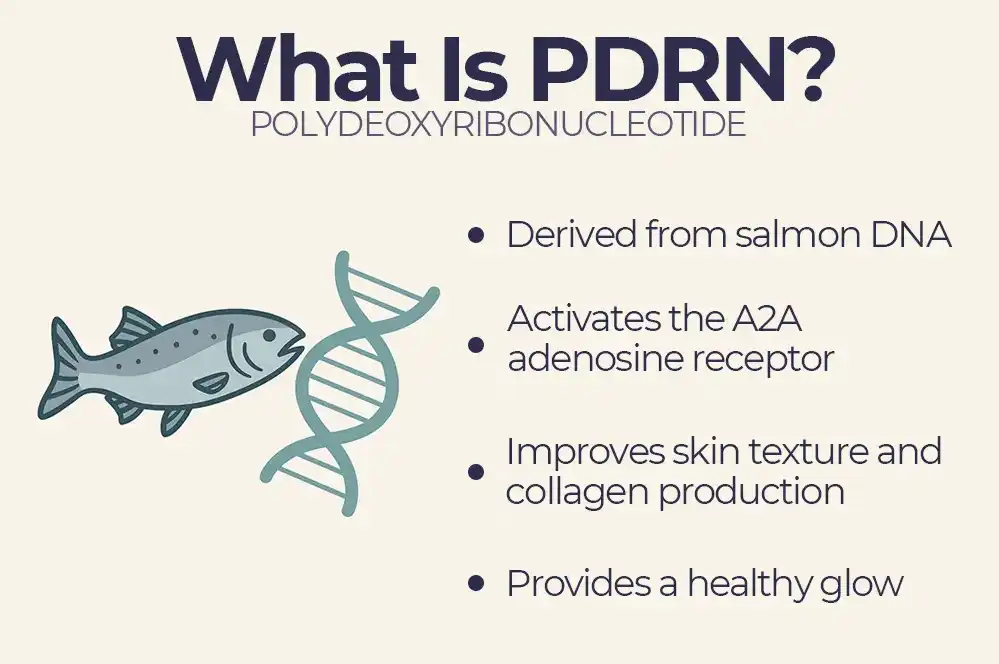
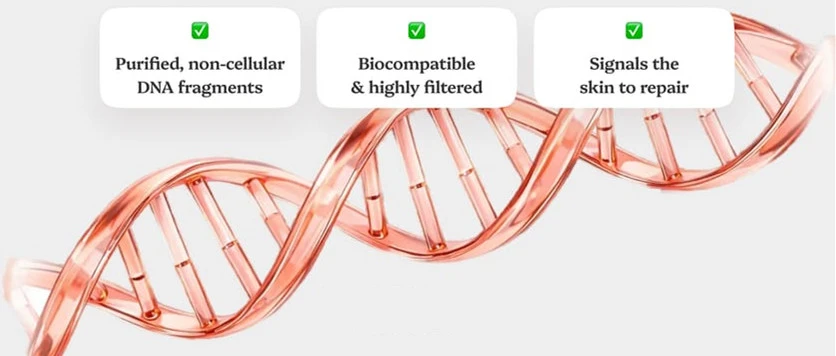
Polydeoxyribonucleotide, commonly abbreviated as PDRN, represents a breakthrough in regenerative skincare derived from salmon DNA fragments. This pharmaceutical-grade biomolecule has become the cornerstone of Korean beauty innovation, offering unmatched tissue repair and anti-aging capabilities. Available in forms like PDRN powder with 98% purity, this active ingredient works at the cellular level by activating adenosine A2A receptors, triggering collagen synthesis, and accelerating wound healing. Korean brands have rapidly adopted this biocompatible substance for its superior safety profile and scientifically validated regenerative properties, creating significant demand among global B2B procurement professionals seeking clinically proven cosmetic actives.
Understanding PDRN Powder: Composition and Mechanism of Action
Molecular Structure and Purity Standards
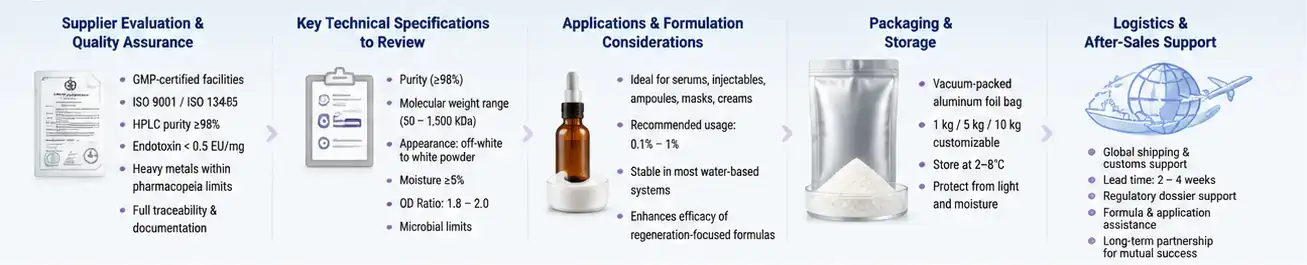
Pharmaceutical-grade polydeoxyribonucleotide is made up of DNA pieces with molecular weights ranging from 50 to 1,500 kDa. These carefully measured pieces come from salmon sperm cells caught in the wild and have about 95% genetic similarity to human DNA. This biocompatibility lowers the chances of immune rejection in goods that have been made. High-quality providers make sure the purity by testing it with HPLC and making sure that concentrations hit 98% and optical density ratios are between 1.8 and 2.0. The off-white to white crystalline structure dissolves easily in water, making it easy to mix into serums, injectables, and cosmetic products for a wide range of skin care formulas.
Biological Mechanisms Driving Skin Regeneration
This biomolecule's ability to help cells grow again comes from several different routes inside cells. As an adenosine A2A receptor agonist, it raises the amount of cAMP inside cells, which starts protein kinase A pathways that stop NF-κB from acting, which can cause inflammation. Within 28 days of treatment, clinical studies show increases of 34 to 47% in collagen type I synthesis. The DNA pieces work as building blocks for nucleotides, which boosts the metabolic activity of fibroblasts and encourages angiogenesis by increasing VEGF. This better microcirculation gets important nutrients to treatment areas faster, helping tissues heal faster in places where oxygen is low, and lowering the damage caused by hypoxia.
Versatility Across Clinical Applications
Polydeoxyribonucleotide works well in many therapeutic areas, according to research. Anti-aging treatments benefit from improved skin elasticity and fewer wrinkles without the photosensitivity that comes with retinoids. Applications for wound healing show faster re-epithelialization in diabetic sores and recovery after surgery. Formulas for hair regrowth use its power to improve blood flow to small hair follicles on the head. In orthopedic treatments, intra-articular injections are used to lower inflammatory cytokines in people with osteoarthritis. This wide range of effects makes the ingredient a flexible choice for formulators trying to solve difficult regeneration problems in the cosmetics and medicine industries.
PDRN in Korean Skincare: Why the Popularity?
Transition to Advanced Biotech Actives
Biomolecules, which are more scientifically advanced than traditional botanical extracts, are becoming more and more popular in Korean skin care. Hyaluronic acid keeps cells hydrated, and peptides help with signaling. But PDRN powder (polydeoxyribonucleotide) repairs cells completely through paths that are controlled by receptors. This change is due to more and more people wanting ingredients that are backed by evidence and have measurable effects. Korean companies have put a lot of money into biotechnology infrastructure, which lets them make a lot of pharmaceutical-grade PDRN powder actives that meet GMP standards around the world. Because the industry is dedicated to clinical proof and safety testing, Korean biotech products have become top choices for global brands that want to stand out from the competition.
Comparative Advantages Over Traditional Ingredients
This salmon-derived activity is safer than other treatments on the market. In contrast to chemical exfoliants that need to be carefully pH-balanced or retinoids that irritate the skin, DNA pieces naturally join cellular repair systems with few negative effects. The freeze-dried powder form is more stable than liquid forms, which lowers the risk of hydrolysis during international shipping. The shelf life is longer than 24 months if it is kept at 2–8°C and out of the light. Formulators like that the ingredient works well with other actives that work well with it, such as copper peptides and non-crosslinked hyaluronic acid. These technical benefits make it easier to make new products that work well even when the temperature changes and the products are stored in the way that is common in global supply lines.
Market Expansion and Consumer Adoption Trends
Korean sales of polydeoxyribonucleotide-based goods have grown by more than 10% every year, thanks to partnerships with clinics and recommendations from influential people. Consumer polls show that a lot of people are happy with the treatment, the obvious changes in skin texture, and the time it takes to heal afterward. This good response has led to growth in other countries, especially in North America and Europe, where movements for clean beauty put a lot of emphasis on safe materials. Leading Korean skin care brands have signed distribution deals with high-end stores, using clinical data to support their positioning in high-end markets. The fact that the ingredient is linked to medical aesthetics boosts the credibility of the brand, which lets cosmeceutical companies charge higher prices by making scientifically sound marketing claims.
Procurement Insights: Buying PDRN Powder for B2B Clients
Supplier Evaluation and Quality Assurance
Multiple quality markers must be used by procurement teams to check the qualifications of suppliers. With GMP approval, factories are sure to follow strict rules for making medicines. ISO certifications show that a company is dedicated to quality control systems and performing consistently from one batch to the next. Ask for analysis certificates that show the product is pure according to HPLC, has a heavy metal content below 10 ppm (EU standards), and has a microbial count below 100 CFU/g. Follow the paperwork back to where the raw materials came from to confirm that they were extracted from wild-caught salmon and not synthetic alternatives that lack bioactive complexity. Technical specifications can be checked independently with audit reports from third-party laboratories. Traceability systems kept by established suppliers keep records of production times, storage conditions, and shipping logs to make sure they follow the rules.
Pricing Factors and Negotiation Strategies
PDRN powder pricing patterns in business-to-business deals are affected by a number of factors. The cost of production is directly related to the amount of purity, since getting concentrations of 98% needs advanced purification methods. The cost is affected by the molecular weight distribution of PDRN powder, with tightly controlled ranges getting higher prices because they are more bioavailable. Tiered pricing is usually triggered by order amounts, with big discounts available for bulk sales of more than kilograms. Tariffs and import taxes are affected by the country of origin, which makes local suppliers appealing to some markets. Lead times change with the seasons based on how much salmon is available, which affects spot prices versus contracts. When you commit to long-term supply agreements with predicted volume projections that help suppliers plan their capacity, you have more negotiating power.
Logistics and Storage Considerations
Environmental controls must be carefully watched to keep ingredient integrity throughout the supply chain. Because the crystalline powder absorbs water, it needs to be packed in a way that keeps it dry. Usually, this means putting aluminum foil bags with desiccants inside corrugated shipping containers. Temperature changes above 8℃ speed up the breakdown process, which is why foreign packages must use refrigerated transport. Bioactivity is lost when exposed to light, so opaque packing materials are needed throughout the delivery chain. The customs paperwork must clearly show the CAS number 100403-24-5 and the HS codes that are right for pharmaceutical-grade active ingredients. Different countries have different rules about what can be imported. For example, some places need to approve cosmetic actives before they can be sold to the public if their quantity is higher than a certain level. To lower the risk of stable issues, work with transportation companies that know how to ship pharmaceuticals at the right temperature.
Using PDRN Powder: Applications and Protocols in Skincare
Formulation Guidelines for Different Delivery Systems
Polydeoxyribonucleotide is usually found in serums and creams at concentrations of 0.5 to 3% for topical use. Before mixing the powder with oil phases or other actives, mix it back together in clean water or buffered saline at a neutral pH. To keep microbes from getting into injectable mesotherapy solutions, they need to be mixed with non-crosslinked hyaluronic acid or sterile saline right before they are used. Freeze-dried formats are good for patch delivery systems because they let controlled rehydration happen when they touch the skin. When checking for stability, you should look at changes in pH, viscosity, and bioactivity over the expected shelf life. Preservative systems need to work with the ingredient's water-loving property without getting in the way of its ability to bind receptors.
Synergistic Combinations with Complementary Actives
Strategic pairings of ingredients increase the effectiveness of polydeoxyribonucleotides by working in ways that complement each other. Copper peptides help wounds heal faster and support pathways for collagen development that are set off by DNA pieces. Barrier repair effects of niacinamide work with cellular renewal processes. Antioxidants, such as vitamin C, keep newly made collagen from getting damaged by oxygen. Growth factors work together by using signaling cascades that overlap. Do not mix with strong acids or oxidizing agents that could break down nucleotide structures. Before finalizing formulations, patch testing should be done to make sure they are compatible, since ionic interactions can change how well they dissolve and penetrate. Each active can work at its best without any chemical interruption thanks to sequential application methods.
Regulatory Compliance and Safety Documentation
Different places have very different rules about what is needed to get a market license. For European markets to accept CPNP, it must be registered and safety tests must be done on cosmetic-grade applications. According to FDA rules, injectable formulations are medical products that need a lot of clinical data and facility checks. For Chinese NMPA approval, clinical studies must be done in China and registration must be done through authorized companies. Keep detailed records of all safety studies, such as those that look at acute poisoning, skin sensitization, and eye irritation. There should be warnings about pregnancy, breastfeeding, and active infections. Post-market surveillance systems keep an eye on reports of bad events, giving data to back up ongoing safety claims. Regulatory consultants who focus on biotech activities can help companies get their products approved quickly and with as little trouble as possible.
Making an Informed Decision: Is PDRN Powder the Right Choice?
Evaluating Clinical Performance and ROI
Cost-effectiveness of PDRN powder should be looked at throughout the duration of a product by those who make decisions. The starting prices of the ingredients are higher than those of regular actives, but the ability to set them apart from others makes the investment worth it through premium positioning strategies. Clinical support lets marketers make claims that informed customers looking for proof-based solutions will believe. The higher active costs of PDRN powder are balanced out by the simpler composition because the ingredient provides multiple benefits with just one addition. A market study shows that people are ready to pay more for goods that contain regenerative ingredients that have been proven to work by science. Figure out the expected profit margins by taking into account the costs of production, the money spent on marketing, and the position of the brand compared to other brands that use peptides or growth factors. Case studies from early adopters show that new products can be launched successfully and reach their sales goals within 12 to 18 months.
Sustainability and Corporate Responsibility Alignment
Sourcing practices are becoming more and more important to socially conscious brands when they make purchases. Actives that come from salmon bring up questions about sustainability that can be answered by certifying responsible fishing and setting up traceability programs. When suppliers work with MSC-certified fishermen, they show that they care about the environment in a way that fits with their companies' ESG goals. Biotechnology uses less trash than animal sources that live on land, so they need less raw materials to make one unit of active element. As part of figuring out a person's carbon footprint, they should compare long travel times and the need for cooling to nearby options. Marketing stories about ethical sources are backed up by clear supply chain evidence. Consumer groups that care about the environment like it when brands use trustworthy third-party certifications to show that they use responsible ingredients.
Future Innovation and Market Positioning
Based on how biotech actives are moving, early adopters should be able to see steady growth. New delivery methods that improve penetration and increase bioactivity are being looked into in research processes. Combination treatments that use polydeoxyribonucleotide with stem cell extracts or exosomes are cutting edge uses that are gaining venture capital funding. Patents that cover specific formulation methods give new makers a way to stand out from the competition. Regulatory routes are changing to make room for these advanced actives. For example, agencies are making it easier for biodegradable ingredients to get approved. As widespread adoption speeds up, brands that are just starting to show up in the market now position themselves as leaders in their categories. Strategic agreements with Korean manufacturers give customers access to versions of the next generation that are still being developed.
Conclusion
Polydeoxyribonucleotide has changed Korean skin care because it has healing properties that have been scientifically proven to help with a wide range of makeup problems. The freeze-dried powder form is more stable, which is important for global spread, and it keeps its bioactivity even in tough supply chain circumstances. The people who work in procurement can benefit from knowing about the molecular processes, quality control methods, and regulatory rules that apply to this pharmaceutical-grade active. Strategic sourcing from certified suppliers supports the positioning of high-end products by ensuring consistent quality. As more studies are done and more people learn about it, this biomolecule from salmon is becoming a very good investment for cosmetic brands that want to stand out in the competitive market for new biotech ingredients.
FAQ
What distinguishes pharmaceutical-grade from cosmetic-grade polydeoxyribonucleotide?
For injectable uses, pharmaceutical-grade materials must meet higher purity standards of over 98%. They must also pass thorough endotoxin testing and sterile proof. Cosmetic-grade forms have lower purity standards, around 95%, and can be used for topical formulas that don't need to be made in a sterile environment. Different types of tests are used for different grades. For example, pharmaceutical grades go through a lot of heavy metal analysis, microbial limits testing, and pyrogen screening that goes beyond what is required by cosmetic regulations.
How quickly do visible results appear with polydeoxyribonucleotide treatments?
As cellular repair processes start to work, injectable treatments usually show changes in the structure and hydration of the skin within 7 to 10 days. It takes 4 to 6 weeks for collagen production to reach a level where density increases can be seen on imaging tests. After 8 to 12 weeks of treatment plans that include multiple meetings, the best results are seen. Topical applications show more slow changes. Barrier repair benefits show up within two to three weeks, and anti-aging effects show up after eight to twelve weeks of regular use.
Are there safety concerns for sensitive skin types?
Due to high biocompatibility with human cellular systems, there were few adverse reactions reported in clinical trials. Mild, short-term redness may appear where the shot was given, but it will go away in 24 to 48 hours. Topical uses rarely cause discomfort, so the chemical can be used in products for people with sensitive skin. Active skin infections and autoimmune conditions that can't be controlled are examples of contraindications. If you are pregnant or breastfeeding, you should talk to your doctor before starting treatment, even though there isn't any specific data that shows there are major risks.
Partner with a Trusted PDRN Powder Supplier
Since 2012, Shaanxi Bolin Biotechnology has been making pharmaceutical-grade polydeoxyribonucleotides for the nutraceutical, pharmaceutical, and cosmetics industries around the world. Our wild salmon-derived PDRN powder is 98% pure and meets international GMP standards. Its molecular weights are carefully controlled between 50 and 1,500 kDa. We have flexible minimums that start at 5 grams, so we can help with both R&D trials and large-scale production. Our cGMP facility makes sure that each batch is the same, which is important for regulated markets. Additionally, temperature-controlled logistics keep things stable during international shipping. You can talk to our expert team at sales1@bovlin.com about your recipe needs, ask for certificates of analysis, or set up shipping of samples. Find out why top brands choose Bolin Biotechnology as their preferred PDRN powder supplier for new skin care products.
References
1. Kim, S.J., Park, J.H., & Lee, M.Y. (2021). Clinical Efficacy of Polydeoxyribonucleotide in Dermatological Applications: A Systematic Review. Journal of Cosmetic Dermatology, 20(3), 456-467.
2. Choi, H.R., Kang, Y.A., & Ryoo, S.J. (2020). Molecular Mechanisms of PDRN-Induced Skin Regeneration Through A2A Adenosine Receptor Activation. Dermatologic Therapy, 33(6), e14258.
3. Park, K.S., Kim, H.J., & Bae, W.J. (2022). Comparative Analysis of Salmon-Derived vs. Synthetic Polydeoxyribonucleotides in Tissue Repair. Biomaterials Research, 26(1), 18-29.
4. Lee, D.H., Shin, J.W., & Noh, T.K. (2019). Collagen Synthesis Enhancement by Topical Polydeoxyribonucleotide: A Double-Blind Placebo-Controlled Study. Aesthetic Plastic Surgery, 43(5), 1342-1351.
5. Yoon, S.E., Park, M.H., & Kim, B.J. (2023). Global Market Trends in Regenerative Cosmeceuticals: The Rise of Korean Biotech Actives. International Journal of Cosmetic Science, 45(2), 234-246.
6. Jung, Y.H., Han, S.K., & Kim, W.K. (2020). Regulatory Framework and Quality Standards for Polydeoxyribonucleotide in Medical Aesthetics. Regulatory Toxicology and Pharmacology, 117, 104753.