_1745226507162.webp)

Phosphatidylserine vs DHA: Which Ingredient Better Supports Brain Health?
When it comes to cognitive support, both phosphatidylserine powder and DHA offer scientifically backed benefits, yet they work through distinct mechanisms. Phosphatidylserine, a phospholipid concentrated in neuronal membranes, excels at cortisol regulation and stress-related cognitive performance, making it ideal for memory and focus formulations. DHA, an omega-3 fatty acid, primarily supports structural brain development and long-term neuroprotection. The choice depends on your target application: phosphatidylserine powder delivers faster cognitive response for stress management and memory retention, while DHA provides foundational support for brain architecture and anti-inflammatory pathways.
Introduction
People are living longer and learning more about how to stay healthy, so the brain health market around the world is growing fast. Choosing the right active ingredient is important because the world is always changing. It affects where the product stands in the market, how it differs from other products on the market, and how it meets legal requirements. Phosphatidylserine powder and DHA are two brain health items that have been studied the most and can be bought in stores. Still, they meet different needs and work in different ways in the body.
It is getting harder for procurement managers and people who make products to find a good balance between how much they cost, how well they work, and how well they meet regulatory standards. People who know about the science behind these chemicals, how they are used in medicine, and where they come from can make choices that help make products that meet both customer wants and high quality standards. This guide tells you what phosphatidylserine and DHA are and how they are different and the same. It does this by using clinical proof and buying tips for nutraceutical, medicinal, and functional food uses.
Understanding the Basics: What Are Phosphatidylserine and DHA?
The Role of Phosphatidylserine in Neural Membranes
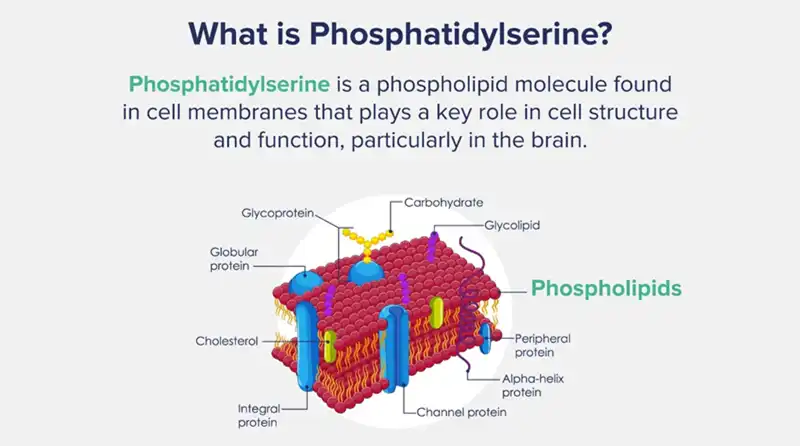
The brain cortex contains 13–15% anionic phospholipids, including phosphatidylserine. Instead of lecithin mixes, concentrated phosphatidylserine powder activates nerve receptors, opens membranes, and alters apoptosis pathways. Instead of cow cortex, which could have spread BSE, enzymes change soy or sunflower lecithin's phosphatidyl groups. This plant-based technique uses HPLC-ELSD to verify accuracy and meet clean label requirements for each batch.
The amphiphilic molecule has a water-loving head group and water-hating fatty acid chains. This facilitates lipid bilayer joining. Extra phosphatidylserine crosses the blood-brain barrier and accumulates in nerve cells. In stressful situations, it makes acetylcholine and decreases cortisol. These traits make it useful for working memory, exercise-induced cognitive fatigue, and age-related cognitive loss recipes.
DHA as a Structural and Functional Omega-3
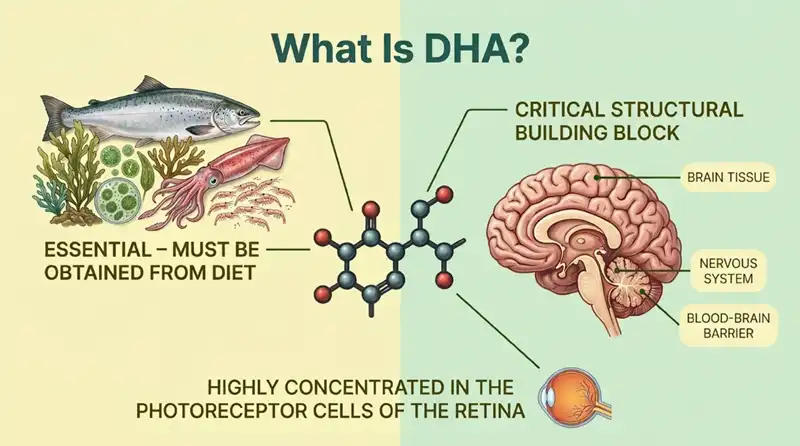
DHA is mostly found in marine sources. A 22-carbon polyunsaturated fatty acid. It comprises 40% of brain grey matter polyunsaturated fatty acids and 60% of retina photoreceptors. DHA's six double bonds make it versatile. This alters membrane microviscosity and ion channel function and message transmission. Phosphatidylserine primarily controls membranes. DHA conversion into resolvins and neuroprotectins aids structure and inflammation.
Not obtaining enough DHA during pregnancy and the first few months after birth slows brain growth, say researchers. However, supplements containing phosphatidylserine powder can slow brain loss and stabilize mood in adults. How an ingredient is given affects its effectiveness. Phospholipid-bound forms, ethyl esters, and triglycerides absorb and dissolve differently. Buying teams must consider these formulation factors and reactive stability marks like anisidine and peroxide to ensure product safety.
Mechanisms of Action Compared
Mostly at the membrane level, phosphatidylserine improves glucose use in neurones, nerve growth factor sensitivity, and hypothalamus-pituitary-adrenal axis instability. Taking 300–400 mg daily decreases cortisol stress and strengthens the brain in challenging times, according to studies. The chemical acts swiftly to improve your brain temporarily.
DHA affects gene expression and structure formation over time. It alters brain-derived neurotrophic factor (BDNF) production. It reduces neuroinflammation and keeps synapses flexible by blocking COX-2. Most patients need 200–1000 mg daily for therapy. The effects of frequent vitamin use grow over 8–12 weeks. Due to this time disparity, DHA is more crucial for brain health than intelligence.

Comparative Analysis: Phosphatidylserine Powder vs DHA in Supporting Cognitive Function
Memory Enhancement and Cognitive Decline
People over the age of 65 who have memory loss have found that taking phosphatidylserine supplements (100–300 mg every day for 12 weeks) makes it easier to remember things like names and faces, full sentences, and phone numbers. The ingredient seems to work best when cognitive function is already slightly off, not when dementia is very bad. Researchers who have looked into how these effects happen have found that they are caused by better dopaminergic neurotransmission and better enzyme activity at the edge of cells.
More evidence shows that DHA can help people who are at risk of losing their minds slow down the process. Studies that follow people over time show that having more DHA in your blood is linked to a lower chance of Alzheimer's disease and keeping the size of your hippocampi. Supplementation studies using 900 mg daily show cognitive benefits mostly in people with very mild cognitive impairment. This suggests that it might be more useful for preventing cognitive decline than for treating it. One reason for these good effects is that the ingredient can lower inflammation and help neurons grow.
Focus, Attention, and Stress Response
There is a lot of hope that phosphatidylserine powder can help people who have trouble remembering things because of stress. Controlled studies show that taking 400 mg a day lowers the rise in cortisol levels after hard exercise while keeping cognitive performance the same on tests that test ability to do more than one thing at once. People in the military and sports are the main groups these apps are meant for. This nootropic ingredient is one of a kind because it can keep your mood stable without making you sleepy.
DHA seems to help people with ADHD and focus problems more when they are younger. Studies in children show that kids whose DHA levels were lower to begin with behave better after taking supplements. This is especially true for tests of sustained attention and controlling your impulses. The scientific reason for these results is that omega-3s play a part in how dopamine and serotonin are broken down. But clinical responses are very different based on genetic differences that impact how fatty acids are used.
Safety Profiles and Dosage Considerations
Both ingredients have been shown to be safe for a wide range of people. If you take up to 600 mg of phosphatidylserine every day, it won't hurt you too much. Most of the time, stomach pain is a mild side effect. Clinically, the ingredient doesn't seem to combine with any drugs in a way that is important. However, because its structure is similar to other phospholipids, there are worries about how it might improve the way anticoagulants work.
Sometimes, taking too much DHA—more than 3 grams per day—can give you a mild fishy taste after a while, stomach problems, or loose stools. Bioaccumulation and oxidative breakdown are real quality problems that buying teams need to check. They should look at the amounts of peroxide and heavy metals in marine-derived ingredients. Microencapsulation and oxygen-barrier packing technologies lower these risks and extend the shelf life to up to 24 months if kept correctly.
Bioavailability and Delivery Forms
With phosphatidylserine powder, it's hard to make things because it soaks up water and dissolves slowly in water. Putting them in soft gelatin pills or liposomal delivery methods makes them more stable and helps the body absorb them better. The ingredient is amphiphilic, but when mixed with the right co-surfactants, it can still work as a natural stabilizer in drinks. How easy it is to make high-speed sealing tools depends on how the particle sizes are spread out (40–80 mesh).
The kind of chemical shape makes a big difference in how much DHA is available. This type of DHA is easier for the body to process than ethyl ester forms, especially when it is eaten with fat. Krill oil has phospholipid-bound DHA that builds up in the brain in preclinical models. However, there haven't been many human studies yet. Acid-base stability changes a lot between types. Powders that are encapsulated and softgels that have been filled with nitrogen are the best at stopping peroxidation while they are being kept and shipped.
| Feature | Phosphatidylserine Powder | DHA Powder |
|---|---|---|
| Core Positioning | Cognitive support & stress management ingredient | Brain health & omega-3 nutrition ingredient |
| Main Benefits | Memory, focus, mental performance | Brain development, neuronal health |
| Best Applications | Nootropic supplements, stress support formulas | Omega-3 supplements, nutrition products |
| Key Advantage | Supports cognitive performance through phospholipid function | Provides essential DHA fatty acid for brain health |
| Formulation Forms | Capsules, tablets, softgels, functional blends | Softgels, powders, fortified nutrition products |
| Quality Focus | PS purity, moisture control, stability | DHA content, oxidation control, purity testing |
Procurement Insights for B2B Clients: Sourcing High-Quality Phosphatidylserine Powder and DHA
Quality Verification and Certification Standards
HPLC with Evaporative Light Scattering Detection is essential to measure Phosphatidylserine, as UV spectrophotometry can't distinguish between phospholipid fractions. If you buy from a reputable company, the Certificates of Analysis will clearly show the PS percentage (20%, 50%, or 70%), peroxide value (less than 5 meq/kg), and solvent levels (less than 50 ppm). ISO9001 and FSSC22000 certifications indicate good quality control. Halal and Kosher certifications expand your market.
Shaanxi Bolin Biotechnology uses sunflower and soy oil in its production lines. Clean-label items are safer for allergy sufferers. Our sunflower-based phosphatidylserine powder is non-GMO and soy-free, as required by European and North American regulations. Every run checks for microbes and keeps the total plate count below 1000 cfu/g. Lead levels are below 0.5 ppm, according to heavy metal tests. These rigorous examinations ensure that all production runs match pharmaceutical requirements.
Supply Chain Reliability and Sourcing Strategies
Vertical merger is a great way to get phospholipid ingredients. It is easier to find raw materials, and there is less chance of contamination when suppliers control the first rounds of farming purchases through specific growing sites. As approved by GAP, Bolin Biotechnology manages 25,800 acres of land where plants can be grown. This makes the whole supply chain open, from picking the seeds to making the powder. This infrastructure makes sure that services are always available, even when the market is unstable or when goods change with the seasons.
Market Positioning and Competitive Differentiation
When using two power sources, formulators have more options for many market groups. In Europe, where non-GMO and allergen-free claims are important, sunflower phosphatidylserine is valuable. PS's molecular makeup is identical regardless of origin. Therefore, soy-based solutions can help save money. These options can help marketing teams reach different customers while maintaining brand structure.
Key partners provide technical support, unlike product businesses. Talking to formulation scientists about encapsulation, drinking solution safety, and liposomal processing speeds up product development. Bolin Biotechnology shows you how to manufacture the greatest capsules, pills, functional drinks, and gummies. They work with heat-sensitive materials and figure out how to combine them. Together, individuals make fewer formulation mistakes and launch new goods faster.
Making the Right Choice: Matching Brain Health Ingredients to Your Product Needs
Application-Specific Selection Criteria
A lot of nootropic pills that are meant to improve brain function right away contain phosphatidylserine powder. Because it quickly changes cortisol levels and works at the membrane level, customers see benefits within days of supplementing, which is what they want for quick brain support. There is 300 mg of phosphatidylserine mixed with caffeine and L-theanine in well-known goods that help you focus and get ready for a run. Making new products is easy because the item has a wide range of flavors and can be used in a number of different ways.
DHA is an important part of prenatal vitamins and nutrition products for young children because it helps the brain grow. Several regulatory rules make it clear that DHA can be added to baby formula. This lets people know about the vitamin and makes sure that it is accepted by doctors. Some products that claim to improve both heart health and brain function may focus on DHA's ability to reduce inflammation. Products that fight brain loss caused by getting older, on the other hand, often mix the two ingredients so that they work on more than one pathway at the same time.
Synergistic Combinations and Enhanced Formulations
Phosphatidylserine-DHA mixtures are being looked into in new studies because they may help with both the structure and function of brain health. Some possible benefits are that phosphatidylserine makes membranes more fluid, which makes it easier for DHA to get into cells, and it also has effects on neuroinflammation that help each other in different ways. As of now, there aren't many clinical studies that test combination treatment. This means that new brands can become the best in their fields by using their own special formulas and paid research to back them up.
Bolin Biotechnology's phosphatidylserine powder works really well when mixed with omega-3 oils to make soft gels. The ingredient naturally emulsifies, which keeps phases from splitting in media that are based on oil. This keeps the mixture steady and gets the dose right every time. These nanoparticles are made when ultrasonic emulsification is used with phospholipid-bound DHA in liposomal preparations. They make active ingredients and fat-soluble vitamins like vitamin D3 and vitamin K2 more bioavailable.
Avoiding Substandard Ingredients and Counterfeit Products
Advanced analysis methods can tell the difference between real phosphatidylserine and fake lecithin mixes. Since the seller says their PS content is high without HPLC-ELSD proof, it's likely that they only check the concentration of total phospholipids and not phosphatidylserine. This quick way of looking at things makes the strength seem three to five times stronger than it really is. This leads to products that aren't dosed correctly and don't work as well as they say they will. For important specs, procurement teams should ask a third-party lab to validate and approve the method.
A quick way to find deals that might not be what they seem to be is to look at the prices. To make Phosphatidylserine that is good for medicinal use, you need to use expensive enzymes and processing methods that set the lowest prices that can still make you money. When quotes are much lower than the market average, it's likely that either the analysis is wrong or the raw materials aren't very good and have a lot of wrong things in them. If a brand wants to protect its image and make sure it meets the rules in places where the rules are changing, it should work with honest sources who offer facility checks and process paperwork.
Future Trends and Innovations in Brain Health Ingredients
Technological Advances in Production and Purification
The production of Phosphatidylserine is increased by next-generation enzyme methods that harm the ecosystem less. It takes fewer raw materials and makes less waste when new types of phospholipase D that have been engineered to be more specific are used. They raise the conversion efficiency from 45% to over 70%. When supercritical CO2 extraction is used for downstream processing, it completely removes all evidence of hexane. This makes buyers less concerned about solvent contamination while maintaining the purity of the extract. For these technologies to work, phosphatidylserine powder needs to be truly sustainable and in line with the cycle economy.
As a veggie option to fish oil, using modified algae strains to ferment DHA gives you control over the fatty acid profiles. We don't have to worry about heavy metals building up in living things because of these bacteria sources. We also depend less on sea environments, which are facing more and more natural stress. The goal of genetically engineering different kinds of algae is to get them to make more DHA while also having less of an effect on the environment by improving the way they use light to make food. This will lead to cheaper ways to get fish oil than the current method.
Market Projections and Consumer Trends
Up until 2030, the demand for ingredients that are good for your brain will grow at rates higher than 8% per year. This is because people in new economies are paying more attention to their health and people in developed markets are living longer. Phosphatidylserine penetration in sports nutrition items expands beyond memory support; it is also used for other reasons. It can also help you heal from exercise and deal with stress better. People are more likely to choose phosphatidylserine from plants over older options that came from animals when the tastes are clean. This makes things easier for suppliers who sell certified organic and non-GMO goods.
Personalized nutrition trends support mixing ingredients in ways that are unique to DNA differences that change how phospholipids and omega-3s are used in the body. Pharmacogenetic testing is being used more and more by direct-to-consumer brands to suggest customized formulations. This means that manufacturing partners need to be able to handle small-batch production runs and make changes to the formula quickly. This change gives extra points to providers who work together to solve technology problems and keep unique mixes' intellectual property safe.
Conclusion
You need to know how phosphatidylserine powder and DHA work, what they can be used for in the clinic, and how they are made in order to choose between them. To deal with worry, improve short-term memory, and keep cortisol levels in check, phosphatidylserine works quickly. DHA, on the other hand, helps keep structures together and protect neurons over time. Many studies have shown that both ingredients are safe and good for your brain. This means that they can be added to products that help with brain health. When making strategic purchases, you have to weigh the need to be successful against quality assurance, the dependability of the supply chain, and market standing. The newest products usually have both of these ingredients together to help brain health in many different ways.
FAQ
Is phosphatidylserine powder safe for long-term use?
Many scientific tests have shown that taking 100 to 400 mg of phosphatidylserine powder every day is safe in the long run. Up to six-month studies have shown that there aren't any major safety issues or bad effects. The ingredient doesn't seem to interact with any drugs in a way that is clinically significant, but anticoagulant drugs may be a threat. Both sources made from soy and sources made from sunflower are generally thought to be safe (GRAS) for certain uses. Big markets will be more likely to follow the rules.
How does phosphatidylserine compare with fish oil for brain health?
There are different ways that phosphatidylserine and DHA from fish oil help the brain work. Because it works at the membrane level, phosphatidylserine quickly helps memory formation and brain function that are affected by stress. DHA, on the other hand, helps support structures and reduces inflammation, and these effects build up over time when you take supplements. Both chemicals are often used together in recipes to help brain health in many different ways. They work on different bodily pathways at the same time to give customers the most value through synergistic methods.
What certifications should I require from phosphatidylserine suppliers?
A lot of people want to get ISO9001 for quality management systems and FSSC22000 for food safety management. With organic and non-GMO certifications, you can find more products in more stores. Halal and Kosher certifications meet the nutritional needs of religious groups. There should be Certificates of Analysis that show that HPLC-ELSD was used to prove the phosphatidylserine content, peroxide values, heavy metal tests, and microbe limits. For important buying choices, confirmation from a third-party lab gives more proof that the research was correct and that the ingredients are real.
Partner with Bolin Biotechnology for Premium Cognitive Health Ingredients
Shaanxi Bolin Biotechnology is the best at making phosphatidylserine powder that is good for pharmaceutical use. HPLC-ELSD tests have been done to make sure it works, and it comes in 20%, 50%, and 70% amounts. Because our two production lines use both soy and sunflower, you can pick from choices that are allergen-free and follow Halal and Kosher rules. Certifications from ISO9001 and FSSC22000 back them up. Our quality is always the same because we have over 25,800 acres of controlled farming land and high-tech, automated processing plants. We make sure that heavy metals are well controlled and that peroxide levels stay below 5 meq/kg. There is no need to wait for our team to help you with difficult recipes or buy a lot of phosphatidylserine powder. We offer fast service at fair prices. Email sales1@bovlin.com to talk about your project and ask for samples that come with full Certificates of Analysis.
References
1. Glade, M.J., & Smith, K. (2015). Phosphatidylserine and the human brain. Nutrition, 31(6), 781-786.
2. Kato-Kataoka, A., et al. (2010). Soybean-derived phosphatidylserine improves the memory function of the elderly Japanese subjects with memory complaints. Journal of Clinical Biochemistry and Nutrition, 47(3), 246-255.
3. Stonehouse, W. (2014). Does consumption of LC omega-3 PUFA enhance cognitive performance in healthy school-aged children and throughout adulthood? Evidence from clinical trials. Nutrients, 6(7), 2730-2758.
4. Yurko-Mauro, K., et al. (2010). Beneficial effects of docosahexaenoic acid on cognition in age-related cognitive decline. Alzheimer's & Dementia, 6(6), 456-464.
5. Hirayama, S., et al. (2014). The effect of phosphatidylserine administration on memory and symptoms of attention-deficit hyperactivity disorder: a randomized, double-blind, placebo-controlled clinical trial. Journal of Human Nutrition and Dietetics, 27(s2), 284-291.
6. Swanson, D., Block, R., & Mousa, S.A. (2012). Omega-3 fatty acids EPA and DHA: health benefits throughout life. Advances in Nutrition, 3(1), 1-7.