_1745226507162.webp)

What is pumpkin seed protein powder?
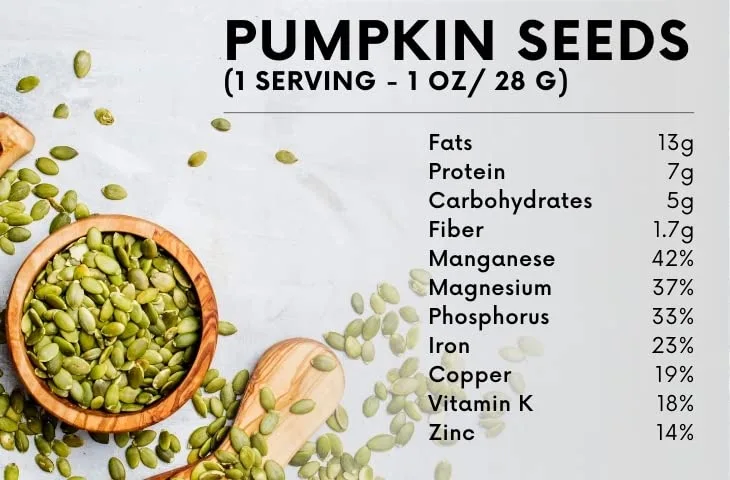
Pumpkin Seed Protein Powder is a plant-based protein concentrate derived from cold-pressed pumpkin seeds (primarily Cucurbita pepo or Cucurbita moschata) through specialized defatting and milling processes. After oil extraction, the remaining seed cake undergoes fine grinding and standardization, yielding a nutrient-dense powder rich in essential amino acids—particularly tryptophan, glutamate, and arginine. This naturally gluten-free, dairy-free, and soy-free ingredient serves as a versatile functional component in nutraceutical formulations, functional foods, and personal care applications, addressing growing consumer demand for clean-label, allergen-friendly protein sources.
Introduction
As people around the world move toward plant-based diets, pumpkin seed protein has become an important ingredient in functional foods, dietary supplements, and pharmaceuticals. Understanding the technical details, sourcing dynamics, and possible uses of pumpkin seed protein is important for procurement professionals as they deal with changing consumer tastes and regulatory environments. This guide gives people who make business-to-business decisions—like product formulators, regulatory teams, and supply chain managers—a complete way to look at Pumpkin Seed Protein Powder. We look at how to make the protein, how it compares to other protein sources, how to formulate it, the best ways to buy it, and the rules that must be followed. This gives your team information that they can use to drive innovation and practical greatness.
Understanding Pumpkin Seed Protein Powder
Production Process and Quality Standards
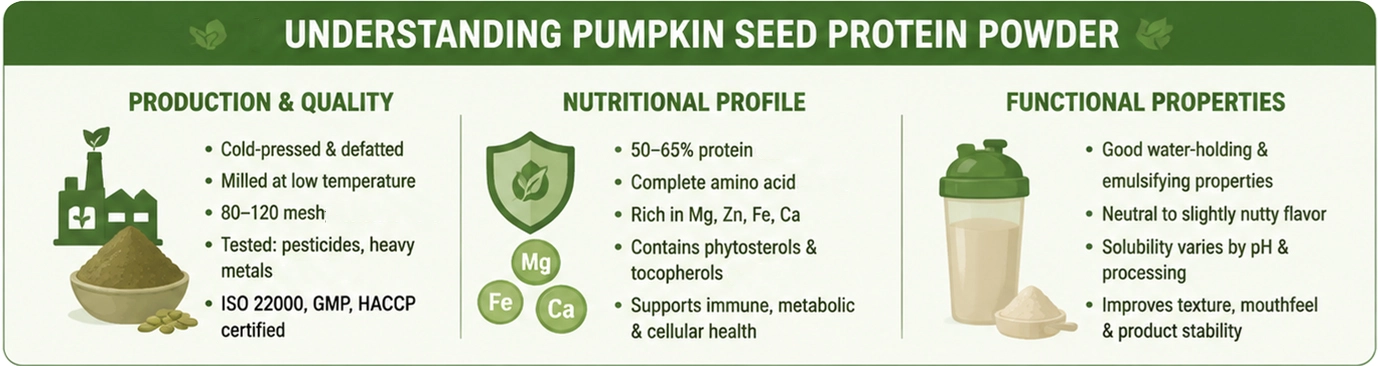
First, raw pumpkin seeds are chosen, and then they are cold-pressed to get rid of the lipid content while keeping the thermosensitive bioactive compounds. The defatted seed cake is then milled under controlled conditions at room temperature or lower temperatures, which keeps the proteins from breaking down. Advanced sellers use uniform particle size distribution (usually 80–120 mesh) and moisture control methods (below 8%) to make sure the product can flow and stay stable on the shelf. Manufacturers who care about quality keep track of where their seeds come from all the way through to testing the finished product. At each stage of production, they record pesticide residue analysis, heavy metal screening, and microbiological verification. This methodical approach helps with meeting the requirements for ISO 22000, GMP, and HACCP certifications, which are important for pharmaceutical and nutraceutical uses.
Nutritional Profile and Bioactive Components
Pumpkin Seed Protein Powder is different from other plant proteins because of how its nutrients are organized. Depending on how much it is processed, the protein content is usually between 50 and 65 percent. The amino acid spectrum is well-balanced and includes all nine essential amino acids. Elements like magnesium, zinc, iron, and calcium are naturally found in the powder. These elements have uses beyond just providing protein. Phytosterols and residual tocopherols act as antioxidants, which makes finished products more resistant to oxidation. There are many uses for this complete nutrient matrix that focus on immune function, metabolic health, and cellular repair. It supports health claims that are based on facts and are accepted by smart customers. Formulators can strategically place their products in competitive market segments when they understand this biochemical basis.
Functional Properties for Industrial Application
In addition to its nutritional value, pumpkin seed protein has useful properties that affect how well a product works. The powder has average water-holding and emulsification properties, which means it can be used in protein bars, baked goods, and beverage systems. Its neutral to slightly nutty flavor profile makes it easy to combine with other ingredients without making them taste too strong. However, for best sensory results, flavor masking or pairing with complementary ingredients may be needed. The way something dissolves depends on its pH level and how it was processed in the past. Spray-dried versions of things often dissolve better than regular ground ones. These technical factors have a direct effect on texture, mouthfeel, and consumer acceptance, so they need to be thoroughly tested at the bench level during the product development stages.
Comparing Pumpkin Seed Protein Powder with Other Protein Powders
Protein Quality and Amino Acid Completeness
When sourcing teams look at protein sources for inclusion in formulations, they need to look at both amount and quality. All eight necessary amino acids are found in pumpkin seed protein, but the amount of lysine is slightly lower than that found in whey protein. Its biological value and protein digestibility-corrected amino acid score (PDCAAS) put it in a good position as a plant protein. It is similar to hemp protein and better than some grain-based proteins. Pumpkin seed protein has a more even spread of amino acids than pea protein, which may need to be strengthened with sources high in methionine. This compositional advantage makes it easier for manufacturers to make claims about complete protein without having to mix different sources.
Because it is quickly absorbed and has a high leucine density, whey protein is still the best for building muscle protein. But pumpkin seed protein is good for vegans, people who can't digest lactose, and people who are allergic to certain foods. These groups are becoming more and more important for market expansion strategies. Hemp protein has a similar "clean label" positioning, but it is harder to regulate in some places because it is linked to cannabis. Pea protein has the biggest part of the plant-based market because it is easy to get and doesn't cost much. However, problems with taste and the possibility of being toxic make room for other proteins, like pumpkin seed.
Organic Versus Conventional Sourcing Considerations
When deciding between organic and conventional, you have to weigh the benefits of premium positioning against the costs and dependability of supply. Because of the certification requirements, lower crop yields, and limited supplier availability, organic pumpkin seed protein costs more. But this extra means that brands that are trying to reach health-conscious people can sell themselves differently and get their products to more people naturally. When used in mass-market uses where organic certification doesn't have a big effect on buying choices, conventional pumpkin seed protein is always available and cheaper. When choosing sourcing methods, procurement managers should look at the needs of the target channel, strategies for placing against competitors, and margin structures. For international market access, it is also important to know the differences between regional organic certifications, such as USDA Organic vs. EU Organic.
Market Performance and Supplier Reputation
For business-to-business purchases of Pumpkin Seed Protein Powder, looking at a supplier's past performance in areas like quality control, following the rules, and expert support is helpful. Established companies with vertically merged supply chains have better lot-to-lot regularity, which is important for keeping product specs the same from one production cycle to the next. Full technical documentation from suppliers, such as amino acid analysis certificates, safety data sheets, and stability studies, makes regulatory submissions and quality audits go more smoothly. Third-party testimonials from well-known food or supplement brands are useful for figuring out the risk, but direct reference checks and sample evaluation are still the most important steps in the due diligence process.
| Comparison Factor | Organic Pumpkin Seed Protein Powder | Whey Protein | Pea Protein | Conventional Pumpkin Seed Protein |
|---|---|---|---|---|
| Protein Type | Organic plant protein | Dairy protein | Plant protein | Conventional plant protein |
| Amino Acid Profile | Complete protein, balanced amino acids | High leucine content | Good profile, lower methionine | Similar to pumpkin seed protein |
| Digestibility | Easy to digest | Fast absorption | Good digestibility | Good digestibility |
| Main Advantages | Organic, clean-label, allergen-friendly | High performance, muscle support | Affordable, widely available | Cost-effective, stable supply |
| Target Applications | Organic supplements, vegan foods, functional nutrition | Sports nutrition | Mass-market plant protein products | General nutrition products |
| Market Position | Premium plant protein | Performance protein | Mainstream plant protein | Value-oriented plant protein |
| Key Consideration | Higher cost due to organic certification | Dairy allergen concerns | Flavor optimization needed | Less premium positioning |
How to Use Pumpkin Seed Protein Powder in Industry Applications
Formulation Strategies for Dietary Supplements
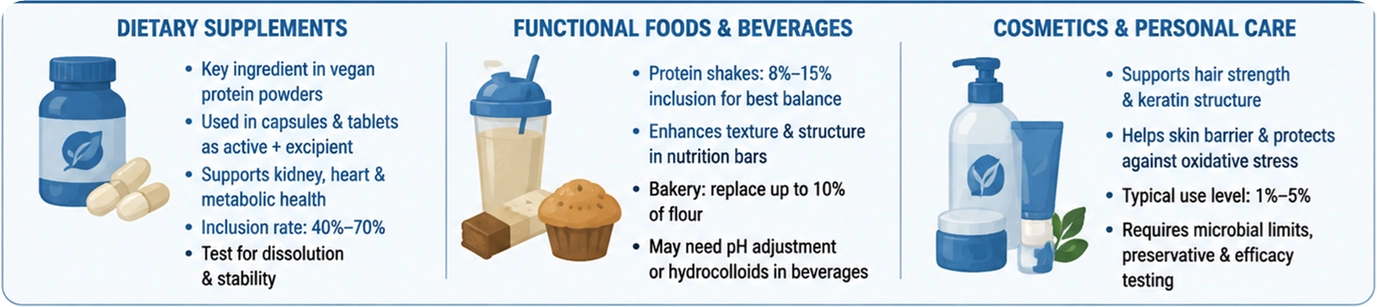
In the nutraceutical industry, pumpkin seed protein has more than one use. It is the main source of protein in vegan protein powders, which are usually mixed with other plant proteins to get the best amino acid profiles. The powder is used as both an active ingredient and an excipient in capsule and pill forms. It helps the capsules and tablets stay together and provides nutritional benefits. The natural mineral content of the powder supports formulas that aim to improve metabolic function, kidney health, and heart health, all of which are treatment areas where pumpkin seeds have been shown to work. Protein blends should have inclusion rates between 40% and 70%. Lower percentages should be used in condition-specific formulations where other actives are more important. To make sure that it works with other elements like vitamins, minerals, and plant products, formulators should test for dissolution and stability under accelerated conditions.
Integration into Functional Foods and Beverages
For functional food and drink applications, sensory properties and processing conditions need to be carefully thought through. In protein shake recipes, pumpkin seed protein adds body and fullness while backing claims of clean labels. Inclusion rates between 8% and 15% are good because they balance adding nutrients with a good taste. However, depending on the total protein loading, flavor systems may need to be changed. The binding properties of the powder make nutrition bars better in terms of structure and keeping them from breaking during storage. Pumpkin seed protein is used in bakeries to make bread, muffins, and cookies healthier. It can replace up to 10% of the flour content while still keeping the right crumb structure. It may be necessary to improve solubility in beverages by adding hydrocolloids or changing the pH, especially in acidic juice systems or smoothies that are made cold.
Applications in Cosmetics and Personal Care
Plant proteins are becoming more and more popular in the makeup business as useful ingredients that can form films, moisturize, and fight free radicals. Pumpkin seed protein is used in hair care products because its amino acid makeup supports the structure of keratin and makes hair stronger. The antioxidant elements and important fatty acids in the protein are used in skin care products to help the skin's barrier function and protect it from reactive stress. Most of the time, concentrations used range from 1% to 5% in finished goods. To make sure that the concentration is spread evenly, pre-hydration or other specialized methods are used. Cosmetic chemists should check the limits of microbes and test the effectiveness of preservatives because ingredients high in protein can affect how well the system works. To back up marketing claims, you also need to do the right safety tests and studies to see how well the product works with other active ingredients and delivery systems.
Procurement Guide for Pumpkin Seed Protein Powder
Identifying Reliable Supplier Networks
Systematic methods for finding and qualifying suppliers are the first step to successful buying. When it comes to specialized technical knowledge and quality control infrastructure, manufacturers with their own facilities for making plant proteins are miles ahead of commodity ingredient brokers. Cost structures and the resilience of the supply chain are affected by where the goods are made. For example, European sellers often offer organic certifications and strict quality assurance, while Asian makers may offer low prices for regular grades. Making sure that the production capacity, minimum order quantities, and lead times are all in line with your operational needs and inventory management strategies is important. Ask for specific capability statements that list the amount of work that is done each year, any certifications that are already in place, and client references from similar industry groups.
Evaluating Cost-Performance Trade-offs
The total landed cost, quality specifications, and technical support value must all be taken into account when figuring out prices, not just the cost per kilogram. Lower-priced products might have less protein, particles of different sizes, or not much analytical information, which raises the costs of reformulation and the risk of regulatory action. Mid-tier suppliers usually offer reliable quality at reasonable prices, making them a good choice for well-known product lines with clear specifications. Premium providers can charge more because they offer better technical support, can process orders specifically, and provide detailed regulatory paperwork. These are all expenses that shorten the time it takes to create a product and lower the risk of not complying with regulations. Set the weights of these factors in your supplier evaluation matrix based on your business goals, such as increasing margins, speeding up innovation, or standing out in the market.
Establishing Quality Agreements and Supply Contracts
Putting in place thorough quality agreements with suppliers of Pumpkin Seed Protein Powder protects both sides and sets standards for performance. Specifications should include ranges for protein content, moisture limits, microbiological standards, and heavy metal thresholds that are in line with the needs of your finished product and the rules that you have to follow. Include guidelines for scientific tests, rules for keeping samples, and ways to settle disagreements. Supply contracts should include promises about quantity, how prices will work, what will happen in the event of a force majeure, and, if necessary, security for intellectual property. Longer-term deals usually have better prices and supply priority when the market is tight, but flexibility terms let changes be made in response to changes in demand or formulation.
Ensuring Quality and Compliance for Your Supply Chain
Allergen Management and Safety Considerations
Even though pumpkin seeds are not as common as tree nuts or peanuts as allergens, there are reports of allergic reactions that have been written about in medical journals. Professionals in procurement have to check that suppliers' allergen status claims are correct and figure out how likely it is that shared processing equipment will cause cross-contamination. Facilities that make more than one seed-based ingredient should use tested cleaning methods and allergy testing processes between batches of production. Your quality agreements should make it clear what is expected in terms of allergen control and require that you let them know about any changes to the process that could affect the allergen status. This care protects both the safety of consumers and the image of the brand. It also helps make sure that product labels are correct and follow the rules set by the FDA Food Allergen Labeling and Consumer Protection Act.
Regulatory Standards and International Market Access
To be able to compete in the global market, you need to know how protein ingredients are regulated in each area. Pumpkin seed protein is generally thought to be safe (GRAS) for use in food in the United States, but new uses may need to be discussed with the government. Novel Food assessments must be done in line with EU rules if processing methods are different from what is usually done. Dietary supplement GMPs are spelled out in 21 CFR Part 111 and must be followed by supplement applications. These GMPs include identity testing, strength verification, and purity analysis. Depending on the people they are trying to sell to, international markets often need licenses that are specific to the country, different types of certificates of analysis, and Halal or Kosher approvals. Partnering with suppliers who know how to handle export paperwork and follow regulations cuts down on the barriers to entry into a market and speeds up the time it takes to go from idea to market.
Verification Protocols and Supplier Auditing
Strong quality assurance includes more than just reviewing the proof of analysis; it also includes checking all of the suppliers. Certifications from third parties, like organic, GMP, ISO 22000, and HACCP, show that a quality system is mature, but on-site audits give more detailed information about how things are actually done. Controls over where raw materials come from, production hygiene standards, analytical testing abilities, and systems for keeping track of things should all be looked at by audit programs. When you look at a supplier's change control methods, you can find out how they handle changes to processes, tools, or ingredient sources that could affect the quality of your product. Setting up regular audit plans based on risk assessment—every year for important sellers and every two years for long-term partners—keeps an eye on the integrity of the supply chain at all times.
Conclusion
Pumpkin Seed Protein Powder is a valuable ingredient for companies that want to use plants to make new products in the nutraceutical, pharmaceutical, functional food, and cosmetic industries. Its balanced amino acid profile, clean-label positioning, and functional versatility adapt to changing consumer tastes while meeting technical performance needs in a range of formulation scenarios. To make a good purchase, you need to carefully look at all of the suppliers you are thinking about, not just the price and delivery time, but also their quality systems, ability to follow regulations, and technical support infrastructure. Your company can take advantage of growing market opportunities in the plant-based nutrition sector by learning about production methods, protein properties, and formulation strategies that are best for specific uses. Partnering with qualified suppliers who show consistent quality, clear documentation, and ways of working together to solve problems is the key to long-term competitive advantage and product excellence.
FAQ
1. Is Pumpkin Seed Protein Powder a Complete Protein?
Technically, pumpkin seed protein is a full protein because it has all nine important amino acids that humans need. However, the levels of lysine are a little lower than what is ideal compared to proteins that come from animals. This property of the composition doesn't usually cause problems in everyday life because different protein sources naturally balance out amino acid profiles. Formulators who want to make promises about sports performance may mix pumpkin seed protein with other sources to get the most leucine or lysine, but using pumpkin seed protein alone is enough for general health uses.
2. Can Pumpkin Seed Protein Cause Allergic Reactions?
Pumpkin seed allergies are much less common than tree nut or peanut allergies, but there are cases of them that have been written up in medical journals. People who are known to be allergic to seeds or who have cross-reactive symptoms should be careful. Manufacturers must put on the right allergen labels that follow the rules and keep strict cross-contamination controls in place while they're making the products. To support accurate labeling and customer safety, procurement teams should ask suppliers for detailed allergen management paperwork. This should include cleaning validation data and testing procedures.
3. What Certifications Should Quality Pumpkin Seed Protein Possess?
Certifications that are necessary depend on the use, but for premium positioning, they usually include organic certification (USDA or EU standards), GMP compliance for pharmaceutical and supplement use, and ISO 22000 or HACCP for managing food safety. With more certificates, like Kosher, Halal, non-GMO, and gluten-free, more people can buy your products. Checking the current status of certification by reviewing the certificate directly and getting confirmation from the registrar stops fake claims and makes sure that compliance always happens.
Partner with Bolin Biotechnology for Premium Pumpkin Seed Protein Powder Supply
Finding plant proteins can be hard, so you need a manufacturing partner with technical know-how, strict quality control, and reliable supply chain execution. Bolin Biotechnology has been helping the nutraceutical, medicinal, functional food, and cosmetic businesses since 2012 with herbal extracts and plant-based chemicals that have been proven to work by science. Our Pumpkin Seed Protein Powder source can offer different levels of protein concentration, both organic and standard sourcing, and full analytical paperwork to support global regulatory compliance. We keep our ISO, GMP, and HACCP certifications up to date, which means that the quality of our products will always meet your exact standards. Our flexible approach can meet a wide range of MOQ needs, from small samples for formula development to large quantities for commercial use. Email our technical team at sales1@bovlin.com to talk about your specific application needs, get certificates of analysis, or set up shipping of samples. You can look at our full line of plant-based useful ingredients at bolinbiotech.com and learn how our solutions can help you reach your product innovation goals.
References
1. Martínez-Villaluenga, C., & Peñas, E. (2017). Health benefits of pumpkin seed proteins and peptides: Nutritional and functional properties. Journal of Food Science and Nutrition, 58(5), 854-867.
2. Stevenson, D. G., Eller, F. J., Wang, L., Jane, J. L., Wang, T., & Inglett, G. E. (2007). Oil and tocopherol content and composition of pumpkin seed oil in 12 cultivars. Journal of Agricultural and Food Chemistry, 55(10), 4005-4013.
3. Rezig, L., Chouaibi, M., Msaada, K., & Hamdi, S. (2012). Chemical composition and profile characterization of pumpkin seed oil. Industrial Crops and Products, 37(1), 82-87.
4. Zdunczyk, Z., Minakowski, D., Frejnagel, S., & Flis, M. (1999). Comparative study of the chemical composition and nutritional value of pumpkin seed cake, soybean meal and casein. Food/Nahrung, 43(6), 392-395.
5. Fruhwirth, G. O., Wenzl, T., El-Toukhy, R., Wagner, F. S., & Hermetter, A. (2003). Fluorescence screening of antioxidant capacity in pumpkin seed oils and other cucurbit seed oils. European Journal of Lipid Science and Technology, 105(6), 266-274.
6. Nkosi, C. Z., Opoku, A. R., & Terblanche, S. E. (2005). Effect of pumpkin seed protein isolate on the activity levels of certain plasma enzymes in CCl4-induced liver injury in low-protein fed rats. Phytotherapy Research, 19(4), 341-345.