_1745226507162.webp)

How Elderberry Extract Powder Works as a Powerful Antioxidant?
Due to its abundant anthocyanin and flavonoid content, elderberry extract powder is a powerful antioxidant on a cellular level. The plant: Sambucus nigra L. This ingredient comprises standardized bioactive chemicals, primarily cyanidin-3-glucoside and cyanidin-3-sambubioside. These molecules provide electrons to unstable molecules and thereby prevent the degradation of DNA, proteins, and lipid membranes, fighting oxidative stress. An HPLC analysis typically indicates that the anthocyanin concentration is between 5% and 25%. This allows us to quantify the antioxidant capacity, which has a direct effect on the efficacy of the mix for nutraceutical and functional food applications.
What Is Elderberry Extract Powder and Its Antioxidant Role? Understanding the Botanical Origin and Extraction Process
Black elderberry extract powder is extracted from the fruit of the European black elder shrub, which has been used in traditional medicine for hundreds of years. The elder tree was nicknamed “the medicine chest of the common people” in old times, since it was employed as a healing remedy across all its parts. Today, plants are extracted using water-ethanol solvents and then heated to remove toxic cyanogenic glycosides such as sambunigrin. This protects the plant yet maintains its bioactive integrity. The concentrate is then spray-dried or freeze-dried to a fine powder form, which will pass through an 80 mesh screen. This enhances the stability and flowability needed for production. This technological standardization solves a key challenge in the business, which is that raw seasonal harvests are not always constant across batches.
The Science Behind Anthocyanin-Driven Antioxidant Activity
Antioxidants are compounds that inhibit the oxidation of other molecules. The flavonoid composition of elderberries attacks reactive oxygen species (ROS) in many ways. Polyphenolic substances are scavengers of superoxide radicals, hydroxyl radicals, and peroxyl radicals. They also bind transition metals that catalyze oxidative processes. Studies show that the ORAC values of elderberries’ anthocyanins are substantially greater than those of many other berries. Thus, they are resistant to oxidative damage. Good extracts include flavonoids, quercetin, and rutin, which assist the body’s antioxidant mechanisms in performing better by keeping cell membranes intact and modifying the way cells speak to each other, which may contribute to inflammation. Elderberry contains several biochemicals; therefore, it is more than an antioxidant; it has other purposes too. This implies that procurement personnel may take this scientifically verified substance in a variety of ways.
Physical Properties Critical for Technical Applications
Professional elderberry extracts possess precise physical and chemical characteristics required for industrial applications. It is a fine powder of deep violet to dark purple that dissolves readily in water, making it perfect for use in ready-to-drink cocktails. Bulk density is generally in the range of 0.40 g/ml to 0.60 g/ml, which affects the packaging and shipping. The moisture level must be kept below 5% to prevent the growth and clumping of microorganisms while the product is stored. An intriguing technical aspect is the color of the powder changes from brilliant red in acidic (pH 3.0-4.0) to blue-gray in alkaline conditions. This makes it a valuable natural colorant in functional beverages. But it takes in water; therefore, it has to be packed down so it stays dry. This should be taken into consideration by purchasing teams when evaluating storage facilities and shelf-life requirements.
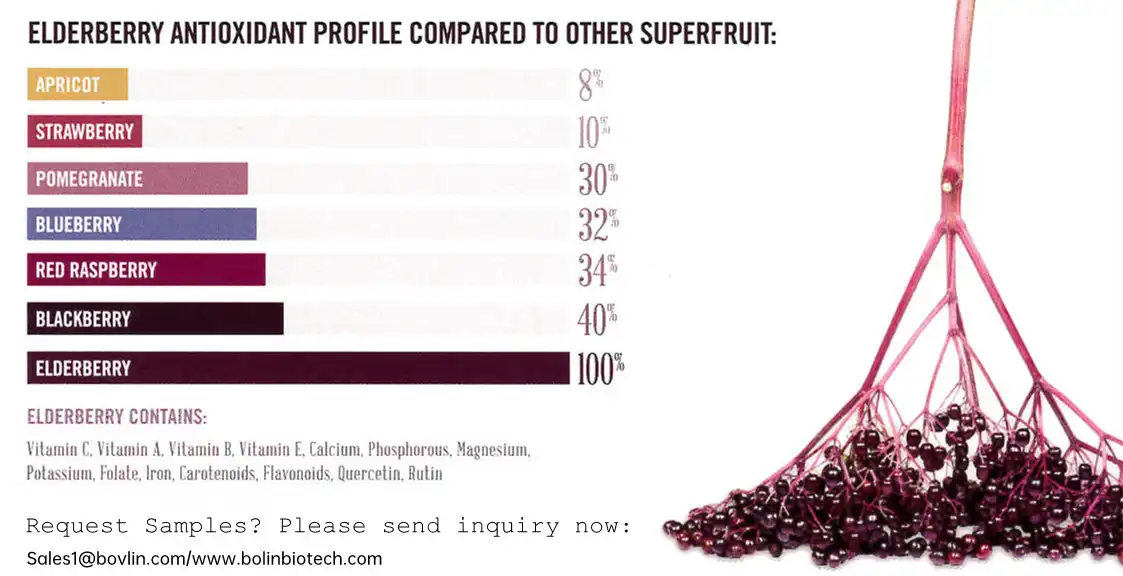
Key Benefits of Elderberry Extract Powder for Immune Support and Antioxidant Protection
Clinical Evidence Supporting Immune Enhancement
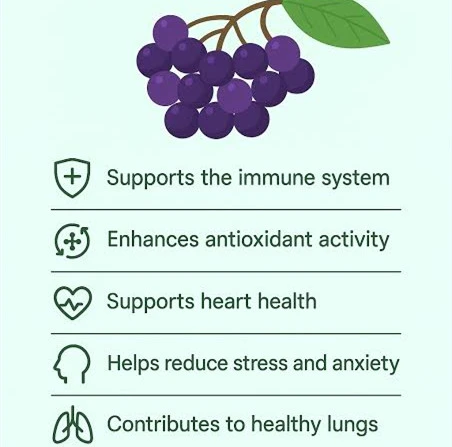
Black elderberry is an antioxidant as well as having significant immune-regulating benefits, as established in peer-reviewed research. In clinical investigations, participants who took elderberry extract powder supplements felt well two to four days quicker than those given a placebo, shortening and easing upper respiratory illnesses. The procedure is to increase the production of cytokines, particularly pro-inflammatory cytokines that activate the immune system’s defenses when a disease begins, followed by anti-inflammatory chemicals that halt the immune system from overreacting. Elderberry is highly beneficial in developing medications that assist the immune system during cold and flu seasons. It operates in two separate ways. Bioactive substances enhance the activity of natural killer cells and stimulate the generation of antibodies. This provides procurement managers a scientific basis to back up claims that a product would improve the immune system, which is becoming more crucial for customers when they pick what to purchase.
By knowing about these immune-boosting benefits, formulators can carefully place elderberry in product lines:
Gummy Supplements: The substance can withstand temperatures as high as 120 degrees Celsius during manufacturing, protecting the anthocyanins and masking the metallic notes from the co-formulated zinc, a common protective mineral that may be difficult to taste.
Beverage Applications: Total solubility in cold water in RTD formats eliminates sedimentation concerns. Natural sourness and deep purple hue enable clear label positioning to replace artificial colors and tastes.
High-Concentration Capsules: Increased bulk density allows for 300mg to 500mg of active substances per capsule, with supportive elements such as vitamin C, answering consumer needs for potent immune formulations without excessively large tablets.
Oxidative Stress Protection Across Biological Systems
Antioxidants in elderberry do more than protect immune cells. It also supports the circulatory, neurological, and cutaneous systems. Anthocyanins are able to cross the blood-brain barrier and protect neurons against age-related cognitive impairment. Cardiovascular advantages include improved endothelial function and decreased LDL oxidation, both of which are indicators associated with the prevention of atherosclerosis. Elderberry is utilized in dermatology for its ability to prevent skin cells from UV-induced oxidative damage and promote collagen integrity. This is why it is increasingly popular in anti-aging and skin-soothing cosmetics. This systemic antioxidant reach makes it simpler for B2B buyers to earn more money by manufacturing wellness items in a wide variety of categories, from nutraceuticals for beauty to supplements for heart health.
How to Use Elderberry Extract Powder Effectively in Your Product Line?
Dosage Guidelines and Formulation Considerations
The level of standardization and the desired health outcomes determine effective dosing. In clinical experiments, a standardized extract with 5 to 10 percent anthocyanins is utilized in doses of 300 mg to 600 mg daily to enhance the immune system during acute illness. For preventive maintenance, 150 mg to 300 mg per day is utilized. Formulation scientists need to consider the extract ratio in the formulation of medications. For instance, a 10:1 extract is substantially different from a 64:1 concentration. High ratios, however, not confirmed by HPLC, should be regarded with a grain of salt, since they might be fake. Elderberry extract powder is preferable to syrups and capsules because it keeps fresh longer without refrigeration, does not need preservatives like liquid forms, and can be manufactured faster using high-speed encapsulation equipment. The flowability characteristics will help to prevent any downtime due to sticking or caking, which directly affects manufacturing output and operational expenses.
Safety Profile and Regulatory Compliance
Elderberry extract has a superb safety profile when appropriately processed to remove the cyanogenic glycosides present in the raw berries. Only a few individuals should get this therapy. These include mainly persons with autoimmune disorders where boosting the immune system may not assist and people using immunosuppressant medicines. Still relatively infrequent allergenicity, but it should be noted for complete labeling. Producers of quality elderberry extracts that are GMP certified screen their products rigorously for heavy metals, chemical residues, and microbiological contamination. This means that they fulfill worldwide standards and FDA regulations for food supplements. With this legal preparedness, R&D teams may secure permission for novel formulations. This shortens the time to market with the product while, at the same time, keeping the safety criteria that safeguard the brand image in mind.
Optimizing Powder Performance in Different Matrices
Knowledge of the behavior of elderberry in diverse formulation environments is needed for effective incorporation. In the manufacture of gummies, carrier-stabilized extracts mixed with maltodextrin preserve the bioavailability of anthocyanins and avoid structural alterations during the heating process. For beverage applications, a formulation pH below 3.5 is optimum, since this maintains the brilliant red color that consumers associate with berry ingredients and increases the stability of anthocyanins. It is crucial to know how readily the tablet may be compacted for tablet purposes. It keeps the pill robust without loading it with too many fillers to dilute the active substance per dosage. Armed with this technical knowledge, formulators may be certain that ingredients perform at their best and that typical manufacturing difficulties are solved before they cause delays or damage product quality.
Choosing High-Quality Elderberry Extract Powder: Procurement Insights for B2B Buyers
Essential Quality Indicators and Certifications
You have to go beyond the fundamental parameters to get the greatest elderberry ingredients. Organic accreditation means that farming is safe and that synthetic pesticides are not used, which is increasingly vital for clean label marketing. GMP compliance means there are procedures in place throughout manufacturing to ensure that all batches are the same and there is no contamination. Third-party testing findings show anthocyanin content and bioactive potency verifiable by HPLC techniques. Microbial testing, in contrast, will verify that there are no pathogens and that the overall plate count is adequate. The openness requirements that merchants and consumers have for the integrity of the supply chain are met by traceability documentation connecting completed extract to source fields. Purchasing managers should request certificates of analysis (COA) for recent production batches to identify vendors who fulfill high-quality requirements and compare the vendor’s claimed specifications to the actual test findings of the elderberry extract powder.
Supplier Evaluation and Strategic Partnerships
Next to the quality of the materials, you need to look at the organizational skills of probable partners to make sure you have a regular supply of elderberries. Custom formulas and branded containers are feasible with private label and OEM support, and this helps enterprises that are creating their own items. Methods of sustainable sourcing, such as fair trade agreements with berry producers and commitments to environmental protection, can meet corporate responsibility objectives and provide a stable long-term supply. Suppliers who provide partnership value are distinct from those that only sell items. They provide technical support services, including formulation direction, stability testing assistance, and regulatory paperwork. Lead times and minimum order quantities have direct implications for inventory management and cash flow, particularly for emerging companies that need to balance investment with demand uncertainty. Being open about variations in availability due to harvest seasons helps with preparing ahead and being prepared for what can happen.
Navigating Logistics and Pricing Considerations
The price per kilogram is not the only element that determines the cost of plant products. The price is heavily influenced by the volume of extraction, the level of standardization, and the organic quality. Higher quality and greater volume get higher pricing. When you commit to a set volume of a product. Tiered pricing allows you to earn more money on established lines of items that are constantly in demand. Shipping conditions and delivery speed influence total landing costs and inventory turnover rates. This makes local suppliers attractive, albeit their unit pricing may be higher than overseas sources with lengthier lead times. When conducting business globally, purchase price is not the only financial planning consideration for purchasing teams, since payment periods and currency risk are also key financial planning variables in their whole. Understanding these economic processes allows you to bargain to maximize the whole value, not merely minimize individual expenditures.
Future Prospects and Trends in Elderberry Extract Powder for the Antioxidant Market
Emerging Research and Expanded Health Applications
Scientists continue to study elderberry bioactives, discovering novel mechanisms of action and new methods to employ them. A recent study has explored the antiviral effects of anthocyanins outside the realm of influenza. For example, they may be able to break down the membranes of viruses when they are encapsulated. Elderberries’ Effect on Blood Sugar and Insulin Sensitivity: Study on Metabolic Health. Functional diets for diabetes patients are now feasible. Gut health applications explore the prebiotic advantages of elderberry polyphenols on healthy microbiota, fitting the current trends in digestive health and probiotics. These new health domains provide product producers with scientifically based reasons to differentiate goods from others in congested immune support categories. That offers them a head start in marketplaces that are driven by innovative ideas.
Market Dynamics and Consumer Trends
The market of plant goods is increasing rapidly around the globe, and elderberry is typically one of the best-selling herbal substances. Consumers are demanding natural, recognizable ingredients over synthetic ones, and the food and beverage sectors are responding with clean label reformulations. Apart from quality and price, sustainability concerns also influence purchasing choices. Buyers prefer to purchase from suppliers that care about the environment and acquire resources ethically. As e-commerce increases, direct-to-consumer firms are able to rapidly scale specific formulas. This increases the requirement for manufacturing partners that can do smaller first production runs of elderberry extract powder. Market pressures such as these provide opportunities for wholesalers and original equipment manufacturers (OEMs) that can respond to shifting demands while offering quality standards and flexible service models.
Strategic Positioning for B2B Success
To capitalize on the elderberry market boom, product development, marketing positioning, and supply chain strategy must be aligned. Differentiation by delivery type (e.g., time-release capsules or dissolvable tablets) satisfies the demands of customers who seek convenience while prohibiting rivals from providing the same product. The combination of elderberry with other synergistic ingredients such as vitamin D, probiotics, or adaptogens allows for a larger array of health claims. Sustainable packaging innovations like biodegradable bags and refillable containers appeal to those who care about the environment and may also save material costs on a wide scale. B2B buyers are category leaders inside their firms, not reactive followers, and interact with these developments proactively. That allows businesses to gain market share during periods of expansion, when brand loyalty is flexible, and consumer experimentation is at its peak.
Conclusion
Elderberry extract powder is a well-documented antioxidant with the ability to aid the immune system and may be used in a wide variety of goods, including nutraceuticals, functional meals, beverages, and cosmetics. It is rich in anthocyanins, which protect against oxidative stress in many metabolic processes. It is helpful for manufacturing because of its technical features, for instance, that it dissolves in water, remains stable at high temperatures, and colors things naturally. You don’t just look at pricing; you look at quality certifications, you look at sourcing skills, and you look at whole value in an effort to make procurement work.” As demand for plant-based antioxidants with clean labeling develops, B2B buyers may take advantage of new possibilities by partnering with reliable elderberry suppliers. These alliances allow purchasers to address evolving customer expectations for efficacy, safety, and sustainability.
FAQ
1. What is the recommended daily dosage of elderberry extract for immune support?
Clinical study backs up daily doses of 300 mg to 600 mg of standardized elderberry extract with 5 to 10 percent anthocyanins for people who are sick and 150 mg to 300 mg daily for people who want to stay healthy. The actual suggestions depend on the amount of extract used, the product's formulation, and the health claims it makes.
2. Are there safety concerns or contraindications with elderberry supplementation?
Elderberry extract that has been properly handled has a very good safety rating and few known side effects. People who have autoimmune diseases or who are taking immunosuppressant drugs should talk to their doctors before using elderberry, because its immune-boosting properties may not work well in these situations. But allergic responses are still rare; they can happen.
3. How does powder form compare to elderberry syrup for product development?
Powder forms are more stable on the shelf without cooling, don't need preservatives, and can be made more efficiently on automatic equipment. For pediatric uses, syrups work faster and taste better, but they come with some logistical problems, like shipping that depends on temperature and shorter expiration dates that make it harder to keep track of inventory and raise the cost of distribution.
Partner with Bolin Biotechnology for Premium Elderberry Extract Solutions
Shaanxi Bolin Biotechnology Co., Ltd. is a reliable company that can supply you with elderberry extract powder. They have been working with plant extracts for over ten years and follow strict GMP-certified manufacturing standards. Our black elderberry extract powder has a verified anthocyanin content of between 5% and 25% and is very consistent from batch to batch. This means it can meet your needs for dietary supplements, functional beverages, and private label development. To shorten the time it takes to make a new product, we offer full technical documentation that includes COAs, stability data, and regulatory support. We can meet the needs of a wide range of buyers by offering flexible minimum order quantities that are suitable for both new brands and well-known makers. We also offer fast shipping times that are competitive. You can email our team at sales1@bovlin.com to talk about unique formulation needs, get product samples, or find out how our environmentally friendly buying and research and development can help your antioxidant product line. You can find out about all of our plant ingredients at bolinbiotech.com.

References
1. Tiralongo E, Wee SS, Lea RA. "Elderberry Supplementation Reduces Cold Duration and Symptoms in Air Travelers: A Randomized, Double-Blind Placebo-Controlled Clinical Trial." Nutrients. 2016;8(4):182.
2. Vlachojannis C, Zimmermann BF, Chrubasik-Hausmann S. "Efficacy and Safety of a Standardized Elderberry Extract in Respiratory Infections." Wiener Medizinische Wochenschrift. 2021;171:202-211.
3. Młynarczyk K, Walkowiak-Tomczak D, Łysiak GP. "Bioactive Properties of Sambucus nigra L. as a Functional Ingredient for Food and Pharmaceutical Industry." Journal of Functional Foods. 2018;40:377-390.
4. Torabian G, Valtchev P, Adil Q, Dehghani F. "Anti-influenza Activity of Elderberry (Sambucus nigra)." Journal of Functional Foods. 2019;54:353-360.
5. Sidor A, Gramza-Michałowska A. "Advanced Research on the Antioxidant and Health Benefit of Elderberry (Sambucus nigra) in Food: A Review." Journal of Functional Foods. 2015;18:941-958.
6. Ulbricht C, Basch E, Cheung L, et al. "An Evidence-Based Systematic Review of Elderberry and Elderflower (Sambucus nigra) by the Natural Standard Research Collaboration." Journal of Dietary Supplements. 2014;11(1):80-120.