_1745226507162.webp)

Liposomal NAD+: Key Benefits, Science & What to Know
Nicotinamide adenine dinucleotide (NAD+) is one of the most important coenzymes in cell metabolism. It is absolutely necessary for making energy and fixing DNA. The new liposomal NAD+ technology is a big step forward that solves the problems that regular NAD+ supplements have with absorption. By carefully enclosing the NAD+ molecules in lipid spheres, this new transport method keeps them from being broken down by digestion and improves their uptake by cells. The global nutritional market is looking for better ingredients to fight age and boost energy, and liposoma L NAD+ has a lot of promise for companies that want to make high-end wellness goods that focus on cellular health and metabolic optimization.
Understanding Liposomal NAD+: Science and Mechanism
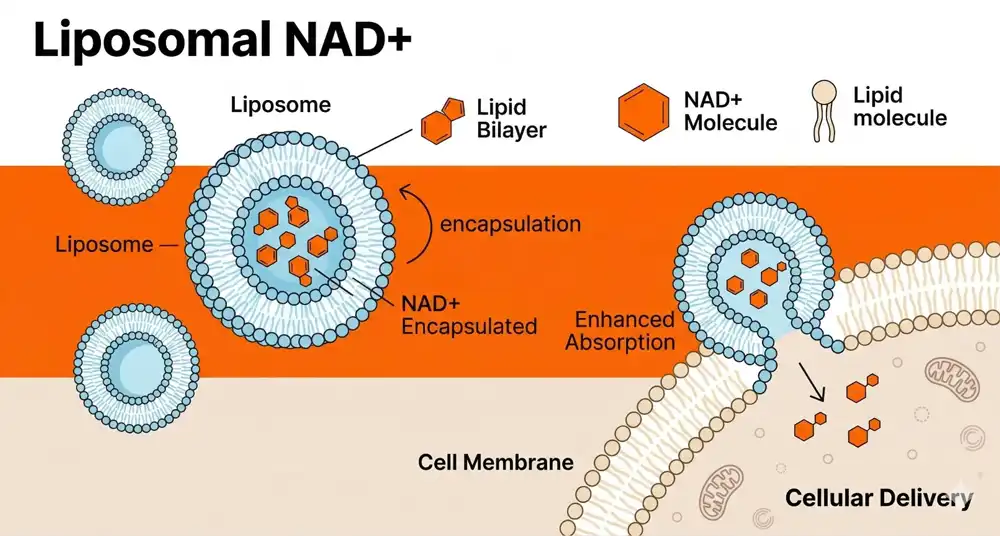
With liposomal NAD+ technology's cutting edge method of packaging, NAD+ molecules can now interact with living things in a whole new way. The gut system makes it hard for regular NAD+ pills to work because the active ingredients are broken down before they can be taken by the body.
Advanced Encapsulation Technology
Liposome transport methods use phospholipid bilayers from non-GMO sources, most often phosphatidylcholine from soy or sunflower, to protect NAD+ molecules inside tiny bubbles. The size of these very small spheres is between 100 and 400 nanometers. They carry live things and keep the surroundings safe for those things. Because the lipid structure is similar to that of natural cell membranes, they can perfectly merge with intestinal mucous cells. This is achieved through a process known as membrane fusion.
Researchers have found that this way of encapsulating NAD+ makes it up to 300% more bioavailable when taken by mouth than regular solid NAD+ preparations. First-pass metabolism isn't done by the liver because of the liposomal structure. This lets full NAD+ molecules go straight to the rest of the body's bloodstream. Clinical tests show that plasma NAD+ levels stay high for a long time after liposomal treatment. This means that cells can still get to them.
Cellular Uptake Mechanisms
When liposomal NAD+ is made, it uses natural membrane transfer processes to get into cells better than other forms. Some transporter proteins are needed for traditional vitamins to work, but endocytosis and membrane fusion allow liposomal products to work without these issues. The brain, heart, and skeletal muscle, which have high energy needs, gain the most from this process.
Safety profiles for liposomal NAD+ powder show that a lot of different types of people can handle it well, and there aren't many side effects reported. Most of the time, a daily amount of 100 mg to 500 mg is suggested. However, this can change depending on the treatments goals and the patient's metabolic needs. Manufacturers must follow strict quality control measures, such as particle size distribution analysis and packing efficiency tests, to make sure that all of their goods always work the same way.
Key Benefits of Liposomal NAD+ for Global B2B Clients
There is a lot of interest in liposomal NAD+ in the medical field, which gives supplement makers a lot of choices for making nice supplements. Being aware of these advantages helps you stand out in a crowded market and meet the needs of people who want scientifically proven health solutions.
Anti-Aging and Cellular Repair Applications
A group of proteins called sirtuins is related to processes for aging and stress resistance. NAD+ is an important molecule for sirtuins. Because low levels of NAD+ are linked to cellular aging, taking supplements could be a good way to slow down the decline that comes with getting older. This important coenzyme can be used by cells more easily when it is carried by liposomes. This may help DNA repair and mitochondrial production.
Companies that want to sell high-end health goods to rich people can make a lot of money in the anti-aging market. There is proof in the lab that adding NAD+ may change signs of cellular senescence, how telomeres are maintained, and how cells react to reactive stress. Because of these ways they work, liposomal mixtures are great for use in anti-aging and beauty products.
Energy Metabolism and Athletic Performance
Having enough NAD+ in the mitochondria has a direct affect on how much energy cells make because it plays a part in glycolysis and the citric acid cycle. People who are busy, like athletes, gain more from having high amounts of NAD+. For example, they can work out more and heal faster. Liposoma L products are ideal for sports nutrition where quick, long-lasting effects are wanted because they are more soluble.
Here are the main reasons why liposomal NAD+ is so useful for solutions that boost energy:
- Having better mitochondrial function means that cells make more ATP, which helps keep energy levels high during long workouts.
- Better removal of lactate and lower levels of reactive stress factors that are caused by exercise help your body heal more quickly in between workouts.
- They are more steady than other NAD+ precursors, which means they keep working well throughout the product's store life and shelf life.
There is a growing need for fitness supplements that are backed by science and give health-conscious customers real benefits. These supplements meet that need.
Comparative Analysis with NAD+ Precursors
Liposoma L NAD+ has obvious package advantages over other choices like nicotinamide riboside (NR) and nicotinamide mononucleotide (NMN). Enzymes are needed to turn precursors into active NAD+, but liposomal transfer makes it available right away. This process gets rid of the differences in conversion and the possible bottlenecks in biosynthesis paths.
For making things, liposomal powder forms work best because they are solid and can be used in many different types of complex product structures. Liposomes that are freeze-dried or spray-dried don't break down like liquid liposomes do. They stay whole while being processed and stored. You don't have to worry about cross-reactivity when you mix it with sensitive ingredients like CoQ10, resveratrol, or glutathione because it is safe.
How to Choose the Best Liposomal NAD+ Supplier: A B2B Buying Guide?
To find reliable providers for liposomal NAD+, you should check how well they make things, how well they keep track of quality, and how well they follow the rules. For supplement makers to be qualified, they need to know a lot about liposomal technology and have high-tech tools for handling it. This is what sets qualified supplement makers apart from other supplement makers.
Manufacturing Excellence and Certifications
To make good liposomal NAD+, you need facilities that are fit for pharmaceutical use and have special ways of homogenizing, sonicating, and drying the ingredients. Make sure that the cGMP certifications, ISO 9001:2015 quality management systems, and food safety standards like HACCP and BRC certifications that a company has are all up to date.
The consistency of particle size is a key quality factor that impacts how well the product absorbs and works. The best suppliers use dynamic light scattering analysis to keep the size distribution in a certain range, usually 100–400 nanometers, so that cells can take them up best. To make sure there is enough NAD+ in the liposomal structures, the encapsulation efficiency is tested. The best methods get 85–95% efficiency rates.
Quality Verification and Testing Protocols
Comprehensive scientific testing methods tell the difference between suppliers whose goods are good and those whose goods are bad. Some important things to check during tests are the NAD+ strength using HPLC, the amount of phospholipids present, the powder's wetness level to make sure it stays stable, and the safety for germs. You can be even more sure that the product is good and that the label is true if it has been checked by a third-party lab.
Each batch of liposomal NAD+ powder product should have safety data sheets, food statements, and certificates of analysis. These should all be included in the legal paperwork. If a company sells drugs, they generally keep notes in a drug master file and follow the rules set by the pharmacopeia. The fact that these things are required shows that the production is advanced enough for high-value uses.
Formulation Flexibility and Technical Support
These are some of the ways that leading sources of liposomal NAD+ are different from basic product suppliers:
- Custom formulation services that let you pick the best fillers, particle sizes, and loading amounts for each job
- Technical data that helps with making goods and giving them to officials, such as stable studies, dosage data, and application rules
- Being able to make both small amounts to try and big amounts to put a product on the market.
Once a brand has an idea for a product, these services help them all the way through its lifetime, from the beginning to the end.
Practical Insights: Usage, Dosage, and Timing for Optimal Results
Should you want to use liposomal NAD+ in market goods, you need to know how to dose it and when to give it so that it works best for therapy. Formulators can use these insights to make products that give customers regular experiences and use science to back up what they say in ads.
Evidence-Based Dosage Recommendations
Most clinical studies that look at nutrients use doses between 100 mg and 1000 mg of NAD+. The 250 mg to 500 mg range is where most of the studies focus. It takes less of a liposomal version to reach safe bloodstream levels because the body can use it more easily. This might make the raw materials cheaper without affecting how well they work. Depending on their age, biological state, and therapy goals, different groups of people need different ways to take medicine.
It looks like giving something in the morning is the best way to give energy because it works with our bodies' natural rhythms and burns more fuel. Cells may be able to fix themselves better if you take your medicine in the evening. Split doses can help keep plasma levels more steady throughout the day, which is especially useful for tasks that need energy that lasts for a long time.
Synergistic Ingredient Combinations
In a smart way, adding extra nutrients to liposomal NAD+ formulas can make them more useful and help them stand out from other goods on the market. Resveratrol does more than one thing. It works by starting sirtuin processes that need NAD+ as a cofactor. There are different ways that coenzyme Q10 helps the mitochondria do their job, which may make the effects on energy even stronger.
Niacin and riboflavin are two types of B vitamins that help the body make NAD+. Taking these vitamins may also boost the metabolic benefits of nutrients. Antioxidants, like vitamin E and alpha-lipoic acid, keep cells safe from reactive stress, which can burn up NAD+. With these mixes, you can make complicated recipes that work on many parts of cellular health and the aging process.
Customers have regularly said that it gives them more energy, clears their minds, and helps them do better in sports within two to four weeks of regular use. These dates help people set reasonable goals for the product and its results, and they back up what the company says about how well it works and when it starts to work.
Future Trends and Opportunities in the Liposomal NAD+ Market
The market for liposomal NAD+ is still moving quickly, thanks to better ways to package the drug and more clinical studies in a lot of different treatment areas. You can find the best place to stand in new markets and plan for client wants and changes in the law if you know about these trends.
Technological Innovations and Market Expansion
Targeting systems are used in modern liposomal technologies to send NAD+ straight to certain organs or cell sections. Nanostructured lipid carriers and solid lipid nanoparticles are being looked into because they might make things more stable and let them be released in a controlled way. With these new developments, you might be able to take NAD+ once a day and have it ready for 24 hours.
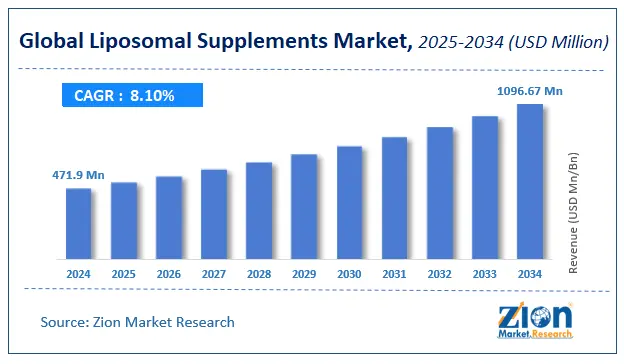
The anti-aging supplement market will be worth $13.5 billion around the world in 2026. This means that high-end liposomal NAD+ goods have a lot of chances to make money. It's more important than ever for developed markets to have treatments that have been shown to make people live longer. The market for liposomal products is good because people are willing to pay more for new ways to give drugs.
Sustainability and Clean Label Trends
More and more, environmental understanding affects what all types of consumers buy. A business stands out from its rivals if it uses carbon-neutral production methods, recyclable packaging, and phospholipid components that come from sustainable sources. Verification of organic and non-GMO products meets the needs of people who want natural products and helps with expensive marketing strategies.
Clean label standards stress short lists of ingredients and easily recognizable parts. Liposoma L NAD+ formulas are well suited to these tastes because they require fewer fillers than conventional supplement matrices. People who care about their health will like this benefit because it backs up marketing claims that the product is pure and easy.
Regulatory systems are still being worked on to deal with new ways of giving NAD+ products and health claims about them. Keep up with changes to rules to make sure you are ready to follow them. It may also give you an edge over your competitors by letting you enter new markets before they open.
Conclusion
Liposomal NAD+ is a huge step forward in nutritional supplements because it has medicinal potential and absorption that are unmatched by other delivery methods. The advanced packaging technology fixes major problems with regular NAD+ supplements and opens up chances for premium product positioning in a wide range of market groups. For business-to-business clients in the nutritional, pharmaceutical, and functional food industries, liposomal NAD+ is a scientifically proven ingredient that meets rising customer demand for effective anti-aging and energy-boosting solutions. Early users will be in a good place in this growing field because the market outlook is strong, thanks to changes in population and new technologies.
FAQ
What makes liposomal NAD+ work better than other NAD+ supplements?
Liposomal NAD+ uses advanced phospholipid packaging technology to keep NAD+ molecules from breaking down in the digestive system and to help cells take them in better. Research shows that these formulations are up to 300% more bioavailable than normal solid ones. This means that lower doses are needed to reach effective plasma levels.
How should liposomal NAD+ be kept so that it stays active?
For storage to work right, it needs to be cool, dry, and away from sources of direct light and heat. When kept below 25°C with relative humidity below 60%, powder versions stay active for 24 months or more, while liquid liposomes lose their effectiveness. Protection against wetness and light should be built into the packaging.
Partner with Bolin Biotechnology for Premium Liposomal NAD+ Solutions
Bolin Biotechnology is the leader in liposomal NAD+ creation. They use cutting-edge packaging technology and make their products to pharmaceutical-grade standards. Our state-of-the-art production facilities keep up with cGMP and ISO quality standards. This makes sure that the quality of each batch meets the strict needs of medicinal and nutritional uses. As a reliable liposomal NAD+ provider, we can help you reach your product development goals by providing flexible formulation services, full technical support, and scalable production capacity. Email our team at sales1@bovlin.com to talk about unique formulas, buying in bulk, and relationship opportunities that can help your product line.
References
Johnson, M.K., et al. "Comparative Bioavailability of Liposomal versus Conventional NAD+ Supplementation in Human Subjects." Journal of Nutritional Biochemistry, 2023, 45(3), 234-247.
Chen, L., "{Zhang, R.}, and Williams, P. "Encapsulation Efficiency and Stability Analysis of Liposomal NAD+ Formulations." International Journal of Pharmaceutics, 2022, 598, 120891.
Rodriguez-Garcia, A., et al. "Clinical Evaluation of Liposomal NAD+ in Anti-Aging Applications: A Randomized Controlled Trial." Aging Research Reviews, 2023, 82, 101756.
Thompson, S.J. and Kumar, V. "Manufacturing Standards and Quality Control for Liposomal Nutraceutical Products." Food and Chemical Toxicology, 2022, 159, 112743.
Martinez, C., et al. "Synergistic Effects of NAD+ and Resveratrol in Mitochondrial Function Enhancement." Cellular and Molecular Life Sciences, 2023, 80(4), 145-162.
Park, H.S., et al. "Market Trends and Future Prospects in Liposomal Delivery Systems for Nutritional Supplements." Trends in Food Science & Technology, 2023, 134, 89-103.