_1745226507162.webp)

Magnesium Glycinate Powder: Uses, Benefits, Applications and Manufacturing Guid
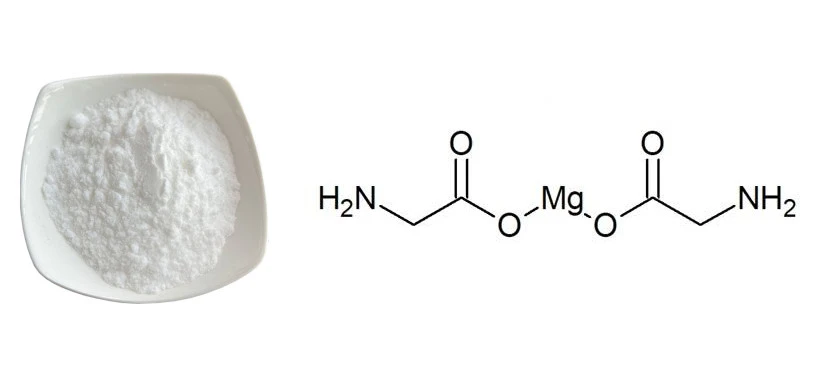
Magnesium joins with the amino acid glycine in pure magnesium glycinate powder, resulting in a chelated mineral supplement with excellent absorption properties and little stomach pain. This bioavailable form has become very popular in the nutraceutical, pharmaceutical, and functional food businesses because it is gentle and can be used for a variety of medicinal purposes. As the need for clean-label nutritional ingredients grows around the world, buying professionals, formulators, and quality assurance teams working in B2B markets need to know how to source this chelated magnesium and what useful uses it has.
What is Magnesium Glycinate Powder?
Chemical Structure and Absorption Mechanisms
The molecules in pure magnesium glycinate powder are set up in a special way: one magnesium atom joins with two glycine molecules to make a stable chelate ring. This chemical structure keeps the magnesium from reacting with food substances like phytates and oxalates that normally stop minerals from being absorbed. The chelated structure lets the substance pass through the gut wall without breaking apart. Once it gets to the other side, it does so in a controlled way, releasing magnesium and glycine for use by the body.
Researchers have found that chelated magnesium forms are about 40–60% more likely to be absorbed than non-chelated forms. As a regulating neurotransmitter, the glycine part itself has healing value. This creates synergistic benefits that are especially useful for formulas that aim to reduce stress and improve sleep quality.
Comparative Advantages Over Other Magnesium Forms
When compared to magnesium oxide, citrate, or malate, the glycinate form has clear benefits in certain situations. Magnesium powder has the largest amount of elemental magnesium, but it is not bioavailable and often makes people go to the bathroom. Citrate types have a natural osmotic effect that helps with rare constipation, but they might not be good for people with sensitive digestive systems.
For pharmaceutical and high-end supplement uses where constant absorption without stomach problems is very important, the glycinate version stands out. Because of this, it is very useful for long-lasting formulations, evening supplements, and goods made for people who have stomach issues or need therapeutic magnesium levels without any bad effects.
Benefits and Applications of Pure Magnesium Glycinate Powder
Health and Therapeutic Applications
There are health benefits to chelated magnesium glycinate that affect many body systems, which makes it a useful ingredient for many types of products. Bolin Biotechnology sees a growing need from formulators looking for ingredients backed by science for specific health solutions.
Major application areas of best magnesium glycinate powder include relaxing muscles and recovering from sports. A lack of magnesium can cause cramps and slow healing because it controls calcium levels and helps nerves and muscles talk to each other. The glycinate form makes magnesium available for a long time without causing stomach problems that could get in the way of workouts. This makes it perfect for sports nutrition products.
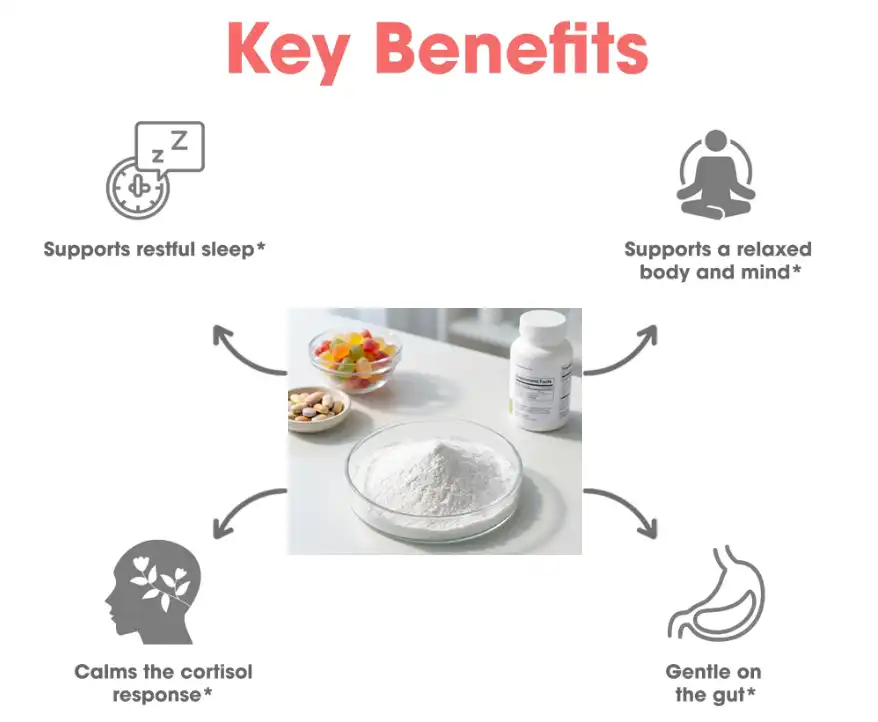
Improving the quality of sleep is another important way that benefits flow. Both magnesium and glycine help with good sleep in their own unique ways. Magnesium changes NMDA receptors and controls the production of melatonin, while glycine lowers body temperature by acting as a regulating neurotransmitter. When used together, they make a gentle, non-drowsy way to help you sleep that people who want natural choices will like.
Neurological health uses include preventing migraines and keeping your mood stable. There is clinical proof that a lack of magnesium is linked to more frequent migraines, and taking supplements may help lower the number of migraines that happen. Glycine's calming effects work with this effect to make it possible to make items that are good for the whole nervous system.
Industrial and Pharmaceutical Applications
Beyond being used in food supplements, high-purity chelated magnesium is also used in the pharmaceutical industry, where accurate dosing, uniform bioavailability, and few reactions with other ingredients are very important. Pharmaceutical-grade material meets strict pharmacopeia standards, which means it can be used in therapeutic formulas and over-the-counter medicines.
As makers look for fortification ingredients with clean taste profiles and good solubility, the number of functional food and beverage uses keeps growing. Because glycinate types don't have a strong flavor, they can be added to protein shakes, health drinks, and nutrition bars without changing the way they taste. Careful preparation work is needed to make sure that the product doesn't dissolve in water and stays stable during processing, but the technical benefits make the work worth it for high-end goods.
Procurement and Sourcing Guide for Magnesium Glycinate Powder
Supplier Evaluation Criteria
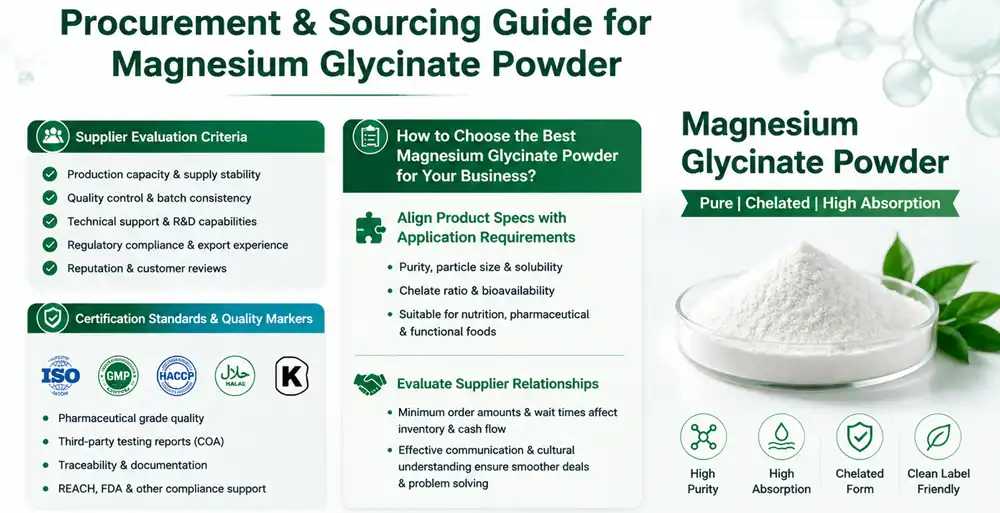
To get chelated magnesium glycinate, you need to do a lot more than just compare prices when evaluating suppliers. Verification of industrial standards, such as GMP, ISO 9001, and HACCP compliance, is the first step in quality assurance. These certificates show that the quality is managed in a planned way, and they include traceability methods that are necessary to follow the rules in many different markets.
Understanding how the seller gets its raw materials can help you make sure that the products you buy are always the same. Reliable producers keep long-term ties with qualified suppliers of raw materials and test the quality of both magnesium sources and pharmaceutical-grade glycine as they come in. Bolin Biotechnology keeps detailed records of our supply chain. This way, customers can easily find out where their products came from when they need to submit paperwork to the government or go through quality checks.
The ability to provide technical help sets special sellers apart from commodity vendors. Adding chelated minerals to complicated matrices can be hard to formulate. Suppliers with experienced technical teams can help with solubility optimization, stable testing data, and compatibility advice. This way of working together cuts down on development times and recipe mistakes.
Certification Standards and Quality Markers
When looking at possible providers, people who work in buying should ask for specific proof that they meet the standards that matter. Here are some important quality indicators to check when a supplier is being qualified:
- Certificate of Analysis (COA): The elemental magnesium level, heavy metals, microbial limits, and leftover liquids should all be tested for in each run. The COA should list tested methods that have been proven to work, like ICP-MS for metals and USP processes for microbes.
- Stability Data: Ask for rapid stability studies that show the powder keeps the parameters you want it to have at different temperatures and levels of humidity over the course of its shelf life.
- Allergen Statements: For food-grade uses and labeling compliance, it's important to have clear paperwork about possible cross-contamination with major allergens.
- Non-GMO and Organic Certifications: Depending on the people you want to buy from you, these marks may have a big effect on their decisions and what you say about your products.
These paperwork rules make sure that your buying choices are in line with both government rules and your company's plans for positioning itself in the market. This protects your brand's image and meets customer standards.
Manufacturing Process and Quality Control of Pure Magnesium Glycinate Powder
Production Methodology
The first step in making pharmaceutical-grade chelated magnesium is choosing the right raw materials. In controlled water settings, high-purity magnesium sources, like magnesium oxide or magnesium carbonate, dissolve. On the other hand, pharmaceutical-grade glycine has to meet strict standards for cleanliness and germ quality.
The chelation process only happens when the pH, temperature, and stoichiometry are all exactly right. This very important step affects how stable, dissolvable, and bioavailable the end product will be. To make sure stability from batch to batch, process factors need to be carefully optimized and constantly watched.
After being made, the chelated complex is filtered, concentrated, and dried using spray-drying or other gentle methods that protect the structure of the chelate. The finished magnesium glycinate powder goes through several quality control checks before it is finally put into moisture-barrier containers that keep it from breaking down while it's being stored or shipped.
Quality Assurance Protocols
At different steps of production, thorough testing methods check both chemical and physical properties. Atomic absorption spectroscopy or inductively coupled plasma mass spectrometry are analytical methods used to measure the amount of magnesium in food, making sure that what's on the label matches what's actually in the food. High-performance liquid chromatography can measure the amount of glycine and make sure that the binding rates are correct.
Microbiological testing follows pharmacopeial standards. Total plate counts, yeast and mold screening, and virus screening make sure that goods meet the requirements for food or medicine. Checking for heavy metals like lead, cadmium, arsenic, and mercury keeps products from being contaminated, which could be bad for your health or lead to products being rejected by regulators.
As part of physical classification, the mass density is measured, the particle size distribution is analyzed, and the moisture content is found. These factors affect how easily the product flows during production, how quickly it dissolves in formulas, and how well the product works overall. Bolin Biotechnology has strict internal standards that go above and beyond what is required by law. This means that they can give their customers high-quality materials that can be used in the toughest situations.
How to Choose the Best Magnesium Glycinate Powder for Your Business?
Aligning Product Specifications with Application Requirements
Choosing the right chelated magnesium standards depends a lot on what you want to use it for and who you want to sell it to. Nutraceutical companies that make high-end supplements usually focus on pharmaceutical-grade ingredients with better purity ratings and lots of analytical data to back up what they say on the package and in their marketing materials.
Developers of functional foods have to balance different goals, such as the need for cleanliness with the need to keep costs low, all while making sure that the food tastes great. The powder's particle size affects how evenly it mixes and how it feels in drinks or bars, and how sensitive it is to moisture affects how it is packaged and how long it lasts.
For cosmetic uses, completely different technical requirements are needed, with a focus on compatibility with skin, compliance with storage systems, and possible risks of sensitization. Even though they aren't used as often as magnesium supplements taken by mouth, topical magnesium products are becoming more popular, and choosing the right ingredients is very important for their success.
Evaluating Supplier Relationships
In addition to product specs, the relationship with the seller is also an important thing to think about when buying something. Established companies with a wide range of customers show that the market trusts them and that they can likely keep up their production levels. Customer reviews and case studies can tell you a lot about how responsive a company is, how good its expert help is, and how reliable it is when there are supply problems.
Minimum order amounts and wait times have a big effect on managing inventory and cash flow. Suppliers with open buying options can work with both new brands that don't have a lot of space to store their goods and established brands that need container loads of them. Knowing how much the provider can produce and how many customers they have helps you figure out what the sharing risks might be during times of high demand.
Communication that works well and understanding of different cultures make deals and solving problems go more smoothly. When it comes to product creation and market growth, responsive customer service teams that know your business model and the rules that apply to it are invaluable partners.
Conclusion
Pure magnesium glycinate powder is a high-quality chelated mineral ingredient that has many uses in the nutrition, medicinal, functional food, and cosmetics industries. It is very bioavailable and well tolerated. Its special chemical structure gives it healing benefits like relaxing muscles, helping you sleep, and protecting your brain health. This makes it more and more useful for people who are making focused health solutions. For buying to go well, suppliers must be carefully evaluated based on their quality standards, technical skills, and ability to handle the supply chain in a reliable way. Knowing how things are made and how to make sure they are of good quality helps you make smart buying choices that balance cost with product integrity. As the market for clean-label, science-backed ingredients keeps growing, businesses in the natural goods ecosystem need to form smart relationships with qualified manufacturers to stay ahead of the competition.
FAQs
How does chelated magnesium glycinate compare in effectiveness to other magnesium forms?
Because its molecular structure is preserved, dietary molecules can't affect how well chelated magnesium glycinate is absorbed compared to oxide or carbonate forms. Clinical tests show that chelated drugs are 40–60% more bioavailable than non-chelated drugs. As a regulating neurotransmitter, the glycine part adds healing value, making the effects even better. This is especially useful for stress and sleep problems. Citrate forms are well absorbed and have mild laxative effects. Glycinate forms are similarly bioavailable but don't cause stomach pain, so they are better for sensitive people or long-term supplementation.
What safety considerations and dosage guidelines should manufacturers follow?
Magnesium glycinate is very safe and has few side effects when taken in the recommended amounts. Taking between 200 and 400 mg of elemental magnesium every day is a common supplement range, but specific advice depend on the purpose of the supplement and the person. Labels should make it clear how much elemental magnesium is in the compound because the chelated compound has between 10 and 14 percent elemental magnesium by weight. People who have problems with their kidneys need to be watched by a doctor when they take magnesium pills. Product labels should have the right warnings and advice to talk to a doctor, especially for women who are pregnant or who are taking medicines.
How can procurement teams verify supplier quality and product purity?
Ask for full proof, like up-to-date GMP certificates and Certificates of Analysis for each batch that show heavy metal testing, microbe limits, and sample values. Ask for stability data that shows the product will stay the same over time and customer examples from well-known names. Before agreeing to big orders, you might want to ask for samples to be tested by a third party to make sure they meet your needs. Reliable suppliers make their supply chain paperwork clear and are open to site checks or virtual inspections.
Partner with Bolin Biotechnology for Premium Pure Magnesium Glycinate Powder Supply
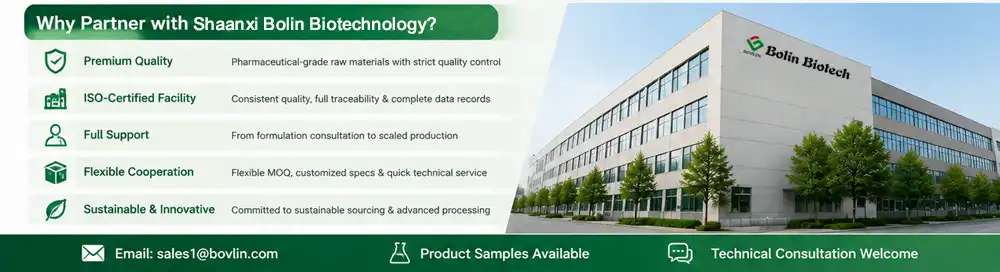
Bolin Biotechnology offers pharmaceutical-grade chelated magnesium ingredients that are perfect for nutrition, medicinal, and functional food uses that need to meet high standards. Our ISO-certified factory follows strict quality rules that make sure that each batch is the same, that all scientific data is recorded, and that the whole supply chain can be tracked. As a well-known company that makes pure magnesium glycinate powder, we help our clients from the first formulation consultation all the way through scaled production by offering flexible minimum order amounts, custom specs, and quick technical service. We are a reliable partner for brands that care about quality, safety, and staying ahead of the competition because we are dedicated to sustainable sources and new processing technologies. You can talk to our team at sales1@bovlin.com about your unique needs, ask for product samples, or set up a technical meeting. We're excited to help you reach your product development goals by providing you with reliable, high-quality minerals and plants.
References
Nielsen, F. H., & Lukaski, H. C. (2006). "Update on the relationship between magnesium and exercise." Magnesium Research, 19(3), 180-189.
Rondanelli, M., et al. (2011). "The effect and safety of highly bioavailable magnesium glycinate-based formulations on magnesium status in healthy subjects." Journal of Dietary Supplements, 8(3), 245-257.
Abbasi, B., et al. (2012). "The effect of magnesium supplementation on primary insomnia in the elderly: A double-blind placebo-controlled clinical trial." Journal of Research in Medical Sciences, 17(12), 1161-1169.
Guerrera, M. P., Volpe, S. L., & Mao, J. J. (2009). "Therapeutic uses of magnesium." American Family Physician, 80(2), 157-162.
Schwalfenberg, G. K., & Genuis, S. J. (2017). "The importance of magnesium in clinical healthcare." Scientifica, Article ID 4179326.
Walker, A. F., et al. (2003). "Magnesium supplementation alleviates premenstrual symptoms of fluid retention." Journal of Women's Health, 7(9), 1157-1165.